Vapor Chamber sample production process?
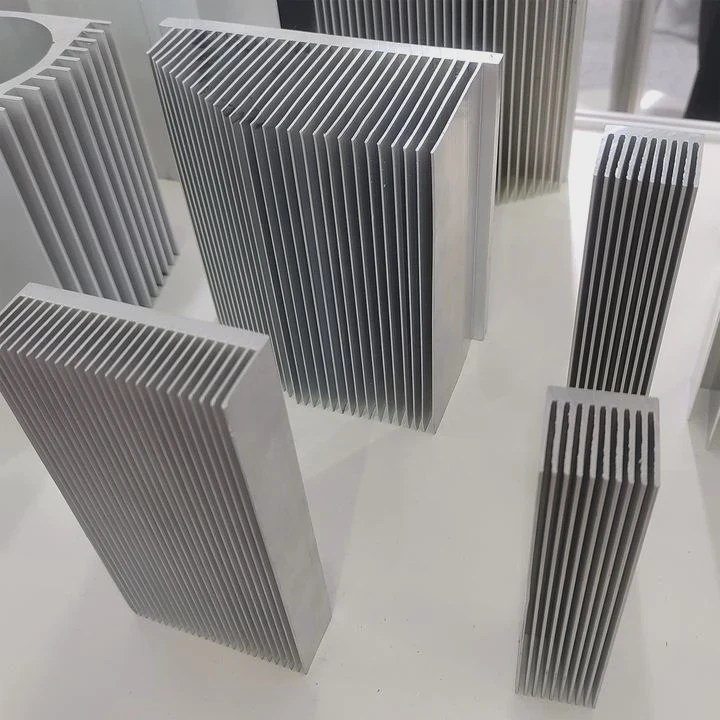
Many companies run into delays and confusion when they first try to build a vapor chamber sample. They expect a fast process, but hit unexpected steps.
This guide explains each stage of sample vapor chamber production, how it compares with mass production, what to expect for lead time, and how samples are tested.
Understanding this process helps you plan ahead, set clear expectations, and avoid mistakes that could delay your project.
What steps are involved in producing a sample Vapor Chamber?
Many think making a sample vapor chamber is just cutting and sealing plates. But the actual process has many detailed steps.
Sample vapor chamber production includes design review, material selection, precision cutting, forming, sealing, vacuum fill, leak test, and final inspection.
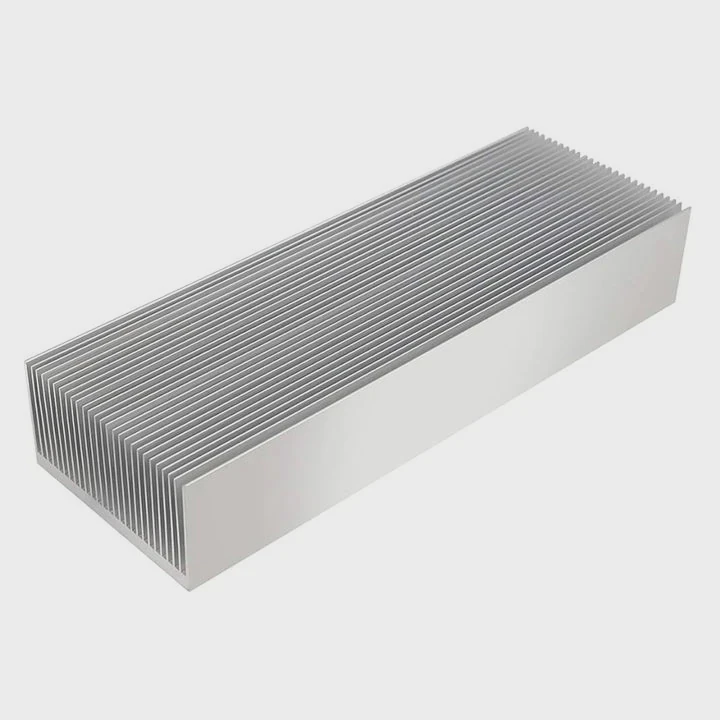
The full process starts with design review. Engineers go over CAD files or drawings. They check dimensions, internal channel paths, thickness, and fill port location. Early feedback saves time later.
Then comes material selection. Most vapor chambers use copper or aluminum. For samples, high-purity aluminum or 3003⁄6061 alloys are common. Internal structures like sintered wick or groove channels are also chosen.
Next is cutting and forming. Plates are laser cut or CNC machined. Any bends or forms are pressed using dies. All edges are smoothed. Accuracy matters here because warped plates cause sealing issues.
After shaping, the plates go through cleaning. Oils, debris, and dust must be fully removed. Some producers use ultrasonic baths or chemical washes. This prevents contamination inside the chamber.
Then the plates are welded or brazed together. Techniques include laser welding, friction stir welding, or vacuum brazing. A small fill port remains open at this stage.
Now comes vacuum evacuation and fluid filling. Inside the chamber, air and moisture are removed using high vacuum. Then a fixed amount of deionized water or special working fluid is injected.
Once filled, the port is sealed. This is usually done with laser welds or metal plugs. The sealing must withstand pressure and keep vacuum over time.
The chamber is then tested for leaks and pressure. This step confirms the unit is fully sealed. Some suppliers use helium leak detection; others use bubble tests under water.
Finally, the vapor chamber undergoes visual and dimensional checks. Surface flatness, plate thickness, and fill-port sealing are all reviewed. If everything passes, the sample is complete.
Here’s a quick summary of the steps:
| Step | Description |
|---|---|
| 1 | Design and drawing review |
| 2 | Material selection and internal structure |
| 3 | Plate cutting and forming |
| 4 | Cleaning and surface prep |
| 5 | Sealing and welding |
| 6 | Vacuum draw and fluid fill |
| 7 | Final port seal |
| 8 | Leak and pressure test |
| 9 | Visual and dimension inspection |
Each step has quality checks. Even a small mistake—like dust in the chamber—can cause failure. That’s why sample production is more careful than mass production.
How does sample production differ from full production?
Both sample and full production aim to make the same product. But the approach, tools, and pace are very different.
Sample production is focused on flexibility and testing; full production is focused on speed and efficiency.
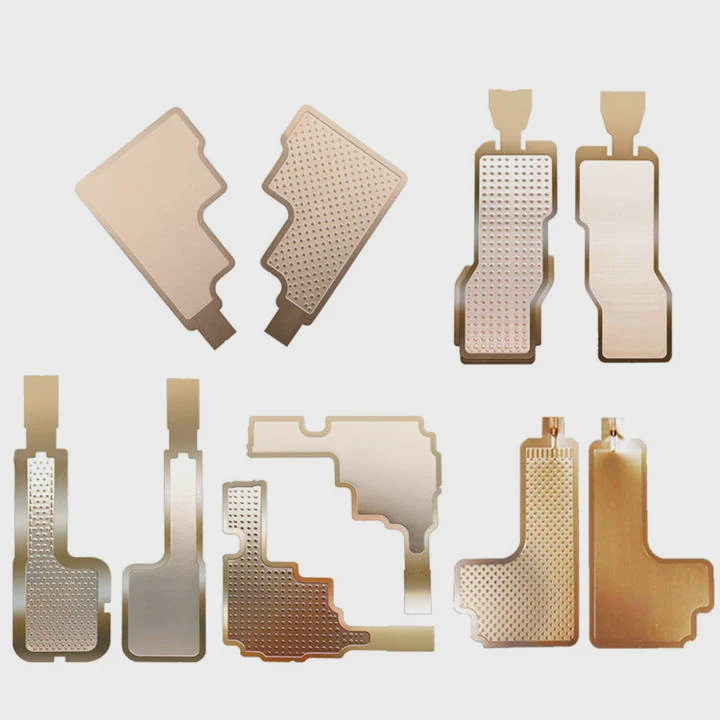
When making samples, workers take their time. Each vapor chamber is handled one by one. They may test different designs or materials. Rework is allowed.
Sample lines are usually manual or semi-automatic. Technicians control each step. This ensures high flexibility, but slows down output.
Mass production uses automated lines. Plates are loaded in batches. Welding is done by machines or jigs. Inspection is spot-checked, not full.
Sample production also allows design changes. For example, if the test shows slow thermal response, engineers can tweak the channel layout. That’s not allowed in full runs.
Here’s a table to compare the two:
| Feature | Sample Production | Full Production |
|---|---|---|
| Speed | Slow and careful | Fast and optimized |
| Process type | Manual or semi-automated | Fully automated or jig-based |
| Design changes | Allowed and expected | Fixed and frozen |
| Testing | Each unit tested fully | Sampling only |
| Cost per unit | High | Low due to scale |
| Scrap tolerance | High (rework allowed) | Low (defect control is key) |
| Team focus | R&D, engineering support | Factory, output-driven |
This flexibility is why many companies use sample builds to test new ideas. They find flaws early, before scaling.
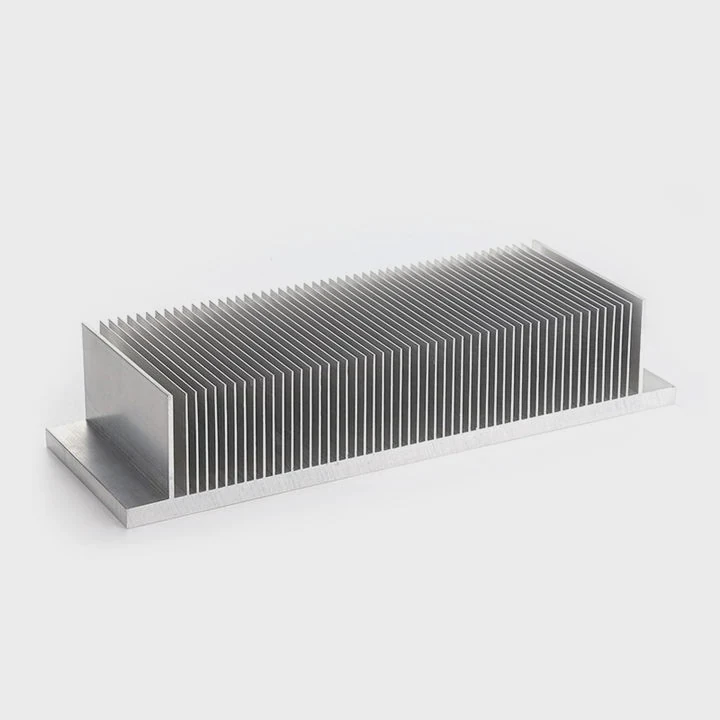
But sample production doesn’t scale well. That’s why full runs only start after the sample passes all checks.
What lead time is typical for sample Vapor Chambers?
People often expect fast sample delivery. But the actual lead time depends on many details.
Typical lead time for vapor chamber samples is 3 to 6 weeks, depending on complexity and queue.
Several things affect lead time. The first is design readiness. If your drawing is final and complete, production moves fast. If it needs changes, the clock resets.
Another factor is material stock. If the aluminum or copper is in stock, things start quickly. If special materials are needed, expect delays.
Machine availability also matters. In busy seasons, vacuum chambers and welding stations are shared. Your sample may have to wait.
Post-processing can take time too. Surface coating, mounting features, and custom marking may add days.
Testing can be a delay. Leak tests or thermal checks need time. If a sample fails, it must be redone. That adds extra days.
Here’s a typical timeline:
| Phase | Days Required |
|---|---|
| Design review | 2–3 days |
| Material prep | 3–5 days |
| Cutting and forming | 3–4 days |
| Welding and sealing | 2–3 days |
| Vacuum fill and port seal | 2–3 days |
| Testing and inspection | 4–5 days |
In total, that’s about 15–25 working days, or 3–6 calendar weeks. For urgent jobs, some firms offer expedited options—but often at extra cost.
If you plan to test multiple designs, ask for them in parallel. That way, if one fails, another might pass without waiting.
Are sample units tested with full functional validation?
Many assume samples are tested the same way as production units. But this depends on the project and budget.
Most samples receive leak, pressure, and visual checks. Full thermal testing is optional and done only if requested.
By default, sample vapor chambers go through vacuum leak tests. This confirms there are no holes or sealing defects.
They also get dimensional checks. Tools like calipers, gauges, or coordinate measuring systems (CMM) ensure the chamber meets drawing specs.
Some firms offer X-ray inspection to see inside the sealed chamber. This helps verify internal structures, wicks, or channels.
Thermal performance testing is more complex. It involves mounting the vapor chamber onto a heat source, running power through it, and measuring surface temperatures with sensors or IR cameras.
This is not always done at the sample stage—unless the client requests it. It takes time and special test benches.
Thermal testing includes:
Thermal Test Parameters
| Parameter | Description |
|---|---|
| Heat load | Simulated by power resistors or heaters |
| Temperature rise | Measured at key points |
| Equilibrium time | Time to steady state |
| Delta-T | Temperature difference across the surface |
Some companies also ask for thermal cycle tests. This runs the chamber through hot and cold cycles to see if it degrades. These tests take days or weeks.
If you’re building a sample for aerospace or medical use, these extended tests may be required.
But if the sample is only for visual fit or basic function, then leak and dimension checks are enough.
Always ask the supplier what tests they include. Then decide what level of validation you need.
Conclusion
Producing a sample vapor chamber is not just welding plates. It includes design checks, careful material handling, vacuum processes, and testing. Sample production is slower but more flexible than mass production. Expect a lead time of 3–6 weeks and basic testing by default. Full functional tests are possible—but need to be requested.
TAGS
Latest Articles

Volume discount levels for heat sink orders?
Buyers often ask when heat sink prices start to drop with volume. Many worry they’re overpaying for small orders. This guide explains how B2B volume pricing works for thermal components. Heat sink
21 Dec,2025
Heat sink long-term supply contract options?
Many buyers want stable pricing and reliable delivery for heat sinks. But without a clear contract, risks grow over time. This article explores how to secure better long-term supply deals. Long-term
21 Dec,2025
Tooling cost for new heat sink profiles?
Many engineers struggle to understand why tooling for custom heat sinks costs so much. They worry about budgeting and production timelines. This article breaks down the cost drivers behind tooling.
21 Dec,2025
Heat sink custom sample process steps?
Sometimes, starting a custom heat sink project feels overwhelming—too many steps, too many unknowns, and too many risks. You want a sample, but not endless delays. The process for requesting and
20 Dec,2025
Standard B2B terms for heat sink payments?
When buyers and sellers in B2B heat sink markets talk about payment, many don’t fully understand what’s standard. This can lead to delayed orders, miscommunication, and even lost business
20 Dec,2025
Heat sink pricing factors for large orders?
Heat sinks are vital for many systems. When prices rise, projects stall and budgets break. This problem can hit teams hard without warning. Large order heat sink pricing depends on many factors. You
20 Dec,2025Related Articles
- Vapor Chamber design guidelines for heat transfer?
- Vapor Chamber pressure resistance rating?
- Vapor Chamber working temperature range?
- Safety regulations for Vapor Chamber materials?
- Industrial Vapor Chamber for power electronics?
- Vapor Chamber efficiency in heat exchanger systems?
- Vapor Chamber usage in automotive industry?
- Does Vapor Chamber suit gaming laptops cooling?
- Lead time for custom Vapor Chamber parts?
- Vapor Chamber application in LED lighting?
- Best Vapor Chamber solution for medical devices?
- Can Vapor Chamber be used in construction machines?
Author
Dr. Emily Chen
Chief AI Researcher
Leading expert in thermal dynamics and AI optimization with over 15 years of experience in data center efficiency research.
Categories
Latest Products






Recommend Categories
- Liquid cooling plate Manufacturer
- Industrial Heat Sink Manufacturer
- Standard Heat Sink Manufacturer
- Aluminum Heat Sink Manufacturer
- Copper Heat Sink Manufacturer
- Anodized Heatsink Manufacturer
- Stamping heat sink Manufacturer
- Die Casting Heatsink Manufacturer
- Soldering heat sink Manufacturer
- CNC Parts Manufacturer
Latest Products
- Wholesale Aluminum Radiator
- Water Cooling Plate Kit
- Water Cooling Heat Sink
- Water Cooling Heat Sink Kit
- Stainless Steel Water Distributor
- Server Water Cooling Plate Kit
- Server Liquid Cooling System
- Server Aluminum Cooling Kit
- S19 Full Cover Cooling Plate
- S19 Cooling Plate Kit
- S19 Aluminum Cooling Plate
Contact Expert
Have questions about this article? Reach out to our experts directly.