Safety regulations for Vapor Chamber materials?
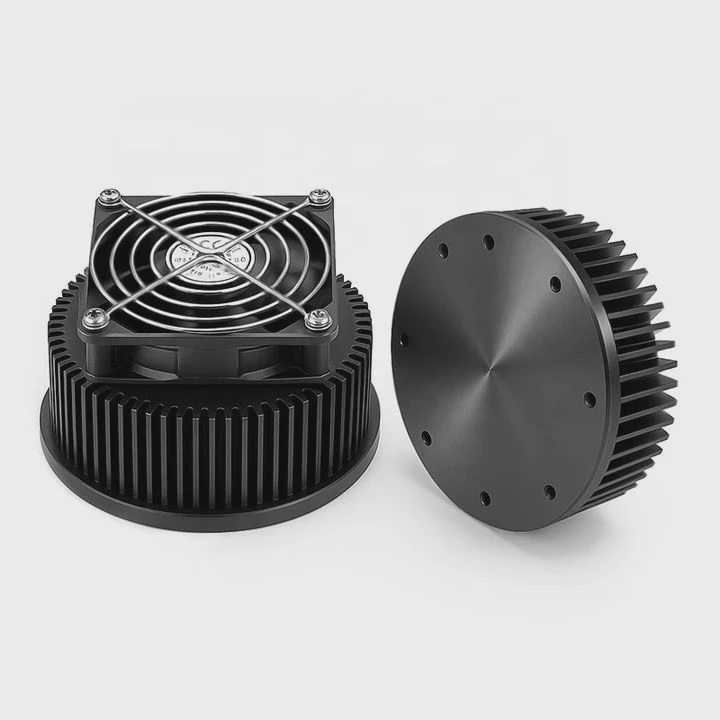
Materials used in vapor chambers carry hidden risks beyond heat transfer. Using restricted or hazardous substances can lead to regulatory rejection or safety hazards.
Vapor chamber materials must meet chemical‑safety, environmental, and possibly fire‑safety standards — especially when the chamber is part of electronics or industrial equipment.
What safety regulations govern materials used in Vapor Chambers?
Some people think safety rules only apply to plastic or active parts. That is wrong. Vapor chambers — though passive — often go into products regulated by chemical safety and electronics‑safety laws.
Relevant regulations include substance‑restriction laws and chemical‑safety regulations. These define what materials are allowed or banned. When a vapor chamber is integrated into a device, it must meet these material safety rules.
Because materials vary by region and change over time, compliance depends on checking the latest banned or restricted substance lists for the target market. This includes base shells, solders, coatings, internal fluids, wicks, adhesives, and even packaging or labels.
Do materials need to meet fire‑safety or chemical‑safety standards?
Yes. Depending on application, both chemical‑safety and fire‑safety standards may apply.
- Chemical safety: Coatings, flux agents, solder alloys, cleaning solvents, and internal fluids must avoid restricted or toxic chemicals. Metals or coatings containing lead, heavy metals, or harmful chemicals can be disallowed.
- Fire‑safety / flammability: If the final device needs fire‑safety certification (for consumer products, appliances, or industrial equipment), any non‑metal parts — gaskets, adhesives, coatings — must comply with fire‑safety requirements.
Even if a vapor chamber is mostly metal, associated materials (adhesives, sealants, plastic parts, coatings) must meet all applicable standards before the finished product is legal or marketable.
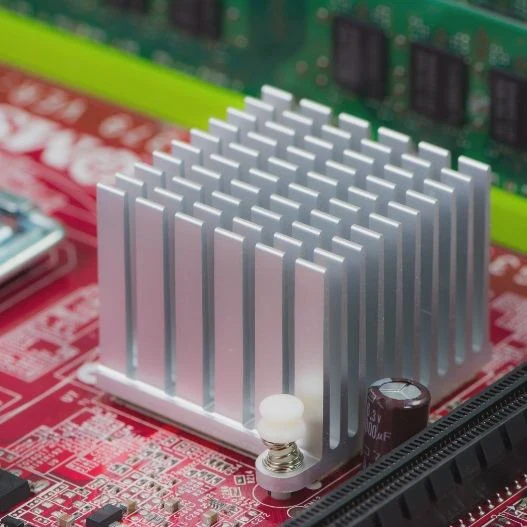
Are there restrictions on working fluid or internal materials?
Yes. Internal components — wick materials, working fluid, solder or brazing filler, internal coatings, adhesives — are subject to the same scrutiny as external parts.
A vapor chamber’s internals may include fluid, wick mesh, solder joints, flux traces, coatings, even internal adhesives. If any of those contain restricted substances, the chamber may fail safety or environmental checks.
Working fluids or additives must avoid toxic or regulated chemicals. Wick materials or coatings must avoid hazardous metals or substances. Even cleaning solvents or residual flux must be free from banned substances.
How to ensure material compliance for Vapor Chambers in regulated sectors?
Ensuring compliance needs a structured, documented approach:
1. Full Material Declaration / BOM
List every material used: base metal, brazing/solder alloys, wick materials, internal fluid, coatings, adhesives, flux residues, surface treatments, sealants, packaging materials.
2. Cross‑check materials against regulatory lists
Compare each material against restricted‑substance lists or chemical‑safety laws for your target market.
3. Perform lab tests if needed
Use chemical analysis, metal content tests, or material certification to confirm compliance. Especially test solder alloys, coatings, fluids, and any suspicious components.
4. Keep full documentation & traceability
Store BOM, test reports, compliance statements, batch numbers, manufacturing dates. This helps audits and regulatory review.
5. When integrating in larger products, pass-through compliance
If the chamber becomes part of bigger equipment (power module, industrial system, electronic device), ensure the full assembly also meets relevant safety and chemical regulations.
6. Update compliance when materials or suppliers change
Regulations evolve. If you change material supplier, flux, coating, fluid — repeat screening and testing.
7. For regulated sectors or sensitive applications, consider third‑party audit or certification
Independent audit increases credibility and reduces risk in markets like medical, aerospace, industrial or consumer electronics.
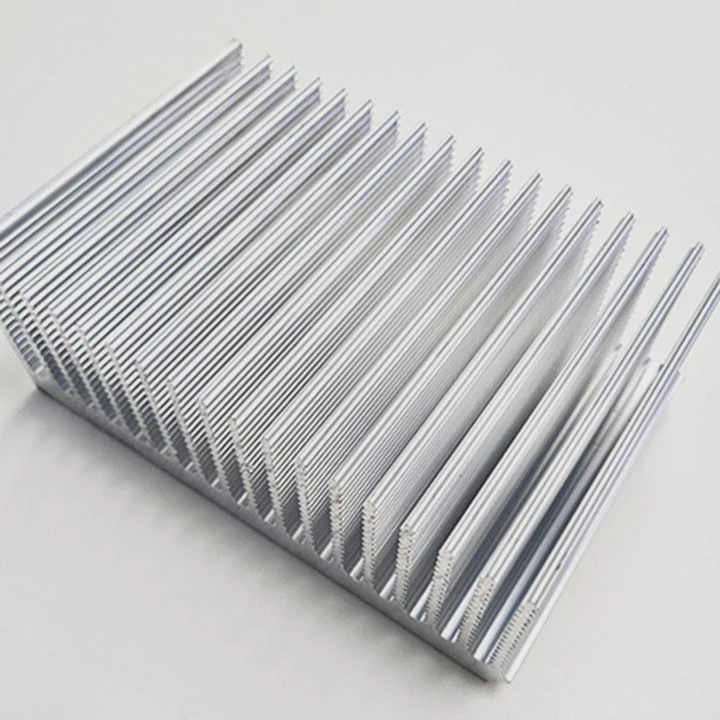
Visual checklist for material compliance
| Item | What to check |
|---|---|
| Base shell alloy | No restricted heavy metals; alloy certification provided |
| Solder / brazing materials | Compliant alloy; free from banned substances |
| Internal fluid / wick / sealant | Verified chemical composition; no restricted compounds |
| Surface coatings / coatings / flux residue | Verified safe coating; no banned chemicals |
| Adhesives, gaskets, labels, packaging | Compliant materials, flame‑safe if required |
| Documentation: BOM + lab reports + batch trace | Complete, traceable, dated |
Conclusion
Vapor chamber materials are not exempt from safety and environmental regulations. To ensure compliance and avoid regulatory or safety problems, every material — from shell to internal fluid — must be checked against chemical and fire‑safety standards. A full-material declaration, lab tests, traceable records and compliance audit are essential steps for vapor chambers destined to regulated markets.
TAGS
Latest Articles

Volume discount levels for heat sink orders?
Buyers often ask when heat sink prices start to drop with volume. Many worry they’re overpaying for small orders. This guide explains how B2B volume pricing works for thermal components. Heat sink
21 Dec,2025
Heat sink long-term supply contract options?
Many buyers want stable pricing and reliable delivery for heat sinks. But without a clear contract, risks grow over time. This article explores how to secure better long-term supply deals. Long-term
21 Dec,2025
Tooling cost for new heat sink profiles?
Many engineers struggle to understand why tooling for custom heat sinks costs so much. They worry about budgeting and production timelines. This article breaks down the cost drivers behind tooling.
21 Dec,2025
Heat sink custom sample process steps?
Sometimes, starting a custom heat sink project feels overwhelming—too many steps, too many unknowns, and too many risks. You want a sample, but not endless delays. The process for requesting and
20 Dec,2025
Standard B2B terms for heat sink payments?
When buyers and sellers in B2B heat sink markets talk about payment, many don’t fully understand what’s standard. This can lead to delayed orders, miscommunication, and even lost business
20 Dec,2025
Heat sink pricing factors for large orders?
Heat sinks are vital for many systems. When prices rise, projects stall and budgets break. This problem can hit teams hard without warning. Large order heat sink pricing depends on many factors. You
20 Dec,2025Related Articles
- Industrial Vapor Chamber for power electronics?
- Vapor Chamber efficiency in heat exchanger systems?
- Vapor Chamber inspection standards ISO?
- Vapor Chamber RoHS compliance check?
- Vapor Chamber CNC machining capability limits?
- Vapor Chamber vacuum testing procedure?
- Vapor Chamber working temperature range?
- Vapor Chamber pressure resistance rating?
- Vapor Chamber design guidelines for heat transfer?
- Vapor Chamber sample production process?
- Vapor Chamber usage in automotive industry?
- Does Vapor Chamber suit gaming laptops cooling?
Author
Dr. Emily Chen
Chief AI Researcher
Leading expert in thermal dynamics and AI optimization with over 15 years of experience in data center efficiency research.
Categories
Latest Products






Recommend Categories
- Liquid cooling plate Manufacturer
- Industrial Heat Sink Manufacturer
- Standard Heat Sink Manufacturer
- Aluminum Heat Sink Manufacturer
- Copper Heat Sink Manufacturer
- Anodized Heatsink Manufacturer
- Stamping heat sink Manufacturer
- Die Casting Heatsink Manufacturer
- Soldering heat sink Manufacturer
- CNC Parts Manufacturer
Latest Products
- Wholesale Aluminum Radiator
- Water Cooling Plate Kit
- Water Cooling Heat Sink
- Water Cooling Heat Sink Kit
- Stainless Steel Water Distributor
- Server Water Cooling Plate Kit
- Server Liquid Cooling System
- Server Aluminum Cooling Kit
- S19 Full Cover Cooling Plate
- S19 Cooling Plate Kit
- S19 Aluminum Cooling Plate
Contact Expert
Have questions about this article? Reach out to our experts directly.