Vapor Chamber working temperature range?

I struggle with choosing thermal solutions for devices that run hot or cold. Vapor Chambers promise efficiency — but what temperature window can they actually handle?
Vapor Chambers usually work well between about –40 °C and 120 °C. Within that range they maintain efficient heat spreading.
If you care about reliable thermal performance, you must know how temperature affects Vapor Chambers. Let’s explore the details step by step.
What is the typical working temperature range for Vapor Chambers?
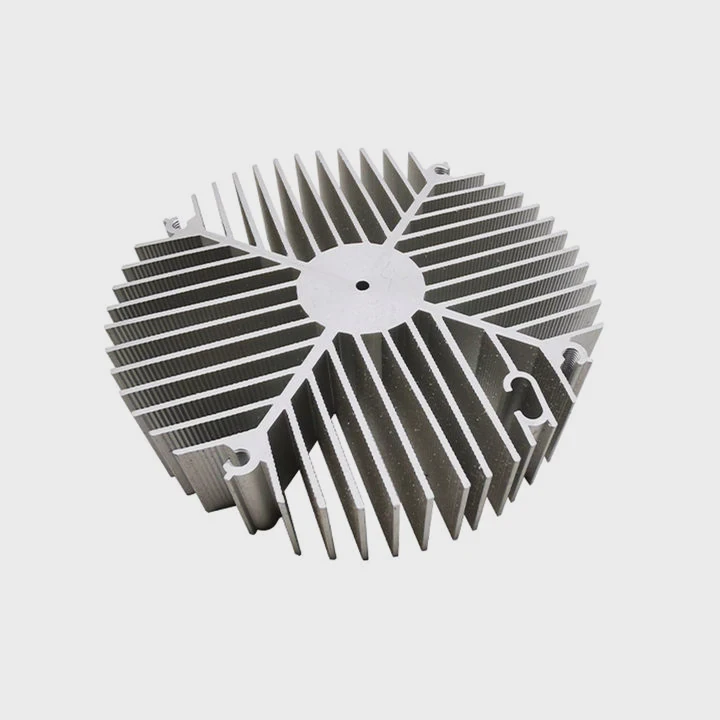
Usually a Vapor Chamber works between –40 °C and 120 °C. That is the common range used in electronics such as laptops, servers, or telecom devices. Outside this range, the fluid inside may freeze or boil too violently.
In normal operation, a Vapor Chamber needs a working fluid (often water or a refrigerant) and wick or groove structure. The fluid must remain liquid at the cold end, yet able to evaporate at the hot end. If temperature is too low, the fluid may freeze. If temperature is too high, pressure inside rises a lot. The design tolerates typical variations inside that –40 to 120 °C window.
Here is a quick reference table for typical fluids and their safe operating windows:
| Working Fluid | Freeze Point (approx) | Boiling Point at 1 atm (approx) | Typical Operating Range in Vapor Chamber |
|---|---|---|---|
| Water | 0 °C | 100 °C | –40 °C to 120 °C (under pressure) |
| Alcohol-based (e.g. ethanol) | –114 °C | 78 °C | –60 °C to 100 °C |
| Refrigerant (e.g. R‑245fa) | –50 °C | 15 °C | –40 °C to 110 °C |
Above ranges assume the chamber is sealed and pressurized. The sealing and wick or groove allow the fluid to remain liquid at lower temperature and evaporate at higher temperature than normal boiling or freezing points.
Because of those designs, standard Vapor Chambers do well in consumer electronics, aerospace electronics, automotive computing modules, and other environments that see moderate but not extreme temperatures.
If you expect your system to operate outside these limits, you might need special fluid, different wick, or changes in pressure. I will talk about that more later.
How does temperature affect Vapor Chamber performance?
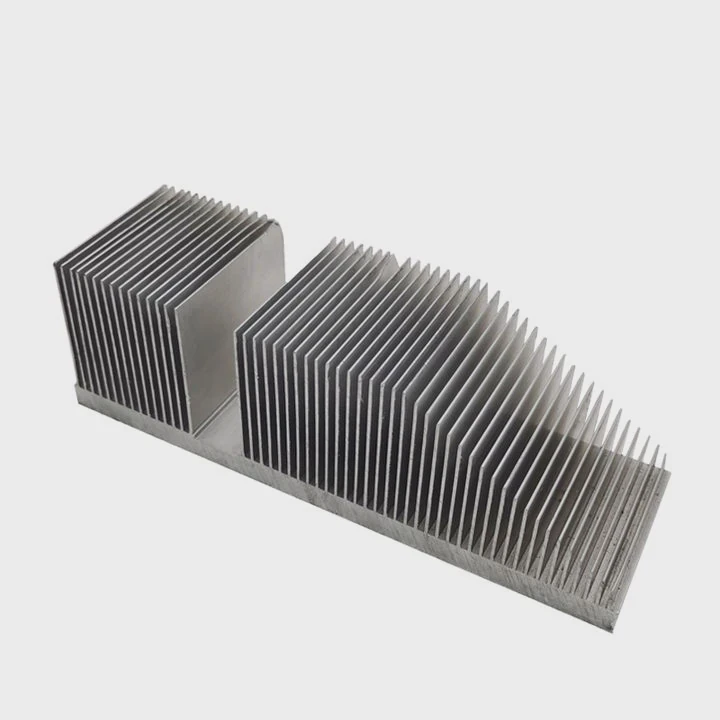
Temperature affects how fast the liquid evaporates and condenses. That changes heat transfer rate directly.
When temperature difference is small, heat moves slowly because fluid does not evaporate quickly. When difference is moderate, evaporation and condensation work well and heat spreads fast. If temperature gets too high, the chamber pressure increases. That can reduce efficiency or risk failure.
At low temperatures, the fluid inside can start to freeze or become too viscous. When fluid is too thick, it does not flow easily. The wick may struggle to return liquid from condenser to evaporator. That slows down heat spreading.
At high temperature, the vapor pressure inside chamber rises. If pressure goes too high, parts might bulge or leak. Also, the fluid may vaporize too much and not condense properly. That reduces the chamber’s ability to transfer heat.
Besides fluid behavior, material properties matter. The metal shell and wick can expand or contract. That changes contact between wick and casing. That affects thermal resistance.
Because of this, performance tends to vary with ambient temperature. In colder ambient, the cold side may not bring fluid back fast. In hotter ambient, the hot side might overheat or create excessive internal pressure.
These effects can harm reliability and performance. That is why real-world designers test Vapor Chambers across expected temperature range before final design.
Can Vapor Chambers operate at extreme cold or high temperatures?
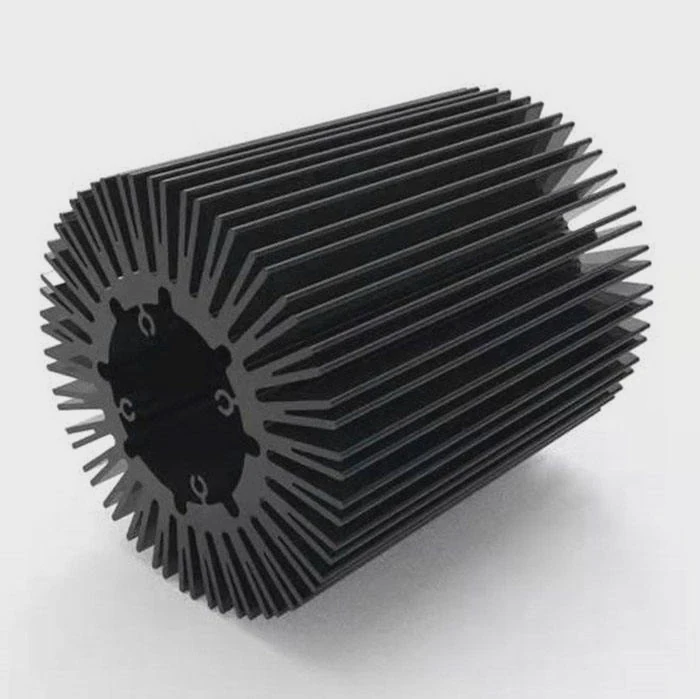
Yes, but only with special design. Standard Vapor Chamber will struggle below –40 °C or above 120 °C.
At extreme cold, fluid may freeze. Then no circulation happens. That kills heat transfer. Also wick or groove might get clogged.
At extreme heat, pressure becomes very high. Shell may deform, or leakage may occur. The chamber may fail.
But engineers sometimes push limits. For cold climates, they pick a fluid with lower freeze point. For example, alcohol-based fluid or refrigerant. They also choose wick materials that handle contraction and bending. For high heat, they choose fluid with higher boiling point under pressure and shell able to handle high internal pressure.
Yet such extreme‑temperature Vapor Chambers require careful design, strong shell, good sealing, and fluid control. That adds cost and complexity.
Here is a rough table of what “extreme” might mean and what changes are needed.
| Extreme Condition | Challenge for Standard Vapor Chamber | Possible Modification |
|---|---|---|
| Below –50 °C | Fluid freeze, flow stops | Use low‑freeze fluid, adjust wick pores, add heaters |
| Above 130 °C | High pressure, shell stress, leaks | Use high‑temp fluid, strong shell, high‑pressure seal, thick wick |
Many off‑the‑shelf Vapor Chambers do not guarantee operation outside normal range. If system may see cold winters or hot industrial environments, need custom design.
That means that operating a standard Vapor Chamber in extreme conditions carries risk. Performance may drop or failure may happen.
What design changes are required for high-temperature Vapor Chamber applications?
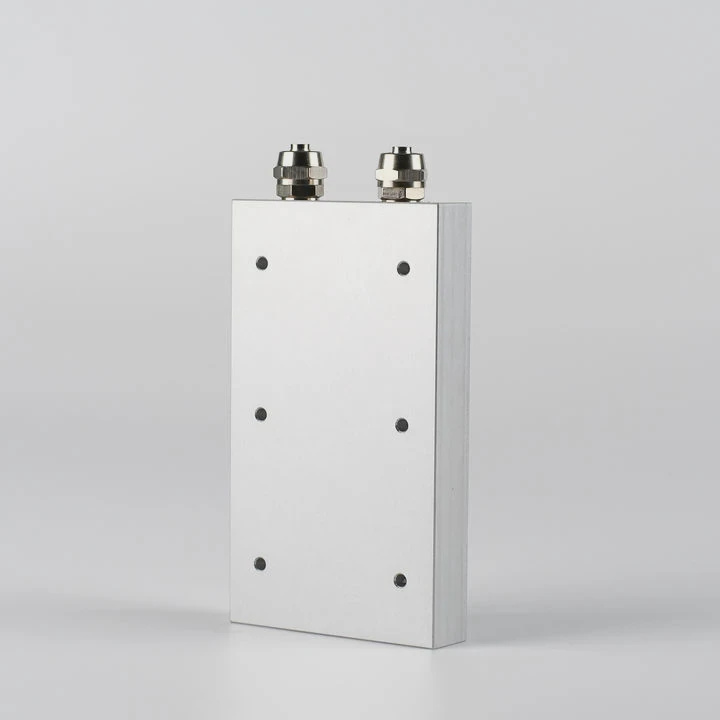
When target temperature exceeds normal range, design must adapt. Main changes are fluid selection, shell strength, sealing quality, and wick structure.
If using water or standard fluid, that may boil too early under high heat. Instead choose fluid with higher boiling point or fluid that remains stable under high pressure. That could be a refrigerant or synthetic fluid.
The shell needs to resist higher internal pressure. That means thicker walls or stronger alloy. Seals must be tight and durable over temperature cycles.
Wick or groove structure often needs change. At high temperature, vapor space increases. Wick must supply liquid reliably under high evaporation rate. That may require larger pore size, thicker wick, or dual‑wick structure.
Also, it helps to pre‑pressurize the chamber. A vacuum or low‑pressure initial fill can help maintain optimal internal pressure across operating range. Engineers must calculate vapor pressure vs temperature carefully.
In many cases, high‑temperature Vapor Chambers also use external heat‑spreaders or heat sinks to reduce peak temperature, to avoid over‑stress on the chamber.
Below is a table summarizing key design changes for high‑temperature applications:
| Design Element | Standard Use | High‑Temperature Adaptation |
|---|---|---|
| Working Fluid | Water or standard fluid | High‑boil fluid, refrigerant, or synthetic fluid |
| Shell Material | Thin metal, light alloy | Thick alloy shell or high‑strength alloy |
| Seal / Weld | Normal seam sealing or welding | High‑pressure weld, leak‑proof sealing |
| Wick / Groove | Fine wick or groove | Coarser wick, thicker wick, dual‑wick or larger pore |
| Internal Pressure | Moderate pressure | Pre‑pressurize to optimal level, pressure testing |
Designers also run thermal and stress tests. They simulate high temperature cycles. They test for leaks, pressure resilience, long‑term reliability.
Even with those changes, there are limits. If temperature goes beyond 150–200 °C for long time, many Vapor Chambers still fail. At such extreme, alternative heat pipes or active cooling may work better.
Custom design adds cost. But it becomes necessary for applications like industrial heaters, power electronics, or aerospace parts near engines.
Conclusion
Vapor Chambers work best between about –40 °C and 120 °C under normal design. Temperature affects fluid flow, pressure, and heat transfer speed. Using them in very cold or very hot conditions needs special fluid and strong design changes. High‑temperature applications require thicker shells, different fluid, strong seals, and test work. Outside those adjustments, Vapor Chambers can lose efficiency or fail.
TAGS
Latest Articles
Volume discount levels for heat sink orders?
Buyers often ask when heat sink prices start to drop with volume. Many worry they’re overpaying for small orders. This guide explains how B2B volume pricing works for thermal components. Heat sink
21 Dec,2025
Heat sink long-term supply contract options?
Many buyers want stable pricing and reliable delivery for heat sinks. But without a clear contract, risks grow over time. This article explores how to secure better long-term supply deals. Long-term
21 Dec,2025
Tooling cost for new heat sink profiles?
Many engineers struggle to understand why tooling for custom heat sinks costs so much. They worry about budgeting and production timelines. This article breaks down the cost drivers behind tooling.
21 Dec,2025
Heat sink custom sample process steps?
Sometimes, starting a custom heat sink project feels overwhelming—too many steps, too many unknowns, and too many risks. You want a sample, but not endless delays. The process for requesting and
20 Dec,2025
Standard B2B terms for heat sink payments?
When buyers and sellers in B2B heat sink markets talk about payment, many don’t fully understand what’s standard. This can lead to delayed orders, miscommunication, and even lost business
20 Dec,2025
Heat sink pricing factors for large orders?
Heat sinks are vital for many systems. When prices rise, projects stall and budgets break. This problem can hit teams hard without warning. Large order heat sink pricing depends on many factors. You
20 Dec,2025Related Articles
- Safety regulations for Vapor Chamber materials?
- Industrial Vapor Chamber for power electronics?
- Vapor Chamber efficiency in heat exchanger systems?
- Vapor Chamber inspection standards ISO?
- Vapor Chamber RoHS compliance check?
- Vapor Chamber CNC machining capability limits?
- Vapor Chamber pressure resistance rating?
- Vapor Chamber design guidelines for heat transfer?
- Vapor Chamber sample production process?
- Vapor Chamber usage in automotive industry?
- Does Vapor Chamber suit gaming laptops cooling?
- Lead time for custom Vapor Chamber parts?
Author
Dr. Emily Chen
Chief AI Researcher
Leading expert in thermal dynamics and AI optimization with over 15 years of experience in data center efficiency research.
Categories
Latest Products






Recommend Categories
- Liquid cooling plate Manufacturer
- Industrial Heat Sink Manufacturer
- Standard Heat Sink Manufacturer
- Aluminum Heat Sink Manufacturer
- Copper Heat Sink Manufacturer
- Anodized Heatsink Manufacturer
- Stamping heat sink Manufacturer
- Die Casting Heatsink Manufacturer
- Soldering heat sink Manufacturer
- CNC Parts Manufacturer
Latest Products
- Wholesale Aluminum Radiator
- Water Cooling Plate Kit
- Water Cooling Heat Sink
- Water Cooling Heat Sink Kit
- Stainless Steel Water Distributor
- Server Water Cooling Plate Kit
- Server Liquid Cooling System
- Server Aluminum Cooling Kit
- S19 Full Cover Cooling Plate
- S19 Cooling Plate Kit
- S19 Aluminum Cooling Plate
Contact Expert
Have questions about this article? Reach out to our experts directly.