Vapor Chamber usage in automotive industry?
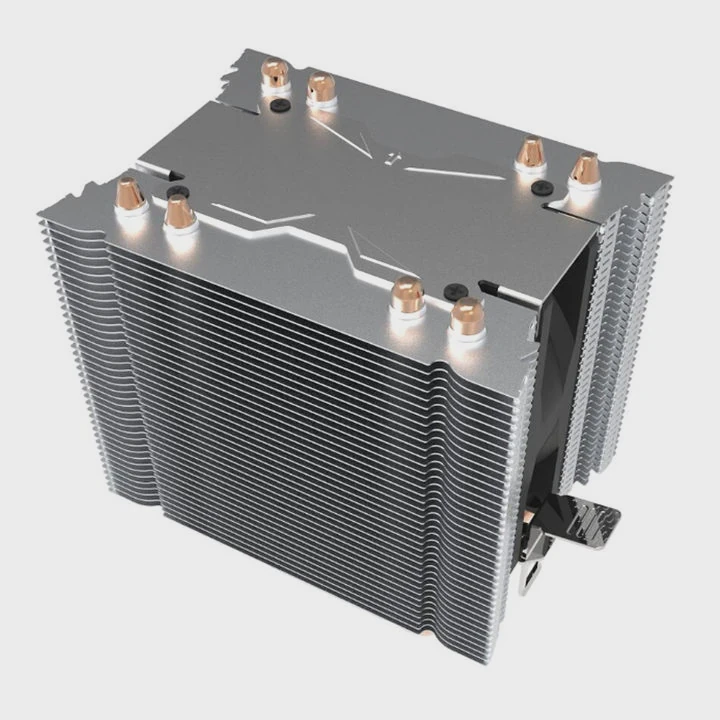
Cars are getting smarter, smaller, and more powerful—but also hotter. Too much heat can kill performance and reliability.
Vapor chambers move heat fast and evenly in tight automotive spaces. They help cool power electronics, battery packs, and sensors, improving safety and extending system life.
As vehicles adopt more electronics, managing heat becomes critical. Below we explore how vapor chambers solve thermal issues across modern car systems.
How are Vapor Chambers used in automotive applications?
Cars pack more power in smaller spaces. That power creates heat, and vapor chambers step in to move it out.
In vehicles, vapor chambers act as thin heat spreaders inside tight modules or under key electronic components. They use phase-change technology to move heat quickly and passively.
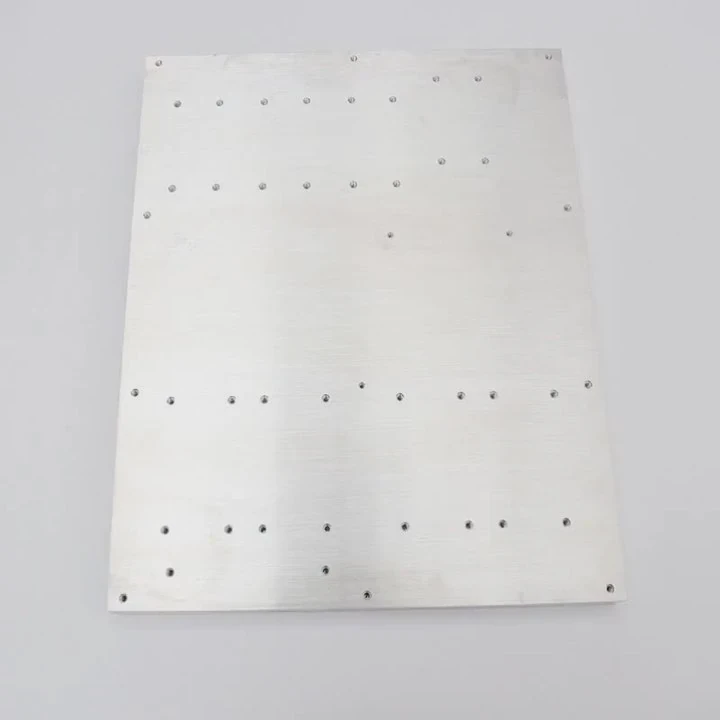
Vapor chambers contain a sealed liquid. When one area heats up, the liquid turns into vapor and travels to cooler zones. There, it condenses and flows back. This cycle pulls heat from the source and spreads it across the chamber’s surface. That means lower local temperatures, fewer hotspots, and more stable electronics.
Inside cars, space is tight. Traditional heat sinks or fans may not fit or perform well under vibration. Vapor chambers are flat and compact, making them ideal. Engineers use them under ECUs, radar modules, LEDs, and power control units. They serve as passive bridges that move heat toward cooling plates or chassis surfaces.
In hybrid or electric cars, vapor chambers may also sit beneath battery modules or on control inverters. These parts heat quickly during fast charging or acceleration. Vapor chambers absorb sudden thermal spikes, reducing thermal lag and extending component life.
Many systems inside a vehicle benefit from these flat, efficient heat movers. Their zero-maintenance design also fits the long-term demands of the auto industry.
Which automotive components benefit most from Vapor Chambers?
Not every component needs advanced cooling. But those with high heat in small spaces do.
The biggest winners are power modules, batteries, ECUs, radar sensors, and high-power lighting systems. Vapor chambers help these parts handle thermal stress safely.
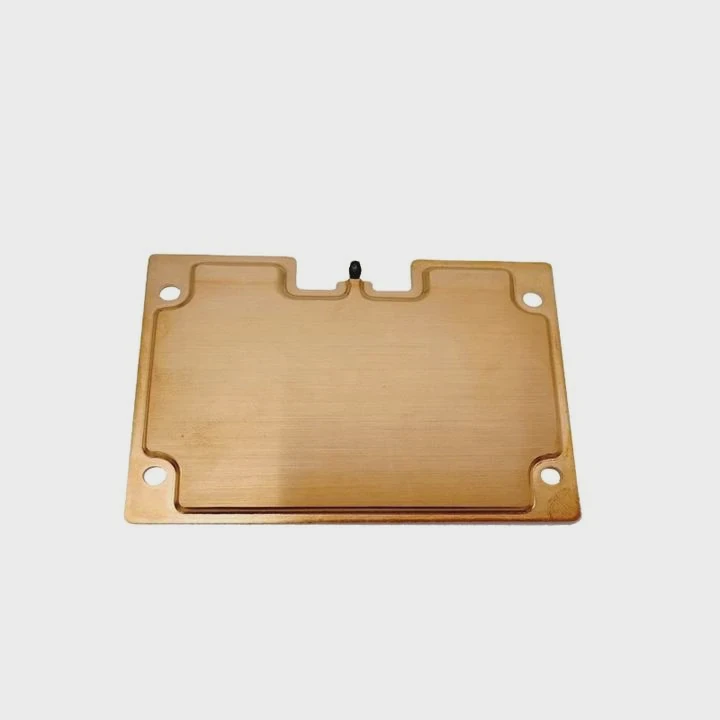
Here’s a breakdown of key use cases:
| Component | Why It Overheats | How Vapor Chambers Help |
|---|---|---|
| Inverters / DC-DC Converters | High current switching | Spreads heat to housing or sink |
| Battery Modules | Cell imbalance during charge/discharge | Balances cell temperatures |
| Radar & Sensor Modules | Bursts of processing | Dampens temperature spikes |
| ECUs | Multiple processors in tight space | Keeps chipsets cool evenly |
| LEDs / Infotainment Units | Brightness or high use | Spreads heat silently, passively |
Heat stress in electronics
Power modules push high current through switching transistors. That generates localized heat. Vapor chambers move that heat to cooler surfaces. This keeps temperatures in a safe range and avoids thermal shutdown.
Battery packs are even more sensitive. One cell overheating can start a cascade. Vapor chambers laid under cells or between modules help smooth out temperature differences. That keeps all cells aging evenly and safely.
Radar and lidar modules also heat quickly under load. Processing complex road data can spike temperatures in milliseconds. Vapor chambers act as thermal buffers. They absorb heat fast before passing it to a slower cooling system.
Even infotainment units and LEDs can get hot in luxury cars. These systems sit in closed panels with limited airflow. Vapor chambers help them run cooler without adding noise or fan systems.
These benefits all come from one thing: the ability to spread and absorb heat evenly, in a flat and compact form.
Can Vapor Chambers support EV thermal management?
Electric cars have fewer moving parts but more thermal complexity. Batteries, chargers, and inverters all need cooling.
Vapor chambers in EVs act as heat spreaders and buffers. They help batteries and power modules stay safe and last longer.
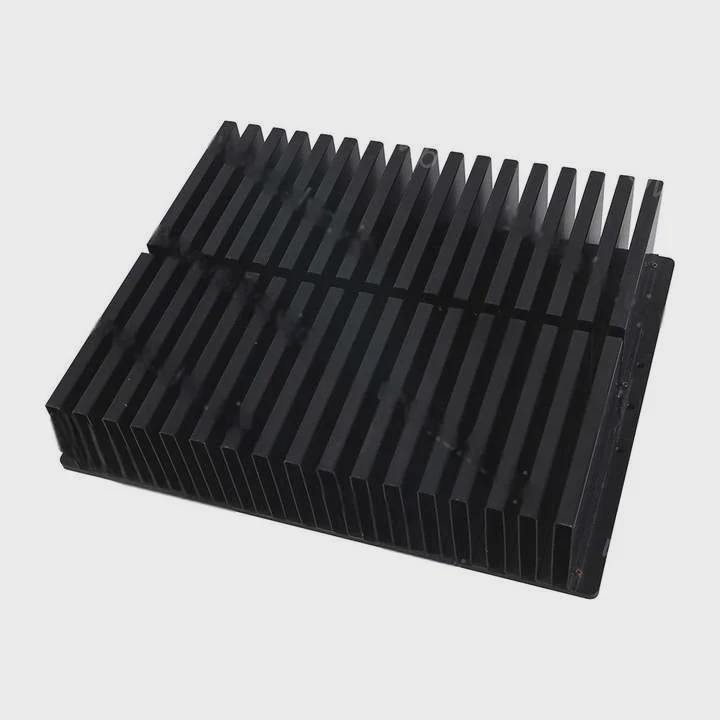
EVs generate serious heat during fast charging or hard acceleration. High voltage inverters, onboard chargers, and dense batteries must shed this heat fast. Otherwise, safety, performance, or battery life suffer.
Vapor chambers are used in several EV areas:
1. Under Battery Modules
Placing a vapor chamber below battery cells helps equalize temperatures. This is key to stopping thermal runaway and ensuring balanced degradation across the pack.
2. Between Cells and Cold Plates
Most EVs use cold plates—metal parts with coolant—to cool packs. But only parts of the pack touch the plate. Vapor chambers spread heat from untouched areas toward the cold plate.
3. Inside Inverter Housings
Power electronics in EVs can hit extreme temps. A vapor chamber absorbs fast spikes, protecting sensitive components before liquid cooling kicks in.
4. In Charging Ports or Onboard Chargers
High-speed charging stresses small components. A vapor chamber helps reduce thermal lag and damage during high current transfer.
These chambers help reduce peak temps and improve cooling uniformity. That reduces strain on liquid systems and extends part life. Less thermal stress also means fewer failures and recalls.
Are automotive industry standards applied to Vapor Chambers?
No part in a car can skip reliability testing. Vapor chambers must prove they can survive automotive use.
Vapor chambers used in vehicles follow industry rules on vibration, sealing, thermal cycling, and corrosion. They meet standards originally made for other electronic parts.
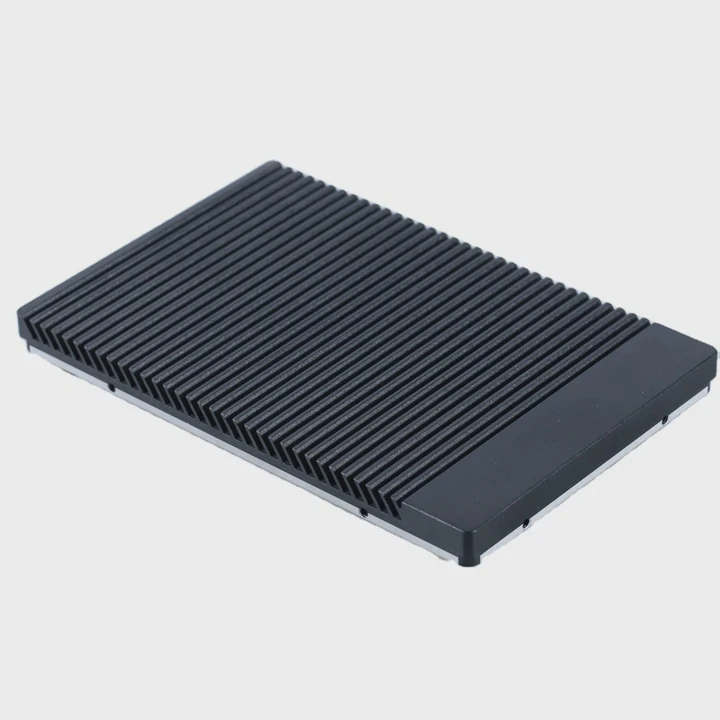
Auto-grade parts face extreme tests. Vapor chambers are no exception. They must pass environmental stress, shock, and life-cycle testing.
Here are typical standards applied:
| Standard | Focus | Importance |
|---|---|---|
| ISO 16750 | Environmental stress | Covers temperature, vibration, humidity |
| GJB150 / MIL-STD-810 | Military-grade thermal testing | Ensures performance under harsh thermal swings |
| DIN EN 60068 | Mechanical durability | Protects against vibrations, impact |
| IATF 16949 | Automotive quality systems | Ensures manufacturing process traceability |
| RoHS / REACH | Materials safety | No banned or unsafe chemicals used |
Most vapor chambers use copper, stainless steel, or aluminum. These must be sealed and bonded tightly. Leaks are not acceptable. Flatness and contact pressure must remain stable under temperature swings.
OEMs may also request custom qualification tests. These might simulate thousands of heat cycles, freeze-thaw shocks, or years of operation in desert heat or arctic cold. Vapor chambers must hold up without swelling, leaking, or losing thermal performance.
To work in auto parts, vapor chambers need more than thermal efficiency. They must deliver safety and reliability—over years and miles.
Conclusion
Vapor chambers quietly solve big heat problems in modern cars. They offer thin, powerful, and silent cooling across critical systems. From power modules to EV batteries, these chambers spread heat where it’s needed. As cars pack in more electronics, vapor chambers help keep things running safe and cool.
TAGS
Latest Articles

Volume discount levels for heat sink orders?
Buyers often ask when heat sink prices start to drop with volume. Many worry they’re overpaying for small orders. This guide explains how B2B volume pricing works for thermal components. Heat sink
21 Dec,2025
Heat sink long-term supply contract options?
Many buyers want stable pricing and reliable delivery for heat sinks. But without a clear contract, risks grow over time. This article explores how to secure better long-term supply deals. Long-term
21 Dec,2025
Tooling cost for new heat sink profiles?
Many engineers struggle to understand why tooling for custom heat sinks costs so much. They worry about budgeting and production timelines. This article breaks down the cost drivers behind tooling.
21 Dec,2025
Heat sink custom sample process steps?
Sometimes, starting a custom heat sink project feels overwhelming—too many steps, too many unknowns, and too many risks. You want a sample, but not endless delays. The process for requesting and
20 Dec,2025
Standard B2B terms for heat sink payments?
When buyers and sellers in B2B heat sink markets talk about payment, many don’t fully understand what’s standard. This can lead to delayed orders, miscommunication, and even lost business
20 Dec,2025
Heat sink pricing factors for large orders?
Heat sinks are vital for many systems. When prices rise, projects stall and budgets break. This problem can hit teams hard without warning. Large order heat sink pricing depends on many factors. You
20 Dec,2025Related Articles
- Vapor Chamber sample production process?
- Vapor Chamber design guidelines for heat transfer?
- Vapor Chamber pressure resistance rating?
- Vapor Chamber working temperature range?
- Safety regulations for Vapor Chamber materials?
- Industrial Vapor Chamber for power electronics?
- Does Vapor Chamber suit gaming laptops cooling?
- Lead time for custom Vapor Chamber parts?
- Vapor Chamber application in LED lighting?
- Best Vapor Chamber solution for medical devices?
- Can Vapor Chamber be used in construction machines?
- Vapor Chamber Performance in Aerospace Systems?
Author
Dr. Emily Chen
Chief AI Researcher
Leading expert in thermal dynamics and AI optimization with over 15 years of experience in data center efficiency research.
Categories
Latest Products






Recommend Categories
- Liquid cooling plate Manufacturer
- Industrial Heat Sink Manufacturer
- Standard Heat Sink Manufacturer
- Aluminum Heat Sink Manufacturer
- Copper Heat Sink Manufacturer
- Anodized Heatsink Manufacturer
- Stamping heat sink Manufacturer
- Die Casting Heatsink Manufacturer
- Soldering heat sink Manufacturer
- CNC Parts Manufacturer
Latest Products
- Wholesale Aluminum Radiator
- Water Cooling Plate Kit
- Water Cooling Heat Sink
- Water Cooling Heat Sink Kit
- Stainless Steel Water Distributor
- Server Water Cooling Plate Kit
- Server Liquid Cooling System
- Server Aluminum Cooling Kit
- S19 Full Cover Cooling Plate
- S19 Cooling Plate Kit
- S19 Aluminum Cooling Plate
Contact Expert
Have questions about this article? Reach out to our experts directly.