What does liquid cooled engine mean?
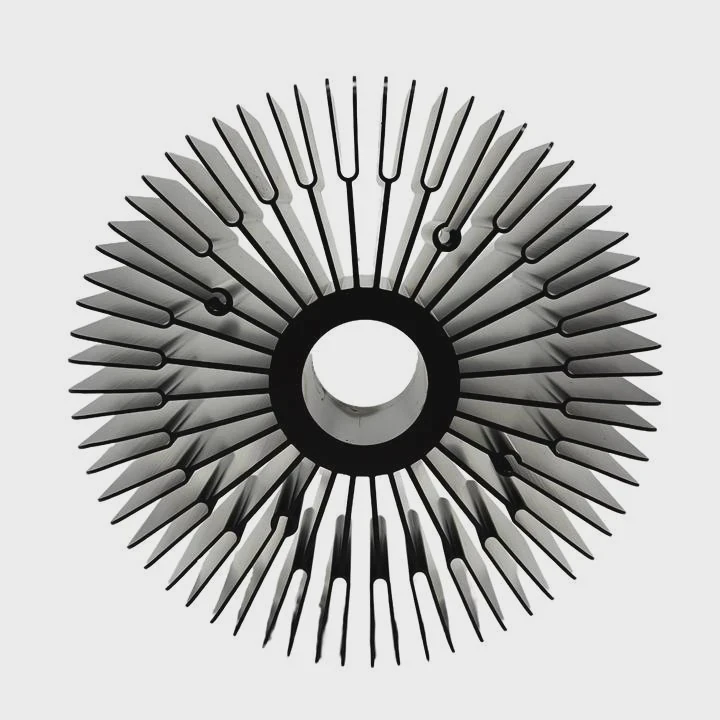
Engines get hot—very hot. When a car runs, it burns fuel and produces huge amounts of heat. If this heat isn’t managed properly, the engine can seize, warp, or even fail completely.
A liquid-cooled engine uses coolant fluid to absorb and carry away heat from the engine block and cylinder heads, preventing overheating and improving performance.
This system has replaced air-cooled engines in most modern cars and motorcycles. Let’s explore how it works, why it’s better, and how to keep it in perfect shape.
What is a liquid-cooled engine?
A liquid-cooled engine is designed to manage high temperatures more effectively than air cooling systems.
It circulates coolant through internal passages in the engine, transferring heat to a radiator where it’s released into the air.
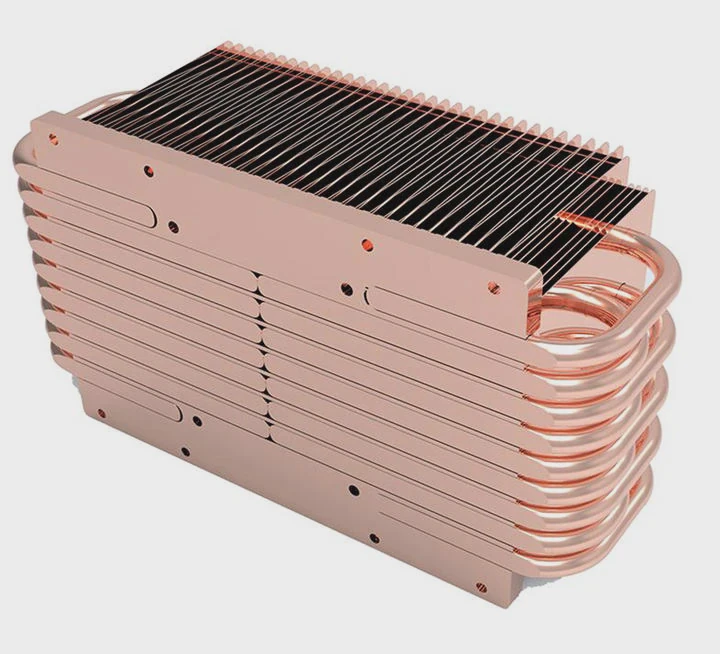
Inside the engine, coolant flows around hot areas—like the cylinders and combustion chambers. It absorbs the heat and carries it to the radiator. Air passing through the radiator cools the fluid before it’s pumped back again. This constant cycle keeps the engine operating at an ideal temperature, usually between 85°C and 100°C.
How the system works
| Component | Function |
|---|---|
| Coolant | Transfers heat from engine to radiator |
| Water Pump | Circulates coolant through the system |
| Radiator | Dissipates heat into surrounding air |
| Thermostat | Controls coolant flow based on temperature |
| Cooling Fan | Increases airflow through the radiator when stationary |
| Expansion Tank | Allows coolant to expand as it heats up |
Why liquid cooling replaced air cooling
Air-cooled engines depend on metal fins and airflow to remove heat. While simple, they are noisy, less efficient, and can’t handle high power density. As engines grew stronger and cars became more enclosed, air cooling couldn’t keep up. Liquid cooling became the standard for smoother, more efficient, and longer-lasting engines.
What are its benefits over air-cooled engines?
Liquid cooling does more than keep the engine from overheating—it improves performance, durability, and comfort.
Compared to air-cooled engines, liquid-cooled engines offer better temperature control, quieter operation, higher efficiency, and longer life.
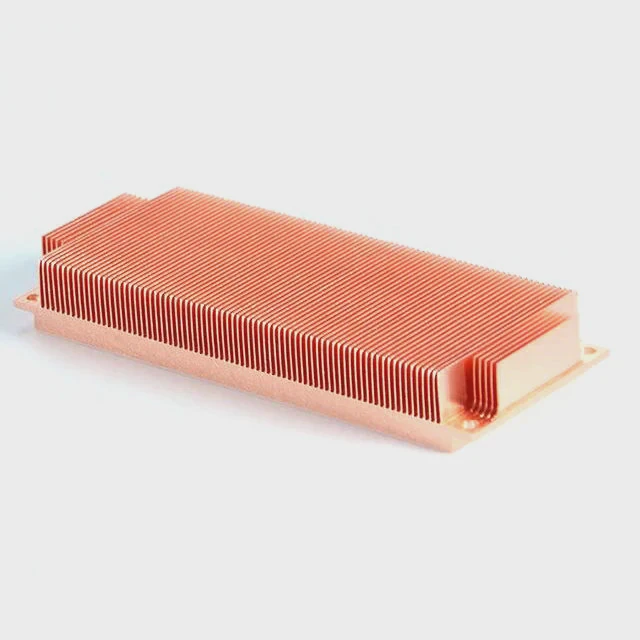
Key benefits comparison
| Feature | Air-Cooled Engine | Liquid-Cooled Engine |
|---|---|---|
| Cooling Efficiency | Depends on airflow; inconsistent | Stable and efficient in all conditions |
| Noise Level | Noisy (metal fins vibrate) | Quiet (encased in coolant jacket) |
| Performance | Limited by temperature | Sustains high power for longer |
| Engine Longevity | Shorter due to uneven heat | Longer due to consistent cooling |
| Maintenance | Simple but frequent | Less frequent but more technical |
| Environmental Adaptability | Struggles in hot weather | Works well in all climates |
Real-world example
Think about a high-performance motorcycle or car. An air-cooled engine can overheat quickly in traffic since it relies on wind flow. A liquid-cooled engine, on the other hand, maintains temperature even when idling, thanks to its radiator and coolant circulation. This ensures stable power delivery, fewer breakdowns, and better fuel efficiency.
Why temperature control matters
Uneven heating can cause engine parts to expand differently. Over time, this leads to warping or gasket failure. Liquid cooling prevents these temperature spikes, keeping every part within a safe thermal range. That’s why almost all modern internal combustion engines—from small sedans to large trucks—use liquid cooling systems today.
How to maintain it properly?
Like any mechanical system, a liquid-cooled engine needs regular care to stay reliable.
To maintain a liquid-cooled engine, check coolant levels regularly, replace coolant as recommended, inspect hoses for leaks, and clean the radiator.
Proper maintenance keeps the cooling system efficient and prevents costly repairs. Neglecting coolant health can cause corrosion, leaks, and overheating—problems that often lead to major engine damage.
Essential maintenance checklist
| Task | Frequency | Purpose |
|---|---|---|
| Check coolant level | Every 1,000–2,000 km | Prevents low fluid and overheating |
| Top off coolant | As needed | Maintains pressure and fluid flow |
| Flush and replace coolant | Every 2 years or 40,000 km | Removes rust and old additives |
| Inspect hoses and clamps | Every 6 months | Detects cracks or leaks early |
| Clean radiator fins | Every 12 months | Ensures proper airflow and heat dissipation |
| Test thermostat | Annually | Confirms temperature regulation works |
Step-by-step coolant replacement
- Let the engine cool completely. Never open a hot radiator cap.
- Drain old coolant. Open the drain plug or remove the lower radiator hose.
- Flush with clean water. Run water through the system to remove residue.
- Refill with fresh coolant. Mix with distilled water as recommended (usually 50⁄50).
- Bleed the system. Remove trapped air by running the engine with the radiator cap off until bubbles stop forming.
- Check for leaks. Inspect all fittings and hoses after driving a short distance.
Coolant types and their colors
| Coolant Type | Color | Lifespan | Notes |
|---|---|---|---|
| IAT (Inorganic Acid Tech) | Green | 2 years | Traditional; older vehicles |
| OAT (Organic Acid Tech) | Orange | 5 years | Modern, long-life coolant |
| HOAT (Hybrid OAT) | Yellow | 5 years | Combines both for better protection |
Always match the coolant type to your vehicle manufacturer’s recommendation. Mixing types can cause corrosion or gel formation, leading to blockages.
Regular care ensures your liquid-cooled engine performs smoothly and avoids costly overheating issues.
What are the automotive cooling trends?
As engines and power systems evolve, cooling technology continues to advance rapidly.
Modern automotive cooling trends focus on hybrid systems, smart thermostats, electric pumps, and sustainable coolants.
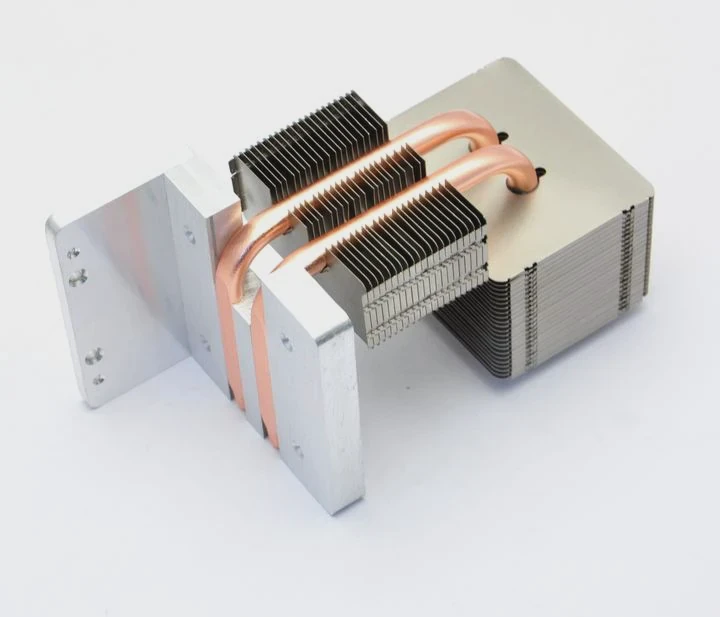
Trend 1: Electric water pumps
Traditional mechanical pumps depend on engine RPM. Electric pumps, however, adjust flow rate based on real-time temperature data. This improves efficiency and allows engines to stay cool even when stopped—especially useful for hybrid and electric vehicles.
Trend 2: Integrated thermal management
New vehicles use integrated systems that cool the engine, transmission, battery, and inverter together. This holistic approach improves energy efficiency and reduces the number of separate components.
Trend 3: Smart thermostats and sensors
Smart thermostats use electronic sensors to measure engine temperature and adjust coolant flow instantly. These systems react faster than mechanical valves, improving performance and reducing emissions.
Trend 4: Eco-friendly coolants
Manufacturers are moving away from toxic ethylene glycol toward biodegradable propylene glycol and waterless coolants. These are safer for the environment and offer better thermal stability.
Trend 5: Advanced materials and coatings
Lightweight aluminum radiators and ceramic-coated passages improve heat transfer while resisting corrosion. 3D-printed parts are also being tested for more efficient coolant channel designs.
Trend 6: Thermal systems for electric vehicles
Even electric cars need cooling. Their batteries and motors generate heat during charging and acceleration. Liquid cooling is now used to stabilize battery packs, ensuring safety and longevity.
Looking ahead
The future of vehicle cooling will rely on smart, connected systems that use sensors and software to manage temperature with high precision. Whether for gasoline engines or electric drivetrains, liquid cooling remains at the heart of efficiency and reliability.
Conclusion
A liquid-cooled engine uses coolant to manage temperature more effectively than air-cooled systems. It provides smoother performance, longer life, and better efficiency. With smart control and eco-friendly designs, liquid cooling will continue shaping the future of automotive engineering.
TAGS
Latest Articles

Volume discount levels for heat sink orders?
Buyers often ask when heat sink prices start to drop with volume. Many worry they’re overpaying for small orders. This guide explains how B2B volume pricing works for thermal components. Heat sink
21 Dec,2025
Heat sink long-term supply contract options?
Many buyers want stable pricing and reliable delivery for heat sinks. But without a clear contract, risks grow over time. This article explores how to secure better long-term supply deals. Long-term
21 Dec,2025
Tooling cost for new heat sink profiles?
Many engineers struggle to understand why tooling for custom heat sinks costs so much. They worry about budgeting and production timelines. This article breaks down the cost drivers behind tooling.
21 Dec,2025
Heat sink custom sample process steps?
Sometimes, starting a custom heat sink project feels overwhelming—too many steps, too many unknowns, and too many risks. You want a sample, but not endless delays. The process for requesting and
20 Dec,2025
Standard B2B terms for heat sink payments?
When buyers and sellers in B2B heat sink markets talk about payment, many don’t fully understand what’s standard. This can lead to delayed orders, miscommunication, and even lost business
20 Dec,2025
Heat sink pricing factors for large orders?
Heat sinks are vital for many systems. When prices rise, projects stall and budgets break. This problem can hit teams hard without warning. Large order heat sink pricing depends on many factors. You
20 Dec,2025Related Articles
- What is liquid cooling system?
- Is air cooling or liquid cooling better?
- How Expensive Is Liquid Cooling?
- How to set up a liquid cooler?
- How to liquid cool?
- Is air cooling better than liquid cooling?
- How CPU liquid cooler works?
- Can Liquid Cooling Leak?
- Does 5800X need liquid cooling?
- How does a liquid cooler work?
- How to upgrade to liquid cooling?
- Is 240mm liquid cooling enough?
Author
Dr. Emily Chen
Chief AI Researcher
Leading expert in thermal dynamics and AI optimization with over 15 years of experience in data center efficiency research.
Categories
Latest Products






Recommend Categories
- Liquid cooling plate Manufacturer
- Industrial Heat Sink Manufacturer
- Standard Heat Sink Manufacturer
- Aluminum Heat Sink Manufacturer
- Copper Heat Sink Manufacturer
- Anodized Heatsink Manufacturer
- Stamping heat sink Manufacturer
- Die Casting Heatsink Manufacturer
- Soldering heat sink Manufacturer
- CNC Parts Manufacturer
Latest Products
- Wholesale Aluminum Radiator
- Water Cooling Plate Kit
- Water Cooling Heat Sink
- Water Cooling Heat Sink Kit
- Stainless Steel Water Distributor
- Server Water Cooling Plate Kit
- Server Liquid Cooling System
- Server Aluminum Cooling Kit
- S19 Full Cover Cooling Plate
- S19 Cooling Plate Kit
- S19 Aluminum Cooling Plate
Contact Expert
Have questions about this article? Reach out to our experts directly.