What happens to a liquid when it cools?
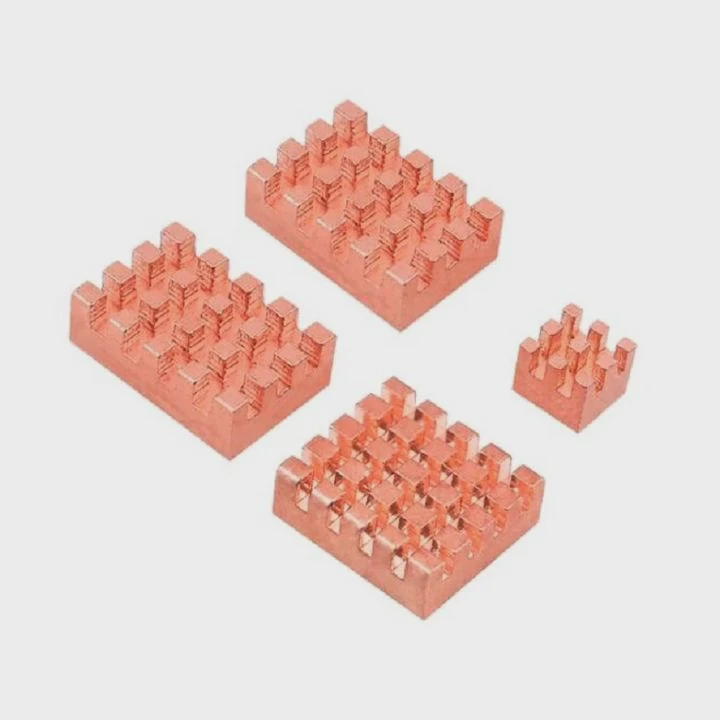
When a liquid cools down, its molecules lose energy and slow their motion. This simple change in motion transforms its physical behavior and even its state.
When a liquid cools, its temperature drops, molecules move slower, and the liquid may contract or solidify as energy leaves the system.
Cooling a liquid is not just about temperature—it is a story of motion, energy, and structure that defines the behavior of matter.
What physical changes occur in cooling?
When we lower a liquid’s temperature, many visible and invisible changes happen. The most obvious one is the drop in temperature, but deeper transformations occur at the molecular level.
During cooling, molecular movement slows down, distance between particles decreases, and the liquid becomes denser or even turns solid.

Key Physical Changes in a Cooling Liquid
| Physical Property | Change During Cooling | Explanation |
|---|---|---|
| Temperature | Decreases | Heat energy leaves the system |
| Molecular Speed | Decreases | Less kinetic energy |
| Volume | Often decreases | Molecules move closer together |
| Density | Usually increases | Same mass in smaller volume |
| Phase | May change to solid | If temperature reaches freezing point |
How Molecules Behave
As I have observed in experiments, when water cools, its molecules begin to vibrate less and form stronger hydrogen bonds. This leads to tighter structures. However, near freezing, water behaves unusually—it expands instead of contracting. This is why ice floats on water.
Other liquids like alcohol or oil do not show this anomaly. They contract consistently as they cool, which increases their density. These patterns show how internal bonding determines a liquid’s physical response to temperature change.
Visualizing the Process
When you put a warm metal plate into a cool liquid, the plate’s heat transfers into the liquid. The molecules in the liquid gain some energy, but as the system stabilizes, both reach the same temperature. This constant energy exchange defines all cooling processes.
Why does cooling release energy?
Cooling feels like removing heat, but in reality, it’s an energy transfer between systems. Energy never disappears—it simply moves somewhere else.
Cooling releases energy because molecules lose kinetic energy, which transfers as heat to the surrounding environment.
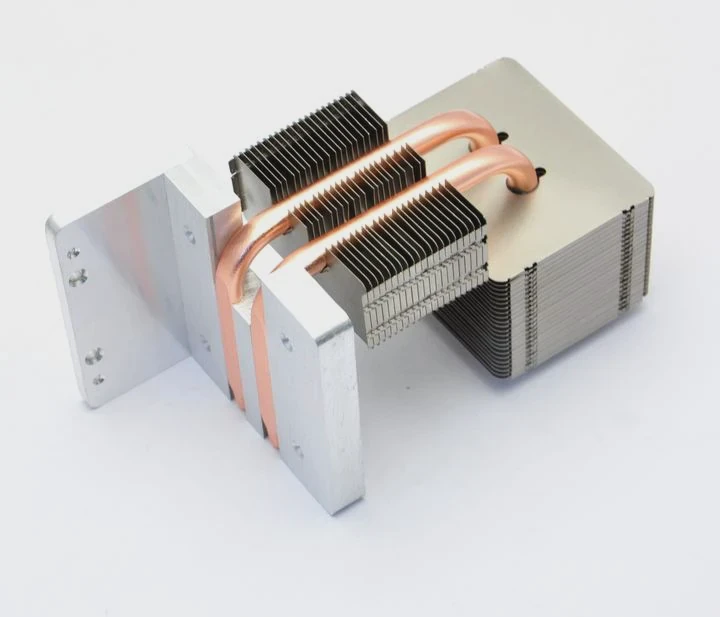
Energy Flow and Conservation
When a liquid cools, its internal energy drops. This loss doesn’t vanish; it flows outward as thermal energy into air, water, or solid surroundings. This is described by the law of conservation of energy.
Here is a simple view:
| Process | Direction of Energy Flow | Example |
|---|---|---|
| Cooling | From liquid → environment | Warm water cooling in a room |
| Heating | From environment → liquid | Cold drink warming in hand |
The rate of this energy transfer depends on the temperature difference and the liquid’s thermal conductivity. For instance, metals cool much faster than oils because they conduct heat efficiently.
Why Energy Moves
Molecules in a warm liquid vibrate rapidly. When they collide with slower-moving particles in the surroundings, energy spreads until both reach equilibrium. This flow of heat continues until the temperature difference disappears.
In my own testing of thermal systems, such as aluminum liquid cold plates, I often monitor this transition. You can literally observe how heat migrates from high-energy regions to lower ones, releasing measurable energy into the environment.
How does this process affect density?
Density changes tell a fascinating story about temperature and energy. When a liquid cools, its molecules crowd together. This changes its mass-to-volume ratio.
Cooling increases liquid density because the same mass occupies less volume, except for some special cases like water near freezing.
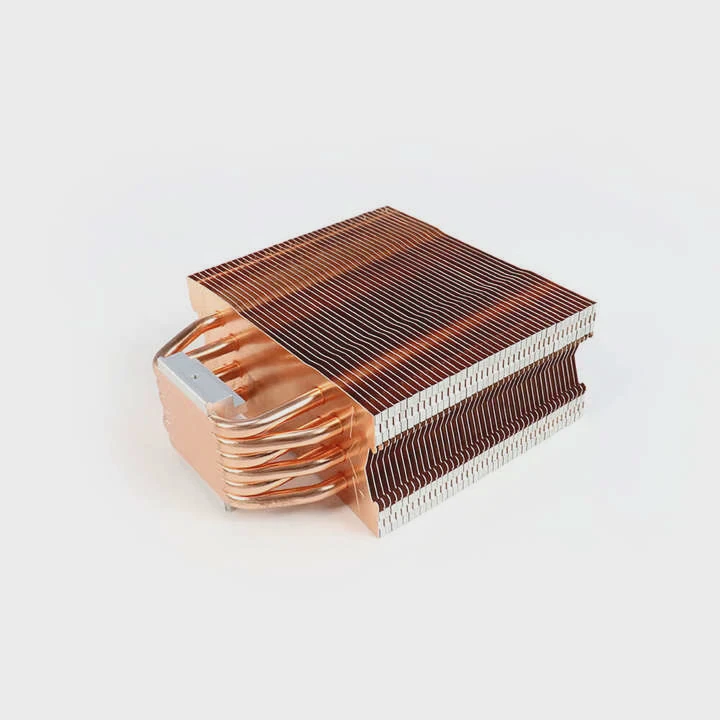
The Relationship Between Temperature and Density
| Temperature Change | Molecular Behavior | Density Effect |
|---|---|---|
| Decrease | Molecules slow and come closer | Density increases |
| Increase | Molecules move apart | Density decreases |
In most liquids, lower temperature means higher density. This is why cooler layers of water sink below warmer layers in oceans or tanks. It creates natural convection currents that circulate heat.
The Anomaly of Water
Water behaves differently. Around 4°C, its density reaches a maximum. When cooled further, it expands slightly before freezing. Ice becomes less dense than water, so it floats. This simple fact is critical for life—lakes freeze from the top, allowing aquatic life to survive below.
Industrial and Scientific Importance
In thermal management systems, density affects how coolant flows. Higher density means slower flow but better heat capacity. Engineers must design cooling circuits that account for these density shifts to maintain performance and prevent pressure build-up.
What are the trends in thermal physics studies?
Thermal physics has become one of the most active fields in modern science. From nanomaterials to AI-driven simulations, researchers are exploring new ways to control heat.
Recent trends in thermal physics include nanoscale heat transfer, phase-change materials, quantum thermodynamics, and energy-efficient cooling systems.
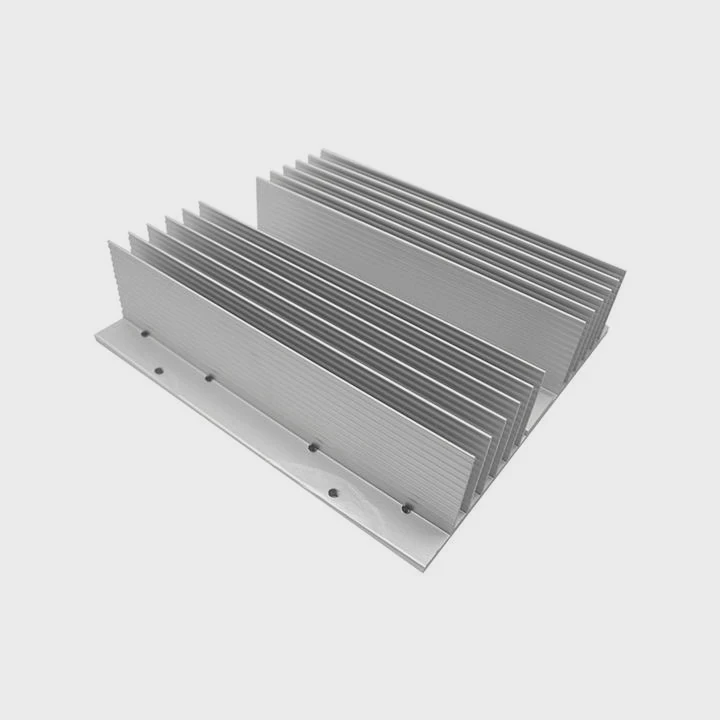
Key Research Directions
- Nanofluid Research
Scientists mix nanoparticles into liquids to enhance heat conductivity. These nanofluids are now used in advanced electronics and renewable energy systems.
- Phase-Change Materials (PCM)
PCMs absorb or release energy during melting and solidification. They are used for passive cooling in buildings and electronics.
- Quantum Heat Transfer
At the atomic scale, heat behaves like discrete packets (phonons). Understanding this leads to more efficient microchips.
- AI-Based Thermal Design
Engineers now use machine learning to simulate and optimize cooling systems. It shortens design time and improves accuracy.
- Sustainable Cooling Solutions
Research is focused on using eco-friendly, recyclable fluids to reduce environmental impact.
Future Perspective
The future of cooling lies in precision and sustainability. We may soon see “smart fluids” that adjust their viscosity or thermal capacity depending on temperature. These fluids will sense and respond to system changes in real-time.
Why It Matters
Thermal control is everywhere—from data centers and electric vehicles to medical lasers. Understanding the cooling behavior of liquids helps industries build safer, longer-lasting systems. It also helps protect our planet through efficient energy use.
Conclusion
When a liquid cools, it slows, contracts, and often becomes denser. Energy leaves the system as heat flows outward. Understanding these changes is key to mastering modern thermal management and guiding new discoveries in physics and engineering.
TAGS
Latest Articles

Volume discount levels for heat sink orders?
Buyers often ask when heat sink prices start to drop with volume. Many worry they’re overpaying for small orders. This guide explains how B2B volume pricing works for thermal components. Heat sink
21 Dec,2025
Heat sink long-term supply contract options?
Many buyers want stable pricing and reliable delivery for heat sinks. But without a clear contract, risks grow over time. This article explores how to secure better long-term supply deals. Long-term
21 Dec,2025
Tooling cost for new heat sink profiles?
Many engineers struggle to understand why tooling for custom heat sinks costs so much. They worry about budgeting and production timelines. This article breaks down the cost drivers behind tooling.
21 Dec,2025
Heat sink custom sample process steps?
Sometimes, starting a custom heat sink project feels overwhelming—too many steps, too many unknowns, and too many risks. You want a sample, but not endless delays. The process for requesting and
20 Dec,2025
Standard B2B terms for heat sink payments?
When buyers and sellers in B2B heat sink markets talk about payment, many don’t fully understand what’s standard. This can lead to delayed orders, miscommunication, and even lost business
20 Dec,2025
Heat sink pricing factors for large orders?
Heat sinks are vital for many systems. When prices rise, projects stall and budgets break. This problem can hit teams hard without warning. Large order heat sink pricing depends on many factors. You
20 Dec,2025Related Articles
- How to know if liquid cooling is working?
- Is liquid cooling high maintenance?
- How to use liquid cooling?
- How to change liquid cooling?
- Is liquid cooling better for CPU?
- Is liquid or air cooling better?
- How Does a Liquid-Cooled Computer Work?
- Is 120mm Liquid Cooling Enough?
- What is the difference between air cooling and liquid cooling?
- Is liquid cooling good?
- Are liquid-cooled computers quieter?
- Is a 120mm liquid cooler enough?
Author
Dr. Emily Chen
Chief AI Researcher
Leading expert in thermal dynamics and AI optimization with over 15 years of experience in data center efficiency research.
Categories
Latest Products






Recommend Categories
- Liquid cooling plate Manufacturer
- Industrial Heat Sink Manufacturer
- Standard Heat Sink Manufacturer
- Aluminum Heat Sink Manufacturer
- Copper Heat Sink Manufacturer
- Anodized Heatsink Manufacturer
- Stamping heat sink Manufacturer
- Die Casting Heatsink Manufacturer
- Soldering heat sink Manufacturer
- CNC Parts Manufacturer
Latest Products
- Wholesale Aluminum Radiator
- Water Cooling Plate Kit
- Water Cooling Heat Sink
- Water Cooling Heat Sink Kit
- Stainless Steel Water Distributor
- Server Water Cooling Plate Kit
- Server Liquid Cooling System
- Server Aluminum Cooling Kit
- S19 Full Cover Cooling Plate
- S19 Cooling Plate Kit
- S19 Aluminum Cooling Plate
Contact Expert
Have questions about this article? Reach out to our experts directly.