Is liquid cooler better?
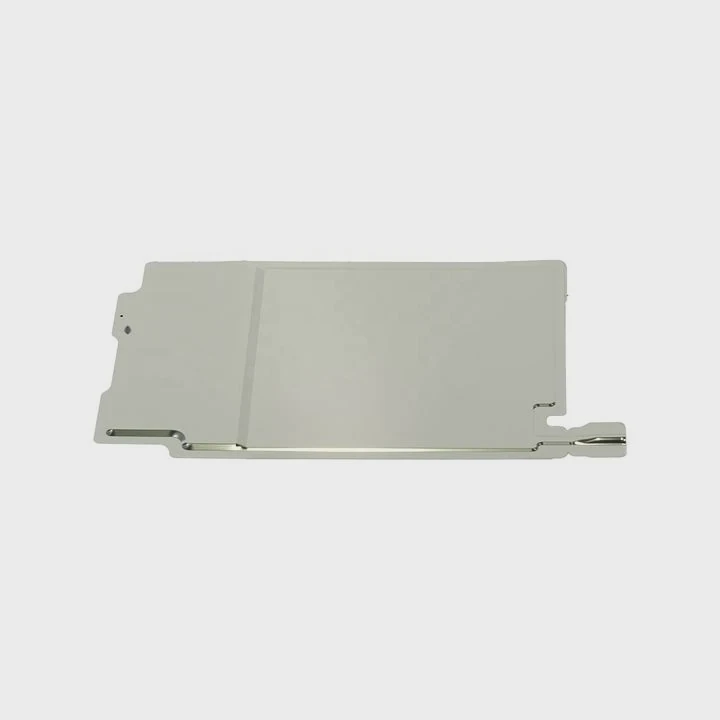
When devices overheat, their performance drops fast. Many users wonder if a liquid cooler can truly make a difference.
A liquid cooler can provide better heat control, lower noise, and longer hardware life compared to air cooling, especially for high-performance systems.
It’s not just about cooling. It’s about balance — between performance, silence, and durability. Let’s look deeper into what makes liquid cooling stand out and how to use it effectively.
What is a liquid cooler?
Overheating is a common issue for CPUs, GPUs, and industrial electronics. Fans can only do so much.
A liquid cooler uses a closed-loop system that circulates coolant to absorb and move heat away from critical components.
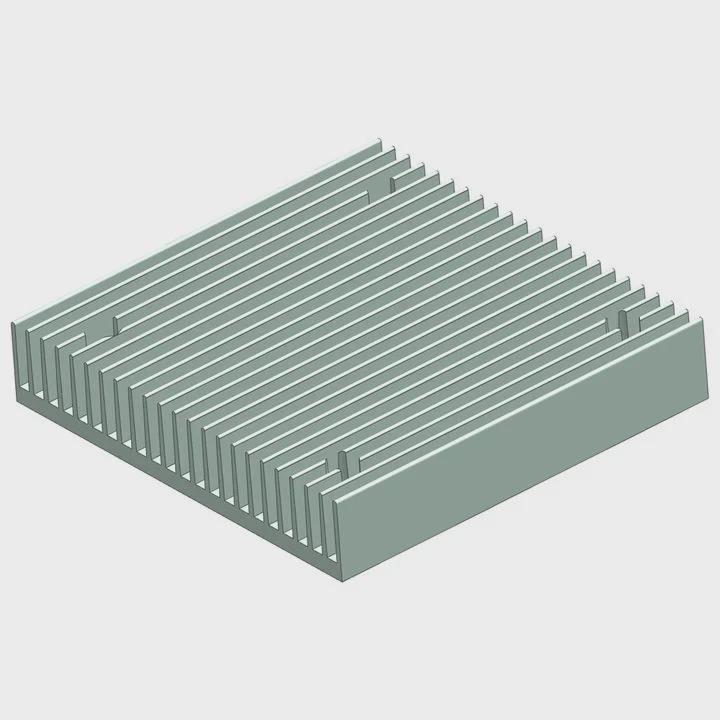
Understanding the system
A standard liquid cooler has three main parts:
- Pump – moves the coolant through the system.
- Radiator – releases the heat into the air.
- Coolant – transfers heat efficiently from the device to the radiator.
Here’s a quick comparison:
| Component | Function | Typical Material |
|---|---|---|
| Pump | Circulates coolant | Ceramic, metal |
| Radiator | Dissipates heat | Aluminum, copper |
| Coolant | Transfers heat | Glycol-based liquid |
How it works in simple terms
When the CPU or GPU gets hot, the coolant absorbs that heat and carries it to the radiator. The radiator, with the help of fans, expels the heat into the surrounding air. This cycle repeats continuously.
This method is more effective than air cooling because liquids conduct heat much faster than air. That’s why it’s widely used in high-performance PCs, industrial power systems, and even electric vehicles.
What advantages does it have?
Too much heat can shorten a machine’s life. Traditional air coolers struggle when workloads get intense.
Liquid cooling offers higher heat transfer efficiency, lower noise, and better thermal stability under heavy use.
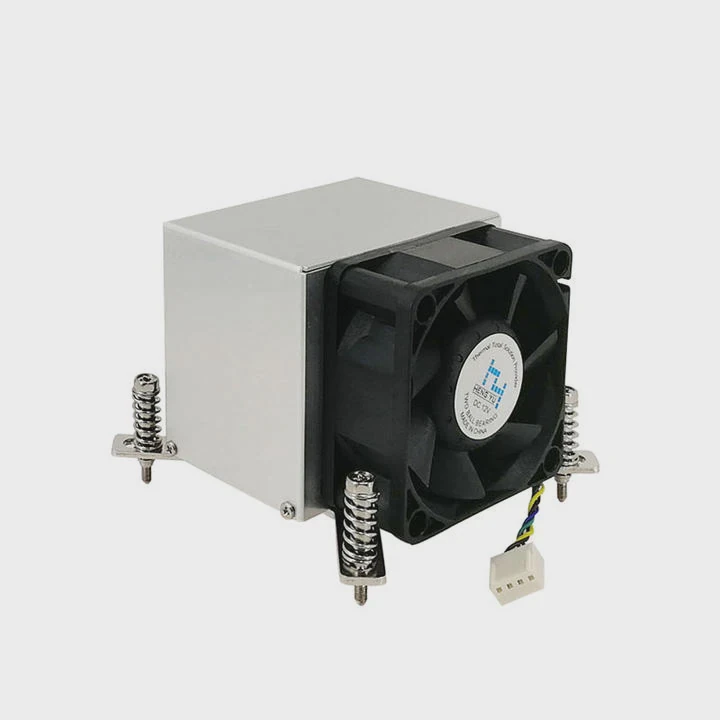
Main benefits
1. Better heat performance
Liquid has a higher heat capacity than air, which means it can absorb and move more heat faster. The temperature difference between the chip and the environment is smaller, keeping performance stable.
2. Reduced noise
Fans in air coolers often spin faster under load, causing loud noise. In a liquid cooler, the pump and radiator fans work more steadily, keeping the system quiet.
3. Longevity
Less heat means slower aging of internal components. This extends the lifespan of CPUs, GPUs, and other electronics.
4. Aesthetic flexibility
Liquid coolers can be designed to fit custom layouts with transparent tubing or RGB lighting. This not only cools effectively but also enhances appearance in gaming or industrial systems.
Performance comparison
| Feature | Liquid Cooler | Air Cooler |
|---|---|---|
| Heat Dissipation | Excellent | Moderate |
| Noise Level | Low | High |
| Maintenance | Moderate | Low |
| Cost | Higher | Lower |
From my own experience in thermal management systems, the improvement in temperature stability was around 15–25% compared to air cooling. That made a big difference in overall performance reliability.
How to use it effectively?
Installing a liquid cooler without care can lead to poor results or even system failure.
To use it effectively, make sure the radiator placement, pump orientation, and airflow direction are all optimized for smooth heat flow.
Key practices for better performance
1. Proper radiator position
Mount the radiator so that the coolant flow stays smooth and bubbles don’t collect near the pump. Usually, the radiator should be placed above or level with the pump.
2. Ensure good airflow
Air must move in one direction — in from the front, out from the back or top. This creates a stable airflow path that removes heat efficiently.
3. Check pump speed
Many systems let you adjust pump speed in BIOS or software. Running it too slow may cause overheating, while running it too fast may cause noise or vibration.
4. Regular inspection
Even though most coolers are sealed, it’s important to inspect the system every 6–12 months. Check for dust buildup, fan noise, and coolant discoloration.
Pro tips
- Use thermal paste correctly between the CPU and cooler base.
- Avoid mixing metal types like copper and aluminum in the same loop to prevent corrosion.
- In industrial systems, add sensors for temperature feedback control.
Using these methods, even small systems can achieve efficient heat removal and stable performance without frequent maintenance.
What are the improvements in cooling technology?
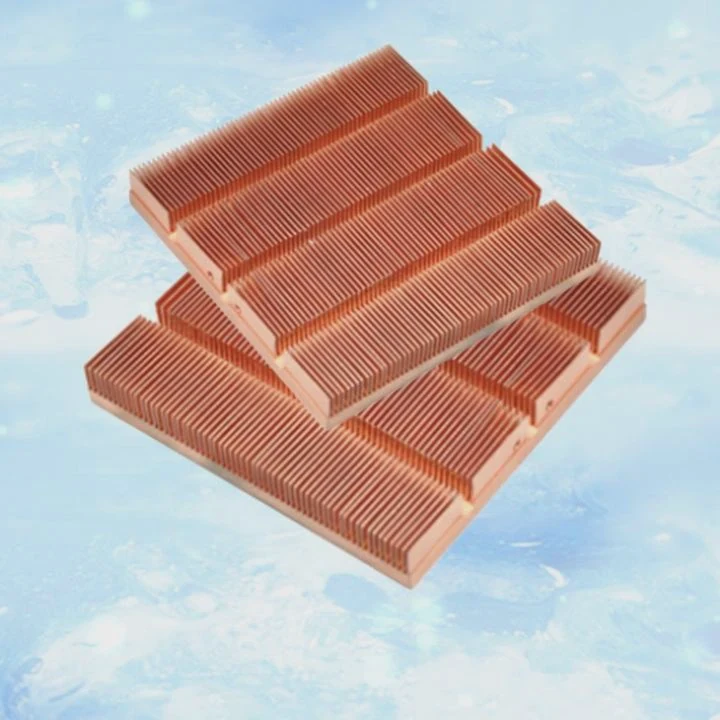
Thermal management is evolving fast. Older systems focused only on airflow, but today’s designs combine multiple heat transfer methods.
Modern cooling technology improves efficiency with advanced materials, smart control systems, and hybrid thermal designs.
New developments
1. Phase-change materials (PCM)
These materials store and release heat by changing phase between solid and liquid. They keep temperature constant for longer periods, useful in power modules and communication devices.
2. Vapor chambers and heat pipes
They use liquid evaporation and condensation inside sealed chambers to move heat evenly. This helps spread heat quickly over a wide surface, reducing hot spots.
3. Microchannel liquid cooling
Coolant passes through very fine channels etched in metal plates. This greatly increases contact area and improves heat removal efficiency — especially for CPUs and high-power modules.
4. Smart control systems
Sensors now monitor temperature and adjust pump or fan speed in real time. This reduces power use while keeping components cool.
Future direction
Next-generation systems will likely use AI-driven thermal control, combining phase-change materials with micro-liquid channels for adaptive cooling. In large industrial systems, cooling modules may integrate with cloud-based monitoring to predict failures before they happen.
Why it matters
Every improvement in cooling efficiency means longer life, more stable output, and lower energy waste. Whether for gaming rigs or high-power inverters, better cooling directly supports performance and sustainability.
Conclusion
Liquid cooling is more than just a fancy feature — it’s an effective way to control heat, reduce noise, and extend system life. With proper setup and maintenance, it can outperform traditional air systems and prepare your hardware for the future of thermal technology.
TAGS
Latest Articles

Volume discount levels for heat sink orders?
Buyers often ask when heat sink prices start to drop with volume. Many worry they’re overpaying for small orders. This guide explains how B2B volume pricing works for thermal components. Heat sink
21 Dec,2025
Heat sink long-term supply contract options?
Many buyers want stable pricing and reliable delivery for heat sinks. But without a clear contract, risks grow over time. This article explores how to secure better long-term supply deals. Long-term
21 Dec,2025
Tooling cost for new heat sink profiles?
Many engineers struggle to understand why tooling for custom heat sinks costs so much. They worry about budgeting and production timelines. This article breaks down the cost drivers behind tooling.
21 Dec,2025
Heat sink custom sample process steps?
Sometimes, starting a custom heat sink project feels overwhelming—too many steps, too many unknowns, and too many risks. You want a sample, but not endless delays. The process for requesting and
20 Dec,2025
Standard B2B terms for heat sink payments?
When buyers and sellers in B2B heat sink markets talk about payment, many don’t fully understand what’s standard. This can lead to delayed orders, miscommunication, and even lost business
20 Dec,2025
Heat sink pricing factors for large orders?
Heat sinks are vital for many systems. When prices rise, projects stall and budgets break. This problem can hit teams hard without warning. Large order heat sink pricing depends on many factors. You
20 Dec,2025Related Articles
- How long does a liquid CPU cooler last?
- How to cool a liquid quickly?
- Is liquid cooling easy to install?
- How to add liquid cooling to GPU?
- What is better, air-cooled or liquid-cooled?
- Is air-cooled or liquid-cooled better?
- Is liquid cooling better than fans?
- Is liquid cooling expensive?
- Does liquid cooling use water?
- How to know if your liquid cooling is working?
- How is coolant circulated in a liquid-cooled eTorque system?
- Is BMW i3 battery liquid cooled?
Author
Dr. Emily Chen
Chief AI Researcher
Leading expert in thermal dynamics and AI optimization with over 15 years of experience in data center efficiency research.
Categories
Latest Products






Recommend Categories
- Liquid cooling plate Manufacturer
- Industrial Heat Sink Manufacturer
- Standard Heat Sink Manufacturer
- Aluminum Heat Sink Manufacturer
- Copper Heat Sink Manufacturer
- Anodized Heatsink Manufacturer
- Stamping heat sink Manufacturer
- Die Casting Heatsink Manufacturer
- Soldering heat sink Manufacturer
- CNC Parts Manufacturer
Latest Products
- Wholesale Aluminum Radiator
- Water Cooling Plate Kit
- Water Cooling Heat Sink
- Water Cooling Heat Sink Kit
- Stainless Steel Water Distributor
- Server Water Cooling Plate Kit
- Server Liquid Cooling System
- Server Aluminum Cooling Kit
- S19 Full Cover Cooling Plate
- S19 Cooling Plate Kit
- S19 Aluminum Cooling Plate
Contact Expert
Have questions about this article? Reach out to our experts directly.