what is a processor heatsink?
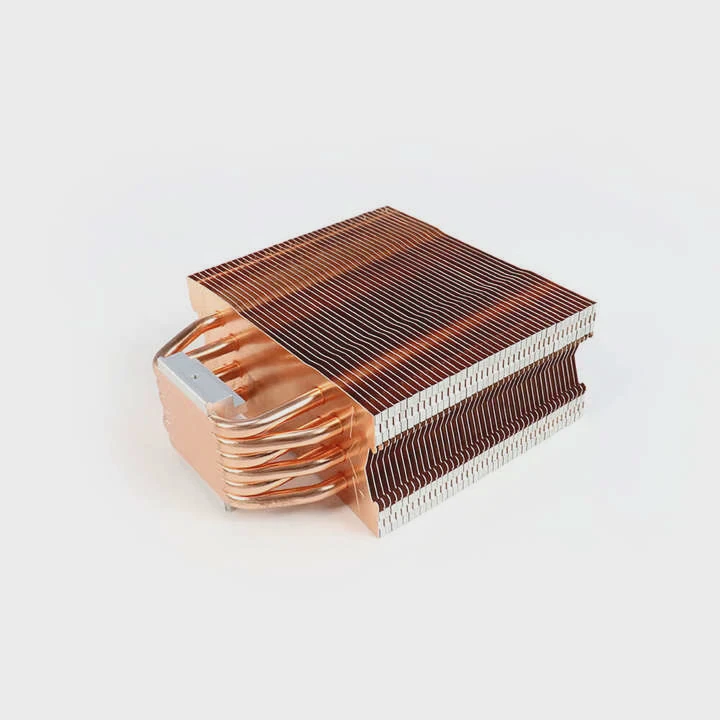
I often hear beginners ask what a processor heatsink really is, because the metal block looks simple but plays a big role in every computer I fix.
A processor heatsink is a metal cooling device that pulls heat away from the CPU so it can stay within safe temperatures. It works by spreading heat across fins and releasing it into the air.
I want to explain this in a clear way because understanding heatsinks helps anyone diagnose slowdowns, noise, or shutdown issues.
Why does the CPU require cooling?
When I first built my own PC, I powered it on without a heatsink just to “see what happens.” The CPU shut down in seconds. That moment showed me how fast heat builds.
A CPU needs cooling because it produces heat during electrical switching, and this heat must escape to prevent thermal throttling, shutdown, or permanent damage.
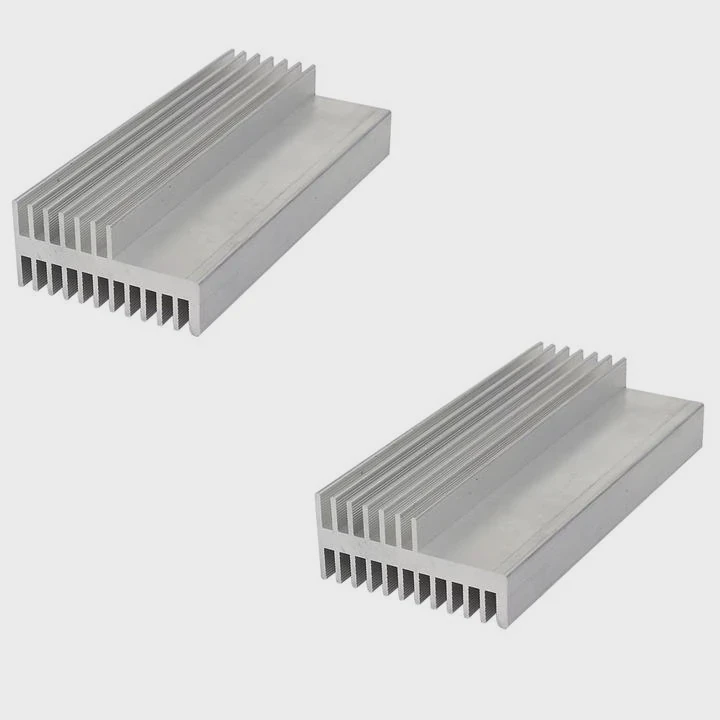
A CPU is full of tiny circuits that open and close millions of times each second. Each switch creates a bit of heat. When all these bits add up, the chip becomes hot very quickly.
How heat builds inside the chip
The chip sits in a small package. This package traps heat. When workloads rise, heat rises faster. If heat does not escape, the chip slows itself down. If it cannot slow enough, it shuts off.
What happens without cooling
I once tested a board with a missing heatsink screw. The cooler sat tilted. The CPU hit high temperatures within seconds. The system froze. This showed me how much a CPU depends on proper contact.
Table: what heat does to a CPU
| Heat Level | Result |
|---|---|
| Mild rise | Fan speeds up |
| High rise | CPU slows (throttles) |
| Very high | System shuts off |
| Extreme | Permanent chip damage |
Extra H3: why cooling protects lifespan
Heat and long-term wear
High heat stresses the tiny transistors inside the CPU. Over years, this stress lowers performance and stability. Cooling keeps these parts stable, so the CPU lasts longer.
This is why every system—from small laptops to servers—needs a reliable heatsink.
How do fins spread heat?
I remember holding my first heatsink and wondering why it had so many thin fins. Later I learned the fins do most of the cooling work.
Fins spread heat by increasing surface area so warm air can leave the metal faster. More surface area means more heat escapes into the air around the heatsink.
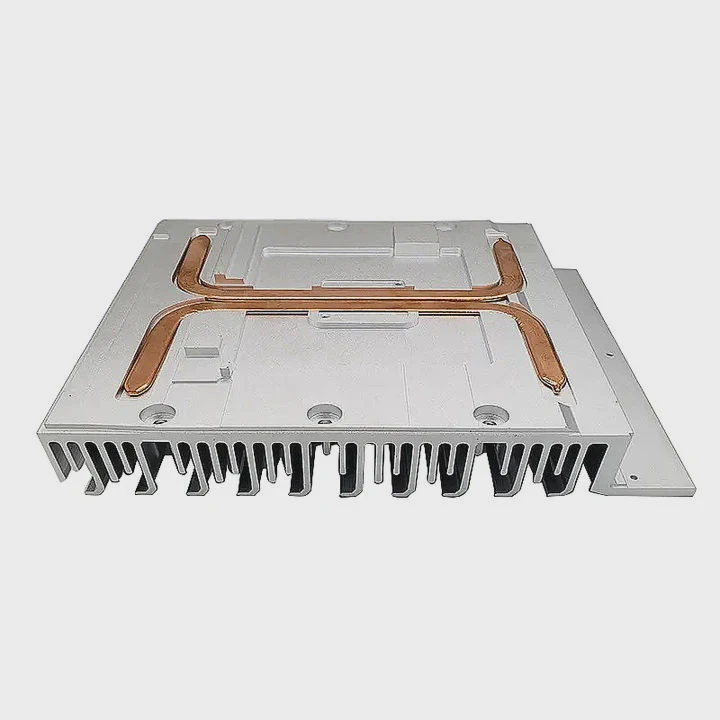
A flat block of metal can hold heat, but it cannot release it fast. Fins fix this problem.
How fins move heat outward
The base touches the CPU. Heat enters the base. The base spreads this heat into the fins. Each fin passes the heat to the air around it. When air moves across these fins, heat escapes.
Why thin fins help
Thin fins cool better because they pack more surface area in a small space. Air can move between them easily. Thick fins heat up and cool down slower.
Here is a simple table comparing fin types:
| Fin Type | Benefit | Drawback |
|---|---|---|
| Thin fins | Fast heat release | Can bend easily |
| Thick fins | Strong structure | Less surface area |
| Wide spacing | Good airflow | Less total area |
| Tight spacing | High area | Harder airflow |
H3: heat transfer path
How heat travels
Heat flows from the CPU → to the base → into the fins → to the air. If one step is slow, cooling weakens. This is why thermal paste, flat bases, and clean fins matter. When all steps work well, temperatures stay low.
When fins struggle
Dust blocks the gaps. This traps warm air. I once fixed a workstation that hit 90°C because dust clogged every channel. After cleaning, temperatures dropped by 25°C. Fins work well only when air can flow.
Which materials conduct best?
When I started comparing heatsinks, I noticed some were copper and some were aluminum. At first I thought copper was always the winner, but the truth is more balanced.
Copper conducts heat very well, aluminum is lighter and cheaper, and combined designs offer strong performance. Each material affects how well heat moves from the CPU to the air.
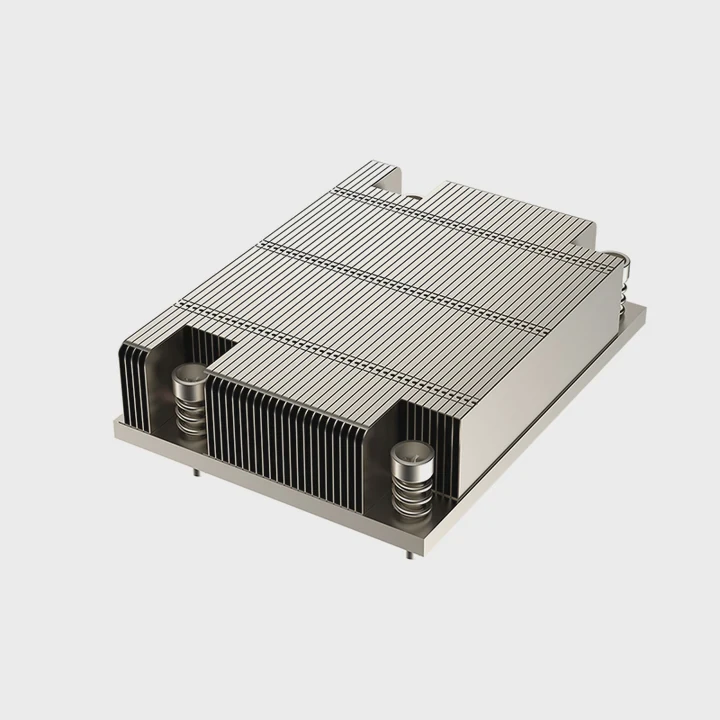
Different materials change how fast heat moves.
Key material traits
Copper moves heat faster than aluminum. This makes copper good for the base or heat pipes. Aluminum is light and easier to shape, so it works well for fins.
Here is a comparison table:
| Material | Thermal Conductivity | Weight | Cost | Notes |
|---|---|---|---|---|
| Copper | High | Heavy | High | Great for base plates |
| Aluminum | Medium | Light | Low | Great for fins |
| Hybrid (Cu+Al) | Balanced | Medium | Medium | Used in many coolers |
Why conductivity matters
A CPU makes heat in one small spot. The base must pull that heat away quickly. If the base conducts slowly, heat builds up under the center. Copper solves this because it conducts heat well.
Why aluminum stays popular
Aluminum coolers are lighter. They do not stress the motherboard. They cost less to produce. Many stock coolers use aluminum because it fits budget builds well.
H3: why combined designs perform well
The hybrid advantage
Many high-end coolers use copper heat pipes with aluminum fins. The copper moves heat fast. The aluminum spreads it and releases it to the air. This mix gives strong cooling without heavy weight.
My experience with materials
I once replaced an aluminum-only cooler with a copper base model on the same system. Temperatures dropped by 8–10°C. This simple change showed me how much the base material matters.
Can designs affect noise levels?
When I repaired office computers, many users complained about “the loud fan.” They blamed the fan, but many times the heatsink shape caused the noise.
Yes. Heatsink design affects noise because fin spacing, airflow paths, and blockage patterns change how air moves. Smooth airflow stays quiet, but tight or uneven fins create turbulence and noise.
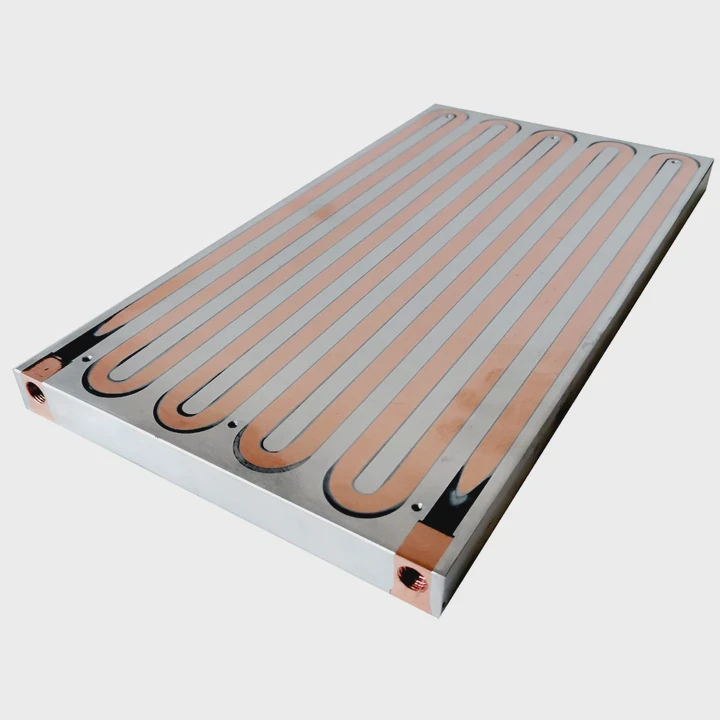
Noise comes from air hitting obstacles. When air cannot flow cleanly through the heatsink, turbulence grows. Turbulence creates whooshing or whistling sounds.
How fin spacing changes noise
Wide fin spacing lets air move smoothly. Tight spacing increases pressure. High pressure makes fans spin faster. Faster fans make more noise.
How shape changes airflow
Some heatsinks guide air straight through. Others bend airflow. If the air hits a sharp corner, it creates turbulence. I once used a cooler with odd diagonal fins. It cooled well but sounded like a wind tunnel.
Table: design factors that raise or reduce noise
| Design Factor | Effect on Noise |
|---|---|
| Tight fins | Higher noise |
| Wide fins | Lower noise |
| Smooth edges | Quiet airflow |
| Sharp edges | Whistling sound |
| Tall stack | Higher airflow resistance |
| Short stack | Easier airflow |
H3: how fan speed reacts
Why higher resistance increases noise
When airflow meets resistance, the fan must work harder. The system raises fan speed to keep temperatures low. Higher fan speeds make more noise. So noise is often a sign of weak airflow inside the heatsink, not only a fan issue.
My real experience
I once swapped a cooler with better airflow but the same fan. Noise dropped by half. The fan did not need to spin fast anymore because the fins let air pass easily. This showed me how design matters as much as the fan itself.
Conclusion
A processor heatsink pulls heat away from the CPU, spreads it through fins, uses good materials to move heat fast, and relies on smart design to stay quiet. These simple ideas keep every system stable and cool.
TAGS
Latest Articles

Volume discount levels for heat sink orders?
Buyers often ask when heat sink prices start to drop with volume. Many worry they’re overpaying for small orders. This guide explains how B2B volume pricing works for thermal components. Heat sink
21 Dec,2025
Heat sink long-term supply contract options?
Many buyers want stable pricing and reliable delivery for heat sinks. But without a clear contract, risks grow over time. This article explores how to secure better long-term supply deals. Long-term
21 Dec,2025
Tooling cost for new heat sink profiles?
Many engineers struggle to understand why tooling for custom heat sinks costs so much. They worry about budgeting and production timelines. This article breaks down the cost drivers behind tooling.
21 Dec,2025
Heat sink custom sample process steps?
Sometimes, starting a custom heat sink project feels overwhelming—too many steps, too many unknowns, and too many risks. You want a sample, but not endless delays. The process for requesting and
20 Dec,2025
Standard B2B terms for heat sink payments?
When buyers and sellers in B2B heat sink markets talk about payment, many don’t fully understand what’s standard. This can lead to delayed orders, miscommunication, and even lost business
20 Dec,2025
Heat sink pricing factors for large orders?
Heat sinks are vital for many systems. When prices rise, projects stall and budgets break. This problem can hit teams hard without warning. Large order heat sink pricing depends on many factors. You
20 Dec,2025Related Articles
- Do you need heatsinks in liquid cooling?
- what is a heatsink and fan?
- which to 220 heatsink?
- do noctua chromax heatsink covers impact?
- how to clean heatsink?
- Do transistors need to have a heatsink?
- Does Coffee Lake come with heatsink and fans?
- a cpu heatsink?
- how to remove hyperx ram heatsink?
- how to connect a heatsink to 7805?
- how to install ryzen heatsink?
- Is heatsink necessary for SSD?
Author
Dr. Emily Chen
Chief AI Researcher
Leading expert in thermal dynamics and AI optimization with over 15 years of experience in data center efficiency research.
Categories
Latest Products






Recommend Categories
- Liquid cooling plate Manufacturer
- Industrial Heat Sink Manufacturer
- Standard Heat Sink Manufacturer
- Aluminum Heat Sink Manufacturer
- Copper Heat Sink Manufacturer
- Anodized Heatsink Manufacturer
- Stamping heat sink Manufacturer
- Die Casting Heatsink Manufacturer
- Soldering heat sink Manufacturer
- CNC Parts Manufacturer
Latest Products
- Wholesale Aluminum Radiator
- Water Cooling Plate Kit
- Water Cooling Heat Sink
- Water Cooling Heat Sink Kit
- Stainless Steel Water Distributor
- Server Water Cooling Plate Kit
- Server Liquid Cooling System
- Server Aluminum Cooling Kit
- S19 Full Cover Cooling Plate
- S19 Cooling Plate Kit
- S19 Aluminum Cooling Plate
Contact Expert
Have questions about this article? Reach out to our experts directly.