Is air cooling better than liquid cooling?
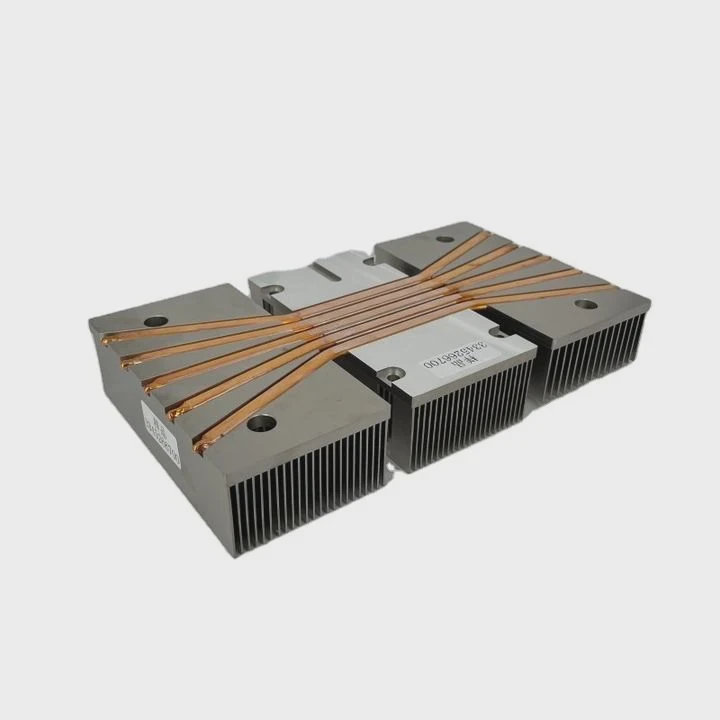
When your computer heats up, its speed and stability drop. Many users ask if air cooling is enough or if liquid cooling is a better choice.
Air cooling is simpler and cheaper, while liquid cooling offers better heat control and quieter performance for high-end PCs. The right choice depends on your budget, usage, and performance needs.
Choosing between air and liquid cooling is like choosing between a fan and an air conditioner. Both cool you down, but in very different ways. Let’s look closer at how they work.
What are air and liquid cooling systems?
Overheating is one of the most common issues in modern computers. Cooling systems keep CPUs and GPUs running safely and efficiently.
Air cooling uses fans and metal heat sinks, while liquid cooling uses circulating fluid to move heat away from components. Both aim to maintain safe operating temperatures, but their methods and performance vary.
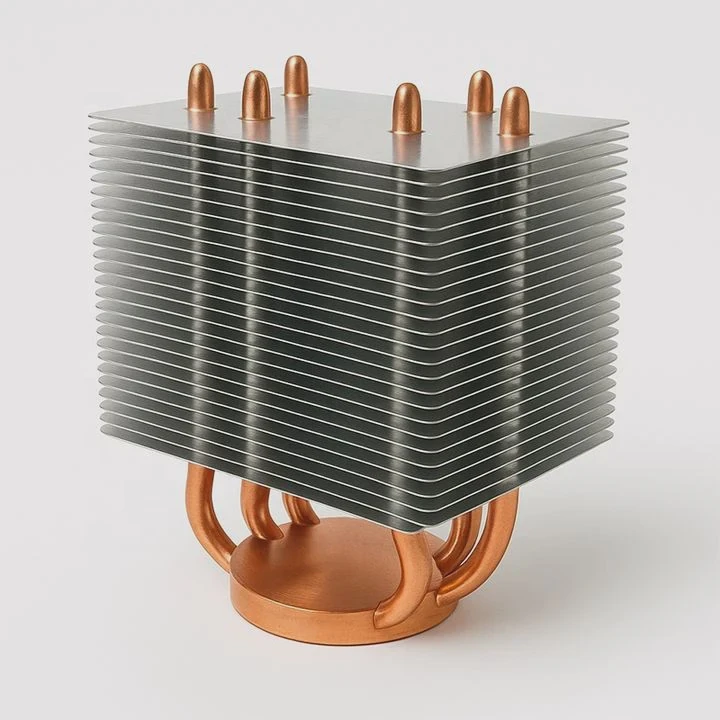
How each system works
| Cooling Type | Working Principle | Main Components |
|---|---|---|
| Air Cooling | Transfers heat through a metal heat sink and fans | Heat sink, fan, thermal paste |
| Liquid Cooling | Circulates coolant to absorb and dissipate heat via radiator | Water block, pump, tubes, radiator, fans |
A closer look at both systems
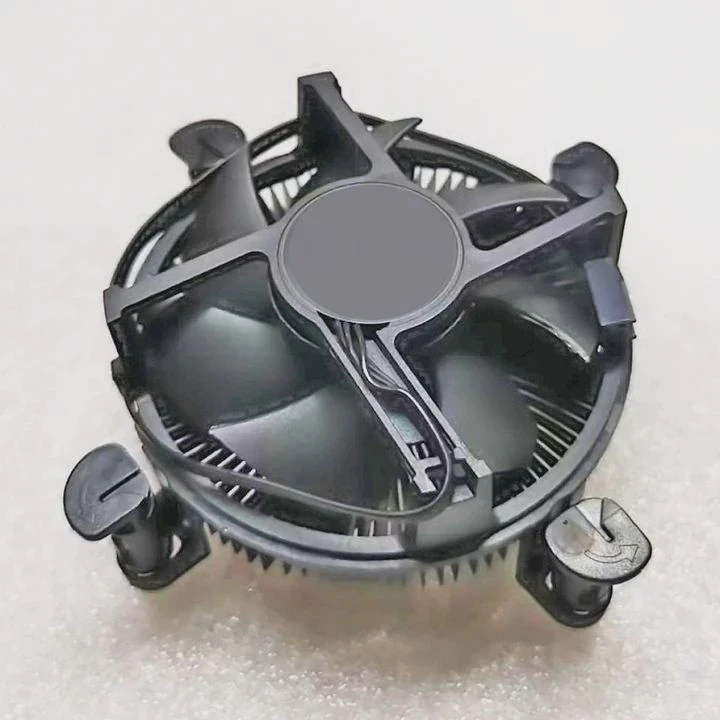
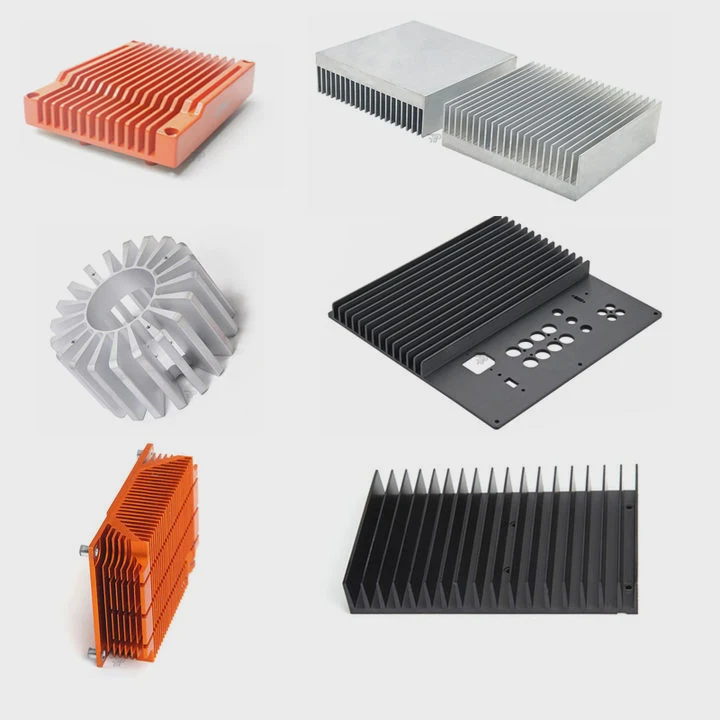
In air cooling, heat from the CPU is absorbed by a heat sink, usually made of aluminum or copper. A fan blows air through the fins, pushing hot air away from the system. This method is reliable and easy to maintain.
In liquid cooling, a coolant flows through tubes and water blocks, carrying heat to a radiator where fans release it into the air. It is more complex but also more efficient, especially under heavy loads.
What are their pros and cons?
Both air and liquid cooling have strong points and trade-offs. Your choice should depend on how you use your PC and what performance you expect.
Air cooling is cheaper and simpler, while liquid cooling provides better heat dissipation and quieter operation.
Comparison Table
| Feature | Air Cooling | Liquid Cooling |
|---|---|---|
| Cost | Lower | Higher |
| Installation | Easy | Moderate to complex |
| Maintenance | Minimal | Requires checks and refills |
| Cooling Efficiency | Good | Excellent |
| Noise Level | Louder under load | Quieter |
| Aesthetic Appeal | Basic look | Sleek and customizable |
| Risk of Leakage | None | Possible (in rare cases) |
| Lifespan | Long | Varies with maintenance |
Key takeaways
Air coolers are great for budget builds or mid-range PCs. They are easy to install and almost maintenance-free. However, they can get loud and might struggle with very high temperatures.
Liquid cooling, on the other hand, offers better temperature control and less noise, making it ideal for high-performance systems, gaming rigs, or workstations. The downside is its cost, complex setup, and leak risk.
So, the better choice depends on what matters most: simplicity and reliability, or top performance and silence.
How to choose the right type for your PC?
Choosing between air and liquid cooling depends on how you use your computer and your personal preferences.
Pick air cooling for everyday use and cost efficiency; choose liquid cooling for high-performance, overclocked, or quiet systems.
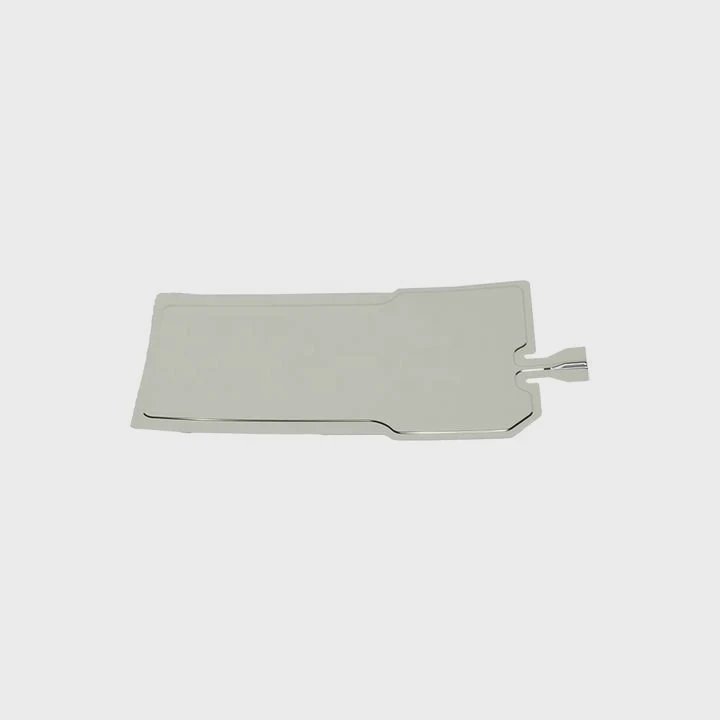
Factors to consider
| Factor | Best Choice | Why |
|---|---|---|
| Budget | Air Cooling | Cheaper upfront and low maintenance |
| Performance Needs | Liquid Cooling | Handles heavy workloads and overclocking |
| Noise Preference | Liquid Cooling | Quieter at high speeds |
| Space & Case Size | Air Cooling | Easier to fit in smaller cases |
| Aesthetic Design | Liquid Cooling | Sleek look with RGB and clear tubes |
| Maintenance Comfort | Air Cooling | Less technical work required |
Practical examples
If you mostly browse, stream, and play light games, air cooling will meet your needs perfectly.
If you use your computer for 3D rendering, gaming at high settings, or overclocking, you’ll benefit from liquid cooling. It keeps temperatures stable, even when your CPU and GPU are pushed to their limits.
Some users prefer hybrid systems that combine both — air-cooled VRMs and liquid-cooled CPUs — for balance between performance and simplicity.
What are the latest cooling performance trends?
Cooling technology is advancing fast, driven by the growing demand for smaller, faster, and more powerful processors.
New cooling systems combine smart controls, modular design, and environmentally friendly materials for better performance and sustainability.
New directions in cooling performance
| Trend | Description |
|---|---|
| AI-powered cooling | Uses sensors to adjust fan and pump speeds automatically |
| Dual-loop liquid cooling | Separates CPU and GPU loops for higher efficiency |
| Low-noise air towers | Larger fans and better fin designs reduce noise |
| Eco-friendly coolant | New fluids with low environmental impact |
| Integrated cooling designs | PC cases with built-in radiators and airflow paths |
What’s next for PC cooling
Manufacturers are focusing on smart thermal management, where software monitors temperature, fan speed, and coolant flow in real time. This automation helps maintain balance between performance and noise.
Another key development is the integration of cooling into the system design itself. Many new PC cases now come with pre-mounted radiators, improved airflow channels, and easy-access maintenance panels.
On the materials side, nanofluids and advanced aluminum alloys are being developed for more efficient heat transfer. These innovations allow smaller coolers to handle more heat while using less power.
The future of PC cooling will be smarter, cleaner, and more integrated, with both air and liquid systems evolving side by side to meet different user needs.
Conclusion
Air and liquid cooling both play important roles in modern computing. Air cooling remains a solid, low-cost option for most users, while liquid cooling leads in efficiency and silence. The best choice depends on your goals — performance or practicality.
TAGS
Latest Articles

Volume discount levels for heat sink orders?
Buyers often ask when heat sink prices start to drop with volume. Many worry they’re overpaying for small orders. This guide explains how B2B volume pricing works for thermal components. Heat sink
21 Dec,2025
Heat sink long-term supply contract options?
Many buyers want stable pricing and reliable delivery for heat sinks. But without a clear contract, risks grow over time. This article explores how to secure better long-term supply deals. Long-term
21 Dec,2025
Tooling cost for new heat sink profiles?
Many engineers struggle to understand why tooling for custom heat sinks costs so much. They worry about budgeting and production timelines. This article breaks down the cost drivers behind tooling.
21 Dec,2025
Heat sink custom sample process steps?
Sometimes, starting a custom heat sink project feels overwhelming—too many steps, too many unknowns, and too many risks. You want a sample, but not endless delays. The process for requesting and
20 Dec,2025
Standard B2B terms for heat sink payments?
When buyers and sellers in B2B heat sink markets talk about payment, many don’t fully understand what’s standard. This can lead to delayed orders, miscommunication, and even lost business
20 Dec,2025
Heat sink pricing factors for large orders?
Heat sinks are vital for many systems. When prices rise, projects stall and budgets break. This problem can hit teams hard without warning. Large order heat sink pricing depends on many factors. You
20 Dec,2025Related Articles
- How to setup liquid CPU cooler?
- How Hard Is It to Install Liquid Cooling?
- Where to install a liquid CPU cooler?
- Does liquid cooling increase performance?
- What is liquid cooling for computers?
- Is liquid cooling quieter?
- How to liquid cool?
- How to set up a liquid cooler?
- How Expensive Is Liquid Cooling?
- Is air cooling or liquid cooling better?
- What is liquid cooling system?
- What does liquid cooled engine mean?
Author
Dr. Emily Chen
Chief AI Researcher
Leading expert in thermal dynamics and AI optimization with over 15 years of experience in data center efficiency research.
Categories
Latest Products






Recommend Categories
- Liquid cooling plate Manufacturer
- Industrial Heat Sink Manufacturer
- Standard Heat Sink Manufacturer
- Aluminum Heat Sink Manufacturer
- Copper Heat Sink Manufacturer
- Anodized Heatsink Manufacturer
- Stamping heat sink Manufacturer
- Die Casting Heatsink Manufacturer
- Soldering heat sink Manufacturer
- CNC Parts Manufacturer
Latest Products
- Wholesale Aluminum Radiator
- Water Cooling Plate Kit
- Water Cooling Heat Sink
- Water Cooling Heat Sink Kit
- Stainless Steel Water Distributor
- Server Water Cooling Plate Kit
- Server Liquid Cooling System
- Server Aluminum Cooling Kit
- S19 Full Cover Cooling Plate
- S19 Cooling Plate Kit
- S19 Aluminum Cooling Plate
Contact Expert
Have questions about this article? Reach out to our experts directly.