is paste on new heatsink enough?
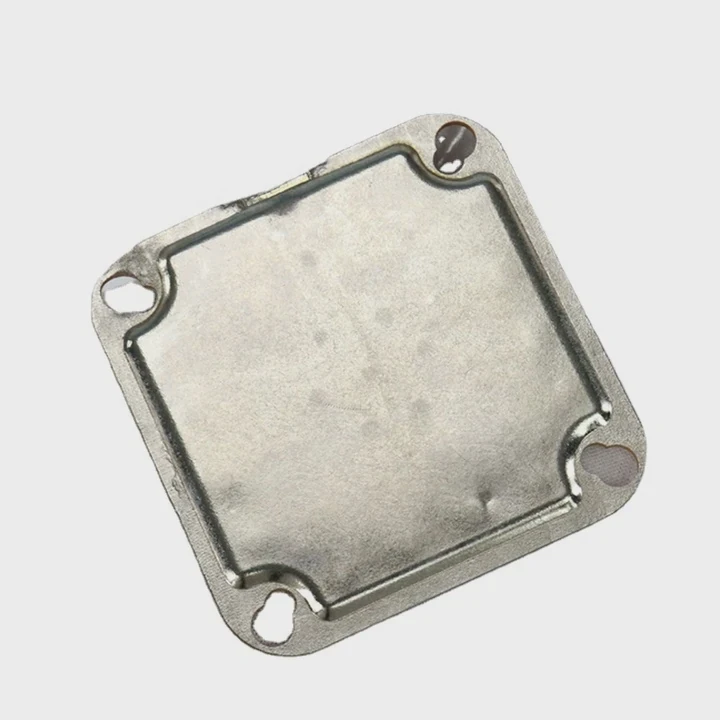
Many users install a new heatsink straight out of the box and assume the pre-applied paste is always perfect.
Paste on a new heatsink is often enough for basic use, but storage time, uneven pads, and specific workloads may require adding fresh thermal compound for best cooling performance.
I have seen many new coolers work well with factory paste, and others fail because the paste aged or applied unevenly.
Why pre-applied paste may dry?
Pre-applied thermal paste sits on the heatsink surface from the moment it is manufactured. Time, temperature, and exposure affect it.
Pre-applied paste may dry because long storage, warehouse temperature changes, and older manufacturing batches cause the compound to lose softness and proper spreadability.
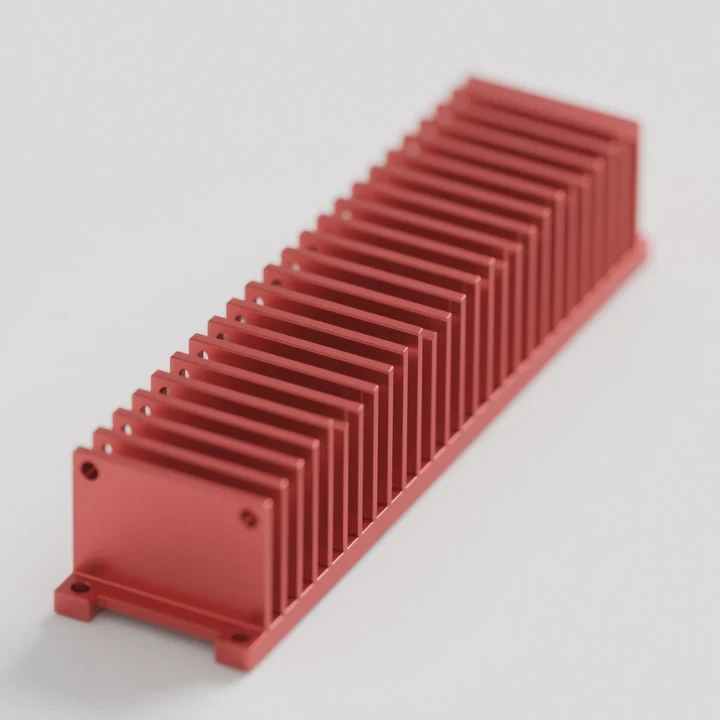
Why paste dries during storage
Thermal compounds contain oils that evaporate slowly over time. If the cooler sits for months or years, the paste hardens.
Paste aging signs
| Condition | Effect |
|---|---|
| Fresh | Soft and smooth |
| Slightly dry | Grainy texture |
| Hardened | Cracked surface |
A deeper look at paste aging
Manufacturers apply thermal paste in controlled conditions, but once packaged, the cooler may sit in storage for long periods. Heat during transportation or warm warehouses dries the compound. Even a sealed cooler can lose moisture slowly through micro-gaps in packaging.
When paste dries, it loses the ability to fill microscopic air pockets between the CPU and heatsink. This increases thermal resistance. A dried layer becomes stiff and spreads poorly when pressure applies. The heatsink may still mount correctly, but heat transfer weakens.
Some budget coolers use low-cost compound that dries faster. Even brand-new units may show cracking along the edges. A cooler bought secondhand or from slow-moving inventory has an even higher chance of containing aged paste.
Knowing that paste can degrade before installation helps users decide when fresh paste is needed.
Which cases need fresh paste?
Not all builds need new paste, but some situations demand a better thermal compound for safe operation.
Fresh paste is needed when running high-performance CPUs, using aftermarket coolers, overclocking, or when the factory paste looks dried, uneven, or low quality.
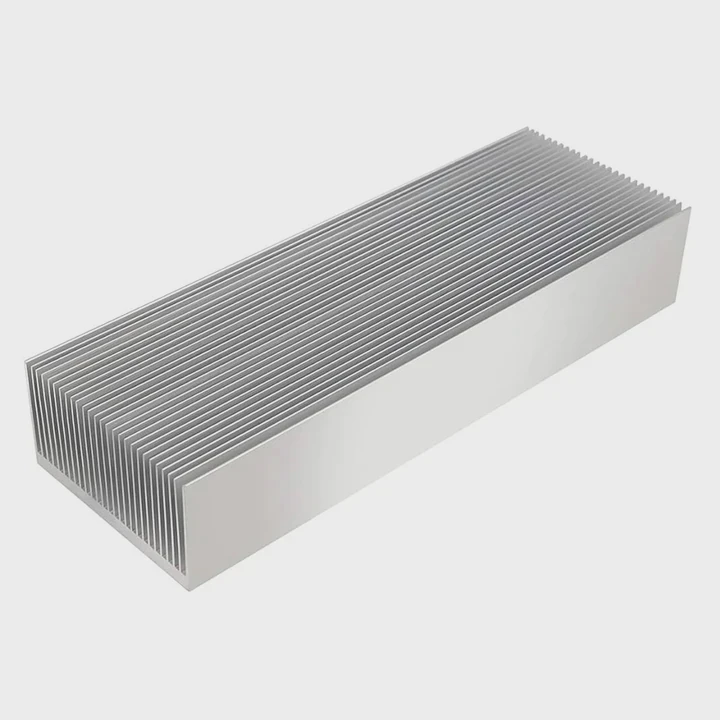
Why fresh paste matters in certain builds
Performance processors create heavy heat. Factory paste may not handle sustained thermal load as well as high-quality aftermarket compounds.
Cases needing repaste
| Situation | Reason |
|---|---|
| High-power CPU | Stronger cooling needed |
| Overclocking | Lower temps required |
| Old stock paste | Weak performance |
| High ambient heat | Better spread needed |
A deeper look at repaste situations
Modern CPUs boost aggressively. These boosts push voltage and heat production upward. Factory-applied paste works for typical loads, but sustained heavy work—such as gaming, editing, simulations, or compiling code—generates more heat than the pre-applied layer can handle.
Overclocking amplifies this effect. Higher clocks demand better cooling. A thin or low-grade factory paste cannot spread heat fast enough. Premium pastes provide superior conductivity and maintain consistent performance over longer intervals.
Old or dusty stock from warehouses often includes paste that is past its prime. Users opening a cooler may notice the paste feels rubbery or flaky. Replacing it avoids poor performance right from the start.
Systems operating in hot climates also benefit from fresh paste. High ambient temperature reduces heat transfer efficiency. Using a fresh, high-performance compound helps compensate for warm environments.
Fresh paste offers predictable performance, especially when consistent cooling is necessary.
Can uneven pads hurt cooling?
While most new heatsinks apply paste evenly, some units arrive with uneven pads or inconsistent layers.
Uneven pads can hurt cooling because gaps, thick patches, or missing areas create air pockets that prevent proper heat transfer between the CPU and heatsink.
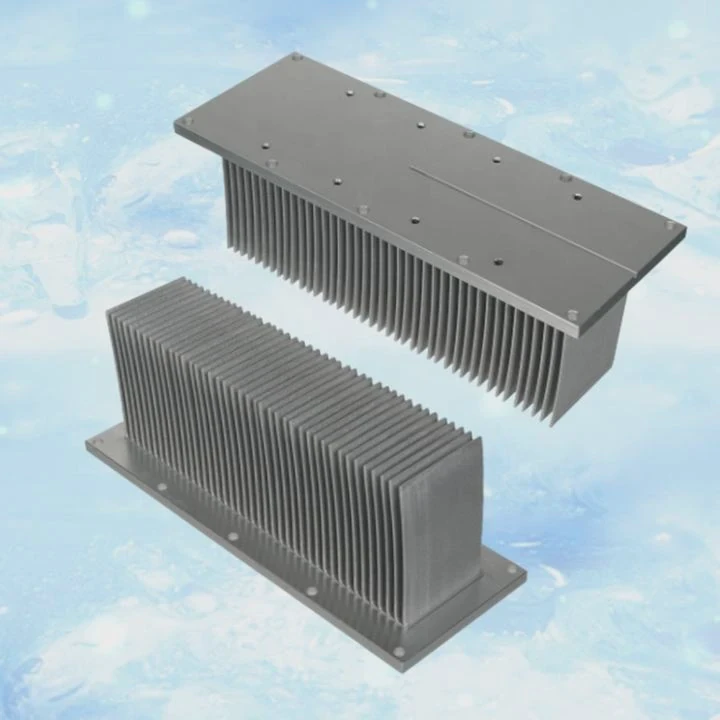
Why uneven surfaces matter
Thermal paste must fill microscopic valleys. Uneven pads create thick spots that act like insulators instead of conductors.
Common uneven paste issues
| Issue | Impact |
|---|---|
| Thick corner | Poor coverage |
| Thin center | Hotspot risk |
| Missing patch | Air gap |
A deeper look at uneven paste problems
Heatsinks must contact the CPU heat spreader evenly. If the paste layer applied at the factory forms ridges or clumps, the heatsink does not sit flat. Thick spots prevent full metal-to-metal proximity, causing overheating under load.
Thin or missing areas cause hotspots. The CPU transfers heat unevenly, and temperature spikes appear in monitoring software. Even small patches missing from the paste layer make the CPU throttle sooner.
Some coolers use thermal pads instead of paste. Pads compress and work well on VRMs or memory, but they perform poorly on CPUs. If a cooler uses a pad with uneven thickness, the pressure distributes unevenly. This widens tiny gaps and reduces thermal efficiency.
Installing an expensive heatsink with uneven paste wastes its performance potential. Fixing the pad or reapplying fresh paste solves these issues.
Should paste be checked before mounting?
Many people trust the factory layer without inspecting it. A quick check prevents installation problems.
Paste should be checked before mounting because confirming texture, coverage, and softness ensures proper heat transfer and avoids overheating after the system boots.
Why a visual check helps
Inspecting the cooler takes a few seconds. It avoids discovering thermal issues later during load tests.
What to check
| Check Item | Why It Matters |
|---|---|
| Coverage pattern | Ensures full contact |
| Paste condition | Confirms proper texture |
| Contamination | Prevents dust pockets |
A deeper look at pre-installation checks
Visual inspection reveals problems quickly. The paste should appear smooth and uniform. If the layer looks cracked, dried, or dirty, removing it and applying fresh paste yields much better results. Dust or fibers caught in the paste reduce conductivity.
Touching the paste lightly helps assess texture. Soft and slightly sticky paste offers proper performance. If it feels rubbery, crumbly, or dry, it will not spread well under pressure.
Some coolers include plastic films over the paste for protection. Forgetting to remove these films causes near-instant overheating. Checking ahead prevents this mistake.
Ensuring good paste condition reduces thermal surprises when the system operates for the first time.
Conclusion
Pre-applied paste on a new heatsink can be enough for basic use, but aging, uneven coverage, heavy workloads, and quality differences make checking the paste worthwhile. Fresh compound ensures strong thermal contact and keeps components cool under demanding tasks.
TAGS
Latest Articles

Volume discount levels for heat sink orders?
Buyers often ask when heat sink prices start to drop with volume. Many worry they’re overpaying for small orders. This guide explains how B2B volume pricing works for thermal components. Heat sink
21 Dec,2025
Heat sink long-term supply contract options?
Many buyers want stable pricing and reliable delivery for heat sinks. But without a clear contract, risks grow over time. This article explores how to secure better long-term supply deals. Long-term
21 Dec,2025
Tooling cost for new heat sink profiles?
Many engineers struggle to understand why tooling for custom heat sinks costs so much. They worry about budgeting and production timelines. This article breaks down the cost drivers behind tooling.
21 Dec,2025
Heat sink custom sample process steps?
Sometimes, starting a custom heat sink project feels overwhelming—too many steps, too many unknowns, and too many risks. You want a sample, but not endless delays. The process for requesting and
20 Dec,2025
Standard B2B terms for heat sink payments?
When buyers and sellers in B2B heat sink markets talk about payment, many don’t fully understand what’s standard. This can lead to delayed orders, miscommunication, and even lost business
20 Dec,2025
Heat sink pricing factors for large orders?
Heat sinks are vital for many systems. When prices rise, projects stall and budgets break. This problem can hit teams hard without warning. Large order heat sink pricing depends on many factors. You
20 Dec,2025Related Articles
- does a heatsink need to be plugged in?
- how to remove xbox one heatsink?
- do you need a ssd heatsink if motherboard has one?
- how to remove gpu heatsink screws?
- what type of heatsink does asus use laptop?
- will an older cpu heatsink fit on a 6700k?
- Is it hard to install a heatsink to a CPU?
- How to get legendary heatsinks?
- Are gigabyte m.2 heatsinks good?
- do you have to reapply thermal paste after removing heatsink?
- Can you run a computer without a heatsink CPU fan?
- Does air blow through heatsink?
Author
Dr. Emily Chen
Chief AI Researcher
Leading expert in thermal dynamics and AI optimization with over 15 years of experience in data center efficiency research.
Categories
Latest Products
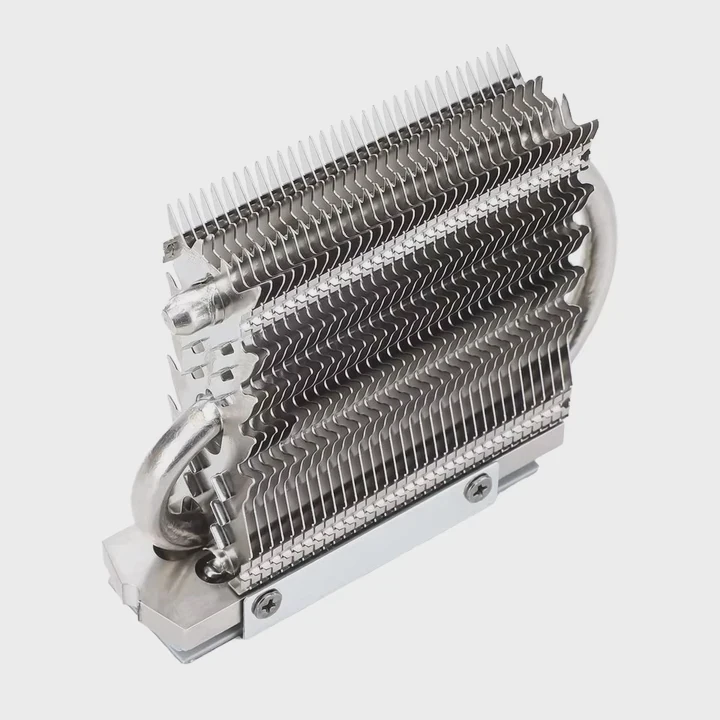
M.2 Heatpipe Heatsink With Dual Fans For Pc Case
19 Mar,2026
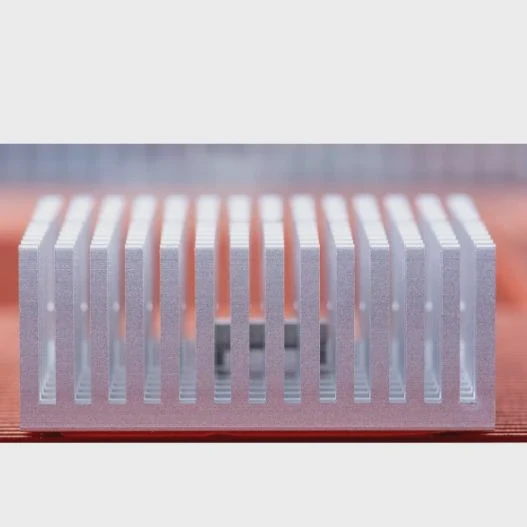
Heavy-Duty Aluminum Heat Sink Custom
19 Mar,2026
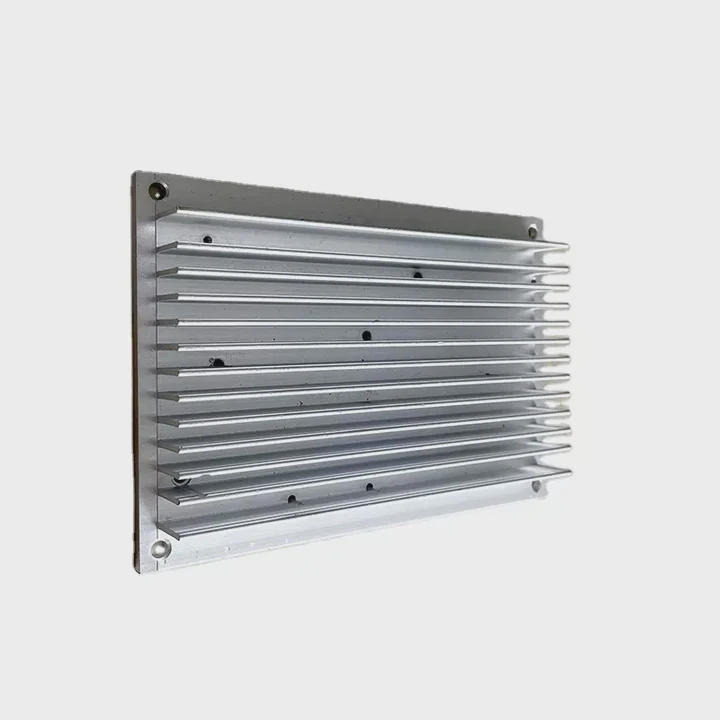
Oem Skived Fin Heatsink Aluminum Radiator For Plants
19 Mar,2026
Water Cooled Cnc Aluminum Heat Sink For Medical
19 Mar,2026
High Density 6000 Series Aluminum Heat Sink Profile
19 Mar,2026
High-Density Extruded Aluminum & Bonded-Fin Heat Sink Profile
19 Mar,2026
Recommend Categories
- Liquid cooling plate Manufacturer
- Industrial Heat Sink Manufacturer
- Standard Heat Sink Manufacturer
- Aluminum Heat Sink Manufacturer
- Copper Heat Sink Manufacturer
- Anodized Heatsink Manufacturer
- Stamping heat sink Manufacturer
- Die Casting Heatsink Manufacturer
- Soldering heat sink Manufacturer
- CNC Parts Manufacturer
Latest Products
- M.2 Heatpipe Heatsink With Dual Fans For Pc Case
- Heavy-Duty Aluminum Heat Sink Custom
- Oem Skived Fin Heatsink Aluminum Radiator For Plants
- Water Cooled Cnc Aluminum Heat Sink For Medical
- High Density 6000 Series Aluminum Heat Sink Profile
- High-Density Extruded Aluminum & Bonded-Fin Heat Sink Profile
- Dongguan Cnc Aluminum Heat Sink For Led & Brass Parts
- Wholesale Cnc Aluminum Heat Sink - Custom Extruded
- Led Cnc Round Heat Sink With Screw Holes
- Copper Pin-Fin Heat-Sink Large-Area For Photoled Cooling
- Telecom Heatsink Zipper Fin Wcopper Tubes Oem
Contact Expert
Have questions about this article? Reach out to our experts directly.