what type of heatsink does asus use laptop?
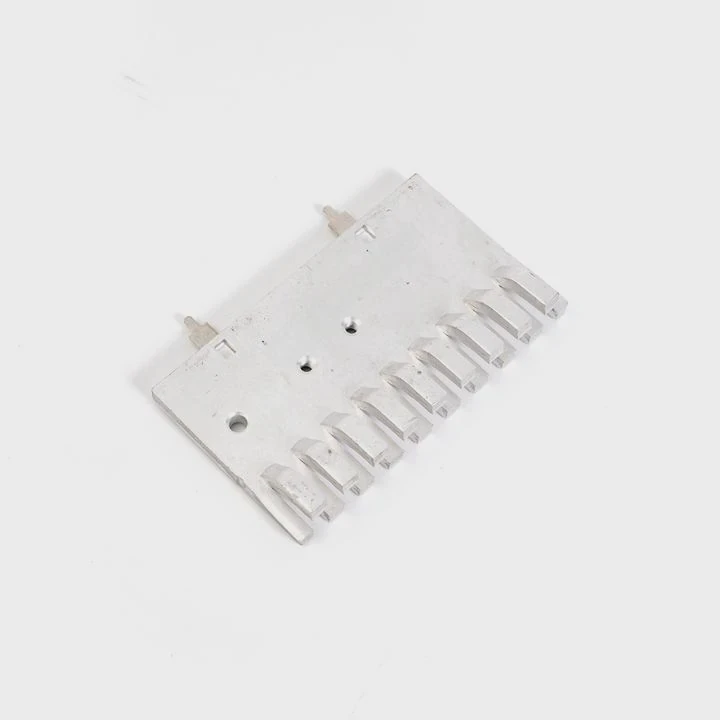
Many laptop buyers notice the metal pipes and thin fins inside ASUS systems but do not know how these parts work or why ASUS uses certain cooling structures.
ASUS laptops mainly use heatpipe-based heatsinks with copper or hybrid metal designs, paired with thin fin stacks and tailored layouts to balance cooling, size, and portability. Premium models may include vapor chambers for stronger thermal performance.
I have worked with many ASUS machines where cooling layout made a big difference in performance. Understanding these heatsinks helps explain why some models run cooler than others.
Why ultrabooks use heatpipes?
Ultrabooks rely on slim profiles, low weight, and compact internal layouts. These limits shape how cooling must work inside the chassis.
Ultrabooks use heatpipes because heatpipes move heat quickly from the CPU and GPU to a distant fin stack, remain thin enough for narrow chassis designs, and deliver stable cooling without bulky metal blocks.
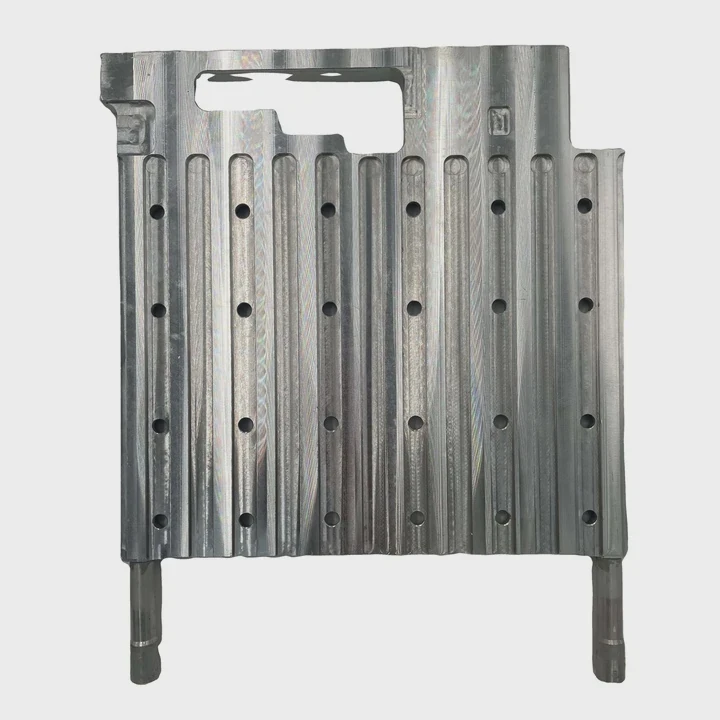
Why heatpipes fit thin devices
Heatpipes spread heat along a sealed tube using internal fluid and pressure. This movement is fast and efficient even when space is tight.
Heatpipe benefits in ultrabooks
| Feature | Benefit |
|---|---|
| Thin shape | Fits tight layouts |
| Fast heat movement | Keeps hotspots low |
| Lightweight | Reduces device weight |
A deeper look at heatpipe function
Heatpipes carry heat away from the CPU and GPU by evaporating a fluid inside a sealed tube. When the processor warms the pipe, the fluid evaporates and moves toward cooler areas. Once it reaches the fin stack, the vapor condenses and releases heat. This cycle repeats quickly and quietly.
ASUS uses heatpipes because they can bend around internal parts. They pass through narrow gaps between battery cells, Wi-Fi modules, and speakers. Heatpipes also spread heat across a wider area before the fans push air through the fins. This spread prevents hotspots inside slim ultrabooks, where space for airflow is already small.
Compared with solid metal blocks, heatpipes remove heat faster. They do not rely on mass alone. This makes them ideal for ultrabooks that cannot afford thick copper plates. Even mid-range ASUS laptops use at least one CPU heatpipe, and higher-end models use two or more heatpipes to balance cooling across the system.
Which materials improve cooling?
Different laptop heatsinks use different metals. Material choice affects how quickly heat spreads, how heavy the device becomes, and how long cooling stays stable under load.
Materials that improve cooling in ASUS laptops include copper for heatpipes, aluminum for fins, and hybrid structures that mix copper bases with aluminum stacks for balanced performance and low weight.
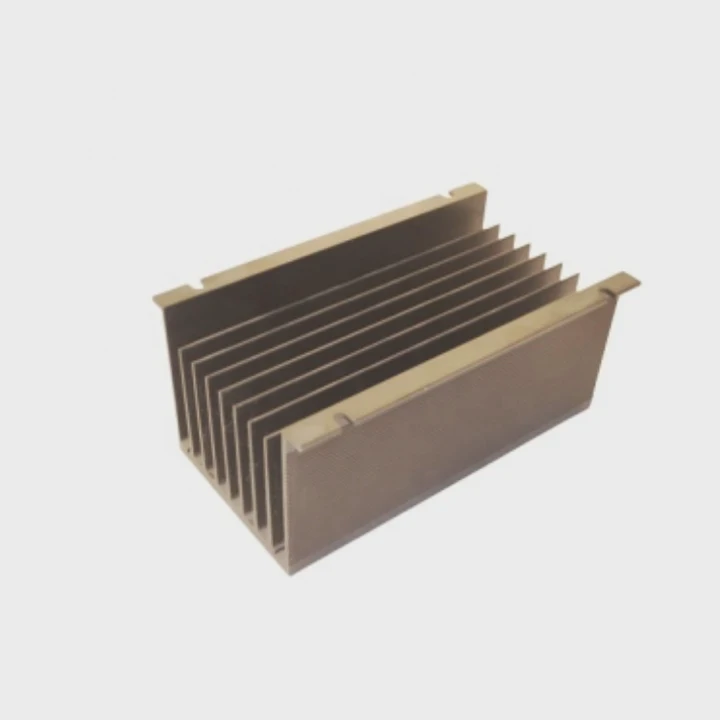
Why ASUS mixes materials
Copper spreads heat quickly but is heavy. Aluminum releases heat into airflow better and is lighter. Using both keeps performance strong without adding bulk.
Thermal material comparison
| Material | Conductivity | Weight |
|---|---|---|
| Copper | Very high | Heavy |
| Aluminum | Medium | Light |
| Copper base + aluminum fins | Balanced | Moderate |
A deeper look at material behavior
Copper is the top choice for heatpipes because it conducts heat quickly across the tube’s length. ASUS uses copper pipes in almost all laptop lines. Some gaming models also use copper plates under the CPU and GPU to spread heat before it enters the pipes.
Aluminum fins form the fin stacks. These fins are thin sheets that release heat into airflow created by the laptop’s cooling fans. Aluminum cools faster when exposed to steady airflow and is cheaper and lighter than copper. The fins must stay light so air moves through them easily.
Hybrid designs use a copper base that absorbs heat directly from the CPU die. This base connects to heatpipes and spreads heat quickly. Then the aluminum fins release it steadily. This combination works well in both ultrabooks and gaming laptops.
Some models use nickel-plated copper to protect against oxidation. While nickel reduces conductivity slightly, it improves durability and supports smoother contact surfaces for more consistent heat transfer.
Material choice shapes how well the laptop handles sustained workloads, gaming sessions, or long video editing tasks.
Can vapor chambers appear in premium models?
Vapor chambers are advanced cooling components usually found in high-performance machines. They behave like large flat heatpipes and offer stronger thermal performance.
Vapor chambers can appear in premium ASUS models because they spread heat over a wide area, support higher power CPUs and GPUs, and maintain more stable temperatures during intensive workloads.
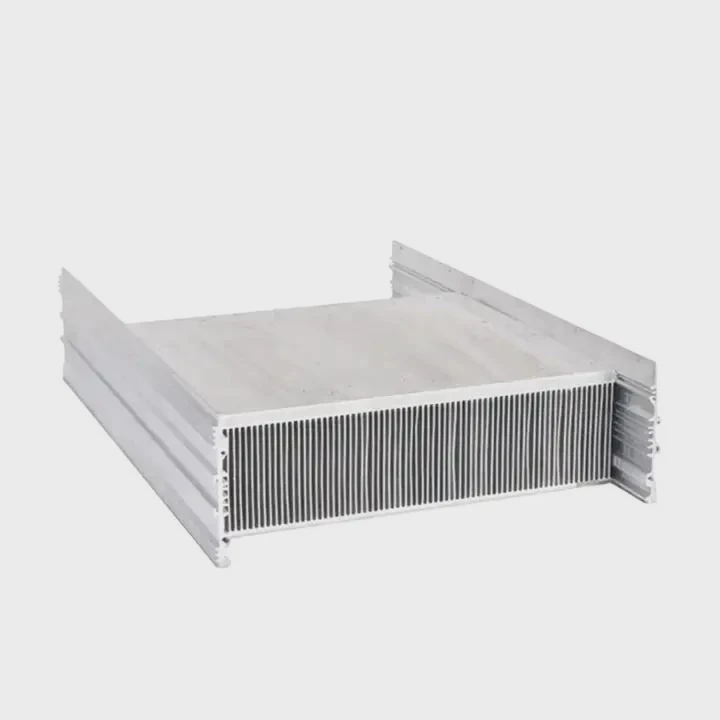
Why vapor chambers are used selectively
Vapor chambers cost more and require more internal space. ASUS adds them where users need strong cooling, usually in gaming or creator laptops.
Vapor chamber advantages
| Feature | Benefit |
|---|---|
| Large surface area | Strong heat spread |
| High efficiency | Better load balance |
| Consistent temperature | Fewer hotspots |
A deeper look at vapor chamber cooling
Vapor chambers work like heatpipes but on a broader surface. They use internal fluid and a thin wick structure that
TAGS
Latest Articles

Volume discount levels for heat sink orders?
Buyers often ask when heat sink prices start to drop with volume. Many worry they’re overpaying for small orders. This guide explains how B2B volume pricing works for thermal components. Heat sink
21 Dec,2025
Heat sink long-term supply contract options?
Many buyers want stable pricing and reliable delivery for heat sinks. But without a clear contract, risks grow over time. This article explores how to secure better long-term supply deals. Long-term
21 Dec,2025
Tooling cost for new heat sink profiles?
Many engineers struggle to understand why tooling for custom heat sinks costs so much. They worry about budgeting and production timelines. This article breaks down the cost drivers behind tooling.
21 Dec,2025
Heat sink custom sample process steps?
Sometimes, starting a custom heat sink project feels overwhelming—too many steps, too many unknowns, and too many risks. You want a sample, but not endless delays. The process for requesting and
20 Dec,2025
Standard B2B terms for heat sink payments?
When buyers and sellers in B2B heat sink markets talk about payment, many don’t fully understand what’s standard. This can lead to delayed orders, miscommunication, and even lost business
20 Dec,2025
Heat sink pricing factors for large orders?
Heat sinks are vital for many systems. When prices rise, projects stall and budgets break. This problem can hit teams hard without warning. Large order heat sink pricing depends on many factors. You
20 Dec,2025Related Articles
- will an older cpu heatsink fit on a 6700k?
- how to remove cpu heatsink for p5n-d?
- is heatsink necessary?
- how to add holes for heatsinks pcb?
- do you need heatsink on m 2?
- how to put heatsink on raspberry pi?
- how to remove gpu heatsink screws?
- do you need a ssd heatsink if motherboard has one?
- how to remove xbox one heatsink?
- does a heatsink need to be plugged in?
- is paste on new heatsink enough?
- Is it hard to install a heatsink to a CPU?
Author
Dr. Emily Chen
Chief AI Researcher
Leading expert in thermal dynamics and AI optimization with over 15 years of experience in data center efficiency research.
Categories
Latest Products
M.2 Heatpipe Heatsink With Dual Fans For Pc Case
19 Mar,2026
Heavy-Duty Aluminum Heat Sink Custom
19 Mar,2026
Oem Skived Fin Heatsink Aluminum Radiator For Plants
19 Mar,2026
Water Cooled Cnc Aluminum Heat Sink For Medical
19 Mar,2026
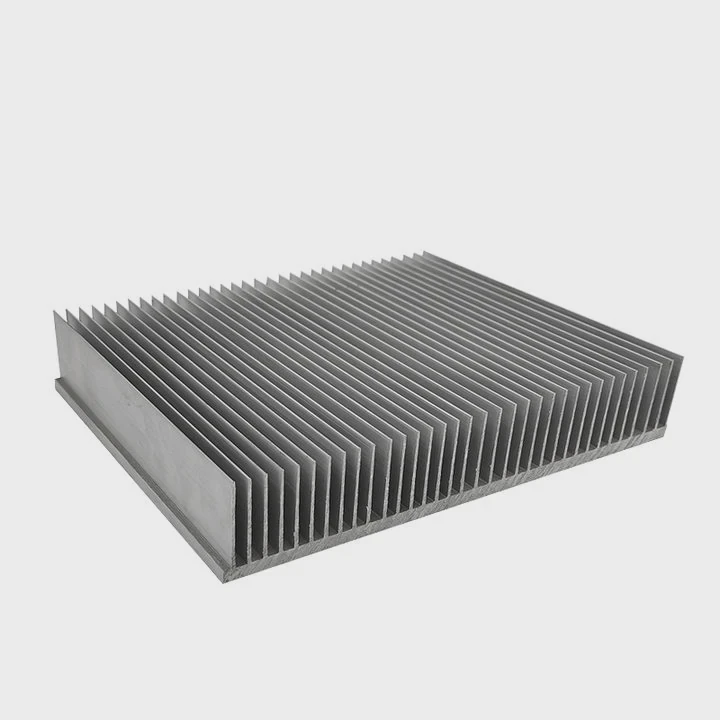
High Density 6000 Series Aluminum Heat Sink Profile
19 Mar,2026
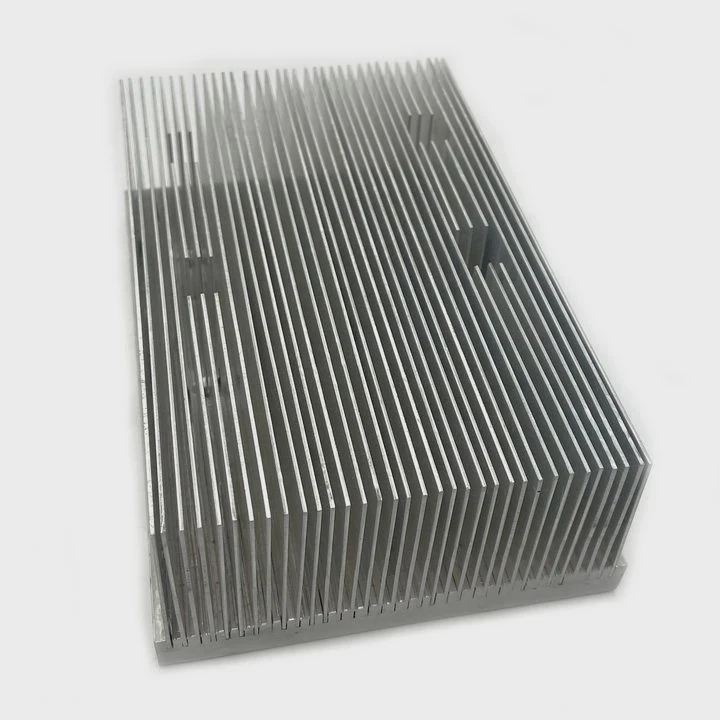
High-Density Extruded Aluminum & Bonded-Fin Heat Sink Profile
19 Mar,2026
Recommend Categories
- Liquid cooling plate Manufacturer
- Industrial Heat Sink Manufacturer
- Standard Heat Sink Manufacturer
- Aluminum Heat Sink Manufacturer
- Copper Heat Sink Manufacturer
- Anodized Heatsink Manufacturer
- Stamping heat sink Manufacturer
- Die Casting Heatsink Manufacturer
- Soldering heat sink Manufacturer
- CNC Parts Manufacturer
Latest Products
- M.2 Heatpipe Heatsink With Dual Fans For Pc Case
- Heavy-Duty Aluminum Heat Sink Custom
- Oem Skived Fin Heatsink Aluminum Radiator For Plants
- Water Cooled Cnc Aluminum Heat Sink For Medical
- High Density 6000 Series Aluminum Heat Sink Profile
- High-Density Extruded Aluminum & Bonded-Fin Heat Sink Profile
- Dongguan Cnc Aluminum Heat Sink For Led & Brass Parts
- Wholesale Cnc Aluminum Heat Sink - Custom Extruded
- Led Cnc Round Heat Sink With Screw Holes
- Copper Pin-Fin Heat-Sink Large-Area For Photoled Cooling
- Telecom Heatsink Zipper Fin Wcopper Tubes Oem
Contact Expert
Have questions about this article? Reach out to our experts directly.