will an older cpu heatsink fit on a 6700k?
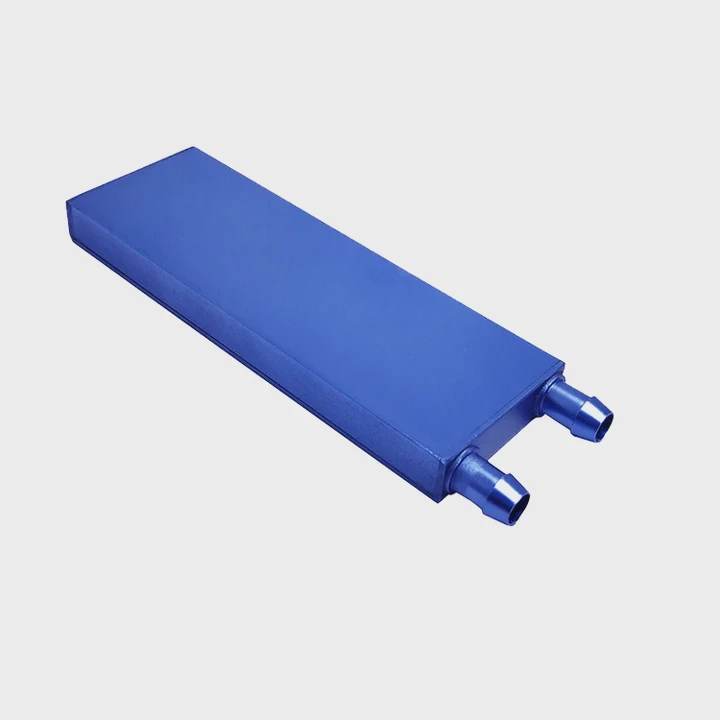
Many users wonder if they can reuse an older cooler when upgrading to an Intel i7-6700K system. Older heatsinks vary in mounting style, bracket support, and thermal capacity.
An older CPU heatsink can fit the i7-6700K only if it supports the LGA1151 mounting pattern and has enough cooling capacity to handle the processor’s heat output.
I have seen many Skylake builds suffer from high temps only because the cooler was not designed for the correct socket or workload.
Why socket compatibility matters?
CPU sockets differ in hole spacing, mounting brackets, and pressure requirements. A heatsink must match these details, or it will not sit correctly on the CPU.
Socket compatibility matters because the cooler must align with the LGA1151 mounting holes, apply proper pressure, and cover the CPU surface evenly for safe cooling.
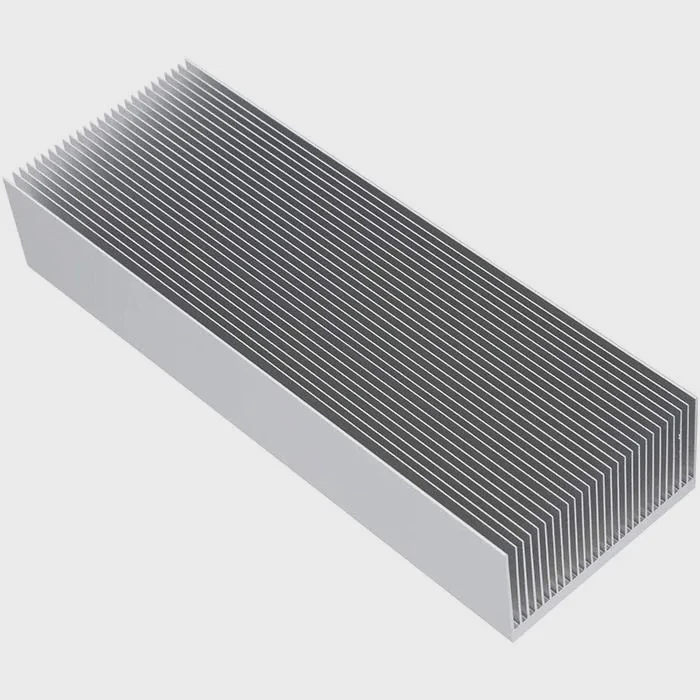
Why mounting holes must match
The LGA1151 socket uses a specific hole pattern inherited from LGA115x families. Heatsinks designed for older sockets with different spacing cannot mount safely.
Socket compatibility table
| Socket Type | 6700K Compatibility |
|---|---|
| LGA1156 | Yes (same pattern) |
| LGA1155 | Yes |
| LGA1150 | Yes |
| LGA775 | No |
A deeper look at socket differences
The i7-6700K uses Intel’s Skylake LGA1151 socket. This socket shares its hole spacing with LGA1150, 1155, and 1156. This means many older coolers designed for these platforms mount correctly. But LGA775 coolers used different hole spacing and different clip pressure. They will not align properly on an LGA1151 board.
Pressure is another factor. Skylake chips use a thinner substrate than older processors. Too much downward force can bend the CPU or the board. Good coolers use spring screws to control pressure. Older push-pin coolers might apply uneven force, which affects temperatures.
The base of the heatsink must also align with the heat spreader. Some older coolers have small bases intended for dual-core chips. These bases may not cover the i7-6700K properly. Even if the holes align, a poor base fit reduces cooling.
Correct socket compatibility ensures the cooler installs safely, contacts the CPU evenly, and protects the system during heavy load.
Which cooler mounts match Skylake?
Not all existing coolers include LGA1151 brackets by default. Some require updated mounting kits to match newer boards.
Cooler mounts that match Skylake include brackets designed for LGA115x sockets, which share the same spacing and hole layout across several Intel generations.
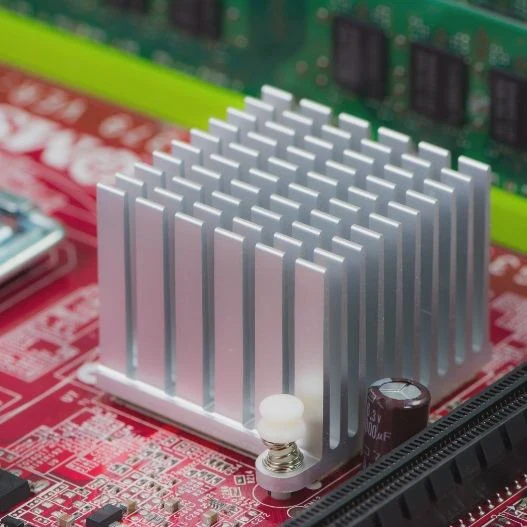
Why bracket type matters
Older coolers may have the right hole spacing but lack the correct hardware. Updated brackets ensure stable pressure and proper alignment.
Bracket compatibility list
| Cooler Type | Skylake Fit |
|---|---|
| LGA115x screw mount | Yes |
| Push-pin Intel stock | Yes |
| Custom backplate kits | Yes |
| LGA775 clips | No |
A deeper look at bracket fit
Screw-based mounts designed for LGA115x fit the i7-6700K without issue. These mounts provide stable pressure across the CPU surface, which helps maintain thermal contact. Many aftermarket coolers ship with universal kits that already include LGA115x brackets.
Push-pin coolers also fit, but their performance varies. These coolers can loosen over time or fail to apply even pressure. A loose pin creates thermal gaps and causes overheating.
Some older coolers require optional upgrade kits. Many popular brands offer bracket conversion kits for LGA1151. If the existing cooler is high quality, buying a bracket kit makes it usable again.
Coolers designed for LGA775 sometimes tempt users because they look similar. But the clip design and hole spacing differ enough to cause mounting problems. Even modified LGA775 coolers usually fail to apply even pressure.
Matching Skylake mounts ensures the cooler attaches securely and performs as intended.
Can weaker sinks cause throttling?
Older or smaller coolers may physically fit the socket but struggle to handle the i7-6700K’s temperature under load.
Weaker sinks can cause throttling because they lack enough surface area, mass, or airflow to release heat fast enough during heavy workloads.
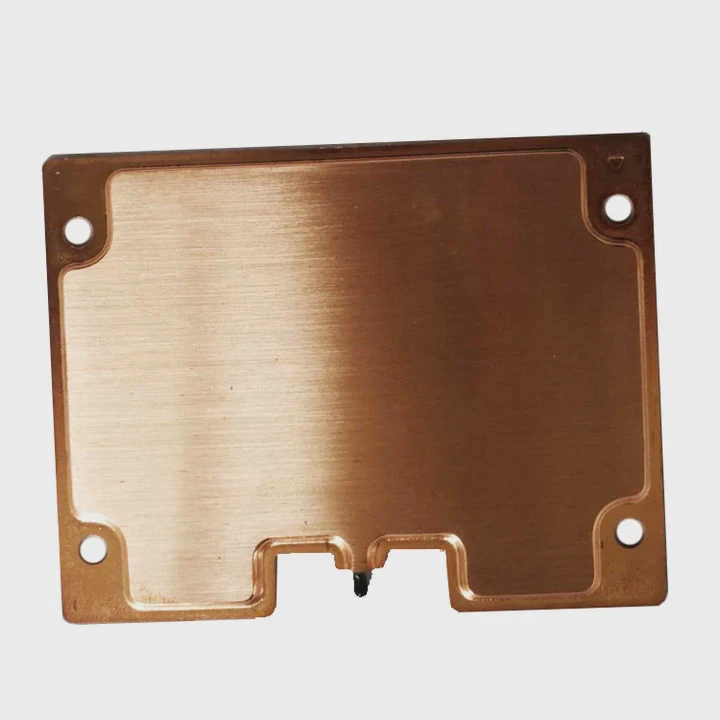
Why older coolers struggle
Many early coolers were designed for lower-power CPUs. The 6700K boosts aggressively, creating heat spikes that small heatsinks cannot manage.
Cooler capacity comparison
| Cooler Size | 6700K Result |
|---|---|
| Small stock cooler | High temps |
| Mid-range tower | Good |
| Large tower | Excellent |
A deeper look at cooling limitations
The i7-6700K boosts its core frequency during demanding tasks, which increases voltage and heat output. Small coolers lack the mass to buffer these spikes. Their fins warm up quickly and stop absorbing heat efficiently.
Weak fans also limit cooling. Older coolers often use small fans with low airflow. When the fan cannot push enough air through the fins, heat remains trapped, causing the CPU to reach throttling thresholds.
Thermal throttling slows CPU speed to protect the chip. This reduces performance during gaming, editing, or compiling. Many users report throttling when using old stock coolers, even though the cooler physically fits the socket.
Larger tower coolers use multiple heatpipes and wide fin stacks. They release heat faster and stay cool longer. When airflow improves, these coolers prevent throttling even during long workloads.
A cooler that fits mechanically is not always thermally sufficient. Performance depends on cooling capacity, not just socket match.
Do TDP ratings dictate suitability?
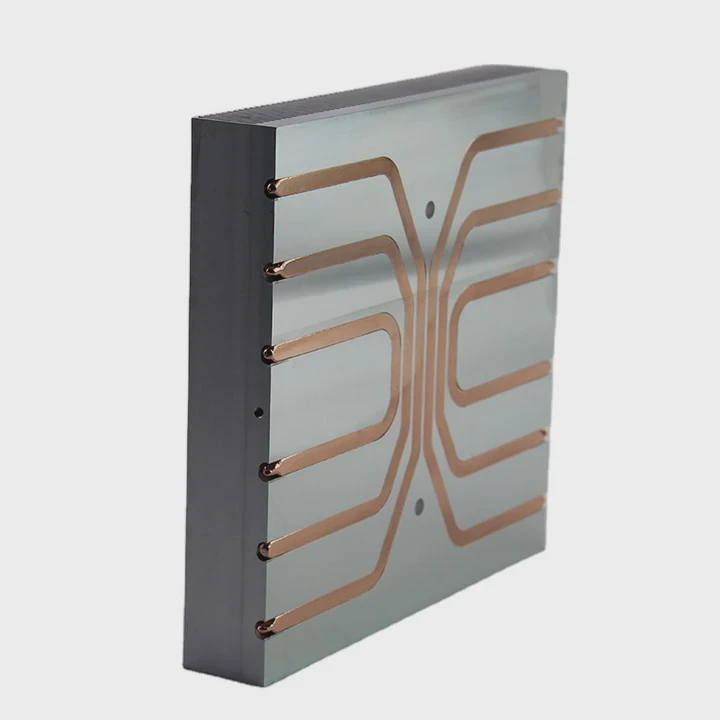
Thermal design power (TDP) ratings help users understand how much cooling the CPU requires. TDP determines whether an older cooler can handle the heat.
TDP ratings dictate suitability because a heatsink must match or exceed the CPU’s expected heat output. A cooler below the required TDP struggles under load and runs at high noise or throttle levels.
Why TDP ratings matter
TDP provides a guideline for cooler size and performance. Coolers with low TDP ratings cannot sustain safe temperatures on high-power processors.
TDP matching guide
| Cooler TDP | 6700K Compatibility |
|---|---|
| Below 65W | Poor |
| 65–95W | Acceptable |
| 120W+ | Ideal |
A deeper look at TDP design
The i7-6700K has a base TDP of 91W, but real workloads push heat higher, especially with boost features. During gaming, clock bursts raise effective heat output above labeled TDP. Heavy workloads like encoding or compiling push temperatures even more.
Coolers below 65W TDP cannot control these spikes. They heat quickly and cause fans to run at maximum speed, making the system loud while still running hot. The CPU may throttle often.
Coolers rated between 65 and 95W handle moderate tasks. They fit many everyday users, but temperatures rise during stress tests. For users who run demanding applications, these coolers may still be insufficient.
Coolers above 120W TDP provide strong performance. They include more heatpipes, larger fins, and better fans. These coolers not only prevent throttling but also run quieter.
Choosing a cooler based on TDP ensures the system remains stable under all workloads, not just light tasks.
Conclusion
An older heatsink can fit the i7-6700K only if it supports the LGA115x mounting pattern and offers enough cooling capacity. Socket compatibility, correct mounting brackets, cooler strength, and TDP ratings all determine whether the heatsink works safely and prevents throttling.
TAGS
Latest Articles

Volume discount levels for heat sink orders?
Buyers often ask when heat sink prices start to drop with volume. Many worry they’re overpaying for small orders. This guide explains how B2B volume pricing works for thermal components. Heat sink
21 Dec,2025
Heat sink long-term supply contract options?
Many buyers want stable pricing and reliable delivery for heat sinks. But without a clear contract, risks grow over time. This article explores how to secure better long-term supply deals. Long-term
21 Dec,2025
Tooling cost for new heat sink profiles?
Many engineers struggle to understand why tooling for custom heat sinks costs so much. They worry about budgeting and production timelines. This article breaks down the cost drivers behind tooling.
21 Dec,2025
Heat sink custom sample process steps?
Sometimes, starting a custom heat sink project feels overwhelming—too many steps, too many unknowns, and too many risks. You want a sample, but not endless delays. The process for requesting and
20 Dec,2025
Standard B2B terms for heat sink payments?
When buyers and sellers in B2B heat sink markets talk about payment, many don’t fully understand what’s standard. This can lead to delayed orders, miscommunication, and even lost business
20 Dec,2025
Heat sink pricing factors for large orders?
Heat sinks are vital for many systems. When prices rise, projects stall and budgets break. This problem can hit teams hard without warning. Large order heat sink pricing depends on many factors. You
20 Dec,2025Related Articles
- how to remove cpu heatsink for p5n-d?
- is heatsink necessary?
- how to add holes for heatsinks pcb?
- do you need heatsink on m 2?
- how to put heatsink on raspberry pi?
- what does a cpu heatsink do?
- what type of heatsink does asus use laptop?
- how to remove gpu heatsink screws?
- do you need a ssd heatsink if motherboard has one?
- how to remove xbox one heatsink?
- does a heatsink need to be plugged in?
- is paste on new heatsink enough?
Author
Dr. Emily Chen
Chief AI Researcher
Leading expert in thermal dynamics and AI optimization with over 15 years of experience in data center efficiency research.
Categories
Latest Products
M.2 Heatpipe Heatsink With Dual Fans For Pc Case
19 Mar,2026
Heavy-Duty Aluminum Heat Sink Custom
19 Mar,2026
Oem Skived Fin Heatsink Aluminum Radiator For Plants
19 Mar,2026
Water Cooled Cnc Aluminum Heat Sink For Medical
19 Mar,2026
High Density 6000 Series Aluminum Heat Sink Profile
19 Mar,2026
High-Density Extruded Aluminum & Bonded-Fin Heat Sink Profile
19 Mar,2026
Recommend Categories
- Liquid cooling plate Manufacturer
- Industrial Heat Sink Manufacturer
- Standard Heat Sink Manufacturer
- Aluminum Heat Sink Manufacturer
- Copper Heat Sink Manufacturer
- Anodized Heatsink Manufacturer
- Stamping heat sink Manufacturer
- Die Casting Heatsink Manufacturer
- Soldering heat sink Manufacturer
- CNC Parts Manufacturer
Latest Products
- M.2 Heatpipe Heatsink With Dual Fans For Pc Case
- Heavy-Duty Aluminum Heat Sink Custom
- Oem Skived Fin Heatsink Aluminum Radiator For Plants
- Water Cooled Cnc Aluminum Heat Sink For Medical
- High Density 6000 Series Aluminum Heat Sink Profile
- High-Density Extruded Aluminum & Bonded-Fin Heat Sink Profile
- Dongguan Cnc Aluminum Heat Sink For Led & Brass Parts
- Wholesale Cnc Aluminum Heat Sink - Custom Extruded
- Led Cnc Round Heat Sink With Screw Holes
- Copper Pin-Fin Heat-Sink Large-Area For Photoled Cooling
- Telecom Heatsink Zipper Fin Wcopper Tubes Oem
Contact Expert
Have questions about this article? Reach out to our experts directly.