What does liquid cooled mean?
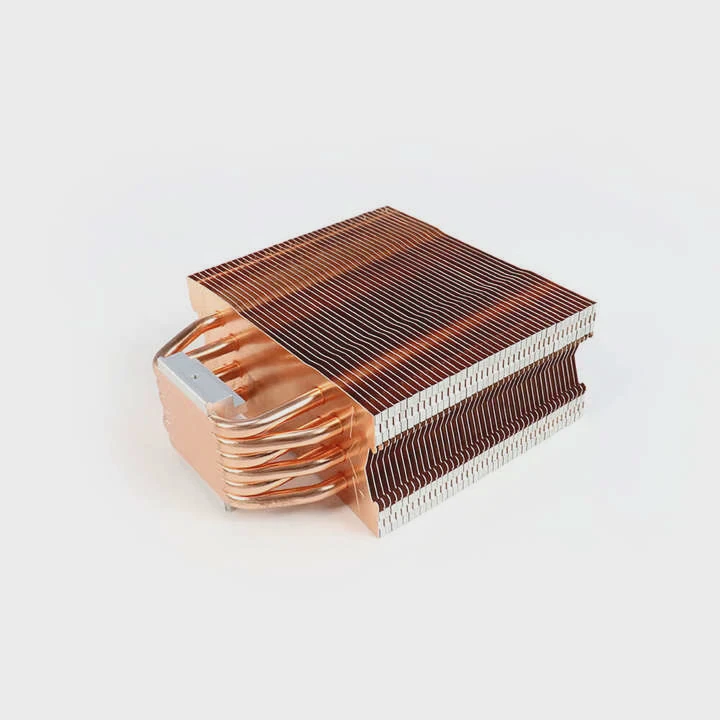
Every machine that produces power also produces heat. From computers to cars, managing this heat is critical to keep performance stable. One term that often comes up in engineering and electronics is “liquid-cooled.”
Liquid-cooled means a system uses circulating fluid to absorb and remove heat from components, transferring it to a radiator or heat exchanger to release into the air.
It’s a more efficient alternative to air cooling, especially for high-performance systems where heat generation is constant and intense. Let’s look at how it works, where it’s used, and how you can identify such systems.
What is the principle of liquid cooling?
All cooling systems follow one basic idea — move heat from where it’s generated to where it can dissipate safely. Liquid cooling simply does it more effectively.
The principle of liquid cooling is based on heat conduction and convection: heat transfers from a hot surface to a moving liquid, which carries it away to a cooler area.
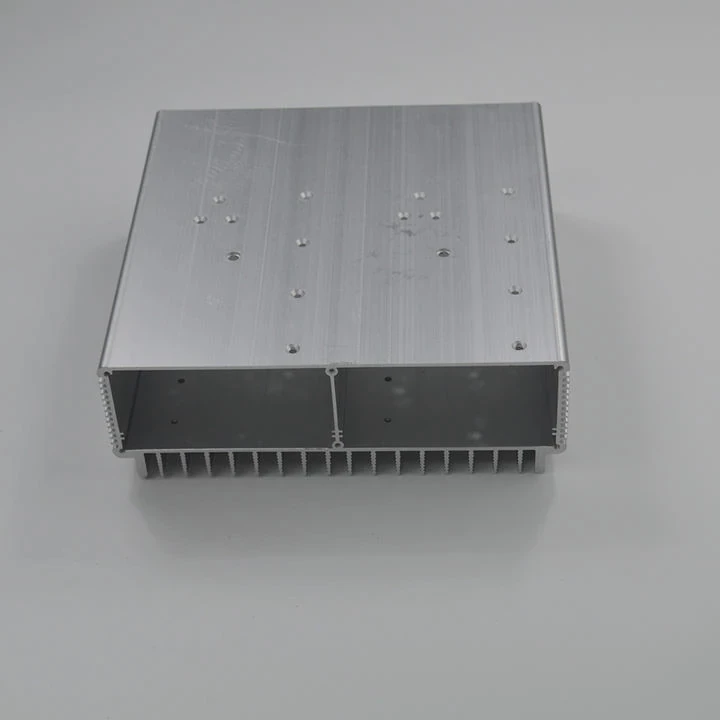
How it works step by step
| Step | Process | Description |
|---|---|---|
| 1 | Heat Absorption | Liquid flows through a heat block attached to the hot component, like a CPU or battery cell. |
| 2 | Heat Transfer | The liquid absorbs heat and moves through tubes or channels. |
| 3 | Heat Dissipation | The heated liquid reaches a radiator or heat exchanger where air removes the heat. |
| 4 | Recirculation | The cooled liquid returns to repeat the process. |
This continuous loop keeps the component temperature stable. The liquid — usually a mix of water and antifreeze — has a much higher heat capacity than air, allowing it to carry away more energy with less temperature rise.
The science behind it
Liquid cooling relies on two physical principles:
- Conduction: Heat moves from the component to the coolant through direct contact.
- Convection: The coolant flows and carries the heat to another place, where it’s released.
For example, in a car engine, coolant circulates around cylinders, absorbs heat, and moves it to the radiator. The same concept applies to a high-performance computer, where coolant absorbs heat from the CPU or GPU.
When I first switched my PC from air to liquid cooling, the temperature dropped by almost 25°C under full load. That difference came from how much better liquid handles heat transfer compared to air.
What are its applications?
Liquid cooling is used wherever heat generation is too high for air alone to manage. It plays a key role in electronics, transportation, energy, and industrial systems.
Liquid cooling is applied in computers, electric vehicles, industrial equipment, data centers, and aerospace systems that demand efficient heat control.
Common applications
| Industry | Application | Purpose |
|---|---|---|
| Computing | CPUs, GPUs, servers | Keeps chips cool for stable performance. |
| Automotive | Electric vehicle batteries, engines, inverters | Manages heat and improves efficiency. |
| Aerospace | Avionics and power modules | Maintains reliability in extreme environments. |
| Energy Systems | Power electronics and solar inverters | Stabilizes operation under heavy load. |
| Medical Devices | Lasers and imaging systems | Ensures precision and component safety. |
Why industries use it
In modern EVs like the BMW i3 or Tesla Model 3, liquid cooling keeps batteries at the right temperature to extend lifespan and allow fast charging. In data centers, liquid cooling helps reduce power consumption by removing heat directly from processors instead of relying on room air conditioning.
In my experience working with aluminum heat exchangers, I’ve seen how liquid-cooled modules make compact systems run faster and last longer. The technology is now moving from niche applications to mainstream designs.
How to identify a liquid-cooled system?
Liquid-cooled systems have distinct components that are easy to spot once you know what to look for. They often include visible tubing, radiators, or reservoirs that move and store coolant.
You can identify a liquid-cooled system by looking for coolant tubes, pumps, and radiators connected to heat-generating components.
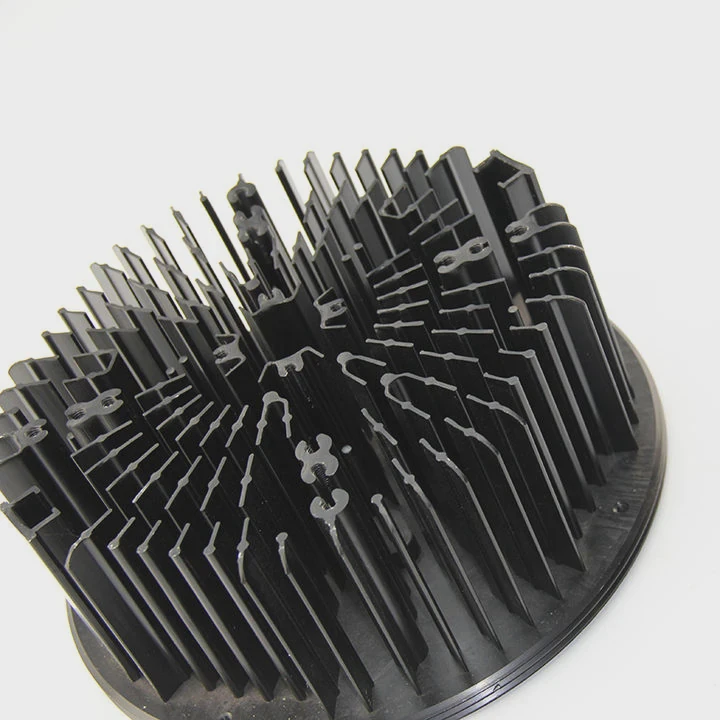
Visual indicators
| Component | What to Look For | Function |
|---|---|---|
| Tubes or Hoses | Transparent or rubber tubes connecting major parts. | Transport coolant through the system. |
| Pump | Small powered unit, often near the reservoir. | Circulates coolant. |
| Radiator / Heat Exchanger | Metal fins with fans attached. | Releases heat into the air. |
| Reservoir | Clear container holding coolant. | Allows filling and expansion. |
In vehicles, you can usually spot the radiator at the front, with coolant hoses running to the engine or battery modules. In PCs, you’ll find a radiator mounted inside the case with fans and transparent coolant lines.
If you ever hear a faint humming sound from a pump or see colored fluid moving through tubes — that’s a sign the system is liquid-cooled.
Functional indicators
- Low fan noise: Liquid cooling requires fewer high-speed fans.
- Stable temperatures: Temperature readings stay consistent even under heavy load.
- Compact heat source: Components stay cool even when close together.
I remember visiting a data lab where racks of servers used direct liquid cooling. The room was nearly silent compared to typical air-cooled server rooms — a clear sign of thermal efficiency.
What are the trends in cooling terminology?
Cooling technology is evolving fast, and so is the language used to describe it. As systems become smarter and more integrated, new terms are emerging to define next-generation cooling strategies.
Modern trends in cooling terminology include hybrid cooling, immersion cooling, phase-change systems, and smart thermal management.
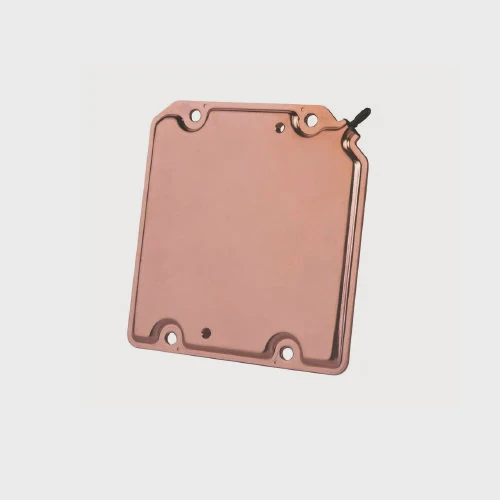
Trend 1: Hybrid cooling
Hybrid systems combine liquid and air cooling, using liquid for critical components and air for general heat removal. The term often appears in modern GPU and EV designs.
Trend 2: Immersion cooling
This refers to submerging electronics directly in non-conductive liquid, allowing maximum surface contact for efficient heat transfer. It’s now popular in data centers and AI computing.
Trend 3: Phase-change cooling
Phase-change materials absorb large amounts of heat as they change state (for example, from solid to liquid). This method is being explored for compact electronics and aerospace applications.
Trend 4: Smart thermal management
This involves AI-driven systems that adjust fan speeds, pump flow, or coolant temperature automatically. It represents the shift from passive cooling to intelligent control.
Trend 5: Eco-friendly coolants
Sustainability is reshaping terminology too. Terms like biodegradable coolant, non-fluorinated fluid, and low-GWP refrigerant are becoming common as manufacturers aim to reduce environmental impact.
The evolution of cooling vocabulary
Cooling terminology now reflects a move toward integration and efficiency. Terms like thermal module, heat loop, and liquid immersion rack are gradually replacing older words like fan assembly or heatsink unit. The language mirrors how complex cooling systems have become — no longer just a fan or a radiator, but a network of intelligent, eco-conscious components working together.
Conclusion
Liquid cooling means using fluid to remove heat efficiently from components. It’s built on simple physical principles but applied in complex modern systems — from EV batteries to data centers. As technology advances, hybrid, immersion, and smart cooling are redefining how we think and talk about thermal management.
TAGS
Latest Articles

Volume discount levels for heat sink orders?
Buyers often ask when heat sink prices start to drop with volume. Many worry they’re overpaying for small orders. This guide explains how B2B volume pricing works for thermal components. Heat sink
21 Dec,2025
Heat sink long-term supply contract options?
Many buyers want stable pricing and reliable delivery for heat sinks. But without a clear contract, risks grow over time. This article explores how to secure better long-term supply deals. Long-term
21 Dec,2025
Tooling cost for new heat sink profiles?
Many engineers struggle to understand why tooling for custom heat sinks costs so much. They worry about budgeting and production timelines. This article breaks down the cost drivers behind tooling.
21 Dec,2025
Heat sink custom sample process steps?
Sometimes, starting a custom heat sink project feels overwhelming—too many steps, too many unknowns, and too many risks. You want a sample, but not endless delays. The process for requesting and
20 Dec,2025
Standard B2B terms for heat sink payments?
When buyers and sellers in B2B heat sink markets talk about payment, many don’t fully understand what’s standard. This can lead to delayed orders, miscommunication, and even lost business
20 Dec,2025
Heat sink pricing factors for large orders?
Heat sinks are vital for many systems. When prices rise, projects stall and budgets break. This problem can hit teams hard without warning. Large order heat sink pricing depends on many factors. You
20 Dec,2025Related Articles
- How does the liquid cooling system work?
- What is liquid immersion cooling?
- What happens when you cool a liquid?
- What should my CPU temp be with liquid cooling?
- Is the Milwaukee 8 liquid cooled?
- What does liquid cooling do?
- How to install GPU liquid cooling?
- How does CPU liquid cooling work?
- Which PowerEdge server supports direct liquid cooling?
- Does Ryzen 9 5950X need liquid cooling?
- Is liquid cooling hard to install?
- Does Ryzen 7 7700X Need Liquid Cooling?
Author
Dr. Emily Chen
Chief AI Researcher
Leading expert in thermal dynamics and AI optimization with over 15 years of experience in data center efficiency research.
Categories
Latest Products






Recommend Categories
- Liquid cooling plate Manufacturer
- Industrial Heat Sink Manufacturer
- Standard Heat Sink Manufacturer
- Aluminum Heat Sink Manufacturer
- Copper Heat Sink Manufacturer
- Anodized Heatsink Manufacturer
- Stamping heat sink Manufacturer
- Die Casting Heatsink Manufacturer
- Soldering heat sink Manufacturer
- CNC Parts Manufacturer
Latest Products
- Wholesale Aluminum Radiator
- Water Cooling Plate Kit
- Water Cooling Heat Sink
- Water Cooling Heat Sink Kit
- Stainless Steel Water Distributor
- Server Water Cooling Plate Kit
- Server Liquid Cooling System
- Server Aluminum Cooling Kit
- S19 Full Cover Cooling Plate
- S19 Cooling Plate Kit
- S19 Aluminum Cooling Plate
Contact Expert
Have questions about this article? Reach out to our experts directly.