How to bond Vapor Chamber to heatsink?
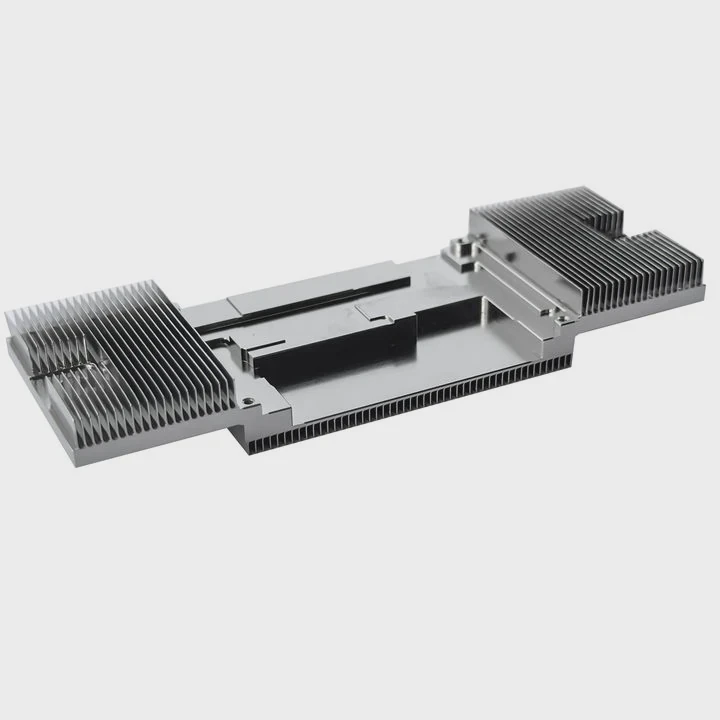
The connection between a vapor chamber and a heatsink is a critical interface in any thermal management system. If the bond is poor, the performance of the entire cooling system suffers.
To bond a vapor chamber to a heatsink, manufacturers use thermal adhesive, soldering, or mechanical fasteners. Each method has its strengths depending on power level, reliability, and cost targets.
Understanding these methods helps select the right approach for your application, whether it’s consumer electronics, automotive systems, or industrial-grade equipment.
What methods attach Vapor Chambers to heatsinks?
Vapor chambers can be joined to heatsinks in three main ways: adhesive bonding, soldering, and mechanical attachment. Each technique suits different needs for thermal resistance, durability, and assembly process.
Vapor chambers are typically bonded to heatsinks using thermally conductive adhesive, soldering techniques, or with mechanical fasteners for enhanced stability.
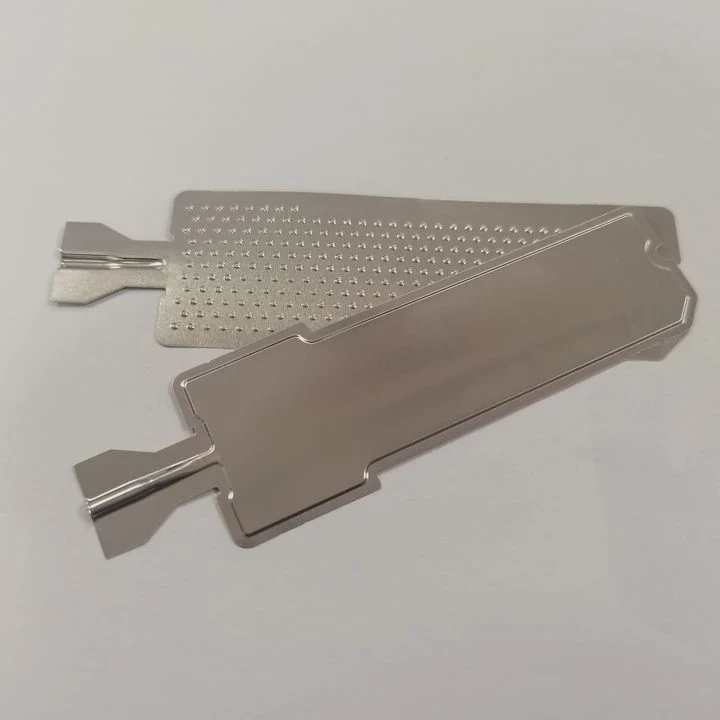
Key bonding methods
| Bonding Method | Thermal Conductivity | Durability | Assembly Complexity |
|---|---|---|---|
| Thermal Adhesive | Moderate | Moderate | Easy |
| Soldering | High | High | Complex |
| Mechanical Fastening | Varies | Very High | Medium |
Each method offers trade-offs:
- Thermal adhesives provide flexibility and ease of use.
- Soldering ensures the lowest thermal resistance.
- Mechanical fasteners add physical robustness, useful in mobile or high-vibration environments.
In many applications, two of these methods are combined—for example, soldering plus screws.
Is thermal adhesive reliable for bonding?
Thermal adhesive is a practical method, especially when the assembly process needs to be simple or temperatures must stay low.
Thermal adhesive can provide a strong bond with moderate thermal performance, but it may not be suitable for very high heat loads or long-term exposure to mechanical stress.
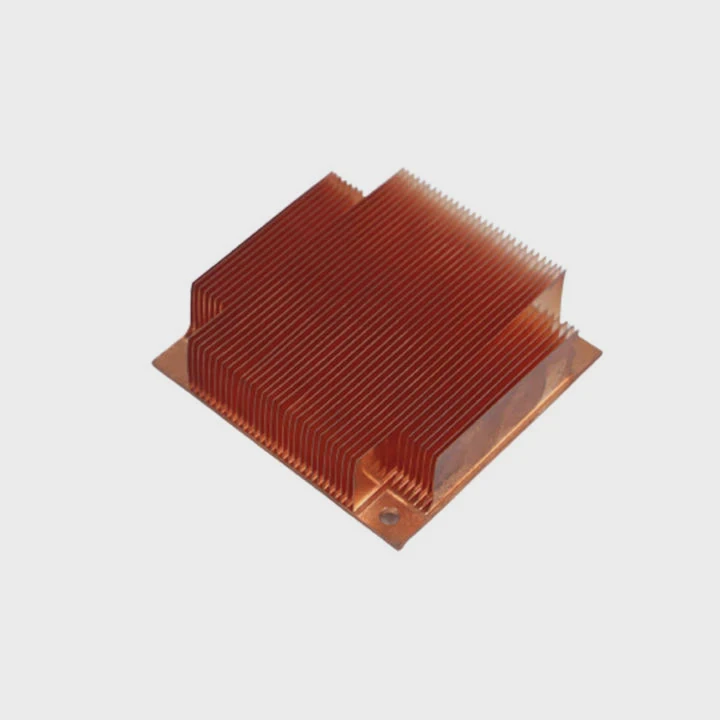
Benefits of adhesive bonding
- No high heat needed during assembly.
- Can fill surface gaps and improve contact.
- Works well for low to medium power devices.
Drawbacks to consider
- Adhesives have lower thermal conductivity than solder or metal contact.
- Adhesive layers may degrade over time with thermal cycling or vibration.
- Thicker adhesive layers increase thermal resistance.
Best use cases
Adhesive bonding is ideal for lightweight electronics, tablets, laptops, and small modules where cost and space are key. It’s less suited for heavy-duty or mission-critical systems.
Can soldering improve thermal connection strength?
Soldering is the most effective method in terms of thermal conductivity and mechanical integrity. It creates a solid metallic path for heat flow and adds strong structural bonding.
Yes, soldering vapor chambers to heatsinks results in low thermal resistance, strong mechanical stability, and excellent long-term reliability.
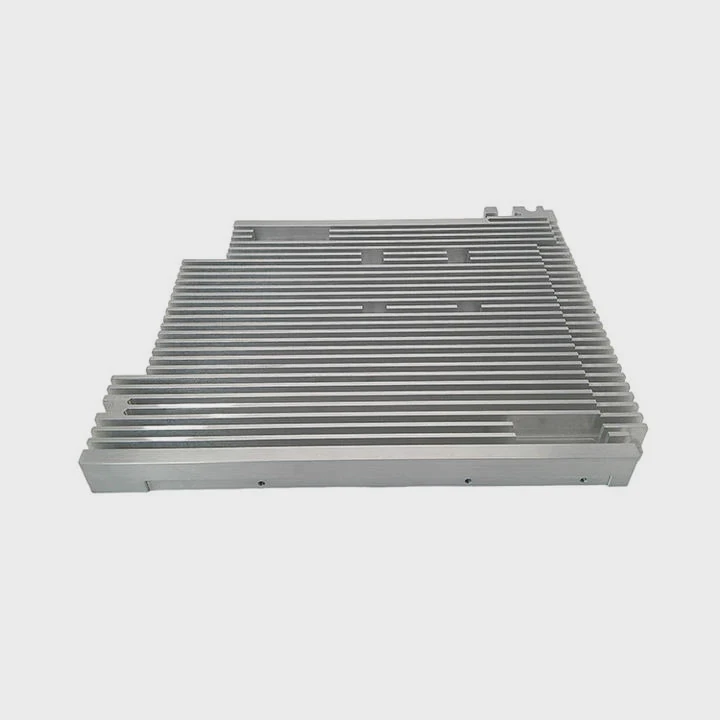
Why soldering is preferred
- Metal-to-metal bonding gives low contact resistance.
- Great performance under vibration and high temperature.
- Suitable for high power density modules and compact layouts.
Things to manage
- Soldering requires heat, which can damage thin vapor chambers if not controlled.
- Surfaces may need special coatings (e.g., nickel plating) to bond properly.
- Rework is more difficult than adhesive or mechanical joints.
When to choose soldering
Use soldering when the application demands peak thermal performance—like in automotive inverters, high-performance servers, or aerospace electronics.
Are mechanical fasteners used in Vapor Chamber joints?
Mechanical fastening is often used alongside adhesive or solder to enhance structural stability, especially in rugged environments.
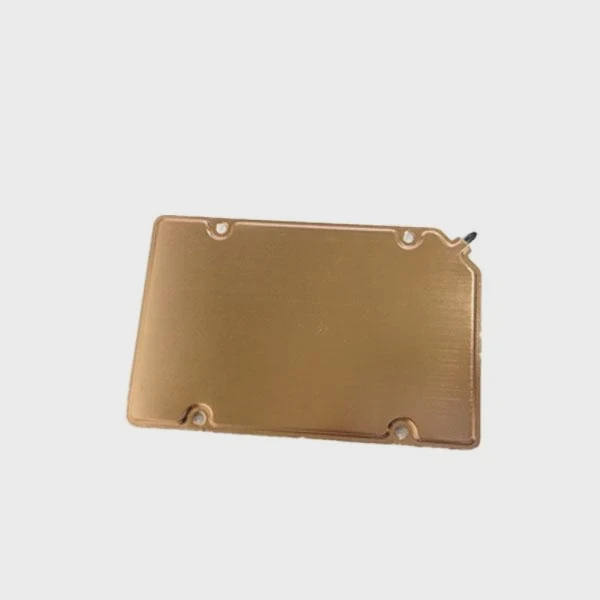
Yes, mechanical fasteners such as screws, clips, or clamps are commonly used to hold vapor chambers tightly against heatsinks, improving contact and vibration resistance.
Benefits of mechanical bonding
- Maintains consistent pressure on the interface.
- Helps resist shock, drop, and vibration forces.
- Allows easier disassembly and repair in some designs.
Common implementations
- Four-corner screw mounting with spring washers.
- Center clamp to prevent bowing.
- Clip-in retention mechanisms in compact systems.
Design tips
When using mechanical fasteners:
- Ensure even pressure across the surface.
- Use flat mounting planes to avoid bending the vapor chamber.
- Choose materials with matching thermal expansion to reduce stress.
Mechanical fastening is a must-have in industries like transportation, heavy machinery, and defense where reliability matters most.
Conclusion
Bonding a vapor chamber to a heatsink isn’t one-size-fits-all. Adhesive bonding is quick and cost-effective. Soldering delivers best-in-class thermal performance. Mechanical fasteners add reliability and serviceability. Choosing the right bonding method depends on power levels, reliability expectations, and manufacturing conditions. For rugged, high-performance systems, combining solder or adhesive with mechanical clamping ensures both cooling efficiency and durability.
TAGS
Latest Articles

Volume discount levels for heat sink orders?
Buyers often ask when heat sink prices start to drop with volume. Many worry they’re overpaying for small orders. This guide explains how B2B volume pricing works for thermal components. Heat sink
21 Dec,2025
Heat sink long-term supply contract options?
Many buyers want stable pricing and reliable delivery for heat sinks. But without a clear contract, risks grow over time. This article explores how to secure better long-term supply deals. Long-term
21 Dec,2025
Tooling cost for new heat sink profiles?
Many engineers struggle to understand why tooling for custom heat sinks costs so much. They worry about budgeting and production timelines. This article breaks down the cost drivers behind tooling.
21 Dec,2025
Heat sink custom sample process steps?
Sometimes, starting a custom heat sink project feels overwhelming—too many steps, too many unknowns, and too many risks. You want a sample, but not endless delays. The process for requesting and
20 Dec,2025
Standard B2B terms for heat sink payments?
When buyers and sellers in B2B heat sink markets talk about payment, many don’t fully understand what’s standard. This can lead to delayed orders, miscommunication, and even lost business
20 Dec,2025
Heat sink pricing factors for large orders?
Heat sinks are vital for many systems. When prices rise, projects stall and budgets break. This problem can hit teams hard without warning. Large order heat sink pricing depends on many factors. You
20 Dec,2025Related Articles
- Vapor Chamber sealing method recommendations?
- Vapor Chamber best filling liquids?
- Vapor Chamber roughness standards for contact surfaces?
- Which industry uses Vapor Chamber mostly?
- Vapor Chamber integration in cooling modules?
- Vapor Chamber brazing temperature requirements?
- Can Vapor Chamber be powder coated?
- Does Vapor Chamber need thermal insulation?
- Noise impact of Vapor Chamber operation?
- Vapor Chamber machining cost breakdown?
- How to estimate Vapor Chamber delivery time?
- Required tooling for Vapor Chamber manufacturing?
Author
Dr. Emily Chen
Chief AI Researcher
Leading expert in thermal dynamics and AI optimization with over 15 years of experience in data center efficiency research.
Categories
Latest Products






Recommend Categories
- Liquid cooling plate Manufacturer
- Industrial Heat Sink Manufacturer
- Standard Heat Sink Manufacturer
- Aluminum Heat Sink Manufacturer
- Copper Heat Sink Manufacturer
- Anodized Heatsink Manufacturer
- Stamping heat sink Manufacturer
- Die Casting Heatsink Manufacturer
- Soldering heat sink Manufacturer
- CNC Parts Manufacturer
Latest Products
- Wholesale Aluminum Radiator
- Water Cooling Plate Kit
- Water Cooling Heat Sink
- Water Cooling Heat Sink Kit
- Stainless Steel Water Distributor
- Server Water Cooling Plate Kit
- Server Liquid Cooling System
- Server Aluminum Cooling Kit
- S19 Full Cover Cooling Plate
- S19 Cooling Plate Kit
- S19 Aluminum Cooling Plate
Contact Expert
Have questions about this article? Reach out to our experts directly.