Standard cost of Vapor Chamber tooling?
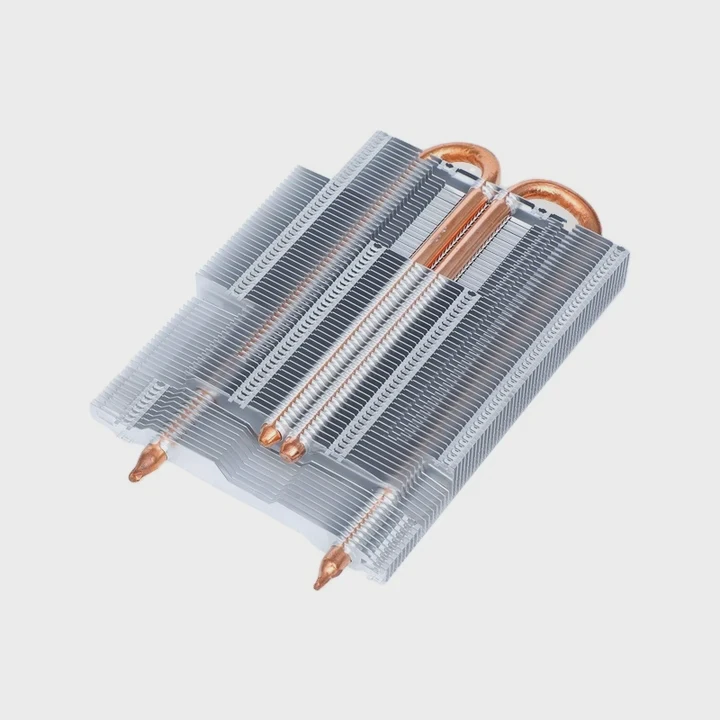
I once saw a quotation where vapor‑chamber tooling cost surprised a new buyer. Too many companies ignore hidden tooling costs until production starts.
The standard tooling cost for vapor chambers depends heavily on tooling type, complexity and volume — it often ranges from a few thousand to tens of thousands of US dollars per mold or fixture.
That upfront cost can shock newcomers. Below I share what to expect and how to manage tooling cost when producing vapor chambers.
What is the standard tooling cost for Vapor Chamber production?
Introducing vapor chambers to production always needs tooling — molds, dies, fixtures or welding jigs. Without tooling you cannot mass‑produce. Costs vary depending on tooling type.
Tooling cost typically starts at about 3,000 USD for a simple fixture or jig, but for full mold sets or multi‑stage fixtures for high‑precision vapor chambers, costs often reach 15,000 – 40,000 USD or more.
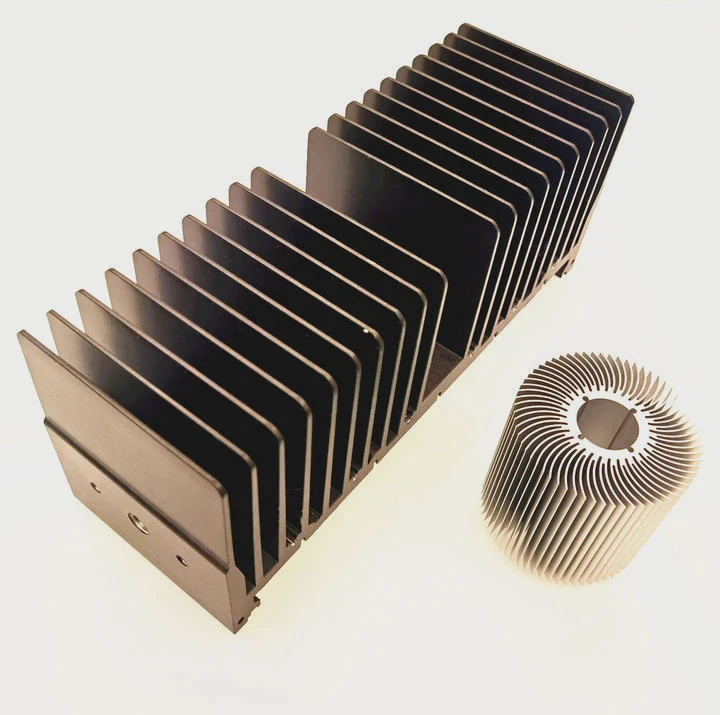
Tooling includes any custom equipment needed to shape, assemble, or weld vapor‑chamber parts. That might be a simple bending jig, or a complete press mold for embossed copper plates, or a laser‑welding fixture for multiple channels. The cost depends on tooling size, precision demand, welding method and expected lifetime.
Many small thermal modules or sample‑scale vapor chambers can reuse simpler tooling. But for high-volume production with tight tolerances, you often need durable, high‑cost tooling.
For example, a basic fixture to align aluminum plates and guide laser welding might cost around 3,000 to 5,000 USD. On the other hand, a robust multi‑station mold that stamps metal plates, forms evaporation chambers, and includes fixtures for consistency might reach 20,000 to 40,000 USD depending on materials and complexity.
You should ask your toolmaker or factory for a detailed tooling quotation. That quote should list:
- type of tooling (fixture, mold, jig, welding fixture)
- materials used (steel grade, hardness, plating)
- expected lifetime (number of cycles or parts)
- tolerances and precision requirements
These specs will directly influence tooling cost.
Do tooling costs vary by size and complexity of Vapor Chambers?
Different vapor chambers vary widely in size, channel structure, and material thickness. So tooling for a small flat chamber differs a lot from tooling for a large multi‑layer chamber.
Yes — tooling costs scale up significantly with chamber size, number of channels, material thickness, required precision and post‑processing. Larger or more complex vapor chambers need more complex tooling, thus higher cost.
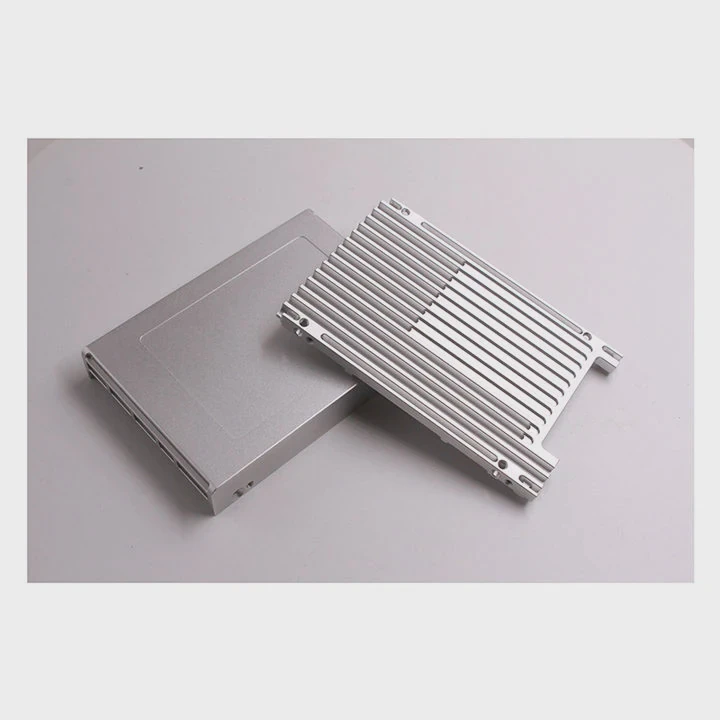
A small, flat vapor chamber used in compact consumer electronics might fit in a simple jig or bending mold. That tooling is modest. But a large vapor chamber for power electronics or data‑center cooling — with thick walls, multiple channels, embedded fins or complex weld paths — demands heavier, more precise tooling.
Factors that increase tooling cost
| Factor | Impact on tooling cost |
|---|---|
| Chamber Size (large surface, thick metal) | Requires bigger molds, more material, larger fixtures |
| Complexity (many channels, fins, internal cavities) | Needs multi‑stage tooling or complex welding fixtures |
| Material Hardness / Thickness | Uses stronger steel tooling, harder machining, more cost |
| Tolerance & Precision (tight flatness, warpage control) | Demands higher‑precision tooling, inspection fixtures |
| Volume Target (mass production vs small batch) | For high volume you invest in durable tooling; cost per part drops over time |
As the factors above increase, tooling cost may double or triple compared with a simple small‑chamber tooling. For instance, a small jig might cost 4,000 USD. A large multi‑layer mold could cost 25,000–40,000 USD.
You must define your vapor‑chamber design clearly before asking for tooling quotes. Changes in size or internal layout later will require new tooling — and extra cost.
Also some factories offer modular tooling: you pay a base cost plus extra for adjustable parts. This reduces cost if you expect design variations. But adjustable tooling still costs more than fixed simple jig.
Can tooling be amortised over multiple orders?
Tooling cost is upfront. But you rarely pay this for only one batch. You can spread that cost over many production orders.
Yes — tooling cost almost always is amortised over multiple orders, making per‑unit cost lower as order volume grows. The more you produce, the less tooling cost adds per unit.
Amortisation works like this: imagine tooling cost is 20,000 USD. If you only produce 1,000 vapor chambers, tooling adds 20 USD per unit. If you produce 10,000 units, tooling adds 2 USD per unit. That difference matters.
Example amortisation plan
| Number of units | Tooling cost per unit (if 20,000 USD tooling) |
|---|---|
| 1,000 units | 20.00 USD |
| 5,000 units | 4.00 USD |
| 10,000 units | 2.00 USD |
| 50,000 units | 0.40 USD |
To make light‑weight heat‑sink business viable, aim for larger order volumes. Small orders remain costly.
Also many factories or tooling makers allow you to reuse tooling for future orders. That lowers cost for your repeat orders. Some factories may charge a small maintenance fee or minor modification fee. But major redesign always costs again.
Because of amortisation, many suppliers quote a “tooling fee” plus a “unit price”. The tooling fee covers raw cost of tooling. The unit price covers labor, materials, processing, assembly. Over time, tooling fee per batch may disappear if you place large orders or mutual agreement.
If you anticipate multiple orders or long‑term supply, amortised tooling cost per unit becomes small. That makes custom vapor chambers cost‑effective compared with off‑the‑shelf solutions.
Is tooling cost included in the first quote for custom Vapor Chambers?
When you receive a quotation for custom vapor chambers, the invoice may or may not include tooling cost. It depends on how the supplier frames the offer.
Sometimes tooling cost is included in the first quote. Often tooling cost is quoted separately — especially for custom or one‑time designs. Ask explicitly whether tooling fee is included or listed separately.
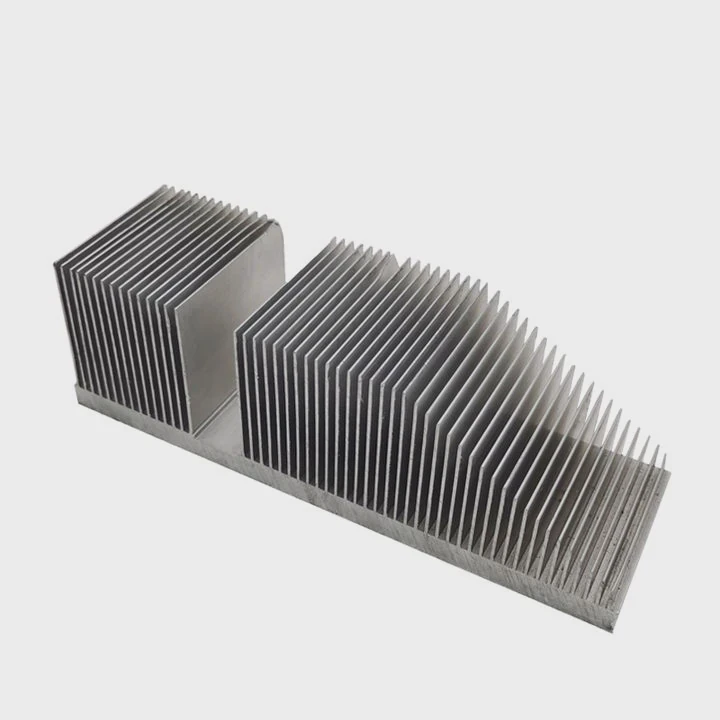
Some suppliers give a “complete quote” including tooling fee, sample mold, and unit price based on expected volume. That is helpful because you see total upfront payment.
Other suppliers split the quote: they show a “tooling fee” line and a “unit price” line. The tooling fee may be refundable or credited against future orders. That approach clarifies where costs come from.
Common quoting formats
| Format | Description | When used |
|---|---|---|
| All‑in quote (tooling + first batch units) | Supplier bundles all costs into first invoice | For small clients, single batch orders |
| Separate tooling fee + unit price | Tooling fee paid once; unit price lower | For repeat orders or long‑term business |
| Deferred tooling fee (paid with first batch) | Unit price reflects tooling amortisation | When buyer expects multiple orders |
If tooling cost is not included in the quote, buyer must be ready to pay a separate tooling fee before production starts. That delay may affect lead time. Always confirm tooling cost and payment terms early.
Also if you plan to modify design after tooling is built, the supplier may charge extra for new tooling. That may not be clear in the first quote. So ask whether design changes are allowed without extra tooling fees.
Conclusion
Tooling cost for vapor chambers ranges widely. Simple fixtures may cost a few thousand dollars. Complex molds and fixtures cost much more. Tooling cost usually depends on size, complexity, precision and material. Tooling cost can be spread over many orders. Some suppliers include it in first quote, others list it separately. Always ask clearly about tooling fee and amortisation plan.
TAGS
Latest Articles

Volume discount levels for heat sink orders?
Buyers often ask when heat sink prices start to drop with volume. Many worry they’re overpaying for small orders. This guide explains how B2B volume pricing works for thermal components. Heat sink
21 Dec,2025
Heat sink long-term supply contract options?
Many buyers want stable pricing and reliable delivery for heat sinks. But without a clear contract, risks grow over time. This article explores how to secure better long-term supply deals. Long-term
21 Dec,2025
Tooling cost for new heat sink profiles?
Many engineers struggle to understand why tooling for custom heat sinks costs so much. They worry about budgeting and production timelines. This article breaks down the cost drivers behind tooling.
21 Dec,2025
Heat sink custom sample process steps?
Sometimes, starting a custom heat sink project feels overwhelming—too many steps, too many unknowns, and too many risks. You want a sample, but not endless delays. The process for requesting and
20 Dec,2025
Standard B2B terms for heat sink payments?
When buyers and sellers in B2B heat sink markets talk about payment, many don’t fully understand what’s standard. This can lead to delayed orders, miscommunication, and even lost business
20 Dec,2025
Heat sink pricing factors for large orders?
Heat sinks are vital for many systems. When prices rise, projects stall and budgets break. This problem can hit teams hard without warning. Large order heat sink pricing depends on many factors. You
20 Dec,2025Related Articles
- How to optimize Vapor Chamber mass production?
- Are there patented Vapor Chamber designs?
- Vapor Chamber 3D modeling guidelines?
- How to calculate Vapor Chamber efficiency?
- Vapor Chamber REACH analysis documentation?
- Vapor Chamber import regulations in USA?
- Can Vapor Chamber be welded?
- Vapor Chamber requirements for CE marking?
- Best simulation software for Vapor Chamber?
- Vapor Chamber compliance with fire safety?
- Vapor Chamber choice for embedded systems
- Does Vapor Chamber need periodic cleaning?
Author
Dr. Emily Chen
Chief AI Researcher
Leading expert in thermal dynamics and AI optimization with over 15 years of experience in data center efficiency research.
Categories
Latest Products






Recommend Categories
- Liquid cooling plate Manufacturer
- Industrial Heat Sink Manufacturer
- Standard Heat Sink Manufacturer
- Aluminum Heat Sink Manufacturer
- Copper Heat Sink Manufacturer
- Anodized Heatsink Manufacturer
- Stamping heat sink Manufacturer
- Die Casting Heatsink Manufacturer
- Soldering heat sink Manufacturer
- CNC Parts Manufacturer
Latest Products
- Wholesale Aluminum Radiator
- Water Cooling Plate Kit
- Water Cooling Heat Sink
- Water Cooling Heat Sink Kit
- Stainless Steel Water Distributor
- Server Water Cooling Plate Kit
- Server Liquid Cooling System
- Server Aluminum Cooling Kit
- S19 Full Cover Cooling Plate
- S19 Cooling Plate Kit
- S19 Aluminum Cooling Plate
Contact Expert
Have questions about this article? Reach out to our experts directly.