How to avoid Vapor Chamber leakage?
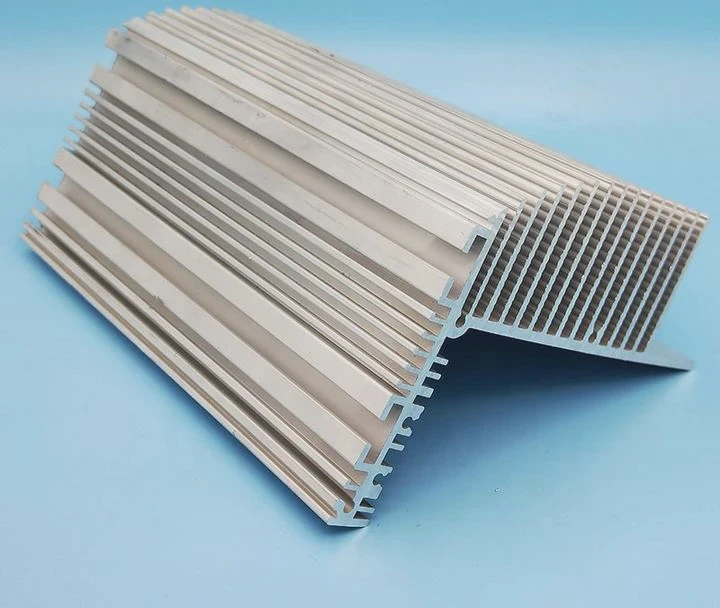
Leaks are a hidden threat in vapor chambers. One small flaw can destroy thermal performance. Even invisible micro-leaks can cause long-term failure. That’s why leak prevention must be part of the design, manufacturing, and inspection process.
To avoid vapor chamber leakage, control manufacturing quality, use robust sealing methods, test for vacuum integrity, and design with leak-prevention features. Prevention starts early — not after a problem appears.
Leakage is not always obvious. Sometimes it happens slowly over months. Below, I explain what causes leaks, how to prevent them, and how smart design choices can lower risk permanently.
What causes vapor-chamber leakage in manufacturing?
Leaks rarely come from one big crack. Most leaks start small — from a bad weld, a tiny flaw in material, or even trapped contaminants. These issues are hard to spot without proper process control.
Vapor chamber leaks are usually caused by poor welding, uneven sealing, micro-cracks from stress, or contamination trapped during assembly. Quality control in each step is critical.
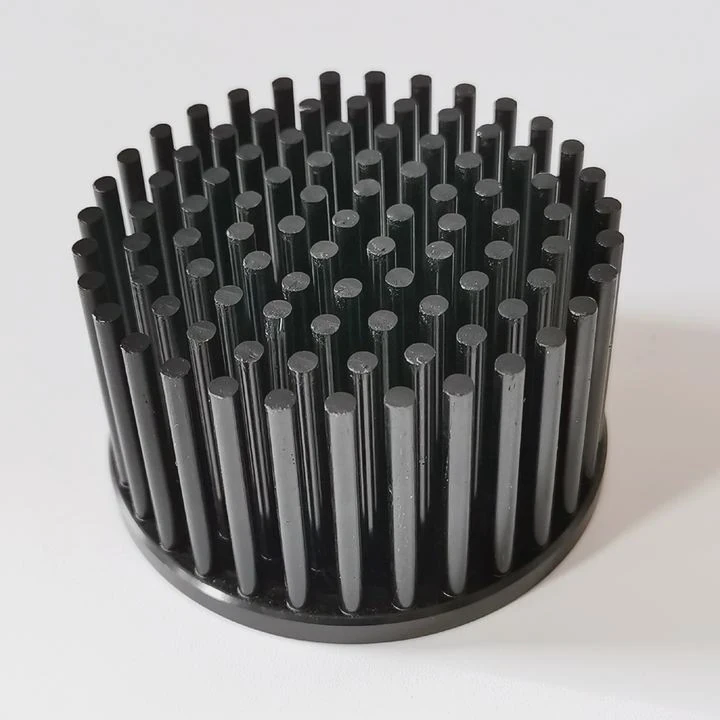
Common Causes of Manufacturing Leaks
| Cause | Description | Typical Risk Level |
|---|---|---|
| Poor seam welding | Incomplete penetration, inconsistent heat | High |
| Fill tube seal failure | Weak joint or improper cap sealing | Medium |
| Internal contamination | Dust, oil, or flux residue during sealing | Medium |
| Thin material defects | Pinholes in ultra-thin copper sheets | High |
| Post-process stress crack | Cracking from forming, bending, or handling | Medium |
| Insufficient vacuum dry-out | Moisture or air pockets expand post-sealing | High |
One key risk is thermal expansion mismatch between chamber materials (e.g. copper + aluminum hybrid shells). If parts expand differently during sealing or usage, micro-cracks can open over time.
Another major source of leak is the fill tube zone. After fluid filling and vacuum charging, this port must be sealed — often using laser welding, soldering, or crimping. If not done properly, it becomes the weak point.
To reduce risk, cleanroom-level handling, degreasing, vacuum drying, and precise welding must be used. Any residue — like flux, oil, or dust — trapped during sealing may degrade over time and create leak paths.
Which sealing methods minimise leak risk?
Different vapor chambers use different sealing methods. Some are stronger than others. A poor seal turns into a leak. Choosing the right sealing method is one of the best ways to avoid failure.
Laser welding, diffusion bonding, and high-precision brazing are the most reliable sealing methods for vapor chambers. They minimize leak risk if done under controlled conditions.
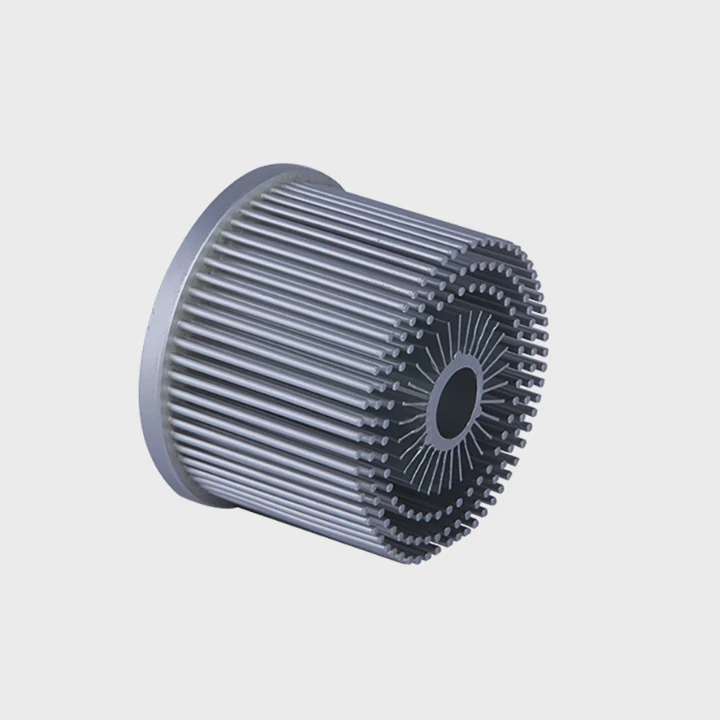
Comparison of Sealing Methods
| Method | Leak Risk | Strength | Notes |
|---|---|---|---|
| Laser Welding | Very Low | High | Best for edge sealing and fill port |
| Diffusion Bonding | Very Low | Medium | Seamless, no filler, high precision |
| Vacuum Brazing | Low | High | Strong for large plates, uses filler |
| Solder Sealing | Medium | Medium | Common but sensitive to voids |
| Mechanical Crimping | High | Low | Fast, but weakest, rarely used alone |
Laser welding is widely used for its ability to create narrow, deep, clean welds — especially on copper or stainless steel. It’s ideal for:
- Edge seams
- Fill port sealing
- Thin-wall joints
Diffusion bonding is used in high-end aerospace vapor chambers. It bonds without filler — perfect for ultra-flat, leak-proof chambers.
Vacuum brazing is suited for aluminum or hybrid designs, where multiple parts must be joined. It needs tight process control to avoid voids or flux entrapment.
Solder sealing is cheaper but prone to micro-leaks if not cleaned or inspected properly. Flux residue can also trap moisture, increasing post-seal risk.
For all methods, weld/thermal process parameters (power, time, gas environment) must be tightly controlled. Use shielding gas (e.g. argon) during welds. And always test each sealed unit for leaks — not just batch samples.
How is vacuum integrity tested post-assembly?
Even a good-looking chamber may have an invisible leak. That’s why vacuum integrity must be tested — every time. Skipping this step is asking for field failure.
Vacuum integrity is tested using helium leak detection, pressure decay, or mass spectrometry. These methods reveal micro-leaks down to 10⁻⁹ mbar·L/s.
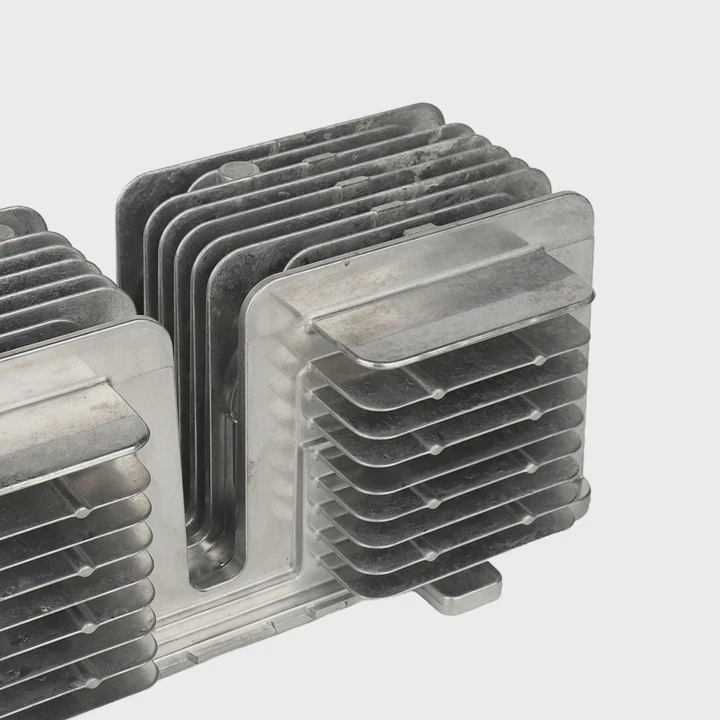
Leak Test Methods
| Method | Sensitivity | Notes |
|---|---|---|
| Helium Mass Spectrometry | 10⁻⁹ mbar·L/s | Best method, detects micro-leaks |
| Pressure Decay | 10⁻³ mbar·L/s | Slower, easier, less sensitive |
| Bubble Immersion | Visual leaks | Simple but only sees large defects |
| Residual Gas Analysis | High precision | Detects trapped air/moisture inside |
| Dye Penetration | Low | Crude, not for sealed chambers |
Helium testing is industry standard. Why helium?
- It’s small and mobile
- Doesn’t react with chamber materials
- Easily detectable at very low concentrations
Helium is injected outside a sealed chamber, then a detector inside senses leaks. Or, the chamber is filled with helium and placed in a vacuum chamber. Any escaping gas is detected by mass spectrometer.
Pressure decay is simpler: the chamber is pressurized (or evacuated), then sealed, and the pressure drop is measured over time.
For best practice:
- Test every unit post-sealing
- Record leak rate vs batch number
- Reject chambers above leak threshold (e.g. >10⁻⁶ mbar·L/s)
Many vendors skip full-unit helium tests to save cost. But for critical thermal applications (server, EV, aerospace), this is not acceptable.
Can design changes reduce leakage occurrences?
Prevention starts at the design table — not just in the factory. Some geometries, materials, and details are more leak-prone than others. Smart design lowers stress and simplifies sealing.
Yes — design changes like rounded corners, uniform wall thickness, proper seam placement, and strong material selection help reduce leakage risks significantly.
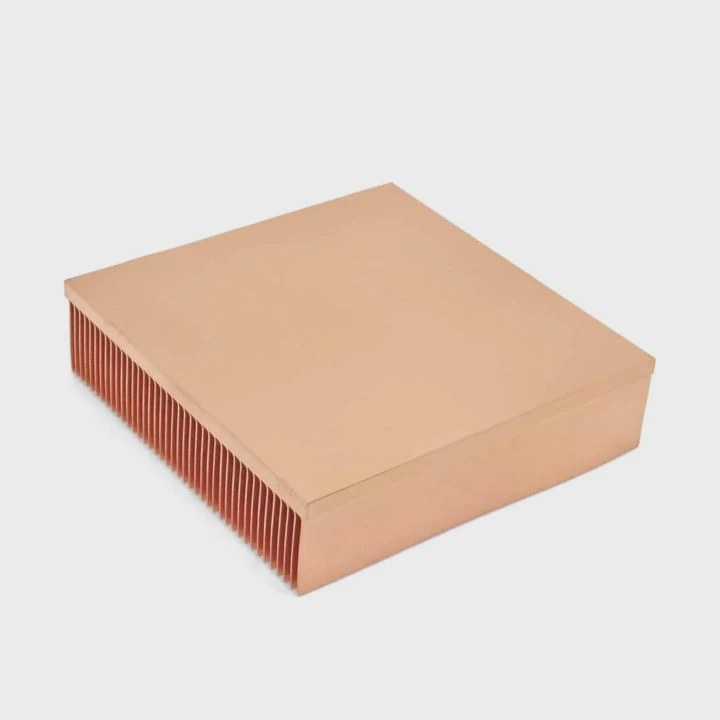
Design Tips to Avoid Leakage
| Design Factor | Recommendation |
|---|---|
| Corner Geometry | Use fillets (R ≥ 1 mm) to reduce stress |
| Fill Tube Location | Keep accessible, flat, away from edges |
| Material Pairing | Match CTE if using hybrid metals |
| Seam Placement | Avoid seam overlap with functional zones |
| Wall Thickness | ≥ 0.3 mm for copper, ≥ 0.6 mm for aluminum |
| Internal Pressure Control | Design for stable vapor pressure |
| Avoid Sharp Bends | Bend radius ≥ 2× thickness to avoid cracks |
Other smart strategies:
- Use full perimeter weld instead of spot welds
- Limit size and complexity to reduce seam length
- Avoid mixing copper with aluminum unless diffusion bonded
- If using a composite shell, apply symmetric layering
Also, design chambers so that testing is easy: include access ports or flat faces for leak checks. Some teams design a temporary helium fill port, then seal it fully after testing.
Finally, work closely with the manufacturer early. Co-design around their process capabilities — this prevents surprises and speeds development.
Conclusion
Avoiding vapor chamber leakage requires care in design, choice of sealing method, and strict testing. Most leaks start small — a bad weld, a fill port flaw, or thin corner. To stop them, start early. Use laser welding or diffusion bonding, test every part, and design chambers that are built to last.
TAGS
Latest Articles

Volume discount levels for heat sink orders?
Buyers often ask when heat sink prices start to drop with volume. Many worry they’re overpaying for small orders. This guide explains how B2B volume pricing works for thermal components. Heat sink
21 Dec,2025
Heat sink long-term supply contract options?
Many buyers want stable pricing and reliable delivery for heat sinks. But without a clear contract, risks grow over time. This article explores how to secure better long-term supply deals. Long-term
21 Dec,2025
Tooling cost for new heat sink profiles?
Many engineers struggle to understand why tooling for custom heat sinks costs so much. They worry about budgeting and production timelines. This article breaks down the cost drivers behind tooling.
21 Dec,2025
Heat sink custom sample process steps?
Sometimes, starting a custom heat sink project feels overwhelming—too many steps, too many unknowns, and too many risks. You want a sample, but not endless delays. The process for requesting and
20 Dec,2025
Standard B2B terms for heat sink payments?
When buyers and sellers in B2B heat sink markets talk about payment, many don’t fully understand what’s standard. This can lead to delayed orders, miscommunication, and even lost business
20 Dec,2025
Heat sink pricing factors for large orders?
Heat sinks are vital for many systems. When prices rise, projects stall and budgets break. This problem can hit teams hard without warning. Large order heat sink pricing depends on many factors. You
20 Dec,2025Related Articles
- Does Vapor Chamber need corrosion protection?
- Vapor Chamber return policy examples?
- Why choose Vapor Chamber over heatsink?
- What is Vapor Chamber scrap rate?
- Heat transfer coefficient of Vapor Chamber?
- How to cut Vapor Chamber to custom shapes?
- Can Vapor Chamber function under vibration?
- Vapor Chamber for telecom cooling racks
- Which industries demand Vapor Chamber most?
- Vapor Chamber material selection guidelines
- Recommended inspection tools for Vapor Chamber?
- Vapor Chamber machining lubrication options?
Author
Dr. Emily Chen
Chief AI Researcher
Leading expert in thermal dynamics and AI optimization with over 15 years of experience in data center efficiency research.
Categories
Latest Products






Recommend Categories
- Liquid cooling plate Manufacturer
- Industrial Heat Sink Manufacturer
- Standard Heat Sink Manufacturer
- Aluminum Heat Sink Manufacturer
- Copper Heat Sink Manufacturer
- Anodized Heatsink Manufacturer
- Stamping heat sink Manufacturer
- Die Casting Heatsink Manufacturer
- Soldering heat sink Manufacturer
- CNC Parts Manufacturer
Latest Products
- Wholesale Aluminum Radiator
- Water Cooling Plate Kit
- Water Cooling Heat Sink
- Water Cooling Heat Sink Kit
- Stainless Steel Water Distributor
- Server Water Cooling Plate Kit
- Server Liquid Cooling System
- Server Aluminum Cooling Kit
- S19 Full Cover Cooling Plate
- S19 Cooling Plate Kit
- S19 Aluminum Cooling Plate
Contact Expert
Have questions about this article? Reach out to our experts directly.