What is a liquid cooling system?
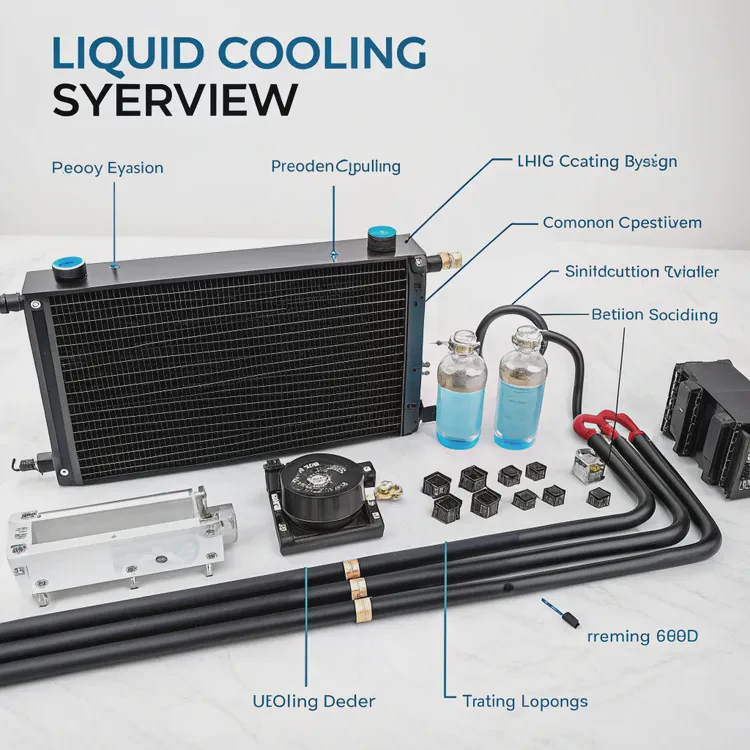
Every modern machine — from cars to computers — generates heat when operating. Managing that heat efficiently is critical for performance, reliability, and safety.
A liquid cooling system is a thermal management method that uses a circulating fluid to absorb and transfer heat away from components, maintaining optimal operating temperatures.
Instead of relying solely on air, a liquid coolant moves through channels or pipes, carrying heat to a radiator or heat exchanger, where it is released into the surrounding environment. This system is widely used where air cooling is insufficient — in vehicles, data centers, power electronics, and high-performance computing.
Liquid cooling systems are designed for efficiency, stability, and durability. By using fluids with high heat capacity, they can handle significantly more thermal load than traditional air-based systems.
How does a liquid cooling system operate?
At its core, a liquid cooling system operates on simple thermodynamic principles — conduction and convection.
The system works by circulating coolant through heat-generating components, absorbing heat, and releasing it through a radiator or exchanger.
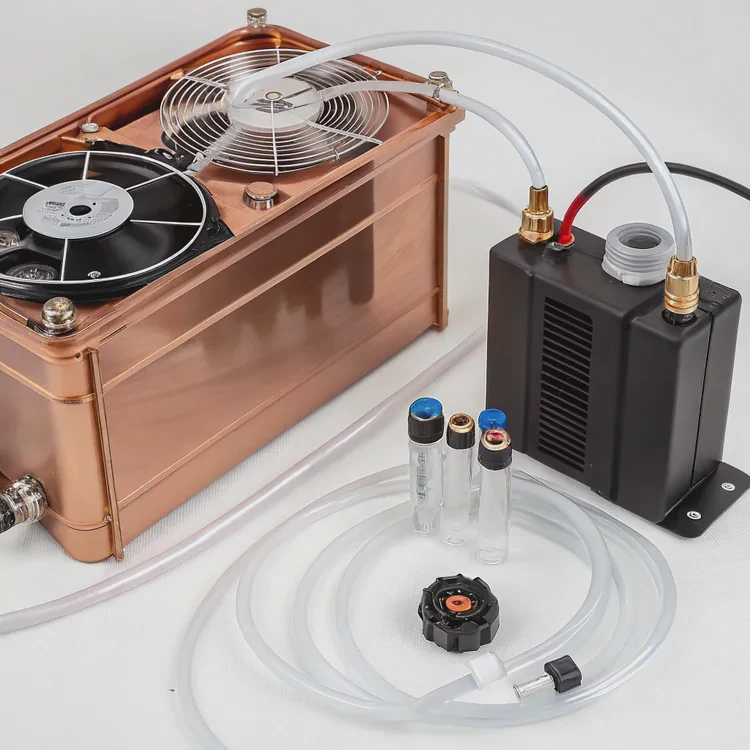
The goal is to move heat efficiently from where it’s produced to where it can be safely dissipated.
The Working Cycle
Heat Absorption:
The coolant flows through a cold plate or heat exchanger in direct contact with the hot component (like a CPU, power module, or engine block). The fluid absorbs the heat through conduction.Heat Transfer:
The now-warmed coolant travels through tubes or channels to a radiator or external cooling unit.Heat Dissipation:
Airflow across the radiator fins removes the heat from the coolant, releasing it into the atmosphere.Recirculation:
The cooled fluid is pumped back into the system, completing the loop.
This continuous cycle maintains consistent component temperatures even under heavy or prolonged loads.
Main Components of a Liquid Cooling System
| Component | Function | Typical Material |
|---|---|---|
| Pump | Moves coolant through the loop | Aluminum or polymer housing |
| Coolant | Transfers heat between components | Water-glycol or dielectric fluid |
| Cold Plate / Heat Block | Transfers heat from component to coolant | Copper, aluminum, or stainless steel |
| Radiator / Heat Exchanger | Dissipates heat into the air | Finned aluminum or copper |
| Reservoir | Stores and degasses coolant | Acrylic or metal |
| Tubing | Connects system components | Silicone, PVC, or PTFE |
| Fan | Assists air circulation through radiator | Plastic with PWM speed control |
Coolant Flow and Temperature Control
The flow rate and coolant temperature are carefully controlled by sensors and regulators. Many advanced systems use variable-speed pumps and smart controllers to balance performance with energy efficiency.
For example, in high-performance computing, the pump adjusts flow rate dynamically to match CPU/GPU workload intensity, maintaining stable thermal conditions.
Example: Simplified Flow Sequence
Pump → Cold Plate → Radiator → Reservoir → Pump
This loop repeats thousands of times per minute, keeping the system cool, consistent, and safe from thermal overload.
What are its key benefits over air cooling?
Air cooling is simple, but it has limits. As devices become more powerful and compact, air can’t always remove heat fast enough.
Liquid cooling offers superior heat transfer efficiency, stable temperatures, quieter operation, and improved performance over air-based systems.
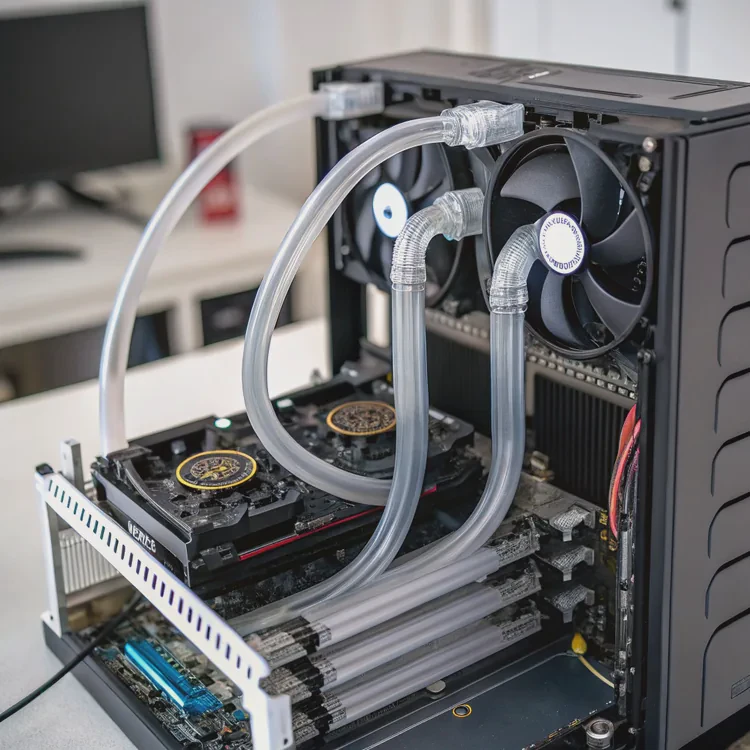
1. Higher Heat Transfer Efficiency
Water and specialized coolants have far greater thermal conductivity than air.
- Water’s heat capacity: ~4,200 J/kg·K
- Air’s heat capacity: ~1,000 J/kg·K
That means liquid can absorb and carry away about four times more heat per unit mass, making it ideal for dense or high-power systems.
2. Stable and Consistent Temperatures
Liquid cooling systems distribute heat evenly across all components, reducing “hot spots.” This ensures steady performance under variable loads, essential for high-precision equipment or long operational cycles.
3. Reduced Noise Levels
Fans in air cooling must spin faster to move large amounts of air, often creating significant noise.
In contrast, liquid systems rely primarily on fluid flow and larger, slower fans — resulting in quieter operation, especially in workstations and data centers.
4. Compact Design and Flexibility
Because liquid can transport heat over distance, the cooling unit (radiator or heat exchanger) can be placed remotely from the heat source. This makes it easier to design compact, efficient systems without bulky fans or heat sinks.
5. Enhanced Performance and Longevity
Stable thermal control allows devices to run at peak speed without thermal throttling. Lower temperatures also reduce component wear, increasing system reliability and service life.
6. Scalability and Integration
Liquid systems can handle multiple heat sources within the same loop — for instance, cooling both CPU and GPU in a computer, or multiple inverters in an EV powertrain.
7. Environmental and Energy Efficiency
Because liquid cooling can remove heat more effectively, it often uses less fan power and reduces total energy consumption.
For example, large data centers using liquid cooling can achieve 30–40% energy savings compared to traditional air-cooled setups.
Comparison: Liquid Cooling vs. Air Cooling
| Feature | Air Cooling | Liquid Cooling |
|---|---|---|
| Cooling Efficiency | Moderate | High |
| Noise Level | Higher | Lower |
| Component Temperature | Less stable | More consistent |
| Maintenance | Simple | Requires checks and coolant changes |
| Space Requirement | Larger | More flexible |
| Power Efficiency | Lower | Higher |
| Typical Use | Consumer electronics | High-performance or industrial systems |
Liquid cooling delivers superior heat management where performance, reliability, or compactness is critical — from supercomputers to electric vehicles.
Where is liquid cooling commonly used?
Liquid cooling isn’t limited to one industry. It appears wherever high power density and heat management challenges arise.
Common applications include electronics, automotive systems, renewable energy, data centers, aerospace, and medical equipment.
1. Computing and Electronics
High-Performance PCs and Servers:
CPUs, GPUs, and memory modules use liquid cooling for stable performance during gaming, simulation, or AI training.Data Centers:
Large-scale server racks generate enormous heat loads. Liquid-cooled systems using cold plates or immersion baths drastically reduce energy spent on air conditioning.Semiconductor Equipment:
Precision temperature control is essential during chip fabrication; liquid cooling keeps process tools stable within fractions of a degree.
2. Automotive and Transportation
Electric Vehicles (EVs):
Liquid cooling is vital for battery packs, motors, and inverters to prevent overheating and maintain efficiency.Internal Combustion Engines:
Cars and trucks have long used liquid cooling through radiators, water pumps, and thermostats to regulate combustion heat.Aviation and Rail:
Power converters, avionics, and traction systems use liquid-cooled modules to manage continuous high-power operation.
3. Renewable Energy Systems
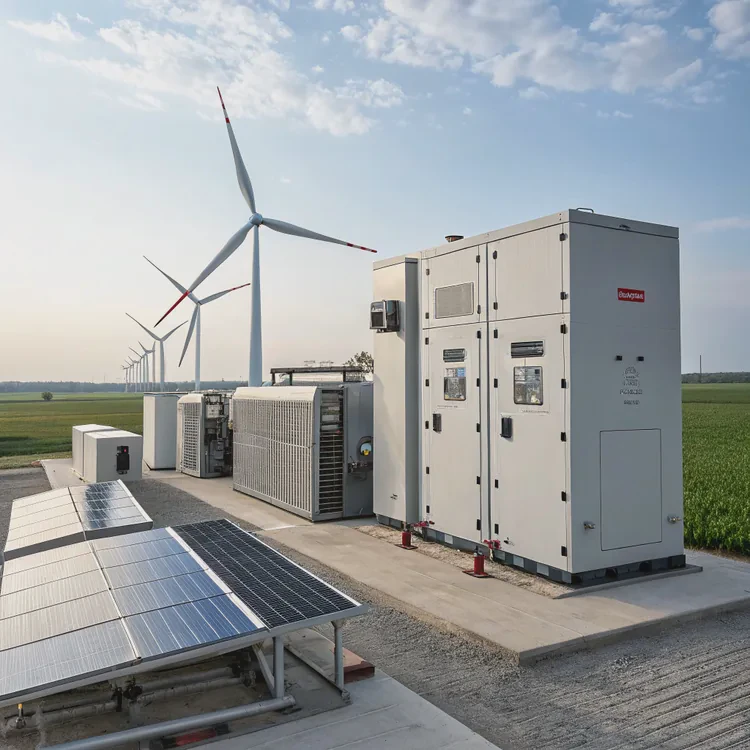
In wind turbines and solar inverters, liquid cooling stabilizes electronic control systems and prevents heat buildup, ensuring consistent output even under variable load and ambient temperatures.
4. Medical and Industrial Equipment
Medical lasers, MRI machines, and high-power diagnostic devices rely on liquid cooling for precise temperature control. Consistency here ensures both performance accuracy and patient safety.
5. Defense and Aerospace
In radar systems, satellites, and aircraft electronics, liquid cooling ensures reliability in extreme conditions, from desert heat to high-altitude cold.
Example: Use Across Industries
| Industry | Application | Cooling Type |
|---|---|---|
| Computing | CPUs, GPUs, Servers | Water/AIO Loop |
| Automotive | EV batteries, engines | Glycol-water mix |
| Energy | Inverters, converters | Liquid cold plates |
| Medical | Lasers, scanners | Deionized water loops |
| Aerospace | Avionics, sensors | Dielectric fluids |
In each field, liquid cooling enables performance and longevity that air cooling cannot match.
How is liquid cooling evolving in technology?
As technology advances, thermal loads increase — but so do expectations for energy efficiency and sustainability.
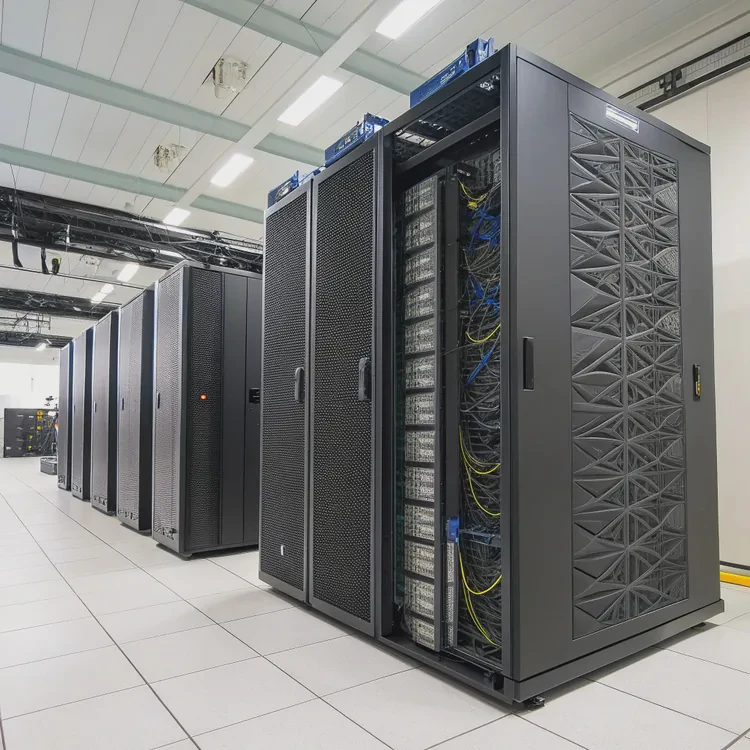
Liquid cooling is evolving through smart controls, advanced materials, immersion systems, and eco-friendly fluids.
1. Smart Thermal Management
Next-generation liquid cooling systems integrate sensors and AI-based controllers. These systems dynamically adjust pump speeds, valve positions, and flow rates based on real-time temperature and workload data.
This results in:
- Reduced energy consumption
- Predictive cooling adjustments
- Longer component life
2. Advanced Coolants and Nanofluids
Research is moving toward high-performance fluids that improve heat transfer by adding nanoparticles (e.g., aluminum oxide, copper oxide). These “nanofluids” enhance conductivity by up to 30%, while maintaining electrical insulation.
In addition, dielectric coolants are being developed for direct-contact cooling in electronics, eliminating the need for traditional heat exchangers.
3. Immersion Cooling
Immersion cooling submerges entire electronic components in a dielectric liquid that directly absorbs heat. This approach:
- Eliminates the need for fans entirely.
- Achieves ultra-low noise and high energy efficiency.
- Simplifies system design for dense computing environments.
This technology is gaining traction in hyperscale data centers and AI supercomputers.
4. Microchannel and 3D Cooling
New designs feature microchannel cold plates and 3D-printed heat exchangers. These allow ultra-thin coolant pathways close to heat sources, improving local cooling and reducing size and weight.
5. Integration in Electric and Hybrid Systems
In electric vehicles, next-gen cooling systems integrate batteries, motors, and onboard chargers within shared cooling loops, reducing weight and complexity. Some designs even use phase-change materials (PCM) to store and release thermal energy dynamically.
6. Sustainable and Recyclable Fluids
Environmental concerns are driving the adoption of non-toxic, biodegradable, and glycol-free coolants. These fluids provide the same thermal performance as traditional glycols while reducing environmental impact.
7. Compact Modular Cooling Units
Manufacturers now offer modular liquid cooling systems that can be added or removed easily. These “plug-and-play” modules simplify maintenance and make scaling easier in both industrial and IT applications.
8. Liquid Cooling in Emerging Fields
- 5G Telecom: Base stations and antennas use liquid cooling to manage compact, high-power RF amplifiers.
- Quantum Computing: Precise thermal control is critical for maintaining qubit stability.
- AI and Edge Computing: Compact data nodes rely on liquid systems for quiet, energy-efficient cooling.
Example: Liquid Cooling Evolution Timeline
| Year | Innovation | Impact |
|---|---|---|
| 1990s | Automotive radiator systems | Standardized heat management |
| 2000s | PC liquid cooling kits | Introduced consumer-level thermal control |
| 2010s | Immersion cooling in data centers | Major energy savings |
| 2020s | AI-controlled smart pumps | Precision and automation |
| 2030+ | Nanofluid and PCM hybrid systems | Next-level thermal efficiency |
The Road Ahead
As devices continue to shrink while power demands grow, liquid cooling will move from optional to essential across industries. Its adaptability — from small electronics to massive industrial plants — ensures it remains a cornerstone of thermal engineering.
Conclusion
A liquid cooling system uses fluid circulation to absorb and remove heat from sensitive components, outperforming air cooling in efficiency, stability, and scalability. It’s used in fields from computing to transportation, where thermal control defines performance.
With the rise of AI, electric mobility, and nanotechnology, liquid cooling is evolving into a smart, eco-friendly, and integral part of next-generation thermal management systems worldwide.
TAGS
Latest Articles

Volume discount levels for heat sink orders?
Buyers often ask when heat sink prices start to drop with volume. Many worry they’re overpaying for small orders. This guide explains how B2B volume pricing works for thermal components. Heat sink
21 Dec,2025
Heat sink long-term supply contract options?
Many buyers want stable pricing and reliable delivery for heat sinks. But without a clear contract, risks grow over time. This article explores how to secure better long-term supply deals. Long-term
21 Dec,2025
Tooling cost for new heat sink profiles?
Many engineers struggle to understand why tooling for custom heat sinks costs so much. They worry about budgeting and production timelines. This article breaks down the cost drivers behind tooling.
21 Dec,2025
Heat sink custom sample process steps?
Sometimes, starting a custom heat sink project feels overwhelming—too many steps, too many unknowns, and too many risks. You want a sample, but not endless delays. The process for requesting and
20 Dec,2025
Standard B2B terms for heat sink payments?
When buyers and sellers in B2B heat sink markets talk about payment, many don’t fully understand what’s standard. This can lead to delayed orders, miscommunication, and even lost business
20 Dec,2025
Heat sink pricing factors for large orders?
Heat sinks are vital for many systems. When prices rise, projects stall and budgets break. This problem can hit teams hard without warning. Large order heat sink pricing depends on many factors. You
20 Dec,2025Related Articles
- How does liquid cooling work in PCs?
- Which is better, air cooled or liquid cooled engine?
- Does a 4090 need liquid cooling?
- Can full test reports and certifications be delivered with orders?
- Do we have green certifications for our production processes?
- What export regulations apply to heat sinks for the US market?
- How to make a liquid cooling system?
- How to check if liquid cooling is working?
- Is a liquid cooling system worth it?
- What is liquid cooling made of?
- How often to change liquid cooling?
- How to mount a liquid CPU cooler?
Author
Dr. Emily Chen
Chief AI Researcher
Leading expert in thermal dynamics and AI optimization with over 15 years of experience in data center efficiency research.
Categories
Latest Products






Recommend Categories
- Liquid cooling plate Manufacturer
- Industrial Heat Sink Manufacturer
- Standard Heat Sink Manufacturer
- Aluminum Heat Sink Manufacturer
- Copper Heat Sink Manufacturer
- Anodized Heatsink Manufacturer
- Stamping heat sink Manufacturer
- Die Casting Heatsink Manufacturer
- Soldering heat sink Manufacturer
- CNC Parts Manufacturer
Latest Products
- Wholesale Aluminum Radiator
- Water Cooling Plate Kit
- Water Cooling Heat Sink
- Water Cooling Heat Sink Kit
- Stainless Steel Water Distributor
- Server Water Cooling Plate Kit
- Server Liquid Cooling System
- Server Aluminum Cooling Kit
- S19 Full Cover Cooling Plate
- S19 Cooling Plate Kit
- S19 Aluminum Cooling Plate
Contact Expert
Have questions about this article? Reach out to our experts directly.