Vapor Chamber manufacturing time estimation?
Feel the pressure when deadlines loom and cooling modules still sit in tooling? Time delays cut into cost and delivery.
Estimating manufacturing time for a vapor chamber is essential because production contains multiple steps—each with its own typical duration and variability—so good planning means better cost control and on‑time delivery.
In the sections below I walk through step‑by‑step time estimates, major lead‑time drivers, prototyping/tooling delay impacts and why accurate time estimation matters for mass production.
How long does each step in Vapor Chamber production typically take?
Thinking of a simplified timeline helps align expectations with reality.
Each key manufacturing step for a vapor chamber—from shell forming to vacuum fill and testing—typically takes anywhere from a few hours to several days, depending on complexity and volume.
Breakdown of production steps & typical durations
Here is a rough guide to the major production stages of a vapor chamber, with estimated time ranges based on typical B2B manufacturing (custom OEM/ODM) environments. Actual times will vary with design, tooling, automation and batch size.
| Production step | Typical duration per unit (or batch) | Notes on influencing factors |
|---|---|---|
| Shell stamping / forming | 0.5‑2 hours (per piece) | Depends on thickness, material, number of pieces |
| Wick structure insertion / sintering | 1‑4 hours | Mesh vs sintered powder, batch vs single |
| Brazing/welding of shell | 2‑6 hours | Tooling set‑up, number of seams, material |
| Vacuum evacuation & working fluid fill | 1‑3 hours | Chamber volume, fill automation, leak prep |
| Leak testing & quality inspection | 0.5‑2 hours | Pressure test, helium/infrared inspection |
| Surface finishing / coating / plating | 0.5‑2 hours | Nickel plating, powder coating, etch steps |
| Packaging & shipping prep | 0.25‑1 hour | Protective packing, labeling, logistics |
Batch vs single unit considerations
While the above gives per‑unit times, in reality many steps are done in batches. For example:
- A tooling die may form 100 pieces in a single run (so shell forming time per piece is smaller in practice).
- Sintering of wick structures might be done in an oven loading many units (so time per unit drops).
- Vacuum fill stations may process multiple chambers sequentially in one shift.
Batch processing reduces per‑unit time significantly in well‑configured high‑volume lines.
Example scenario
If you plan a batch of 1,000 units, with moderate complexity, you might have:
- Shell forming & welding in one shift (8 hours for all units)
- Wick insertion and sintering next shift
- Vacuum fill line in morning of next day
- Inspection finishing by afternoon
So total elapsed calendar time might be ~2‑3 days from forming to packaged units for that batch (not counting tooling set‑up or material procurement).
Key takeaway
Each step may look small, but the sum matters. When you add in tooling set‑up, material arrival, changeovers and non‑ideal yield, the total manufacturing time per lot may stretch beyond initial estimates.
What factors most influence Vapour Chamber lead‑time from order to delivery?
Lead‑time doesn’t only depend on manufacturing cycle time, many upstream and downstream elements affect the total.
Key factors influencing lead‑time for vapor chambers include design complexity, tooling set‑up, material sourcing, batch size, inspection yield, and shipping/logistics.
Main levers affecting lead‑time
Design & Engineering Complexity
- Custom shapes, thin profiles, exotic materials require special tooling or longer development.
- The number of welds, internal wick complexity and unusual shell geometries increase set‑up time.
- Custom shapes, thin profiles, exotic materials require special tooling or longer development.
Tooling & Equipment Set‑Up
- Creating stamping dies, welding fixtures, vacuum fill rigs takes time.
- Change‑overs or new product runs often add days or weeks to lead‑time.
- Creating stamping dies, welding fixtures, vacuum fill rigs takes time.
Material Procurement
- If using specialty copper alloy, sintered wick, or high‑purity working fluid, lead‑time for suppliers may delay start of production.
- Long supply chains or imported materials add risk.
- If using specialty copper alloy, sintered wick, or high‑purity working fluid, lead‑time for suppliers may delay start of production.
Batch Size & Production Scheduling
- Small batches mean less efficiency and longer per unit lead‑time.
- Waiting for full batch or combining orders to optimise run often delays start.
- Small batches mean less efficiency and longer per unit lead‑time.
Inspection, Yield & Rework
- If yield is low or inspection reveals defects, rework adds unpredictability.
- Leak tests, packaging and quality sign‑off add buffer time.
- If yield is low or inspection reveals defects, rework adds unpredictability.
Logistics & Packaging
- Once units are ready, shipping, customs and transit time (especially for international B2B) add to delivery lead‑time.
Lead‑time example table
| Factor | Short lead‑time scenario | Longer lead‑time scenario |
|---|---|---|
| Design complexity | Standard size, common material | Custom shape, exotic alloy |
| Tooling & set‑up time | Reuse existing tooling | New die, new vacuum fill station |
| Batch size | 10,000 units | 500 units |
| Material supply | Local stocked copper | Custom copper alloy, non‑local supply |
| Inspection & yield | Yield > 98%, minimal rework | Yield < 95%, significant rework |
| Shipping/logistics | Domestic shipment | Cross‑border, customs, multi‑mode shipping |
Why this matters
Because the total lead‑time from order to delivery includes all non‑manufacturing steps. If you estimate only the manufacturing hours but ignore tooling, procurement and schedule delays, you will under‑promise and risk late delivery, cost overruns or scramble.
Can prototyping and tooling delays extend Vapor Chamber manufacturing time?
Yes — prototyping and tooling often dominate early lead‑time and can impact production ramp significantly.
Prototyping and tooling set‑up are primary causes of delay in vapor chamber production because they require iterations, mould/die creation, process validation and often lead‐time that extends weeks or months beyond production hours.
Prototyping phase
- Before full production, prototypes (sometimes a few units) are built to test geometry, performance, wick integration and sealing.
- Each iteration may require design tweaks, new tooling or updated welding fixtures.
- This phase can add weeks to the schedule, especially for new custom designs.
Tooling delays
- Creating stamping dies, forming tools, welding jigs and vacuum‑fill fixtures takes lead‑time (machine programming, machining, validation).
- Any change in design (e.g., shell thickness, shape changes) means new tooling or modification of existing tools → delays.
- If tooling is outsourced or shipped internationally, transport and assembly add further delay.
Process validation & yield ramp
- After tooling, initial runs need verification: leak testing, performance testing, reliability testing.
- If defects appear (seal failures, wick issues), the tooling or process may need adjustment before full production.
- This rampting up can take days to weeks, depending on severity of issues.
Impact illustration
Imagine a new vapor chamber design for an EV module:
- Tooling creation: 4 weeks
- Initial prototype build: 1 week
- Testing (leak, performance): 2 weeks
- Tool adjustment & rework: 1 week
- Production ramp start: Week 8
Thus the manufacturing time before full production may be ~8 weeks, not just the per‑unit production hours.
Key takeaway
Prototyping and tooling are not optional overheads — they are essential parts of lead‑time. Good planning must include these phases to avoid schedule slip and cost escalation.
Why is accurate time estimation critical for Vapor Chamber mass production planning?
In mass production, timing is just as important as cost, because delays ripple across supply‑chain, cost models and customer commitments.
Accurate time estimation ensures reliable delivery schedules, correct costing, efficient resource allocation, and helps minimise risk of delayed shipments, cost overruns and unhappy customers.
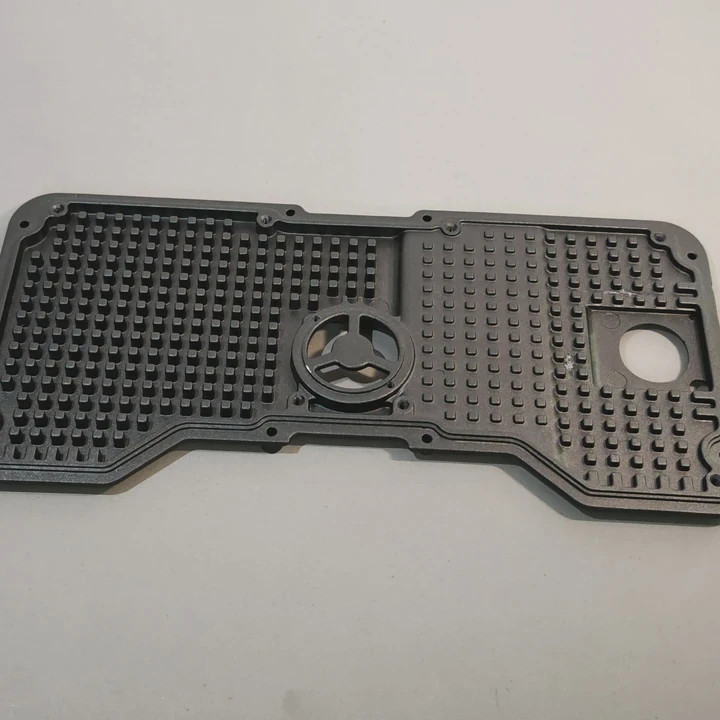
Importance of time estimation
- Delivery commitments: B2B customers (e.g., OEMs) plan their entire product launch around component delivery. A delay in vapor chambers disrupts system integration and launch.
- Cost modelling: Manufacturing time affects labour, overhead, machine usage and batch scheduling. Underestimating time may lead to understating cost.
- Inventory & cash‑flow: If lead‑time is longer than expected, inventory build‑up or delayed revenue may occur.
- Production scheduling: For mass production, line capacity, shift planning, tooling maintenance and throughput all depend on realistic time estimates.
- Quality control & yield impact: Time buffer is needed for inspection and potential rework. If time estimate is tight, any defect will cause schedule slip.
Consequences of inaccurate estimation
- Promised delivery date missed → customer dissatisfaction, penalty risk.
- Under‑budgeted labour/overtime cost increases.
- Poor utilisation of tooling (idle time) leading to cost inefficiency.
- Inability to react to yield drop or scrap‑rework delays.
Planning checklist for mass production
- Break down each production step and validate time by pilot run.
- Build in buffer for tooling change‑over, yield ramp and inspection delays.
- Track actual vs estimated time each batch to refine future estimates.
- Coordinate procurement lead‑times (materials) with manufacturing schedule.
- Align delivery schedule with logistics and packaging transit time.
Table: Planning metrics to monitor
| Metric | Target for good planning |
|---|---|
| Time per batch (hours/days) | Defined and tracked |
| Lead‑time from order to ship | Forecast vs actual variance |
| Batch change‑over time | Minimized & documented |
| Yield ramp‑up time | Estimate included in plan |
| Tooling set‑up & maintenance | Scheduled and allocated |
Conclusion
Estimating manufacturing time for vapor chambers is more than summing up machine hours. It involves mapping each production step, factoring in design complexity, tooling set‑up, batch scheduling, yield risks and logistics. By planning accurately, manufacturers can ensure on‑time delivery, controlled cost per unit and reliable mass‑production ramp‑up.
TAGS
Latest Articles

Volume discount levels for heat sink orders?
Buyers often ask when heat sink prices start to drop with volume. Many worry they’re overpaying for small orders. This guide explains how B2B volume pricing works for thermal components. Heat sink
21 Dec,2025
Heat sink long-term supply contract options?
Many buyers want stable pricing and reliable delivery for heat sinks. But without a clear contract, risks grow over time. This article explores how to secure better long-term supply deals. Long-term
21 Dec,2025
Tooling cost for new heat sink profiles?
Many engineers struggle to understand why tooling for custom heat sinks costs so much. They worry about budgeting and production timelines. This article breaks down the cost drivers behind tooling.
21 Dec,2025
Heat sink custom sample process steps?
Sometimes, starting a custom heat sink project feels overwhelming—too many steps, too many unknowns, and too many risks. You want a sample, but not endless delays. The process for requesting and
20 Dec,2025
Standard B2B terms for heat sink payments?
When buyers and sellers in B2B heat sink markets talk about payment, many don’t fully understand what’s standard. This can lead to delayed orders, miscommunication, and even lost business
20 Dec,2025
Heat sink pricing factors for large orders?
Heat sinks are vital for many systems. When prices rise, projects stall and budgets break. This problem can hit teams hard without warning. Large order heat sink pricing depends on many factors. You
20 Dec,2025Related Articles
- Standard rejection rate for Vapor Chamber?
- Can Vapor Chamber lower manufacturing costs?
- Can Vapor Chamber reduce carbon footprint?
- Vapor Chamber application in hazardous areas?
- Is Vapor Chamber suitable for high altitude use?
- What metal is used in GPU heatsinks?
- Does Vapor Chamber need patent license?
- Vapor Chamber supplier evaluation criteria?
- Can Vapor Chamber be retrofitted easily?
- Vapor Chamber intermediate storage conditions?
- Best ecosystems using Vapor Chamber technology?
- Common safety concerns for Vapor Chamber use?
Author
Dr. Emily Chen
Chief AI Researcher
Leading expert in thermal dynamics and AI optimization with over 15 years of experience in data center efficiency research.
Categories
Latest Products
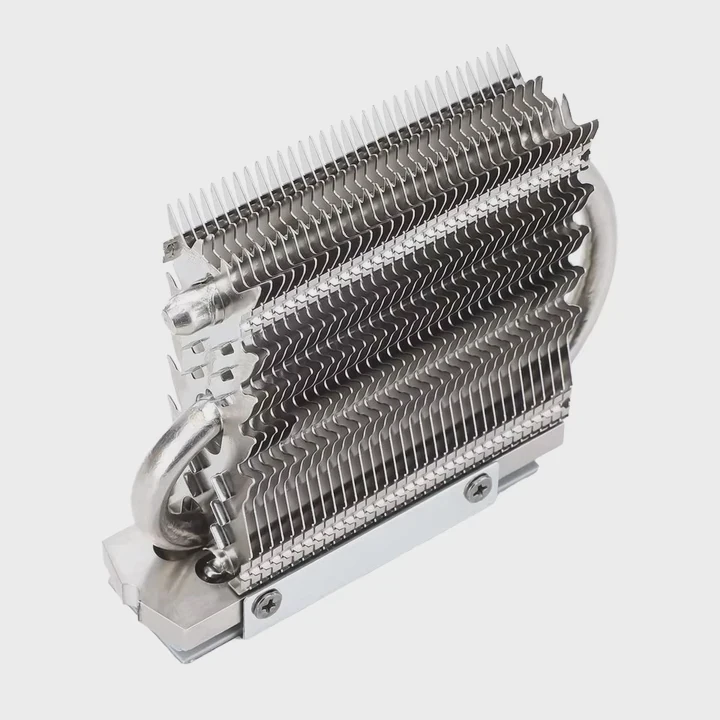
M.2 Heatpipe Heatsink With Dual Fans For Pc Case
19 Mar,2026
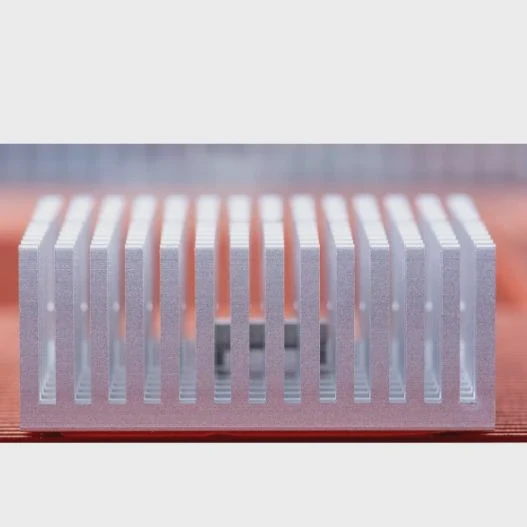
Heavy-Duty Aluminum Heat Sink Custom
19 Mar,2026
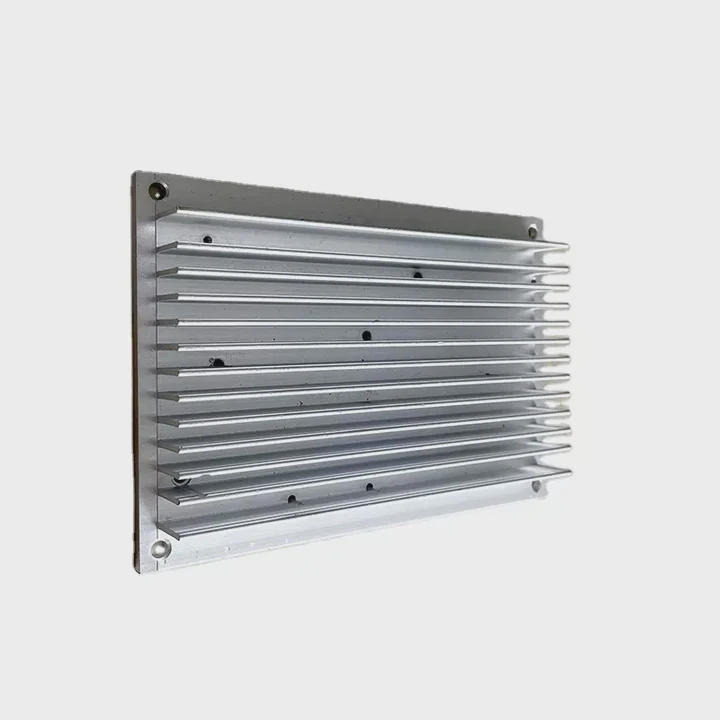
Oem Skived Fin Heatsink Aluminum Radiator For Plants
19 Mar,2026
Water Cooled Cnc Aluminum Heat Sink For Medical
19 Mar,2026
High Density 6000 Series Aluminum Heat Sink Profile
19 Mar,2026
High-Density Extruded Aluminum & Bonded-Fin Heat Sink Profile
19 Mar,2026
Recommend Categories
- Liquid cooling plate Manufacturer
- Industrial Heat Sink Manufacturer
- Standard Heat Sink Manufacturer
- Aluminum Heat Sink Manufacturer
- Copper Heat Sink Manufacturer
- Anodized Heatsink Manufacturer
- Stamping heat sink Manufacturer
- Die Casting Heatsink Manufacturer
- Soldering heat sink Manufacturer
- CNC Parts Manufacturer
Latest Products
- M.2 Heatpipe Heatsink With Dual Fans For Pc Case
- Heavy-Duty Aluminum Heat Sink Custom
- Oem Skived Fin Heatsink Aluminum Radiator For Plants
- Water Cooled Cnc Aluminum Heat Sink For Medical
- High Density 6000 Series Aluminum Heat Sink Profile
- High-Density Extruded Aluminum & Bonded-Fin Heat Sink Profile
- Dongguan Cnc Aluminum Heat Sink For Led & Brass Parts
- Wholesale Cnc Aluminum Heat Sink - Custom Extruded
- Led Cnc Round Heat Sink With Screw Holes
- Copper Pin-Fin Heat-Sink Large-Area For Photoled Cooling
- Telecom Heatsink Zipper Fin Wcopper Tubes Oem
Contact Expert
Have questions about this article? Reach out to our experts directly.