Collaboration opportunity for Vapor Chamber technology?
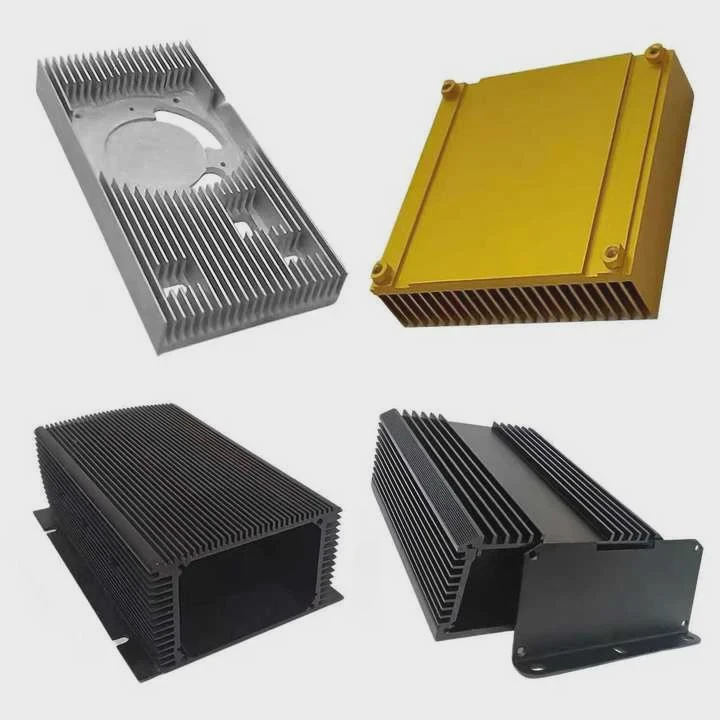
More devices are overheating. Markets need better thermal solutions. Vapor chamber technology is becoming a hot spot — not just for innovation, but also for collaboration.
Yes. From startups to OEMs to research labs, more players are teaming up to push vapor chamber innovation forward across industries.
Keep reading to learn how companies are working together, what models exist, and why this opens up real chances for future partnerships.
Are there tech partnerships forming in Vapor Chamber R&D?
More companies now face thermal design limits. This pressure leads to partnerships, not just competition. Firms are joining hands to improve vapor chamber performance, reliability, and cost.
Yes. Tech partnerships in vapor chamber R&D are increasing, as companies combine design, materials, and manufacturing knowledge to create next‑generation cooling solutions.
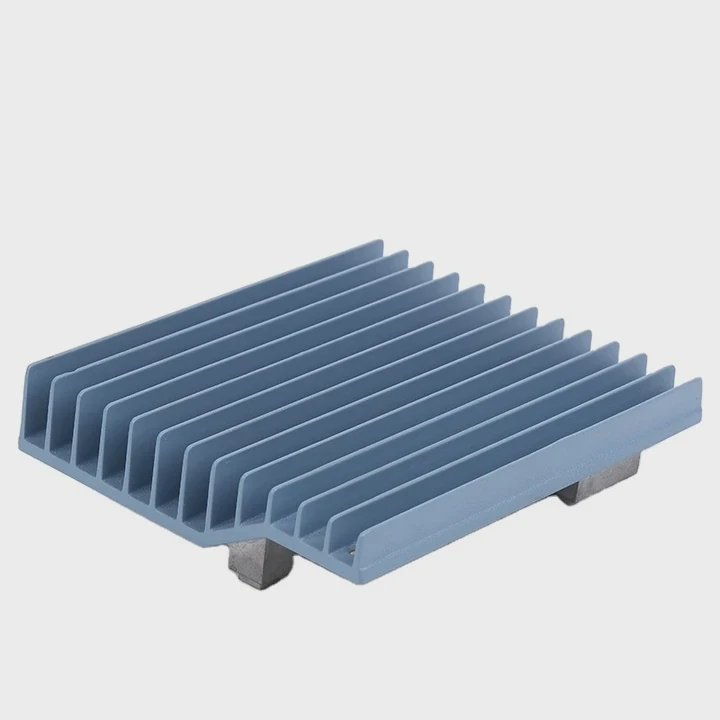
One recent example is Murata partnering with Cooler Master. Their project aims to build a vapor chamber just 200 microns thick. That level of miniaturization helps ultra‑slim devices stay cool. Murata brings electronics design; Cooler Master offers thermal hardware know‑how.
Another example is TSMC and its ecosystem partners exploring advanced cooling options for chiplet-based packaging. Their packaging puts multiple dies on one substrate. The thermal load is high. Vapor chambers may help manage that heat evenly.
R&D also expands through joint academic–industry work. Some universities design new wick structures using biomimicry or 3D printing. Others test novel materials like graphene or stainless steel in vapor chambers. When paired with industrial labs, this speeds up real-world testing and production.
Here’s a simple table of how partners add value in VC R&D:
| Partner Type | Key Contribution | Example Collaboration |
|---|---|---|
| Electronics OEM | Device specs, space constraints | Smartphone maker + vapor chamber supplier |
| Thermal Specialist | Wick design, chamber assembly | Cooler Master + material science lab |
| Material Provider | Base metal, coatings, special films | Copper foil maker + VC producer |
| Research Lab | Simulation, testing, 3D printing methods | University + manufacturing company |
As thermal loads rise, these partnerships will keep growing. No single firm has all the tools to innovate alone anymore.
Can startups co-develop with established suppliers?
Startups often bring new ideas. But they lack factories or scaling know-how. Vapor chamber innovation now allows startups to team up with large suppliers — and both win.
Yes. Startups can co-develop vapor chamber products with established suppliers by merging novel concepts with mass production capability.
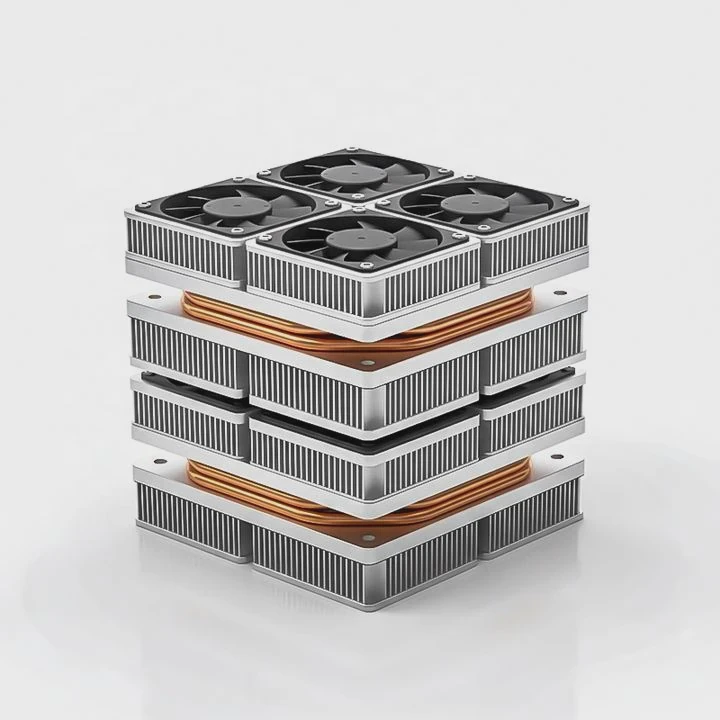
Startups might design a new wick type or test exotic materials like titanium or mesh structures. But they need help turning that into a product. That’s where established suppliers come in. They bring factories, tooling, and testing.
One example is Boyd Corporation. They tested 3D-printed vapor chambers made of titanium for extreme cooling applications. Though Boyd is a large firm, it worked with research teams and startups on additive-manufacturing methods and advanced geometries.
Smaller firms can also benefit if large partners offer flexible services:
- Pilot production
- Tooling for small runs
- Design feedback during development
- In-house lab testing
The following table shows what startups and suppliers usually offer:
| Role | Startups Bring | Suppliers Offer |
|---|---|---|
| Idea Generation | New geometry, thin form, 3D wick | Engineering support, DfM feedback |
| Rapid Prototyping | CAD, 3D printing, fast iteration | CNC, stamping, vacuum welding tools |
| Market Fit | Niche demand insights | Global sales, long-term relationships |
| Scaling | Light resources | Full assembly lines and QC systems |
This model lowers risk for both. Startups don’t need to build factories. Suppliers get new tech to expand into new markets.
Do clients participate in Vapor Chamber innovation?
In many industries, the end user sets the spec. Thermal modules are no different. Clients increasingly shape how vapor chambers are designed.
Yes. Many OEM clients co-develop vapor chambers with suppliers, giving design input and performance targets early in the product cycle.
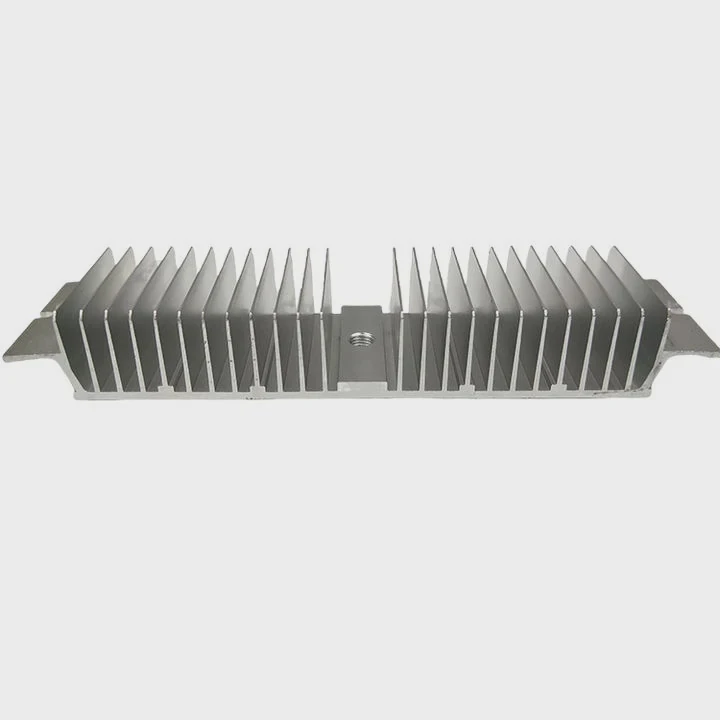
Clients now face strict limits on space, cost, and performance. That makes it hard to “just buy” an off-the-shelf cooling part. Instead, they bring thermal suppliers into the early design stage.
For example:
- A laptop brand needs a 2 mm thick chamber for a new ultra-slim model.
- An EV company wants a rectangular chamber that fits in a battery module.
- A server OEM requests a chamber with extended fins and custom ports.
In each case, the client is not just buying — they are designing alongside the supplier. They give thermal targets (max temperature, spread resistance) and constraints (space, shape, environment).
This early input leads to faster design cycles and better end results. More importantly, it builds a long-term relationship between supplier and OEM.
Sometimes clients even co-fund research into advanced materials, like aluminum vapor chambers or flexible PC‑integrated chambers. They are investing in thermal tech as a competitive edge.
Are cross-industry collaborations becoming common?
Different sectors now share the same problem: devices are getting hotter. So companies across industries are beginning to join forces.
Yes. Cross-industry collaboration is rising fast, as aerospace, EV, telecom, and consumer electronics firms co-invest in vapor chamber innovations.
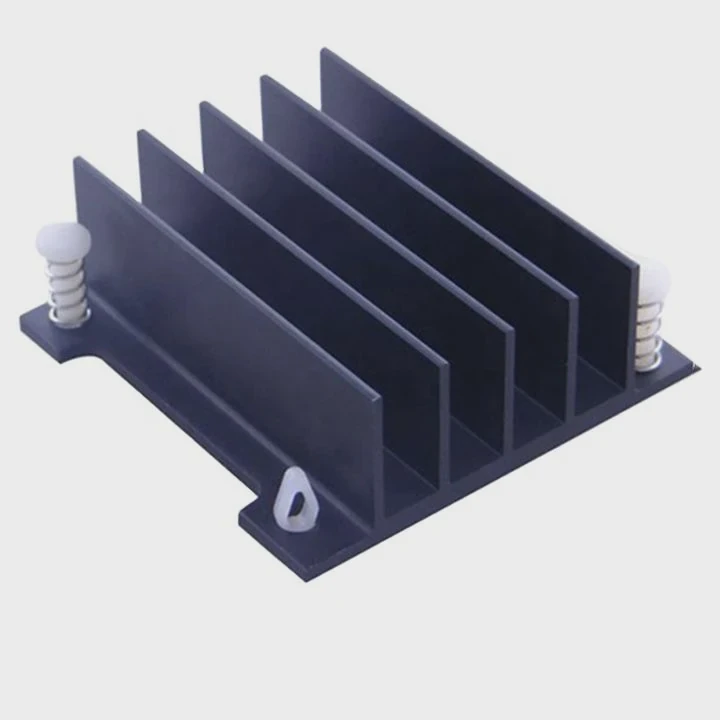
Let’s say an aerospace supplier builds titanium vapor chambers that survive space missions. Those same chambers may help a data center cool AI chips at 700W power.
Or a telecom company develops a hybrid heat pipe–vapor chamber combo for base stations. That system could later power EV inverters with minor changes.
Cross-industry work brings different benefits:
- Aerospace: reliability and harsh environment testing
- Automotive: low cost and mass manufacturing
- Data center: extreme power density design
- Consumer: compact, thin product design
By combining these strengths, innovation spreads faster.
Here’s a table showing common cross-industry flows:
| From Industry | Innovation Shared | To Industry |
|---|---|---|
| Aerospace | Titanium casing, reliability test | EV cooling systems |
| Consumer Tech | Ultra-thin design, cost cutting | Telecom base stations |
| Data Center | High watt density spreader | Edge computing devices |
| Automotive | Modular packaging | Medical devices |
These collaborations also help lower cost by standardizing parts across sectors. More volume means better pricing for all.
Conclusion
Vapor chamber technology is no longer a solo race. Collaborations now shape every step — from design to testing to full production. Startups, suppliers, OEM clients, and players from multiple industries are working together to build better, smarter, and more scalable thermal solutions.
TAGS
Latest Articles

Volume discount levels for heat sink orders?
Buyers often ask when heat sink prices start to drop with volume. Many worry they’re overpaying for small orders. This guide explains how B2B volume pricing works for thermal components. Heat sink
21 Dec,2025
Heat sink long-term supply contract options?
Many buyers want stable pricing and reliable delivery for heat sinks. But without a clear contract, risks grow over time. This article explores how to secure better long-term supply deals. Long-term
21 Dec,2025
Tooling cost for new heat sink profiles?
Many engineers struggle to understand why tooling for custom heat sinks costs so much. They worry about budgeting and production timelines. This article breaks down the cost drivers behind tooling.
21 Dec,2025
Heat sink custom sample process steps?
Sometimes, starting a custom heat sink project feels overwhelming—too many steps, too many unknowns, and too many risks. You want a sample, but not endless delays. The process for requesting and
20 Dec,2025
Standard B2B terms for heat sink payments?
When buyers and sellers in B2B heat sink markets talk about payment, many don’t fully understand what’s standard. This can lead to delayed orders, miscommunication, and even lost business
20 Dec,2025
Heat sink pricing factors for large orders?
Heat sinks are vital for many systems. When prices rise, projects stall and budgets break. This problem can hit teams hard without warning. Large order heat sink pricing depends on many factors. You
20 Dec,2025Related Articles
- Demand forecast for Vapor Chamber 2030?
- Can Vapor Chamber improve EV charging stations?
- Low Carbon Vapor Chamber Manufacturing Trend
- Vapor Chamber integration with AI hardware
- Vapor Chamber future development direction
- Where to use Vapor Chamber effectively
- Sustainable materials for Vapor Chamber production?
- Vapor Chamber impact on energy efficiency?
- Can Vapor Chamber enhance renewable energy products?
- Vapor Chamber industry risk analysis?
- Application of Vapor Chamber in servers?
- Vapor Chamber cooling for edge computing?
Author
Dr. Emily Chen
Chief AI Researcher
Leading expert in thermal dynamics and AI optimization with over 15 years of experience in data center efficiency research.
Categories
Latest Products






Recommend Categories
- Liquid cooling plate Manufacturer
- Industrial Heat Sink Manufacturer
- Standard Heat Sink Manufacturer
- Aluminum Heat Sink Manufacturer
- Copper Heat Sink Manufacturer
- Anodized Heatsink Manufacturer
- Stamping heat sink Manufacturer
- Die Casting Heatsink Manufacturer
- Soldering heat sink Manufacturer
- CNC Parts Manufacturer
Latest Products
- Wholesale Aluminum Radiator
- Water Cooling Plate Kit
- Water Cooling Heat Sink
- Water Cooling Heat Sink Kit
- Stainless Steel Water Distributor
- Server Water Cooling Plate Kit
- Server Liquid Cooling System
- Server Aluminum Cooling Kit
- S19 Full Cover Cooling Plate
- S19 Cooling Plate Kit
- S19 Aluminum Cooling Plate
Contact Expert
Have questions about this article? Reach out to our experts directly.