Application of Vapor Chamber in servers?
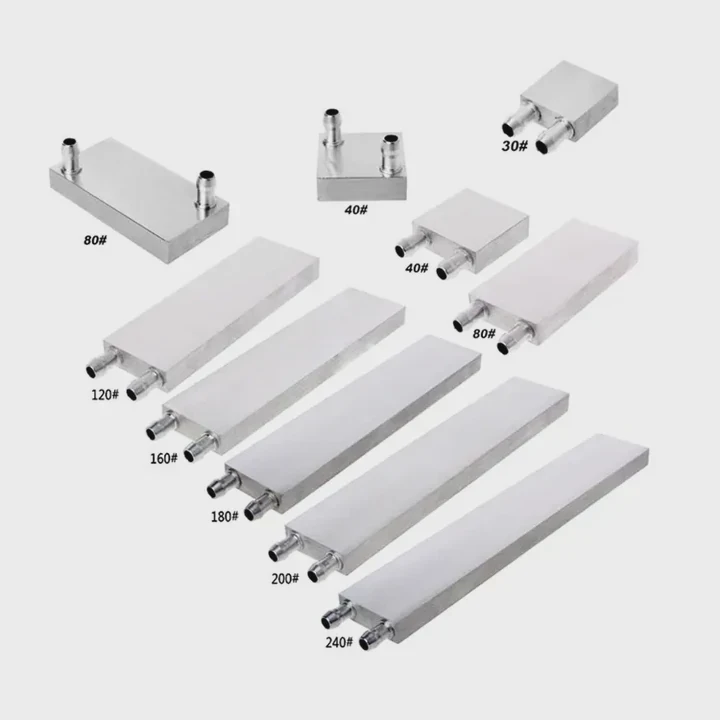
Server cooling has become a big challenge as computing power rises. High temperatures can slow performance or damage components. Vapor chambers offer a promising way to spread heat effectively inside server hardware.
Vapor chambers help servers by spreading heat quickly across a flat surface, improving cooling for CPUs and other hot components. This helps maintain stable operation under heavy workloads.
Growing demand for dense, high‑performance servers pushes designers to use more efficient passive cooling methods. Vapor chambers can play a key role in that shift. Below I explore how servers benefit from vapor chamber cooling in several aspects.
How are Vapor Chambers used in server cooling?
Vapor chambers often sit under CPUs, GPUs, or power delivery modules. They spread concentrated heat over a larger area. This helps cooling systems such as heat sinks or cold plates work more evenly and fully.
Vapor chambers are placed directly below heat sources in servers. They move heat from a small hot spot to a larger base, enabling better heat sink or radiator performance.
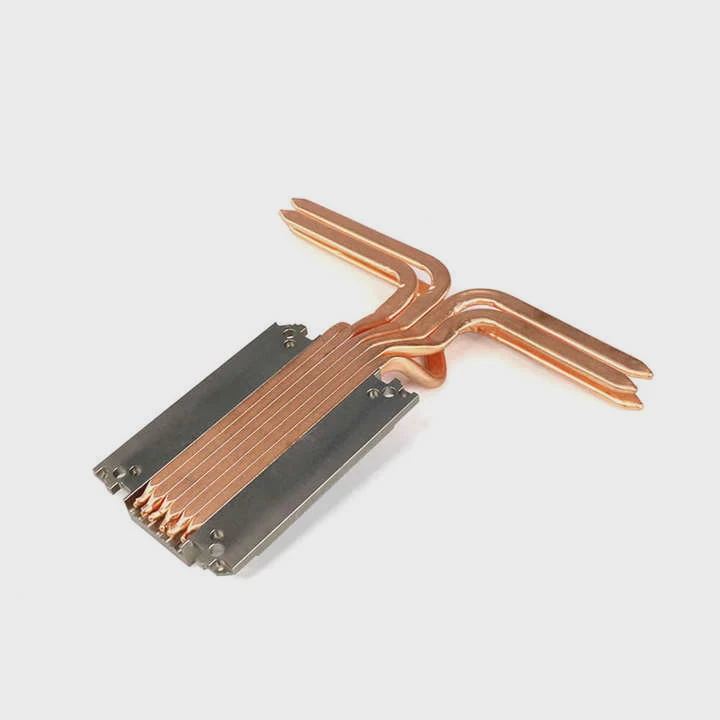
In many server designs, the central processing chip or power regulators produce a lot of heat in a small area. That heat can cause hot spots that standard metal blocks struggle to spread. A vapor chamber solves this. Inside the chamber, a thin metal cavity contains a small amount of liquid and a wick structure. When the component heats it up, the liquid evaporates and the vapor spreads quickly across the chamber. Then vapor condenses on cooler walls and liquid returns through wicks. This cycle moves heat fast and spreads it over a large area. The result is a uniformly distributed surface temperature. This uniformity means heatsinks, cold plates, or even simple metal spreaders can work more efficiently. Designers mount vapor chambers under CPUs, GPUs, or high‑power MOSFETs, then attach large fins or water/air cooling systems. For water-cooled servers, vapor chambers under GPUs or memory modules link to cold plates. For air-cooled servers, vapor chambers connect to fin stacks or heat pipes. In high-density blade servers, vapor chambers give more flexibility. They reduce need for bulky heat sinks. This helps lower profile builds and frees space for airflow. In rack-mounted environments, this can reduce overall server height or allow closer packing of boards. In custom server chassis, vapor chambers distribute heat from multiple components like CPU, voltage regulators, and memory to a shared large heat spreader or cold plate. This unified heat load simplifies cooling design. Another use case is hybrid cooling. Vapor chambers act as thermal bridges between chips and liquid cooling plates. This yields high cooling efficiency without complex heat pipe arrays. Overall, vapor chamber use makes server cooling simpler, more effective, and more compact.
Do server CPUs benefit from Vapor Chamber heat spread?
CPU chips in servers produce concentrated heat in a small area. That heat must be moved away quickly. Vapor chambers handle this with high thermal conductivity and uniform spreading.
Yes — CPUs benefit because vapor chambers lower hotspot temperature and ensure even heat spread, which improves reliability and performance under load.
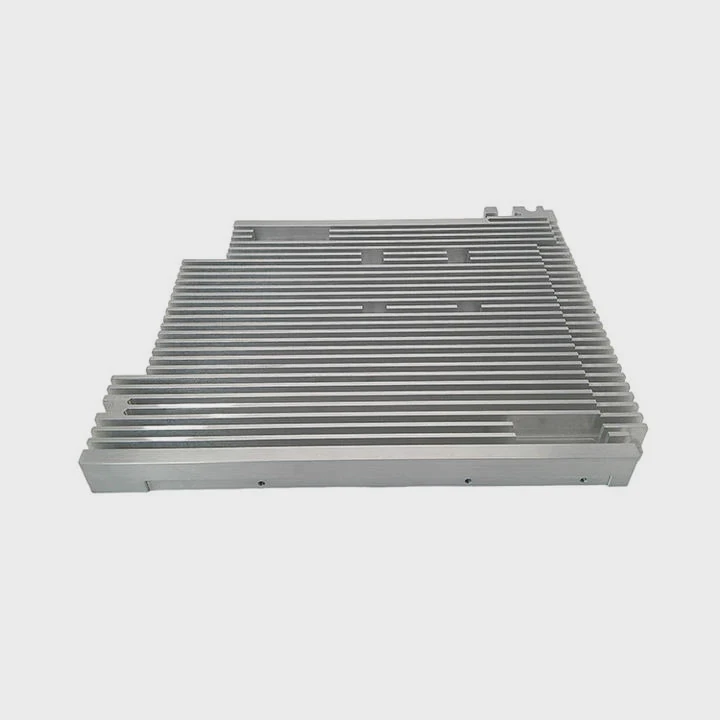
Using a vapor chamber under a CPU gives several concrete advantages compared to plain metal bases or even traditional heat spreaders. First, the thermal resistance between the CPU die and the cooling medium drops. The liquid‑vapor phase change moves heat orders of magnitude faster than conduction through solid metal of equivalent thickness. That means the CPU die sees lower peak temperature during heavy workloads. Lower peak temperature improves CPU longevity. Repeated thermal cycles stress solder joints or solder bumps (in case of CPU package or memory modules). Lower and more uniform temperatures reduce thermal fatigue. That improves long‑term reliability. Uniform heat spread also reduces temperature gradients across the surface. Many CPUs or multi‑die packages have multiple hotspots. Vapor chambers distribute heat so that radiator or heatsink sees consistent heat flux. That makes cooling more efficient. Cooling solutions then do not need to oversize to compensate for hot spots. Servers running large workloads — virtualization, database servers, AI inference — often have sustained high CPU load. Vapor chamber cooling helps keep CPU temperature stable over many hours of use. That stability means performance remains predictable and safe. Component throttling due to high temperatures becomes less likely. Another benefit comes in high‑density server blades or processors with multiple dies (multi‑chip modules). These designs put several active areas close together. Without good heat spread, some spots may overheat. With vapor chamber, heat from all chiplets or dies spreads evenly. That simplifies cooling design and avoids local overheating. Also, vapor chambers allow thinner heat spreaders or lower profile cooling packs. That is important when space is limited, like in rack servers or blade servers. A lower thickness spreads heat but limits added height. Vapor chamber contributes to this compactness. Finally, for servers using liquid cooling. Vapor chamber under CPU ties to a cold plate or liquid loop. This reduces thermal resistance between CPU and cold plate. Efficiency of liquid cooling improves. Flow can be lower (less pump power) or temperature delta smaller. Both help reduce energy consumed by cooling. In summary, using vapor chamber under server CPUs yields better thermal performance, more uniform spread, reliability under sustained load, and enables compact, efficient cooling designs.
Can Vapor Chambers reduce fan noise in servers?
Fans in servers spin fast to remove heat quickly. That often causes noise. Vapor chambers can help cut down fan speed or even reduce number of fans needed.
By improving heat spread, vapor chambers lower peak temperature and allow slower fan speeds. This often reduces fan noise significantly in server racks.
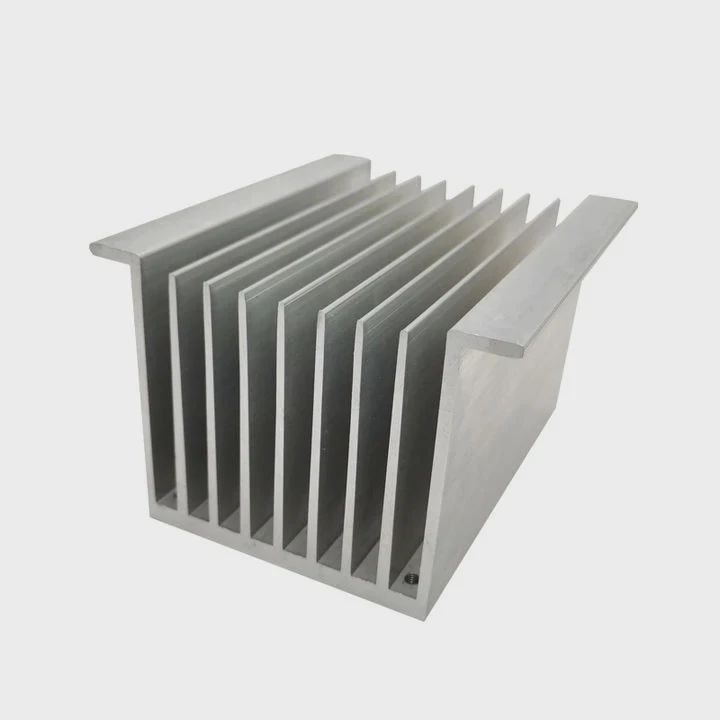
When vapor chambers spread heat effectively, cooling fins or radiators see a wider and more stable heat flux. This means airflow or liquid flow requirements drop. Lower airflow need means fans can spin slower, or there can be fewer fans overall. Slower fans produce less noise and consume less power. This has several implications: quieter server rooms, reduced vibration, lower energy usage, and more comfortable working environment for operators. For air-cooled servers, a typical design might rely on multiple high‑RPM fans. With vapor chambers, that design can switch to fewer fans at lower speed. That reduces both noise and dust intake. In liquid‑cooled servers, vapor chambers reduce the thermal load on cold plates. That can allow lower liquid temperatures or lower flow rates. Pumps can run slower. Fans that cool radiator units can spin slower too. That also lowers sound. Server noise is often underestimated in data centers or edge deployments. For edge servers near offices or mixed environments, lower noise matters. Vapor chamber cooling helps make servers more acceptable in noise-sensitive areas. Also, reduced fan stress can improve fan lifespan. Running fans at high speed constantly shortens their life due to bearing wear and dust ingress. Lower fan speeds extend lifespan and reduce maintenance needs. Lower acoustic load also helps reduce sound‑related compliance issues in some office or small‑data‑center settings. In some designs, vapor chambers permit semi‑passive cooling during low or moderate loads. Fans may turn off or spin very slowly when heat output is modest. That yields near‑silent operation. That mode is hard to achieve without effective passive heat spread. In edge servers or small data rooms this offers clear benefit. However, to realize these benefits, cooling systems must be designed around the vapor chamber. Simply placing a chamber does not guarantee lower noise. Airflow paths, fin geometry, and fan control logic must match the lower heat flux distribution. When designers do this, the noise and fan wear reductions can be meaningful.
Are data centers adopting Vapor Chamber technology?
Large data centers often run thousands of servers. They need reliable, efficient, and scalable cooling. Vapor chamber technology is slowly gaining traction in server designs.
Some data centers and server OEMs begin using vapor chambers in high‑performance or dense server designs to improve cooling efficiency and reduce energy cost.
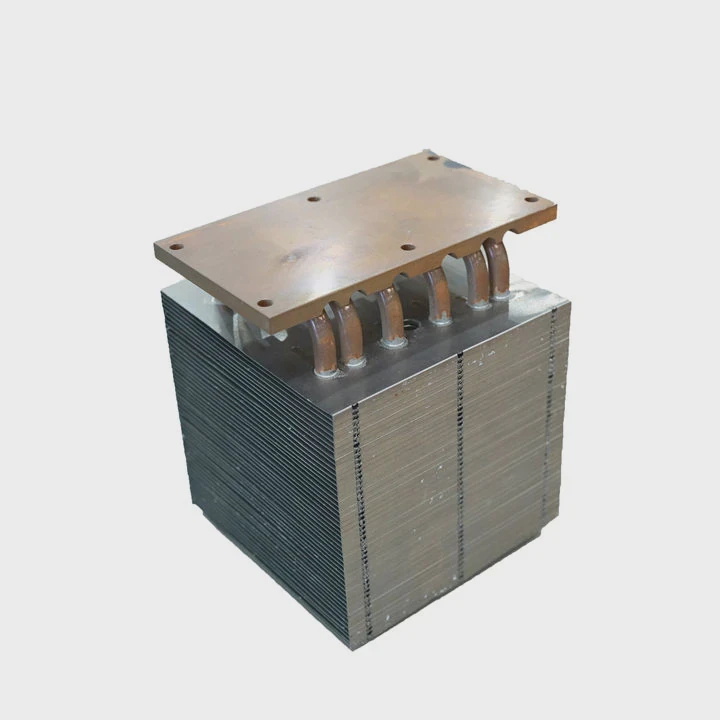
Adoption of vapor chambers in data centers depends on server type, workload density, and cooling strategy. High‑density, high-compute servers benefit more than low‑power ones. Cloud providers and HPC clusters often demand high thermal load per rack. In those cases, vapor chambers help. Some server manufacturers have started offering vapor‑chamber‑equipped SKUs for GPUs, CPUs, or entire node cooling. These servers target AI, machine learning, big data analytics, or rendering tasks. Vapor chambers reduce heat flux density at contact surfaces. That leads to lower required air or liquid flow per server. Lower flow means less fan or pump power per rack. For data centers, lower cooling power contributes to lower overall energy use. That reduces operational cost and carbon footprint. Another factor is reliability and maintenance. Vapor chambers are sealed and passive. They have no moving parts. That reduces risk of failure compared to active cooling modules. For large fleets of servers, fewer failures and less maintenance are big gains. Vapor chambers also help with compact or modular server designs. Blade servers, hyper‑converged nodes, and dense GPU racks benefit from thin, efficient cooling components. Vapor chambers meet that need. Here is a table comparing typical server cooling approaches and benefits when vapor chambers are used:
| Cooling Approach | With Traditional Base | With Vapor Chamber Base |
|---|---|---|
| Heat spread efficiency | Moderate | High, uniform across area |
| Fan / pump requirement | High airflow or flow rate | Reduced airflow / flow rate |
| Noise level | High (many fans) | Lower (slower or fewer fans) |
| Rack density potential | Limited by heat flux | Higher, better density |
| Maintenance complexity | Fans/pumps may fail | Fewer moving parts, simpler |
Vapor chamber adoption still faces some challenges. Cost is higher than plain metal spreaders. Designers must validate thermal performance and reliability, especially over time and under varied workloads. Manufacturing quality must meet high standards to prevent leaks and ensure wick integrity. For large scale data centers, retrofitting existing servers is rarely possible. New server models need vapor chamber integration from design stage. So adoption is gradual. Many data centers wait until OEMs offer proven, tested vapor‑chamber server models. Overall, vapor chamber use in data centers is growing. It remains more common in high‑performance computing, AI workloads, or dense rack deployments than in general‑purpose servers. As demands for compute density and energy efficiency grow, likely vapor chamber adoption will increase.
Comparison of adoption scenarios across server types
| Server Type | Typical Workload | Vapor Chamber Benefit | Likely Adoption |
|---|---|---|---|
| AI / ML Training Racks | High GPU/CPU load, consistent heat | High heat spread, lower power cost | High |
| HPC Clusters | Long compute jobs, high density | Better thermal management, reliability | Medium‑High |
| Cloud Web Servers | Variable, moderate load | Some benefit, but less heat stress | Low‑Medium |
| Edge / Office Servers | Low to moderate load, noise sensitive | Lower noise, compact design | Medium |
| Legacy Rack Servers | Mixed workloads | Marginal benefit, retrofit difficult | Low |
Data center engineers consider vapor chambers especially when rack density, cooling cost, and reliability matter. As server workloads push limits, vapor chamber technology becomes more appealing.
Conclusion
Vapor chambers bring real benefits to server cooling. They spread heat fast and evenly. CPUs run cooler and more reliably. Fan noise and power draw drop. Dense and high‑performance servers gain most. As demand grows, expect wider adoption of vapor chamber cooling in data centers.
TAGS
Latest Articles

Volume discount levels for heat sink orders?
Buyers often ask when heat sink prices start to drop with volume. Many worry they’re overpaying for small orders. This guide explains how B2B volume pricing works for thermal components. Heat sink
21 Dec,2025
Heat sink long-term supply contract options?
Many buyers want stable pricing and reliable delivery for heat sinks. But without a clear contract, risks grow over time. This article explores how to secure better long-term supply deals. Long-term
21 Dec,2025
Tooling cost for new heat sink profiles?
Many engineers struggle to understand why tooling for custom heat sinks costs so much. They worry about budgeting and production timelines. This article breaks down the cost drivers behind tooling.
21 Dec,2025
Heat sink custom sample process steps?
Sometimes, starting a custom heat sink project feels overwhelming—too many steps, too many unknowns, and too many risks. You want a sample, but not endless delays. The process for requesting and
20 Dec,2025
Standard B2B terms for heat sink payments?
When buyers and sellers in B2B heat sink markets talk about payment, many don’t fully understand what’s standard. This can lead to delayed orders, miscommunication, and even lost business
20 Dec,2025
Heat sink pricing factors for large orders?
Heat sinks are vital for many systems. When prices rise, projects stall and budgets break. This problem can hit teams hard without warning. Large order heat sink pricing depends on many factors. You
20 Dec,2025Related Articles
- Vapor Chamber industry risk analysis?
- Can Vapor Chamber enhance renewable energy products?
- Vapor Chamber impact on energy efficiency?
- Sustainable materials for Vapor Chamber production?
- Collaboration opportunity for Vapor Chamber technology?
- Demand forecast for Vapor Chamber 2030?
- Vapor Chamber cooling for edge computing?
- Vapor Chamber design for rugged environment?
- How to scale Vapor Chamber production?
- Vapor Chamber used in military-grade devices?
- New techniques for Vapor Chamber processing?
- Vapor Chamber ducting requirements?
Author
Dr. Emily Chen
Chief AI Researcher
Leading expert in thermal dynamics and AI optimization with over 15 years of experience in data center efficiency research.
Categories
Latest Products






Recommend Categories
- Liquid cooling plate Manufacturer
- Industrial Heat Sink Manufacturer
- Standard Heat Sink Manufacturer
- Aluminum Heat Sink Manufacturer
- Copper Heat Sink Manufacturer
- Anodized Heatsink Manufacturer
- Stamping heat sink Manufacturer
- Die Casting Heatsink Manufacturer
- Soldering heat sink Manufacturer
- CNC Parts Manufacturer
Latest Products
- Wholesale Aluminum Radiator
- Water Cooling Plate Kit
- Water Cooling Heat Sink
- Water Cooling Heat Sink Kit
- Stainless Steel Water Distributor
- Server Water Cooling Plate Kit
- Server Liquid Cooling System
- Server Aluminum Cooling Kit
- S19 Full Cover Cooling Plate
- S19 Cooling Plate Kit
- S19 Aluminum Cooling Plate
Contact Expert
Have questions about this article? Reach out to our experts directly.