Sustainable materials for Vapor Chamber production?
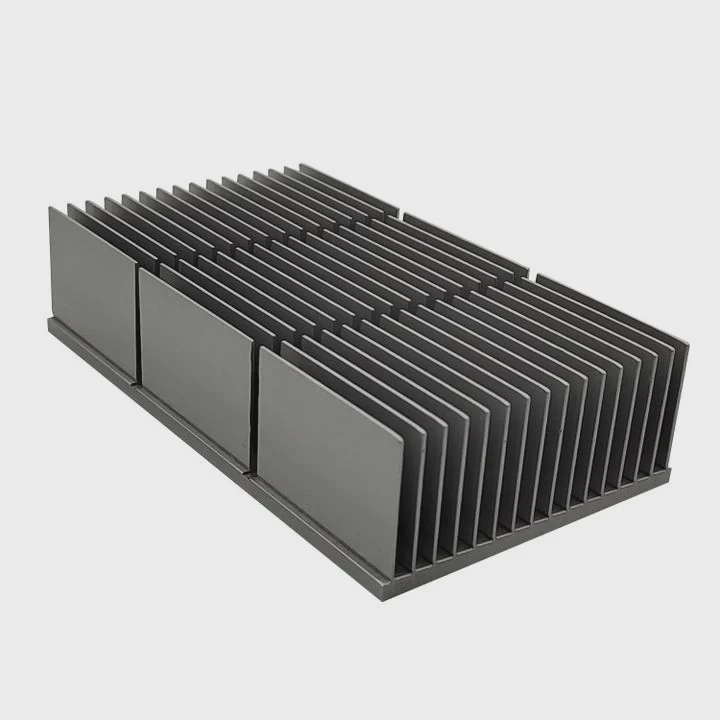
As environmental standards tighten, vapor chamber manufacturers are being pushed to rethink the materials they use.
Yes. Vapor chambers can be produced using recycled copper, graphite composites, and other sustainable materials without sacrificing thermal performance. These options help lower emissions and reduce the environmental footprint of production.
Sustainability is no longer a niche demand. Manufacturers across industries are re-evaluating traditional supply chains. This article outlines which materials work, their benefits and trade-offs, and how they are certified for real-world industrial use.
What sustainable materials are used in Vapor Chamber making?
Environmental pressure is rising across industries that rely heavily on metals. Vapor chambers, typically made from copper or aluminum, pose a sustainability challenge when raw materials are extracted and refined with high energy use.
Recycled copper, reclaimed aluminum, graphite-based composites, and carbon structures are all sustainable alternatives for vapor chamber production, helping to cut down mining and reduce energy consumption.
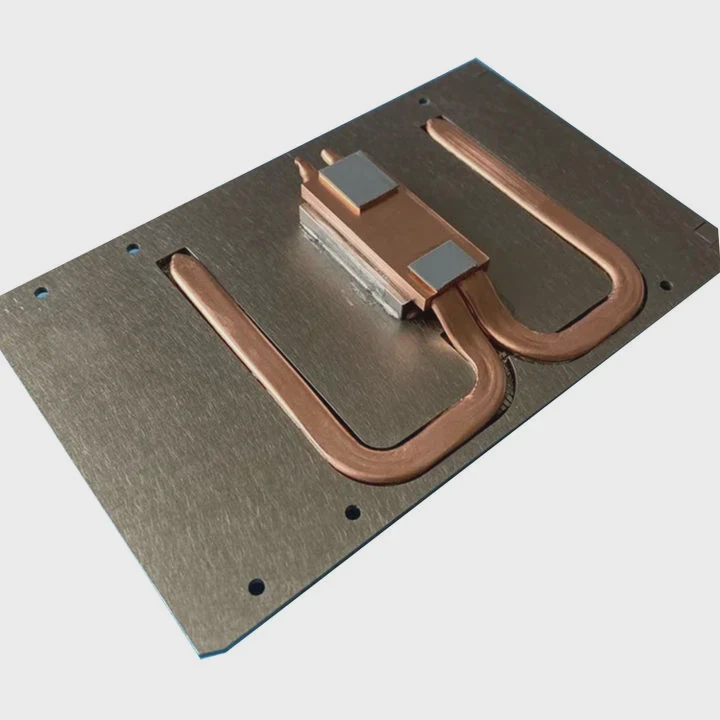
Common Sustainable Material Options
| Material | Sustainability Source | Thermal Conductivity | Typical Use Cases |
|---|---|---|---|
| Recycled Copper | Sourced from scrap electrical components | ~390–400 W/m·K | Baseplate, internal walls |
| Recycled Aluminum | Post-industrial and consumer aluminum scrap | ~205 W/m·K | Outer shell, covers |
| Graphite Composite | Carbon fiber or recycled carbon sources | ~150–300 W/m·K | Wick, low-power applications |
| Carbon Fiber Reinforced Polymer | Bio-resins and reclaimed carbon | Low (~10–50 W/m·K) | External casing |
These alternatives are viable for specific parts of vapor chambers. Recycled copper provides nearly the same performance as virgin copper while slashing the environmental toll. Graphite composite wicks offer flexibility in low to mid-power devices. Carbon-based shells reduce overall product weight, helpful in portable applications.
However, most of these alternatives require tighter quality control. Impurities or material variability in recycled metals may affect the chamber’s sealing or pressure resistance. Thus, a well-controlled supply chain and testing protocols are crucial.
Recycled aluminum, for example, can introduce porosity issues during vacuum brazing if improperly refined. Yet when processed with precision, it serves as a lightweight shell that supports modular vapor chamber integration in consumer electronics.
Is low-impact copper an option for manufacturers?
Copper remains the gold standard for thermal conductivity, but its environmental cost is high due to energy-intensive mining and refining processes.
Yes. Low-impact copper—sourced either from recycled scrap or certified sustainable mines—is increasingly used to manufacture vapor chambers without compromising thermal efficiency.
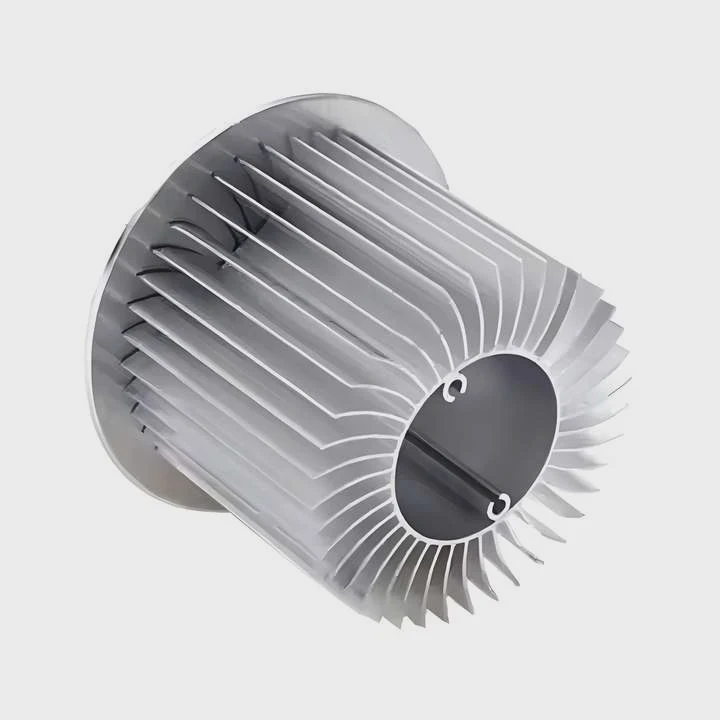
Low-Impact Copper Types and Their Impact
| Copper Source Type | Recycled Content | CO₂ Emission Reduction vs Virgin Copper | Key Applications |
|---|---|---|---|
| Post-consumer electronics | 90–100% | Up to 60% | Internal baseplate, shell, wick |
| Industrial machining scrap | 80–95% | 35–50% | Structural parts, secondary fins |
| Certified low-carbon mines | 10–40% | 20–30% | High-load wick or heat spreaders |
Most recycled copper has conductivity values between 380–400 W/m·K, which is suitable for most vapor chamber applications. Some vapor chamber producers now advertise their use of 95% post-consumer recycled copper, primarily from the electronics sector.
Challenges include maintaining purity. Trace elements from scrap (like zinc or lead) can affect bonding processes. This is why smelters working with recycled materials often need more advanced refining systems to ensure batch-to-batch consistency.
Additionally, more manufacturers are integrating lifecycle assessments (LCAs) in their sourcing plans. These reports validate the environmental performance of low-impact copper, helping meet end-user sustainability audits.
Can bio-based coatings be applied to chambers?
Traditional coatings on vapor chambers—nickel, tin, or epoxy—can release harmful substances and are energy-intensive to produce. This opens the door for plant-derived or low-VOC alternatives.
Yes, bio-based coatings can be used in vapor chambers, particularly on external parts, provided they meet thermal and mechanical performance standards.
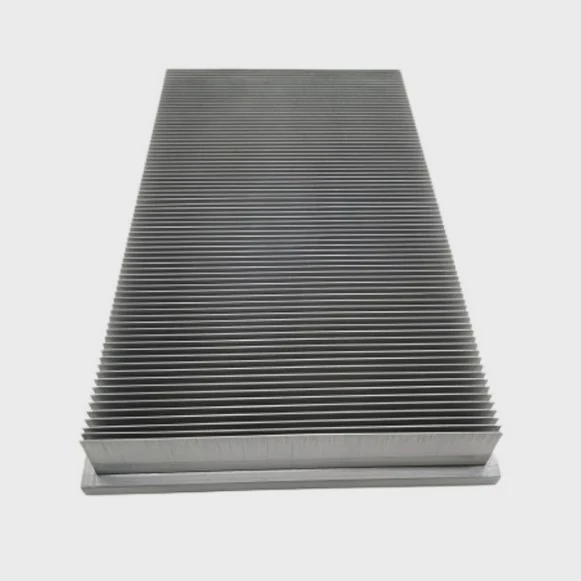
Coating Options and Their Industrial Potential
Bio-based coatings typically come from natural oils (linseed, tung, soy), starches, or water-based resins. Some newer formulations integrate bio-ceramic powders to enhance heat tolerance.
However, challenges include:
- Lower thermal resistance
- Susceptibility to cracking under thermal cycling
- Reduced adhesion under vacuum conditions
Bio coatings work best when used on outer surfaces that don’t directly interface with the core thermal path. For example, decorative panels or mounting structures on vapor chambers can use low-VOC coatings without performance trade-offs.
In some R&D trials, waterborne polyurethane coatings have shown promise. Applied at thin micron levels, they resisted temperatures up to 120°C without peeling. These coatings also passed salt-spray and humidity tests, making them feasible for commercial devices where users demand both sustainability and durability.
Industrial clients are cautious, however. Bio coatings still require full documentation of thermal reliability, off-gassing behavior, and bonding integrity before approval for sensitive applications.
Are eco-materials certified for industrial use?
Even if materials are sustainable, manufacturers and end-users need assurance that these inputs meet industry standards—especially in aerospace, automotive, and electronics sectors.
Yes, many sustainable materials used in vapor chambers—like recycled copper and aluminum—are certified for industrial use under ISO, RoHS, and other global standards, though testing is essential for every application.
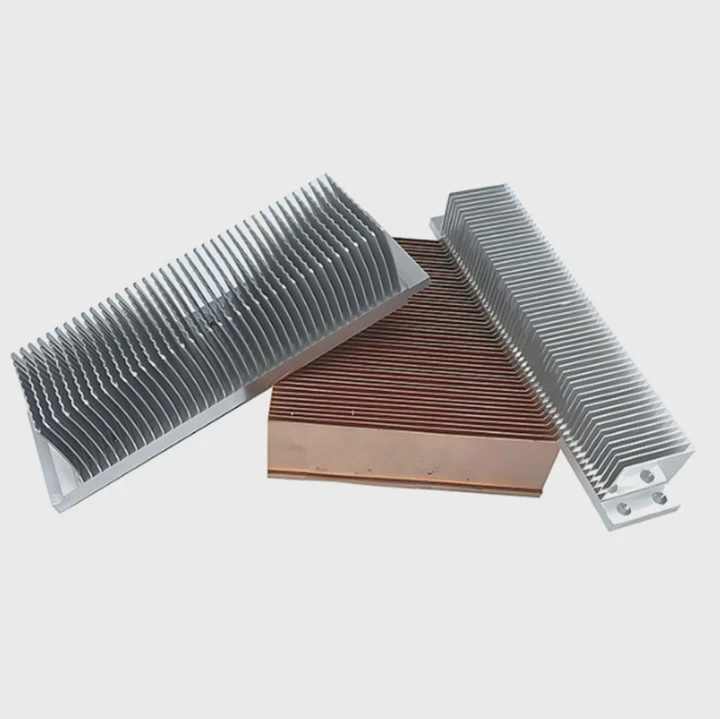
Certification Categories for Eco Materials
| Certification Type | Purpose | Commonly Applied To |
|---|---|---|
| ISO 14021 | Recycled content declaration | Copper, aluminum |
| RoHS / REACH | Toxic substance limitation | Coatings, adhesives |
| UL 746B | Material temperature rating | Plastics, composites |
| GJB / MIL-STD tests | Environmental reliability (thermal, shock) | Complete vapor chamber systems |
Some producers provide full traceability reports with their vapor chamber shipments. These include:
- Recycled content certification
- Chemical analysis of alloy composition
- Heat resistance and mechanical stress reports
- Thermal conductivity data
Industrial buyers, especially in the aerospace or automotive sectors, demand this level of documentation. Without it, eco-materials may fail procurement or validation processes.
Case studies show that manufacturers using recycled copper with proper certification saw no drop in thermal performance. Meanwhile, carbon composite shells passed drop and vibration tests for mobile device cooling systems.
To ensure success, vendors must integrate certification and validation into the early design phase. They must also collaborate with clients on specific regulatory requirements for each application market.
Conclusion
Sustainable vapor chamber production is possible using recycled metals, low-impact copper, and bio-coatings—each with tested industrial potential. When matched with proper design and certification, these materials offer a viable path toward greener thermal systems in electronics and beyond.
TAGS
Latest Articles

Volume discount levels for heat sink orders?
Buyers often ask when heat sink prices start to drop with volume. Many worry they’re overpaying for small orders. This guide explains how B2B volume pricing works for thermal components. Heat sink
21 Dec,2025
Heat sink long-term supply contract options?
Many buyers want stable pricing and reliable delivery for heat sinks. But without a clear contract, risks grow over time. This article explores how to secure better long-term supply deals. Long-term
21 Dec,2025
Tooling cost for new heat sink profiles?
Many engineers struggle to understand why tooling for custom heat sinks costs so much. They worry about budgeting and production timelines. This article breaks down the cost drivers behind tooling.
21 Dec,2025
Heat sink custom sample process steps?
Sometimes, starting a custom heat sink project feels overwhelming—too many steps, too many unknowns, and too many risks. You want a sample, but not endless delays. The process for requesting and
20 Dec,2025
Standard B2B terms for heat sink payments?
When buyers and sellers in B2B heat sink markets talk about payment, many don’t fully understand what’s standard. This can lead to delayed orders, miscommunication, and even lost business
20 Dec,2025
Heat sink pricing factors for large orders?
Heat sinks are vital for many systems. When prices rise, projects stall and budgets break. This problem can hit teams hard without warning. Large order heat sink pricing depends on many factors. You
20 Dec,2025Related Articles
- Collaboration opportunity for Vapor Chamber technology?
- Demand forecast for Vapor Chamber 2030?
- Can Vapor Chamber improve EV charging stations?
- Low Carbon Vapor Chamber Manufacturing Trend
- Vapor Chamber integration with AI hardware
- Vapor Chamber future development direction
- Vapor Chamber impact on energy efficiency?
- Can Vapor Chamber enhance renewable energy products?
- Vapor Chamber industry risk analysis?
- Application of Vapor Chamber in servers?
- Vapor Chamber cooling for edge computing?
- Vapor Chamber design for rugged environment?
Author
Dr. Emily Chen
Chief AI Researcher
Leading expert in thermal dynamics and AI optimization with over 15 years of experience in data center efficiency research.
Categories
Latest Products






Recommend Categories
- Liquid cooling plate Manufacturer
- Industrial Heat Sink Manufacturer
- Standard Heat Sink Manufacturer
- Aluminum Heat Sink Manufacturer
- Copper Heat Sink Manufacturer
- Anodized Heatsink Manufacturer
- Stamping heat sink Manufacturer
- Die Casting Heatsink Manufacturer
- Soldering heat sink Manufacturer
- CNC Parts Manufacturer
Latest Products
- Wholesale Aluminum Radiator
- Water Cooling Plate Kit
- Water Cooling Heat Sink
- Water Cooling Heat Sink Kit
- Stainless Steel Water Distributor
- Server Water Cooling Plate Kit
- Server Liquid Cooling System
- Server Aluminum Cooling Kit
- S19 Full Cover Cooling Plate
- S19 Cooling Plate Kit
- S19 Aluminum Cooling Plate
Contact Expert
Have questions about this article? Reach out to our experts directly.