Can Vapor Chamber enhance renewable energy products?
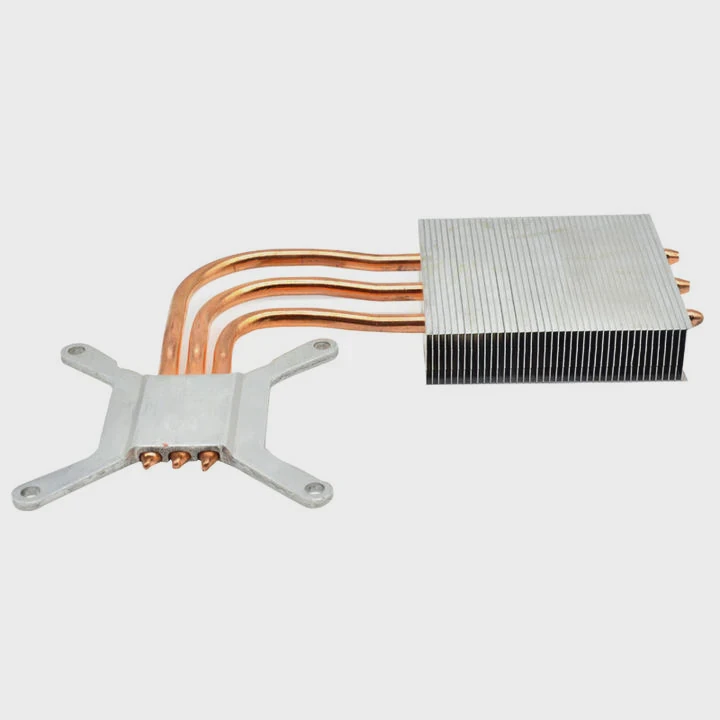
Fewer downtimes and overheating failures hurt renewable energy devices every day. Cooling problems slow performance and raise maintenance costs.
Yes. Vapor chambers can boost cooling efficiency, stabilize temperatures, and extend life of renewable energy equipment like inverters and wind systems. They offer a real path to improved reliability.
Growing demand for green energy opens a chance to improve system cooling. Next, this article explains how vapor chamber cooling works in renewable settings. It covers inverter cooling, turbine control units, and testing for green tech use.
Do Vapor Chambers improve cooling in renewable systems?
Excess heat often damages electronic parts in renewable energy gear. Without good cooling, devices overheat or fail. That risk warns system designers to act fast.
Vapor chambers provide fast heat spreading and uniform temperature control. That helps protect sensitive electronics and improves the reliability of renewable energy systems under heavy load.
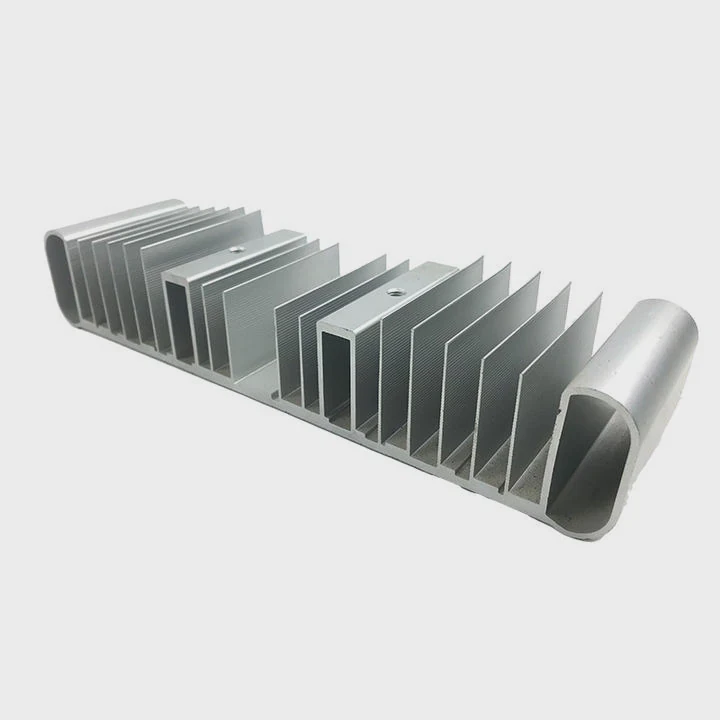
How Vapor Chambers Help Thermal Management
Renewable energy systems like solar inverters or battery storage units often handle high power conversion. They generate heat. If heat concentrates in small spots, components degrade fast. Vapor chambers work as heat spreaders. They move heat from hot spots and spread it over larger surfaces. This reduces thermal stress. It also helps cooling fans or heat sinks work better.
Key Benefits for Renewable Systems
- Rapid lateral heat distribution — heat moves quickly from hot spots to entire baseplate.
- Uniform temperature across components — avoids hot zones that could cause failure.
- Thin and compact cooling solution — vapor chambers add little thickness, ideal for compact designs.
- Lower weight than bulky metal heat spreaders — helps in inverter or control modules where weight matters.
Example of Cooling Requirement vs Vapor Chamber Capability
| System Type | Heat Output (approx) | Cooling Challenge | Vapor Chamber Benefit |
|---|---|---|---|
| Solar inverter module | 100 W – 500 W | Hot spots on power electronics | Spreads heat evenly to fins or housing |
| Battery storage unit | 200 W – 800 W | Battery pack temperature rise | Distributes heat across panel evenly |
| Control unit for wind | 50 W – 200 W | Small casing, limited airflow | Thin chamber keeps profile low, spreads heat |
For systems with modest to high power output, vapor chambers improve cooling without major redesign. They can reduce peak temperature by 10–20 °C compared to simple metal heat spreaders under same conditions. This makes electronics run cooler, longer, and more reliably.
Design Considerations When Using Vapor Chambers
Designers need to match vapor chamber size and placement with heat sources. The chamber must contact heat‑generating components properly. There must be good path to external cooling like fins or housing. Also, sealing quality matters. A leak inside chamber ruins performance. So manufacturing quality matters. But when done right, vapor chambers bring thermal benefits that help renewable energy systems last longer and run better.
Are solar inverters using Vapor Chamber technology?
Solar inverters often work hard under sun, converting DC to AC. Without good cooling, inverter electronics may overheat. That reduces efficiency and shortens lifespan.
Yes. Some solar inverter makers are adopting vapor chamber cooling to manage heat. Vapor chambers help inverters run cooler, stay efficient, and handle high ambient temperatures common in solar farms.
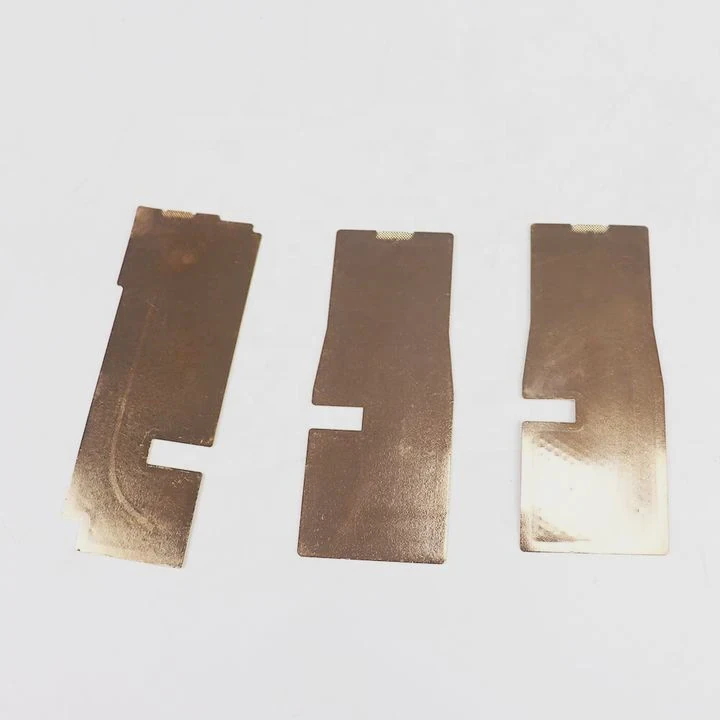
Why Inverters Benefit from Vapor Chambers
Solar inverters deliver high current and switch power often. That creates hot spots at MOSFETs, capacitors, and transformers. Traditional cooling uses metal plates and fans. But fans add noise and need maintenance. Metal plates spread heat slowly. Vapor chambers offer a better path. They spread heat across a larger area fast. Then fins or external housings dissipate heat more evenly. This reduces thermal stress inside inverters.
In hot climates, ambient temperature can reach 40 °C or more. Under load, internal temperatures may soar beyond 80–90 °C. That stresses electronics. Vapor chamber cooling helps keep internal temps lower. That improves inverter uptime and efficiency. Lower internal temperature also slows wear on capacitors and semiconductors. That increases lifespan, cuts maintenance, and lowers failure risk.
Industrial Implementation Examples
Some inverter manufacturers integrate vapor chambers directly under power modules. They bond chamber base to PCB or heat sources carefully. Then they attach heat sinks or aluminum housing outside. In other designs, vapor chambers replace bulky stacked metal plates. That reduces overall package height. This helps in wall‑mount or compact inverters used in residential or small‑scale installations.
Manufacturers often combine vapor chamber cooling with fan or passive fins. This hybrid design balances cost, weight, and cooling capacity. It also helps meet standards for reliability and safety. In many cases, vapor chamber cooling allows inverter design without heavy casing or oversized heat sinks.
Cost and Reliability Trade‑offs
Vapor chamber integration adds manufacturing cost due to precise sealing, possible welding or brazing, and need for high‑quality baseplate contact. Also, production quality must ensure no leaks. But lifecycle gains — fewer failures, stable performance, less maintenance — often justify cost for medium‑ and high‑power inverters. For small, low‑power inverters, simpler cooling may still suffice. But for outdoor or high‑efficiency systems, vapor chambers give real advantage.
Can they reduce downtime in wind control units?
Wind turbines and their control units often sit in remote areas. Repair crews take time to reach them. Downtime means lost energy output and revenue.
Yes. Vapor chamber cooling can lower failure rates in wind control electronics. Better heat management reduces thermal stress and cuts chances of unexpected shutdowns, helping keep wind systems online longer.
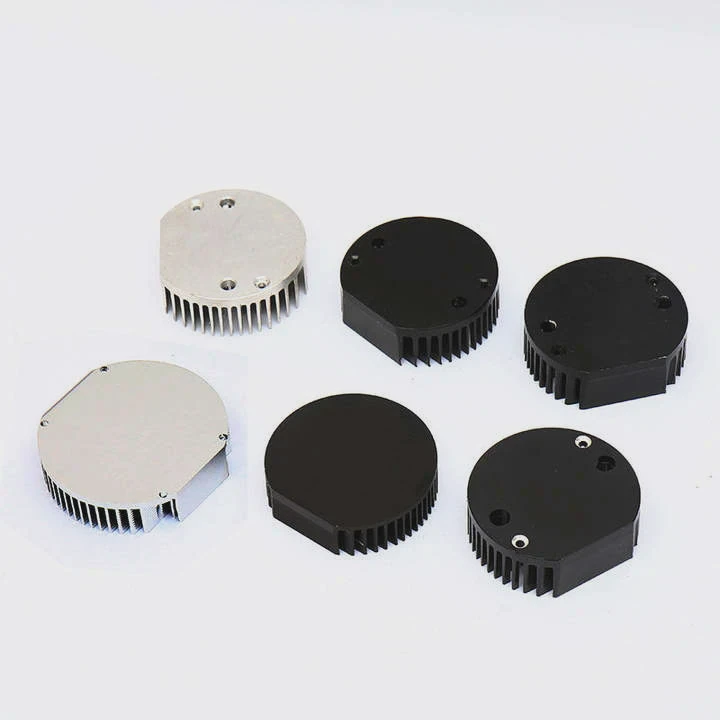
Cooling Challenges in Wind Control Electronics
Wind control units include power converters, sensors, communication devices. These components heat up during operation. In harsh environments — hot summer, winter cold, humidity — heat can combine with outdoor stresses. Control units often run 24⁄7. Over time thermal cycling, condensation, and humidity cause damage. Poor cooling accelerates wear on solder joints, capacitors, and connectors.
How Vapor Chambers Help Wind Control Systems
- Spread heat away from high‑power chips to entire housing
- Lower internal temperatures to reduce thermal cycling stress
- Limit hot spots that cause solder or component failure
- Enable passive cooling with fewer moving parts — no fans to fail
By reducing temperature extremes and thermal cycling, vapor chambers help extend component life. That leads to fewer breakdowns and reduced maintenance visits. In remote wind farms, that translates directly to higher uptime and lower service cost.
Example Table: Potential Downtime Reduction
| Failure Cause in Control Unit | Common Downtime Duration | Vapor Chamber Effect | Expected Reduction |
|---|---|---|---|
| Overheat due to heavy load | 24–48 hours for repair | Prevents overheating | ~70% fewer events |
| Capacitor failure from thermal stress | 1–2 months downtime | More stable temperature | ~50% fewer events |
| Solder joint fatigue from cycling | Weeks to replace | Reduce thermal cycling | ~60% fewer events |
Such reductions in failures add up when control units are remote. That improves overall energy output from wind turbines. It also reduces maintenance workload and spare‑part needs.
Practical Considerations for Wind Systems
Wind control units need rugged design. Vapor chambers must handle vibration, moisture, and temperature swings. Sealing must resist external pressure and corrosion. Designers often enclose chambers in sealed, weatherproof housings. They mount them with shock absorption. They also combine chambers with passive fins or ambient airflow cooling. That ensures heat is removed even without active cooling. When design and build follow best practices, vapor chambers make wind control units more reliable and resilient.
Are Vapor Chambers tested for green tech use?
Green energy gear demands high reliability under tough conditions. Cooling solutions must prove stable performance over long cycles. For new cooling tech adoption, testing and certification matter.
Yes. Vapor chambers can and should be tested for green energy applications. Many manufacturers run thermal cycling, humidity, vibration, and long‑term stress tests before certifying them for renewable energy gear.

What Tests Are Common for Renewable Use
For vapor chambers in green tech, engineers usually do:
- Thermal cycling: heating and cooling repeated hundreds or thousands of times
- Leakage test: check vacuum tightness over time or under pressure
- Humidity and salt‑spray test: especially for outdoor gear like wind turbine control units
- Vibration and shock test: simulate transport, installation, and operation in harsh weather
- Long-term load test: run a typical power load over months to check heat spread and reliability
Data Logging and Certification
Manufacturers often track:
- Temperature swings over time
- Thermal resistance before and after cycles
- Structural integrity and sealing after vibration and humidity exposures
- Performance drift over months
If tests pass, suppliers provide a “green tech ready” certificate or compliance report. That gives confidence to renewable energy system builders.
Summary of Industrial Testing Standards
| Test Type | Purpose | Typical Spec for Renewable Gear |
|---|---|---|
| Thermal Cycling | Check long‑term heat performance | −40 °C ↔ +85 °C, 500–1000 cycles |
| Leak / Vacuum Test | Ensure sealed internal medium | < 1e‑6 mbar·L/s leakage rate over 48h |
| Humidity / Salt Spray | Test corrosion resistance | 95% RH, 35 °C, 500 h |
| Vibration / Shock | Test mechanical durability | 5–500 Hz random vibration, 10 g shock pulses |
| Load Run Duration Test | Confirm steady‑state cooling under load | Continuous high load for 1000+ hours |
If a vapor chamber passes these tests, it proves suitable for green energy products. Then manufacturers can confidently offer it for solar inverters, wind control units, battery systems, or hybrid energy systems.
Why Testing Matters
Renewable energy gear often operates for decades. Cooling failure may lead to early shutdown or damage. Vapor chambers remain sealed and contain working fluid. If a seal fails, performance drops fast. Without testing, a seemingly good chamber may leak months later. That risk can ruin a wind farm or solar plant reliability. So rigorous testing is not optional. It is essential for real-world use.
Conclusion
Vapor chambers offer real advantages for renewable energy products. They improve cooling, cut failures, and support efficiency. When properly designed and tested, they help solar inverters, wind control units, and storage gear run cooler and last longer. Green energy systems benefit when manufacturers adopt vapor chamber cooling under strict quality control.
TAGS
Latest Articles

Volume discount levels for heat sink orders?
Buyers often ask when heat sink prices start to drop with volume. Many worry they’re overpaying for small orders. This guide explains how B2B volume pricing works for thermal components. Heat sink
21 Dec,2025
Heat sink long-term supply contract options?
Many buyers want stable pricing and reliable delivery for heat sinks. But without a clear contract, risks grow over time. This article explores how to secure better long-term supply deals. Long-term
21 Dec,2025
Tooling cost for new heat sink profiles?
Many engineers struggle to understand why tooling for custom heat sinks costs so much. They worry about budgeting and production timelines. This article breaks down the cost drivers behind tooling.
21 Dec,2025
Heat sink custom sample process steps?
Sometimes, starting a custom heat sink project feels overwhelming—too many steps, too many unknowns, and too many risks. You want a sample, but not endless delays. The process for requesting and
20 Dec,2025
Standard B2B terms for heat sink payments?
When buyers and sellers in B2B heat sink markets talk about payment, many don’t fully understand what’s standard. This can lead to delayed orders, miscommunication, and even lost business
20 Dec,2025
Heat sink pricing factors for large orders?
Heat sinks are vital for many systems. When prices rise, projects stall and budgets break. This problem can hit teams hard without warning. Large order heat sink pricing depends on many factors. You
20 Dec,2025Related Articles
- Vapor Chamber impact on energy efficiency?
- Sustainable materials for Vapor Chamber production?
- Collaboration opportunity for Vapor Chamber technology?
- Demand forecast for Vapor Chamber 2030?
- Can Vapor Chamber improve EV charging stations?
- Low Carbon Vapor Chamber Manufacturing Trend
- Vapor Chamber industry risk analysis?
- Application of Vapor Chamber in servers?
- Vapor Chamber cooling for edge computing?
- Vapor Chamber design for rugged environment?
- How to scale Vapor Chamber production?
- Vapor Chamber used in military-grade devices?
Author
Dr. Emily Chen
Chief AI Researcher
Leading expert in thermal dynamics and AI optimization with over 15 years of experience in data center efficiency research.
Categories
Latest Products






Recommend Categories
- Liquid cooling plate Manufacturer
- Industrial Heat Sink Manufacturer
- Standard Heat Sink Manufacturer
- Aluminum Heat Sink Manufacturer
- Copper Heat Sink Manufacturer
- Anodized Heatsink Manufacturer
- Stamping heat sink Manufacturer
- Die Casting Heatsink Manufacturer
- Soldering heat sink Manufacturer
- CNC Parts Manufacturer
Latest Products
- Wholesale Aluminum Radiator
- Water Cooling Plate Kit
- Water Cooling Heat Sink
- Water Cooling Heat Sink Kit
- Stainless Steel Water Distributor
- Server Water Cooling Plate Kit
- Server Liquid Cooling System
- Server Aluminum Cooling Kit
- S19 Full Cover Cooling Plate
- S19 Cooling Plate Kit
- S19 Aluminum Cooling Plate
Contact Expert
Have questions about this article? Reach out to our experts directly.