New techniques for Vapor Chamber processing?
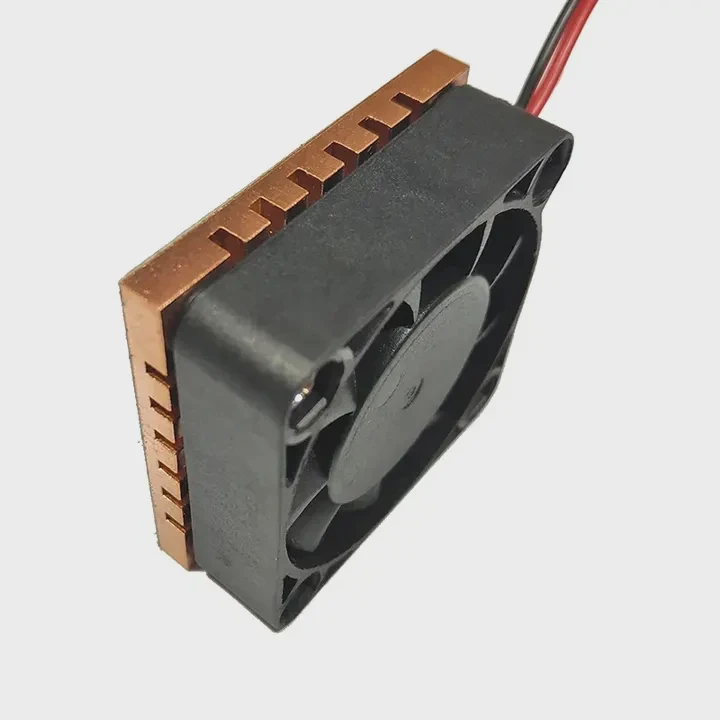
Many vapor chambers still use old techniques, but demands for higher power density and tighter design margins push manufacturers to explore better ways.
Yes. New manufacturing methods improve vapor chamber quality and lower costs by using better joining, more precise machining, and smarter designs.
More efficient production methods are reshaping how we build vapor chambers. Let’s explore these fresh techniques.
What new manufacturing methods improve Vapor Chambers?
New demands in electronics heat management put pressure on old processing methods.
Yes. Several new manufacturing methods improve vapor chambers by offering better heat paths, tighter joins, lighter weight, and more stable performance than older mass-production lines.
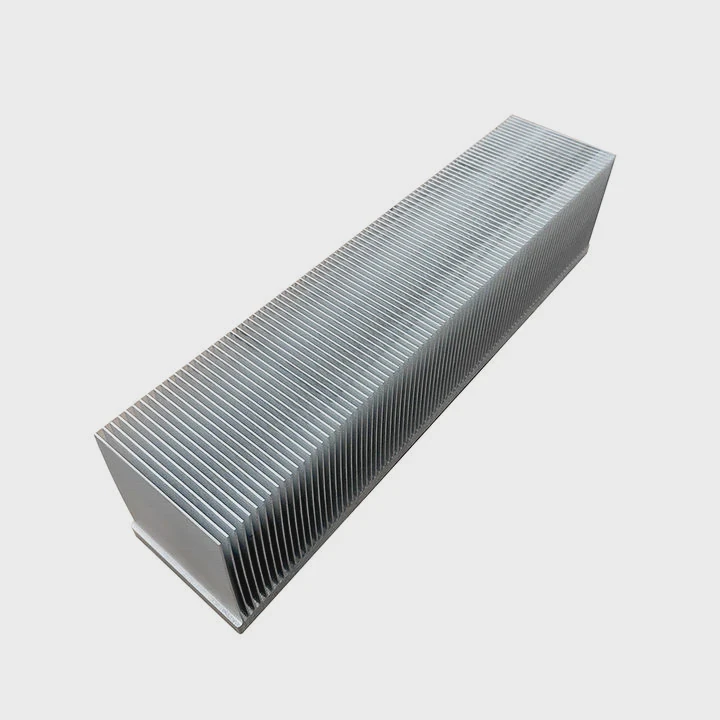
Most vapor chamber manufacturing begins with copper or aluminum plates. Modern factories now use high-precision CNC milling to create grooved patterns on base and cover plates. These grooves are often designed for optimal wick structure layout. Compared to traditional pressing, CNC allows finer, more controlled channel geometry.
Then comes sealing. Traditional welding is still common, but many suppliers shift toward vacuum brazing. This method puts the entire assembly into a vacuum furnace. All joints are sealed uniformly without needing filler material. That creates smoother, cleaner joints with less oxidation or residual contaminants.
Another new process is diffusion bonding. This uses pressure and high temperature to fuse metal surfaces without any weld filler. The result is a uniform joint with almost no thermal interface resistance — crucial for spreading heat efficiently.
Also, internal finning is evolving. Instead of placing sintered powder or mesh later, some manufacturers now integrate internal wick structures during stamping or rolling. This reduces the number of process steps, lowers material waste, and increases production speed.
Some methods also make vapor chambers lighter. Instead of full-thickness plates, cold-rolled ultra-thin foils are used, combined with structural ribs that keep mechanical strength. It’s a shift from mass to precision.
Comparison Table: Traditional vs. New Manufacturing Methods
| Process Step | Traditional Method | New Method | Key Advantage |
|---|---|---|---|
| Base Structure | Pressed plates | CNC machined grooves | Better fluid path control |
| Sealing | Manual welding | Vacuum brazing/diffusion bonding | Fewer leaks, cleaner joins |
| Internal Fins | Added mesh/sinter | Integrated during forming | Lower steps, tighter design |
| Thickness Strategy | Thick plates | Thin foil + structural ribs | Lower weight, same strength |
These changes improve consistency and scalability for both custom and mass-market vapor chamber production.
Are laser methods replacing traditional welding?
Laser welding sounds promising, but is it strong enough to replace old-school welds?
Yes. Laser methods are increasingly used instead of traditional welding. They promise faster join speed, more precise welds, and less heat distortion for vapor chambers.
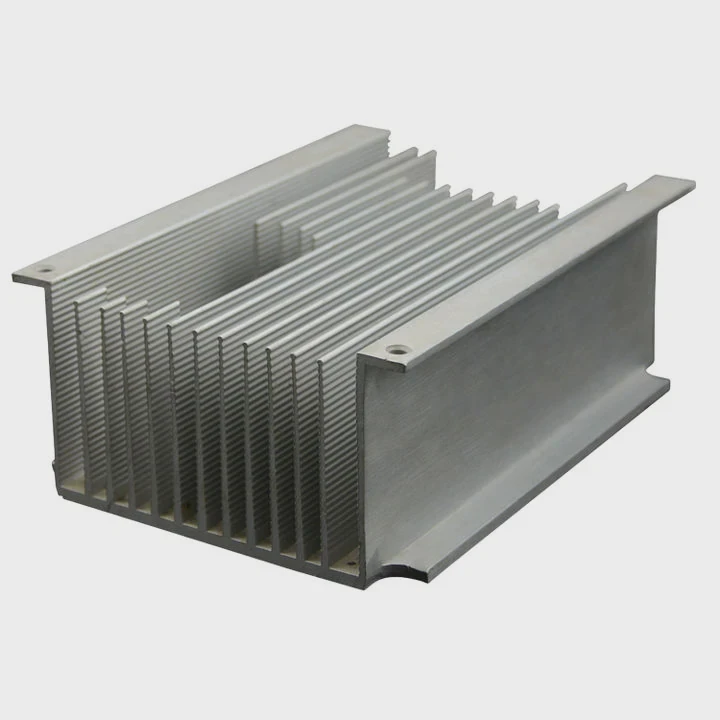
Laser welding focuses heat on a tiny area. It melts metal exactly where needed, leaving surrounding areas nearly untouched. This keeps chamber plates flat and avoids distortion. Flatness is crucial since warped plates reduce heat spreading.
The real edge comes from repeatability. Laser welds have consistent depth and width, which means more predictable performance. Plus, the process can be fully automated, making it ideal for high-volume runs with tight quality control.
Traditional welding, especially with copper, involves challenges: oxidation, slow speed, and inconsistent joint strength. Laser cuts through many of these issues.
There’s more. Laser systems can create complex joint shapes — like circular seams, internal ribs, or multi-spot patterns. These weren’t possible with manual welding tools. This allows engineers to rethink chamber geometry to match custom thermal loads.
However, laser welding does require precision optics and strong process control. Copper and aluminum reflect laser light, so beam absorption must be tuned. That’s why systems often include high-power pulsed lasers and real-time monitoring tools.
In conclusion, for vapor chambers with thin walls, special geometries, or volume production needs — laser welding is becoming the new standard.
Can 3D printing be used for internal structures?
Can additive manufacturing change how vapor chambers move heat?
Yes. 3D printing can build internal structures inside vapor chambers. It allows complex shapes, internal fins or micro-channels that classic machining cannot do.
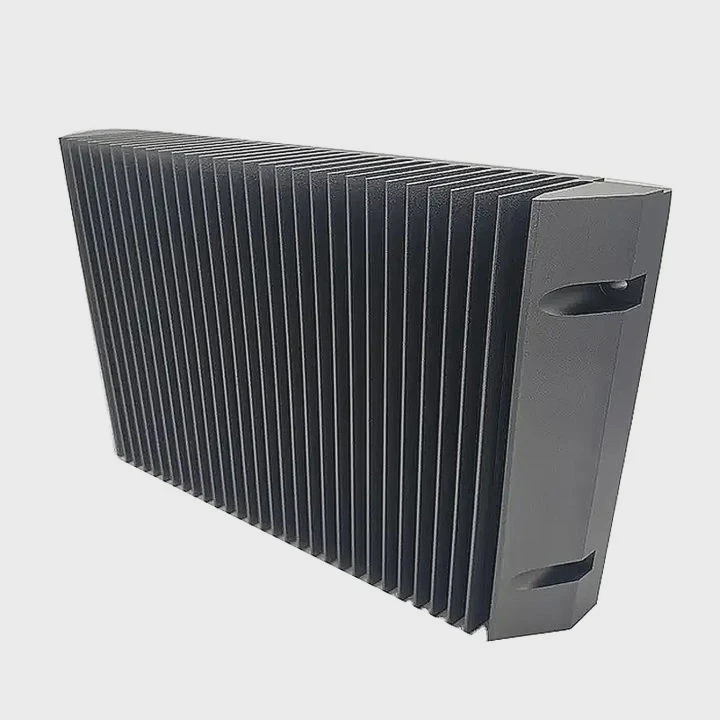
Additive manufacturing, especially metal 3D printing like selective laser melting (SLM), is entering the vapor chamber space. One of the biggest shifts it enables is internal customization. You can now design micro-lattices, hollow cores, or capillary channels directly into the metal base.
Instead of machining channels and then assembling wicks, 3D printing allows the entire chamber body — with internal structures — to be built in one pass. This cuts down assembly steps and minimizes human error.
The results? Better flow regulation, more uniform fluid distribution, and improved heat transfer from hotspot to condenser zone. For example, heat can move faster in 3D-printed pathways due to controlled capillarity and vapor diffusion geometry.
Still, additive manufacturing isn’t perfect. Printed surfaces are often rough. This may trap bubbles or interfere with fluid motion. Also, printed copper or aluminum alloys may not have the same thermal conductivity as rolled metal.
Cost is another factor. 3D printers capable of metal printing cost hundreds of thousands of dollars, and the powder material isn’t cheap. Print times for large vapor chamber parts can be long.
Despite this, for custom chambers in aerospace, high-performance computing, or medical equipment, 3D-printed internals unlock levels of control not possible before.
Table: 3D Printing vs. Conventional Structures
| Feature | 3D Printing Approach | Traditional Approach |
|---|---|---|
| Design Flexibility | Very high | Moderate |
| Internal Feature Control | Fully customizable | Limited by machining |
| Surface Finish | Rough, needs post-process | Smooth from machining |
| Cost & Speed | High cost, slow | Faster for mass production |
| Best Use Case | Custom/special devices | Large-volume standard designs |
3D printing isn’t replacing machining overnight, but it’s adding a new tool for engineers designing next-gen thermal spreaders.
Do new fluids enhance processing efficiency?
Can we improve vapor chamber performance just by changing the liquid inside?
Yes. Some new fluids and fluid treatments improve vapor chamber performance by offering better boiling points, lower surface tension, or more stable vapor-liquid dynamics.
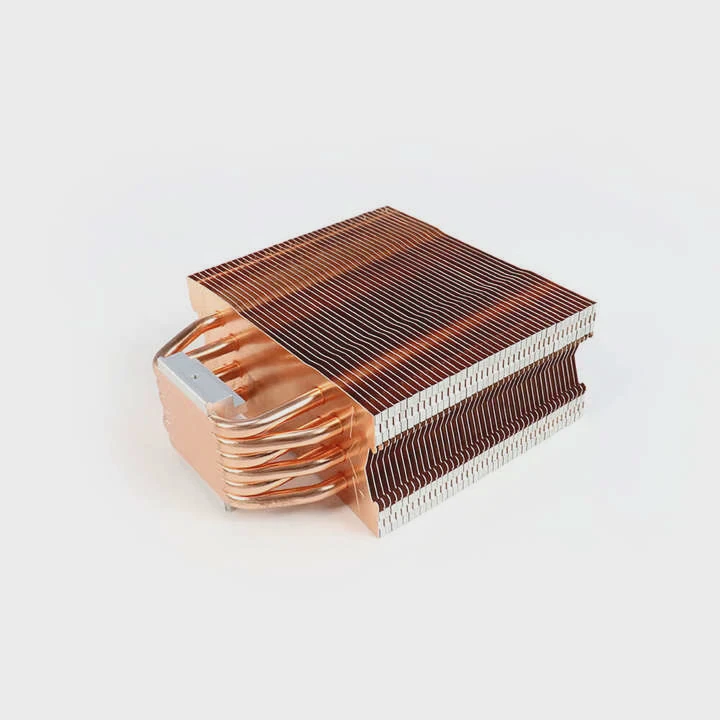
Vapor chamber working fluid plays a key role in heat transfer. Traditional chambers mostly use distilled water due to its high latent heat. But water freezes easily and boils at relatively low temperatures. In colder or hotter environments, it struggles.
New solutions involve fluid blends. Alcohol-water mixtures, refrigerants like R1233zd(E), or even engineered nanofluids now appear in some designs. These offer better performance in extreme conditions.
Additives can prevent corrosion or improve fluid wetting inside wick structures. Surface tension control agents help the fluid spread evenly, avoiding dry-out zones.
Another shift is toward fluid-assisted surface treatments. By coating inner walls with hydrophilic or nanoporous layers, fluid movement becomes more reliable. That ensures better performance when the chamber is tilted or under pulsing thermal loads.
Nanofluids — liquids with suspended nanoparticles — are another innovation. These particles improve thermal conductivity. But they come with risks. Over time, particles can settle, clog pathways, or degrade fluid properties.
Fluid Comparison Chart
| Fluid Type | Boiling Point | Pros | Cons |
|---|---|---|---|
| Water | ~100°C | High heat capacity, stable, cheap | Freezes easily, corrosion potential |
| Alcohol blends | ~78–100°C | Low freeze point, fast start-up | Volatile, lower heat capacity |
| Nanofluid (Cu, Al₂O₃) | Varies | Higher conductivity, faster response | Settling, long-term reliability issues |
| Fluorinated liquids | ~60–150°C | Wide temp range, chemical stability | Expensive, special handling needed |
Fluid choices impact chamber life, performance, and safety. Each new type demands new testing, but the results can be powerful in the right context.
Conclusion
New techniques—from better machining to laser welds, 3D-printed internals, and advanced fluids—are transforming vapor chamber manufacturing. Each method offers unique benefits. Together, they expand the possibilities for building more efficient, reliable thermal solutions for the future.
TAGS
Latest Articles

Volume discount levels for heat sink orders?
Buyers often ask when heat sink prices start to drop with volume. Many worry they’re overpaying for small orders. This guide explains how B2B volume pricing works for thermal components. Heat sink
21 Dec,2025
Heat sink long-term supply contract options?
Many buyers want stable pricing and reliable delivery for heat sinks. But without a clear contract, risks grow over time. This article explores how to secure better long-term supply deals. Long-term
21 Dec,2025
Tooling cost for new heat sink profiles?
Many engineers struggle to understand why tooling for custom heat sinks costs so much. They worry about budgeting and production timelines. This article breaks down the cost drivers behind tooling.
21 Dec,2025
Heat sink custom sample process steps?
Sometimes, starting a custom heat sink project feels overwhelming—too many steps, too many unknowns, and too many risks. You want a sample, but not endless delays. The process for requesting and
20 Dec,2025
Standard B2B terms for heat sink payments?
When buyers and sellers in B2B heat sink markets talk about payment, many don’t fully understand what’s standard. This can lead to delayed orders, miscommunication, and even lost business
20 Dec,2025
Heat sink pricing factors for large orders?
Heat sinks are vital for many systems. When prices rise, projects stall and budgets break. This problem can hit teams hard without warning. Large order heat sink pricing depends on many factors. You
20 Dec,2025Related Articles
- Vapor Chamber used in military-grade devices?
- How to scale Vapor Chamber production?
- Vapor Chamber design for rugged environment?
- Vapor Chamber cooling for edge computing?
- Application of Vapor Chamber in servers?
- Vapor Chamber industry risk analysis?
- Vapor Chamber ducting requirements?
- Vapor Chamber heat spreading efficiency?
- How to assemble Vapor Chamber prototypes?
- How thin can Vapor Chamber be?
- Vapor Chamber support for AI chips?
- Vapor Chamber impact on GPU performance?
Author
Dr. Emily Chen
Chief AI Researcher
Leading expert in thermal dynamics and AI optimization with over 15 years of experience in data center efficiency research.
Categories
Latest Products






Recommend Categories
- Liquid cooling plate Manufacturer
- Industrial Heat Sink Manufacturer
- Standard Heat Sink Manufacturer
- Aluminum Heat Sink Manufacturer
- Copper Heat Sink Manufacturer
- Anodized Heatsink Manufacturer
- Stamping heat sink Manufacturer
- Die Casting Heatsink Manufacturer
- Soldering heat sink Manufacturer
- CNC Parts Manufacturer
Latest Products
- Wholesale Aluminum Radiator
- Water Cooling Plate Kit
- Water Cooling Heat Sink
- Water Cooling Heat Sink Kit
- Stainless Steel Water Distributor
- Server Water Cooling Plate Kit
- Server Liquid Cooling System
- Server Aluminum Cooling Kit
- S19 Full Cover Cooling Plate
- S19 Cooling Plate Kit
- S19 Aluminum Cooling Plate
Contact Expert
Have questions about this article? Reach out to our experts directly.