Vapor Chamber used in military-grade devices?
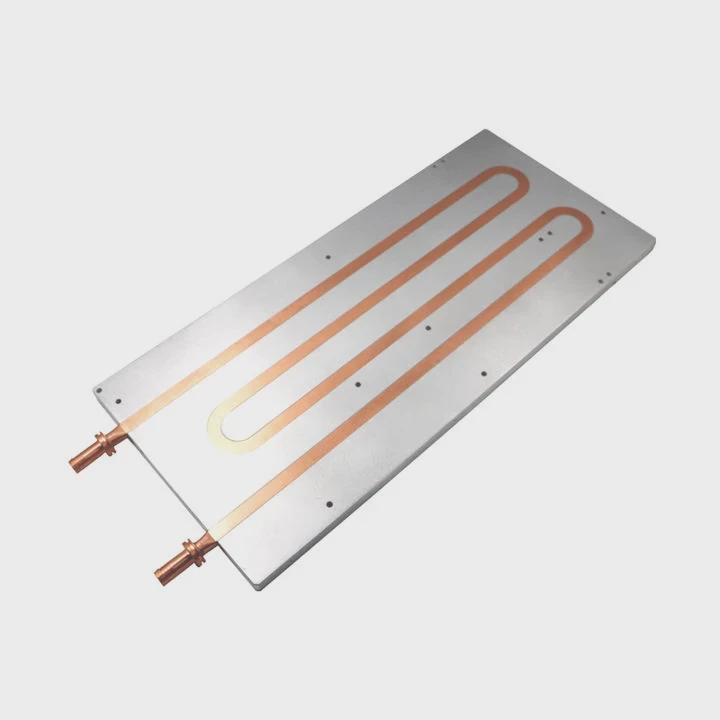
Thermal risks destroy expensive gear and risk lives. Without proper heat control, devices overheat and fail. Vapor chambers give a powerful thermal solution to protect military electronics.
Vapor chambers can and are used in military‑grade electronics for thermal regulation and reliability under high stress.
The rest of this article explains why vapor chambers matter, what standards apply, what tests rugged gear needs, and how export rules like ITAR may affect shipments.
Are Vapor Chambers applied in military-grade electronics?
Thermal problems often end missions. Vapor chambers offer strong cooling to keep electronics safe under heavy load.
Yes. Vapor chambers are applied in military electronics because they offer efficient heat spread and cooling in demanding combat or field conditions.
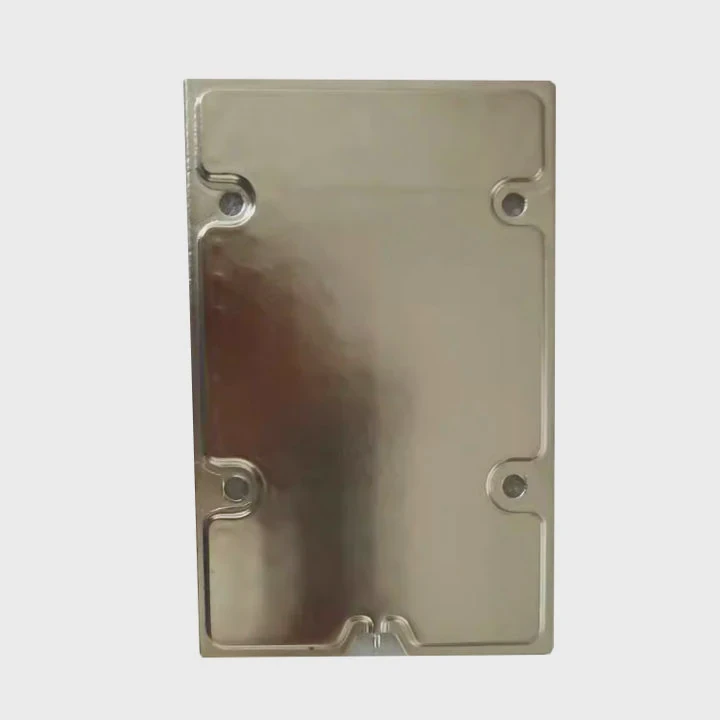
Vapor chambers help military electronics by moving heat away from hot spots fast. They spread heat across a wide base and help heat escape to a chassis or external fins. Devices like radios, radar modules, and control units face high heat from long operation or powerful processing chips. Without even heat spreading, hot spots can cause component failure or performance throttling.
Military devices often run in harsh conditions. They may use powerful processors or power electronics that generate a lot of heat. They may be enclosed in compact, sealed housings for protection. Vapor chambers fit well in those cases because they do not rely on airflow inside a device. Instead they rely on internal phase‑change and conduction to move heat. That means sealed boxes can still stay cool.
Also, vapor chambers can be made with robust materials like aluminum. They resist vibration and shock better than simple heat sinks in some designs. That matters because military gear sees rough handling, drop, vibration. The combination of mechanical strength and thermal performance makes vapor chambers a good match.
In addition, vapor chambers help thermal performance under extreme ambient temperatures. In deserts or cold zones, electronics can run hot or encounter sudden changes. Vapor chambers help maintain more stable internal temperatures. That supports reliability and longevity.
Finally, vapor chambers support miniaturization. Military electronics often need to be compact, light, and rugged. Vapor chambers enable high heat flux in small volume. That allows smaller device size without sacrifice of thermal safety. Overall, many military‑grade electronics benefit from vapor chambers — especially high‑power computing, communication, radar, and control modules.
What standards must military Vapor Chambers meet?
Thermal performance alone is not enough. Military‑grade vapor chambers must meet strict standards for safety, durability, reliability, and quality.
Military vapor chambers must meet standards for materials, thermal performance, mechanical strength, and traceability to ensure reliability under harsh conditions.
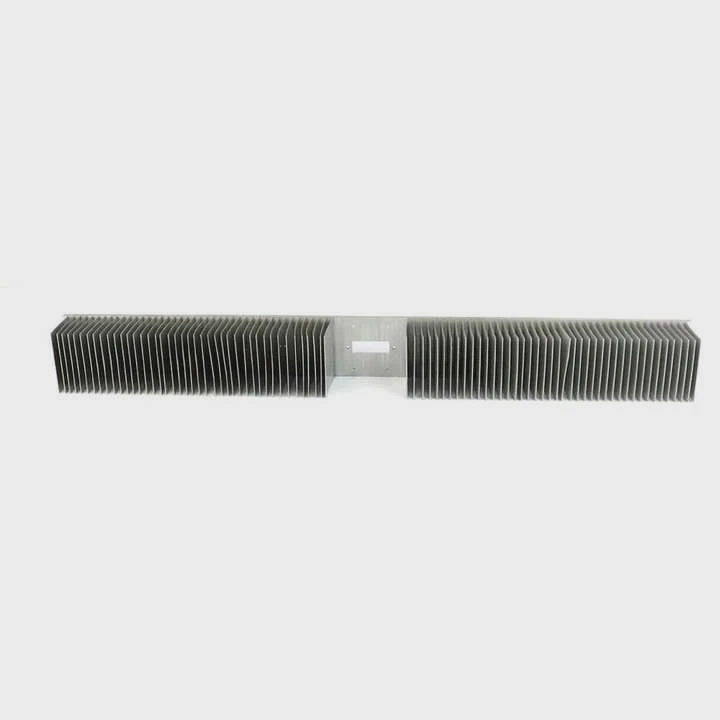
Common standard categories
Many standards apply in different categories:
| Category | Example requirements | Why important |
|---|---|---|
| Material quality | Use of high‑purity aluminum or copper alloys; verified composition | To ensure consistent thermal conductivity and avoid chemical instability |
| Thermal performance | Minimum heat spread over wide temperature range; verified at high and low ambient temps | To guarantee cooling under extreme heat and cold |
| Mechanical durability | Vibration resistance, shock resistance, stress tests | Military gear faces drop, transport, mechanical stress |
| Environmental resistance | Humidity, salt spray, dust, corrosion resistance | Gear may operate in harsh outdoor, maritime, desert conditions |
| Traceability and documentation | Batch records, material certificates, inspection logs | For quality control and audits, often required in military procurement |
Typical standards and certifications
Some common standards in military-grade components include:
- Material and process standards like MIL‑STD‑167 (vibration), MIL‑STD‑810 (environmental stress), or manufacturer internal standards.
- Manufacturing and quality control standards such as ISO 9001 or other traceability schemes.
- Thermal performance benchmarks defined by engineers based on device‑level requirements.
Often the vendor needs to supply data from thermal tests, mechanical tests, and environmental tests. That data serves as proof that the vapor chamber meets required reliability.
Why each standard matters
If a vapor chamber uses impure metal or has voids inside, then thermal conductivity may drop. That reduces cooling or makes performance unpredictable. In a worst case, a hot spot may overheat sensitive electronics. That can lead to failure or even fire hazards. For military gear, that level of risk is unacceptable. So standards enforce material purity, consistent manufacturing, and thorough inspection.
Mechanical standards ensure the part continues functioning after shock, vibration, or drop. Military gear may be mounted on vehicles or transported under rough conditions. A vapor chamber that cracks under stress would break the thermal connection and ruin the cooling system. So standards like vibration tests, shock tests, and stress cycling are crucial.
Environmental standards ensure the device works in extremes: from cold mountains to hot deserts, from dry to humid, from dust storms to salt air. If a vapor chamber corrodes or degrades under these conditions, the cooling path may degrade. That means inside electronics get too hot. So environmental resistance is another critical standard.
Do rugged applications require special testing?
Field gear faces unique stress. Rugged applications demand tests beyond routine lab checks to ensure survival in real world. Vapor chambers for those uses must pass extensive testing.
Yes. Rugged and military applications require added testing: vibration, shock, thermal cycling, humidity, dust, salt spray, and long-term reliability tests.
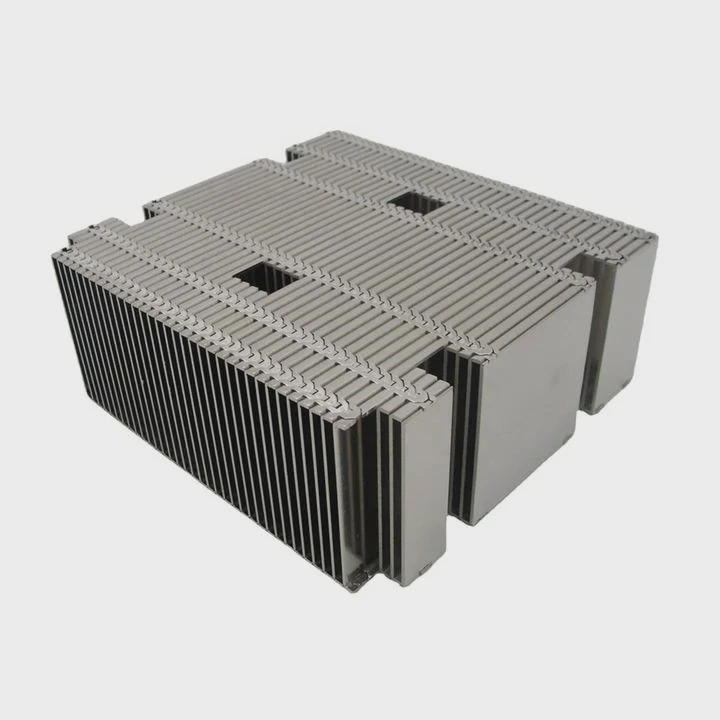
Key tests for rugged applications
Designers and test labs typically run:
- Vibration tests to simulate transport and road travel
- Shock tests to simulate drops and impact
- Thermal cycling between high and low temperatures to simulate desert to cold‑weather changes
- Humidity and salt‑spray tests for marine or humid environment use
- Dust ingress tests to simulate deserts or dusty environments
- Long‑term thermal stress tests under load for hours or days
Many times tests run beyond expected real world stress to provide margin. That builds confidence.
Example of a testing matrix
| Test Type | Conditions | Accept Criteria |
|---|---|---|
| Vibration | Random vibration 5–2000 Hz for 2 hours per axis | No cracks, no thermal performance drop > 5% |
| Shock | 50 g half‑sine, 11 ms, 3 shocks per direction | No leaks, no mechanical damage |
| Thermal Cycle | −40 °C to +85 °C, 100 cycles | Thermal spread within tolerance, no deformation |
| Salt Spray | 5% NaCl fog, 48 h | No corrosion, no seal damage |
| Dust Ingress | Dust chamber, 6 hr, fine silica dust | No dust inside sealed chamber |
Why extended tests matter
In real field use, gear might sit in a hot vehicle under direct sun. Then at night, it may face freezing cold. If vapor chamber is not built to handle that, thermal joints may crack. That breaks heat flow. That can cause localized overheating or thermal failure.
Also, gear may drop or be transported on rough roads. Vibration or shock can loosen internal joints or seals. Without proper testing, a vapor chamber might leak or delaminate. That ends cooling.
Many civilian tests don’t check salt air or dust ingress. Military gear may see seas, deserts, or construction zones. If you do not test for those, gear may fail after exposure. That is unacceptable.
Finally, long‑term stress under high load reveals issues like slow wick degradation, solder fatigue, or seal creep. Those issues show only after hours or weeks. Rugged testing includes long‑run tests to catch latent failures.
Design and manufacturing considerations
To meet rugged requirements, manufacturing must use high‑quality processes. For example, solder bonds or welds must be checked carefully. Internal wick structure must be consistent. Seals must hold under pressure and temperature swings. Quality control must include inspection, X‑ray or other non‑destructive tests. Each batch must be tracked. Without that rigor, rugged use is unsafe.
Is ITAR compliance relevant for military shipments?
Export rules often affect military gear worldwide. For thermal components, compliance matters when linking to defense systems or sensitive electronics.
Yes. ITAR compliance can matter when vapor chambers go with controlled defense devices, because regulators restrict export of components for military use.
What is ITAR and when it applies
The International Traffic in Arms Regulations (ITAR) covers defense articles and related components. If a vapor chamber is part of a controlled device or assembled into a finished defense product, then export or sale may need ITAR license. Even a seemingly “simple” thermal part can be controlled if integral to the final system.
If the vapor chamber is sold standalone and not labeled as part of a defense system, ITAR may not apply. But as soon as the purchaser intends to integrate it into military hardware, regulators may treat it as a controlled item.
How manufacturers and buyers handle compliance
- Suppliers must ask customers if the part will go into defense equipment.
- Documentation should record intended end‑use and end‑user.
- Export licenses may be needed to ship across borders.
- For domestic manufacture inside the US, internal compliance rules may still apply.
Why compliance matters even for small parts
Regulators want control over all parts that could support defense hardware. Thermal control parts may look harmless. But if they enable high‑power modules or radar systems, regulators view them as supporting technology. Uncontrolled export may lead to severe penalties. So compliance is serious even for metal heat spreaders.
Also, importers and distributors must track supply chain. Many defense contractors require suppliers to sign agreements, affirm compliance, and provide trace documentation. That increases paperwork and vetting. However it gives traceability and security.
Conclusion
Vapor chambers offer powerful, compact, and rugged thermal control. They serve well in military‑grade electronics. But to use them safely and reliably, strict standards, rigorous testing, and compliance with export rules may apply. When designers and suppliers meet all requirements, vapor chamber solutions support dependable operations even under extreme conditions.
TAGS
Latest Articles

Volume discount levels for heat sink orders?
Buyers often ask when heat sink prices start to drop with volume. Many worry they’re overpaying for small orders. This guide explains how B2B volume pricing works for thermal components. Heat sink
21 Dec,2025
Heat sink long-term supply contract options?
Many buyers want stable pricing and reliable delivery for heat sinks. But without a clear contract, risks grow over time. This article explores how to secure better long-term supply deals. Long-term
21 Dec,2025
Tooling cost for new heat sink profiles?
Many engineers struggle to understand why tooling for custom heat sinks costs so much. They worry about budgeting and production timelines. This article breaks down the cost drivers behind tooling.
21 Dec,2025
Heat sink custom sample process steps?
Sometimes, starting a custom heat sink project feels overwhelming—too many steps, too many unknowns, and too many risks. You want a sample, but not endless delays. The process for requesting and
20 Dec,2025
Standard B2B terms for heat sink payments?
When buyers and sellers in B2B heat sink markets talk about payment, many don’t fully understand what’s standard. This can lead to delayed orders, miscommunication, and even lost business
20 Dec,2025
Heat sink pricing factors for large orders?
Heat sinks are vital for many systems. When prices rise, projects stall and budgets break. This problem can hit teams hard without warning. Large order heat sink pricing depends on many factors. You
20 Dec,2025Related Articles
- How to scale Vapor Chamber production?
- Vapor Chamber design for rugged environment?
- Vapor Chamber cooling for edge computing?
- Application of Vapor Chamber in servers?
- Vapor Chamber industry risk analysis?
- Can Vapor Chamber enhance renewable energy products?
- New techniques for Vapor Chamber processing?
- Vapor Chamber ducting requirements?
- Vapor Chamber heat spreading efficiency?
- How to assemble Vapor Chamber prototypes?
- How thin can Vapor Chamber be?
- Vapor Chamber support for AI chips?
Author
Dr. Emily Chen
Chief AI Researcher
Leading expert in thermal dynamics and AI optimization with over 15 years of experience in data center efficiency research.
Categories
Latest Products






Recommend Categories
- Liquid cooling plate Manufacturer
- Industrial Heat Sink Manufacturer
- Standard Heat Sink Manufacturer
- Aluminum Heat Sink Manufacturer
- Copper Heat Sink Manufacturer
- Anodized Heatsink Manufacturer
- Stamping heat sink Manufacturer
- Die Casting Heatsink Manufacturer
- Soldering heat sink Manufacturer
- CNC Parts Manufacturer
Latest Products
- Wholesale Aluminum Radiator
- Water Cooling Plate Kit
- Water Cooling Heat Sink
- Water Cooling Heat Sink Kit
- Stainless Steel Water Distributor
- Server Water Cooling Plate Kit
- Server Liquid Cooling System
- Server Aluminum Cooling Kit
- S19 Full Cover Cooling Plate
- S19 Cooling Plate Kit
- S19 Aluminum Cooling Plate
Contact Expert
Have questions about this article? Reach out to our experts directly.