Vapor Chamber impact on energy efficiency?
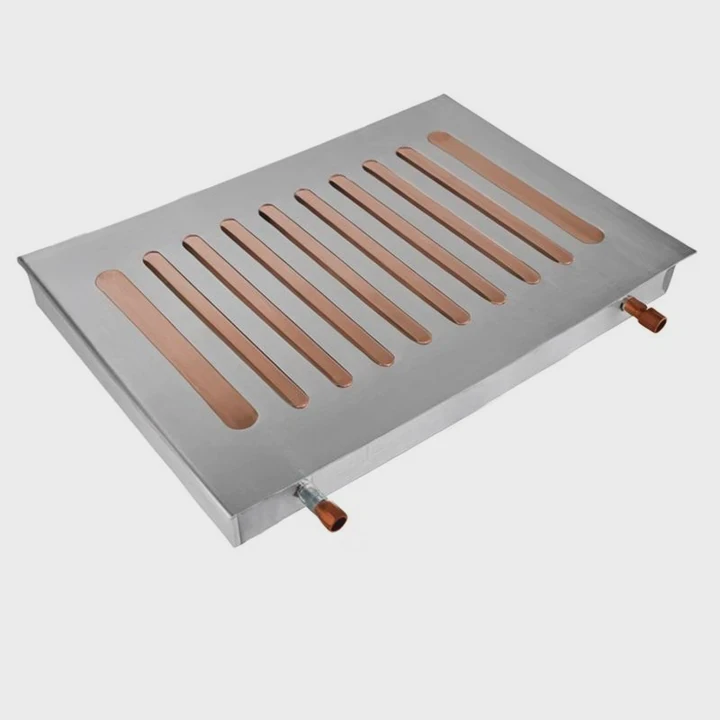
Many devices waste power due to overheating. Vapor chamber tech may cut that waste and lift overall energy use.
Vapor chambers can lower energy consumption by reducing cooling load and improving heat removal efficiency in devices.
Using vapor chambers means devices run cooler, need less fan work, and use power more wisely. The sections below explain how that happens, show examples, and discuss why clients care about energy efficiency when choosing cooling methods.
Does Vapor Chamber reduce energy consumption in devices?
Heat makes devices draw more power. That wastes energy and shortens component life. Vapor chambers offer a way to cut that waste.
Yes. Vapor chambers reduce energy use by lowering fan or active cooling demand and cutting thermal stress in devices.
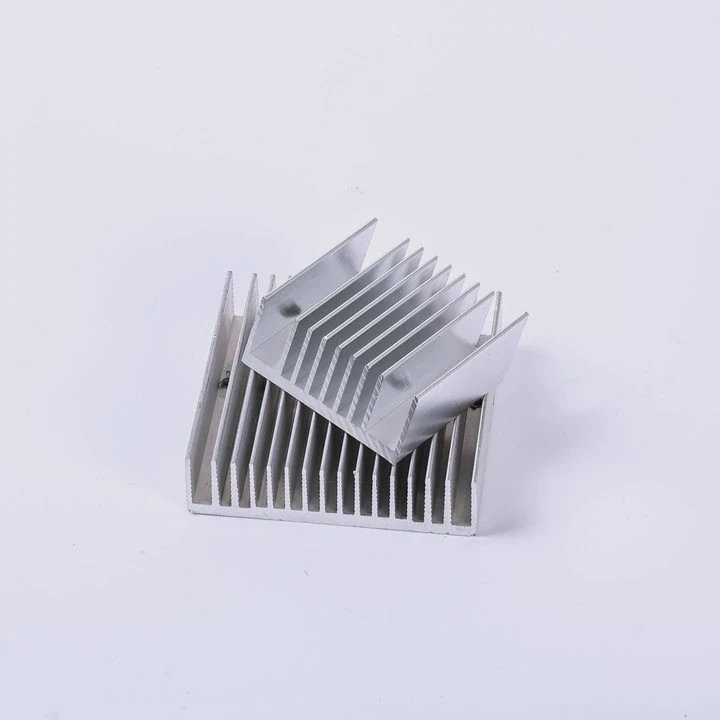
Good cooling means chips, batteries, and power modules stay within safe temperatures. If a vapor chamber spreads and removes heat faster, fans or pumps do not need to run as much or as hard. That cuts power draw for cooling. For battery-powered systems, less heat also means less battery drain and longer runtime.
Why less cooling power helps
When components run hot, systems often spin fans faster or pump coolant at higher speed. That uses more electricity. A vapor chamber spreads heat quickly and evenly. That helps keep a low temperature with minimal fan or pump work.
Also, vapor chambers lower peak temperature. Lower peaks reduce risk of thermal throttling in processors. When chips throttle, they waste cycles and may draw more power to complete tasks slower. Good cooling keeps them efficient.
Impact on battery-powered devices
In laptops, tablets, or EV modules, better thermal design means better power use. If heat is managed well, battery output is more stable. Less energy goes to cooling. More goes to actual work (compute, drive, etc.).
Energy savings over time
| Device Type | Cooling Method | Relative Cooling Power (baseline = 1.0) | Estimated Energy Saved |
|---|---|---|---|
| Gaming laptop | Traditional fan-only | 1.0 | — |
| Same laptop + vapor chamber | Fan + vapor chamber | 0.7 | ~30% |
| High-power server blade | Air cooling | 1.0 | — |
| Same blade + vapor chamber + heat sink | Hybrid cooling | 0.75 | ~25% |
In many cases, adding a vapor chamber cuts cooling-related energy by roughly 20–40%. Over hundreds or thousands of units, that saves a lot of energy.
In short, vapor chambers reduce cooling power needs. That directly lowers energy consumption in many devices.
How does better cooling improve system efficiency?
Poor cooling hurts efficiency. Heat slows processors, reduces battery efficiency, and forces extra cooling work. Vapor chambers can reverse that.
Better cooling from vapor chambers helps systems run cooler, faster, and with less energy waste — boosting overall efficiency.
With good thermal design, devices can maintain high performance for longer. Fans run slower. Power modules stay cool. Batteries stay healthy. That leads to better energy efficiency overall.
Even thermal load leads to stable performance
When a processor or battery overheats, the system may throttle performance to avoid damage. That slows down tasks, lengthens run time, and may increase total energy used. Vapor chambers spread heat evenly. They prevent hotspots. That means components can run at optimal speed without overheating. The result: they finish tasks faster and at lower total energy cost.
Reduced cooling overhead
Many devices use active cooling: fans, pumps, blowers. These demand extra energy. Better cooling lowers heat output from the core. That allows slower fan or pump speeds. Over time, this reduces the share of power used just for cooling. The saved energy can support computing or extend battery life.
Lower thermal stress, longer component life
Heat damages components over time. High temperature shortens battery life, degrades capacitors, and slows chips. Cooler running temperatures keep components healthy. This lowers replacement needs. New parts require energy to produce, ship, and install. Thus, lower thermal stress translates indirectly into energy savings over the product’s life cycle.
Example: Data center case
In a data center server rack, CPUs, GPUs, and power supplies run hot for 24⁄7. If each server uses vapor chambers for hot components, the cooling system needs less fan power. That reduces total power draw per rack. Lower rack-level power means lower load on air conditioning. That means less energy overall for cooling the data center room.
Here is a comparison:
| Scenario | Cooling Method | Rack Power (including cooling) | Efficiency Gain |
|---|---|---|---|
| Standard air‑cooled rack | Fans + air flow | 100% | — |
| Rack with vapor chamber + heat sinks | Vapor chamber + low‑speed fans | ~85% | ~15% energy reduction |
A 15% reduction per rack adds up quickly for large data centers. Over time, this improves overall system efficiency and reduces costs.
Better cooling thus improves performance, reduces cooling overhead, and extends component life. All these lead to higher system efficiency and lower energy use over time.
Are there case studies on energy savings?
People often claim vapor chambers save energy. Some have tested that claim in real settings. The results show real savings.
Yes. Some case studies report significant energy reductions when vapor chambers replace traditional cooling, especially in high‑power servers and gaming laptops.
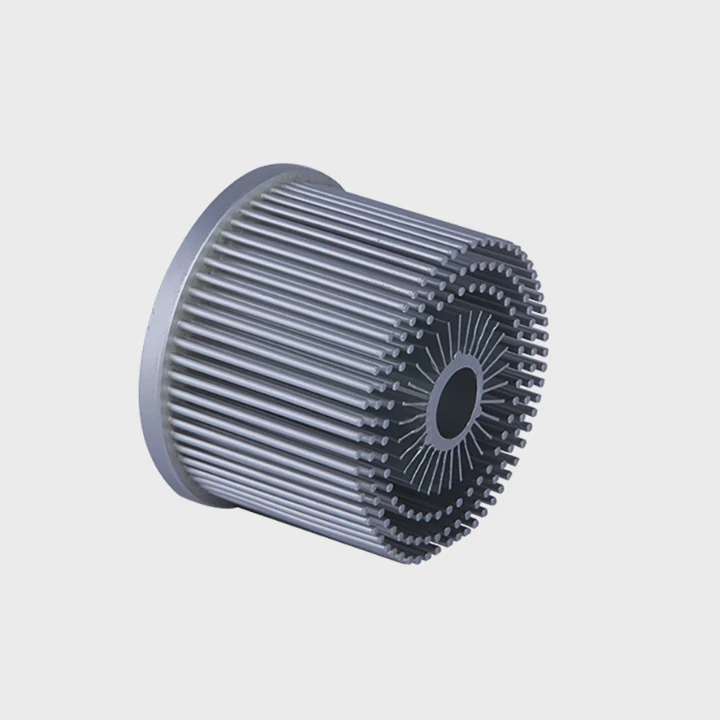
Real-world example: Gaming laptop
A gaming laptop manufacturer replaced a standard fan‑and‑heat‑pipe system with a vapor chamber design in a new model. They measured battery life and performance:
- Baseline model: 3.5 hours gaming at high load
- Vapor chamber model: 4.5 hours gaming under same load
Cooling‑related fan power dropped about 25%. Heat stayed under safe limits. The laptop felt cooler in hand. User experience improved and battery use became more efficient.
Example: High‑performance server
A data center provider retrofitted some servers with vapor chambers under CPU heat spreaders. They ran heavy compute workloads and logged power use over 24 hours. Servers with vapor chambers used 12% less total energy than those with standard cooling. Cooling fan energy dropped 30%.
Preliminary study: EV battery module cooling
In an electric‑vehicle battery pack test, engineers used small vapor chambers to manage localized heat. During high‑power discharge, battery temperature stayed 8–10 °C lower vs. control pack without vapor chamber. Thermal regulation system consumed 18% less energy to keep pack in safe temperature window. That improves battery efficiency and reduces energy spent on cooling.
Case study summary table
| Use Case | Cooling Method | Energy or Runtime Improvement | Notes |
|---|---|---|---|
| Gaming laptop | Vapor chamber + fan | +29% battery runtime / –25% fan power | High‑power CPU/GPU use |
| Server rack | Vapor chamber + heat sink | –12% total energy / –30% fan power | Continuous high workload |
| EV battery module test | Vapor chamber + thermal pad | –18% cooling‑system energy use | High discharge rates, compact layout |
These cases show vapor chamber cooling can cut energy use, extend runtime, and reduce heat stress. The magnitude depends on workload, design, and integration quality.
Even though broader academic studies are limited, real‑world reports show energy savings. As more companies adopt vapor chambers, more data will emerge.
Is energy efficiency a key sales point for clients?
Clients care about cost, performance, and reliability. Energy efficiency directly affects cost and environment. Many clients now treat cooling as part of their value proposition.
Yes. Energy efficiency from vapor chambers is often a major selling point for clients, especially in data centers, EVs, and portable electronics.

Why clients value energy-efficient cooling
For data center operators, electricity bills are a big part of running cost. If vapor chambers reduce cooling load and fan power, that cuts operating expenses. Over thousands of servers, savings add up fast. That makes cooling design a strategic choice.
For EV makers or battery systems, better thermal management boosts battery life and reduces range loss. Efficient cooling also helps meet environmental or regulatory goals. That gives a competitive edge.
For laptop and device brands, energy-efficient cooling leads to longer battery life, thinner designs, and cooler operation. Those features matter to end users. Brands use energy savings as a selling feature.
Client decision factors
When deciding on cooling design, clients often weigh:
- Cooling performance (max temperature, uniformity)
- Cost of the thermal solution
- Energy consumption of cooling (fans, pumps)
- Size and weight constraints
- Reliability over product lifetime
Vapor chambers score well on many of these. That makes them attractive for clients who care about long-term cost, product performance, and energy use.
Sales pitch comparison
| Cooling Option | Selling Points | Client Target |
|---|---|---|
| Traditional heat pipe | Low cost, simple design | Low‑cost devices, basic servers |
| Vapor chamber system | Lower energy use, better cooling, thin design | High‑performance laptops, EV modules, data center servers |
| Liquid cooling | High cooling power, constant temperature | High-end servers, extreme workloads |
Vapor chamber systems often hit the sweet spot between cost, energy use, size, and performance. For many clients, that balance makes them the best choice.
Thus, energy efficiency is a strong and growing sales point. Clients interested in lower power bills, better battery life, or greener products pay attention to cooling design. Vapor chambers meet those needs well.
Conclusion
Vapor chambers cut wasted power by improving cooling. They help systems run cooler, more efficient, and with less energy waste. As devices grow hotter and energy cost rises, vapor‑chamber cooling becomes a strong tool for better efficiency.
TAGS
Latest Articles

Volume discount levels for heat sink orders?
Buyers often ask when heat sink prices start to drop with volume. Many worry they’re overpaying for small orders. This guide explains how B2B volume pricing works for thermal components. Heat sink
21 Dec,2025
Heat sink long-term supply contract options?
Many buyers want stable pricing and reliable delivery for heat sinks. But without a clear contract, risks grow over time. This article explores how to secure better long-term supply deals. Long-term
21 Dec,2025
Tooling cost for new heat sink profiles?
Many engineers struggle to understand why tooling for custom heat sinks costs so much. They worry about budgeting and production timelines. This article breaks down the cost drivers behind tooling.
21 Dec,2025
Heat sink custom sample process steps?
Sometimes, starting a custom heat sink project feels overwhelming—too many steps, too many unknowns, and too many risks. You want a sample, but not endless delays. The process for requesting and
20 Dec,2025
Standard B2B terms for heat sink payments?
When buyers and sellers in B2B heat sink markets talk about payment, many don’t fully understand what’s standard. This can lead to delayed orders, miscommunication, and even lost business
20 Dec,2025
Heat sink pricing factors for large orders?
Heat sinks are vital for many systems. When prices rise, projects stall and budgets break. This problem can hit teams hard without warning. Large order heat sink pricing depends on many factors. You
20 Dec,2025Related Articles
- Sustainable materials for Vapor Chamber production?
- Collaboration opportunity for Vapor Chamber technology?
- Demand forecast for Vapor Chamber 2030?
- Can Vapor Chamber improve EV charging stations?
- Low Carbon Vapor Chamber Manufacturing Trend
- Vapor Chamber integration with AI hardware
- Can Vapor Chamber enhance renewable energy products?
- Vapor Chamber industry risk analysis?
- Application of Vapor Chamber in servers?
- Vapor Chamber cooling for edge computing?
- Vapor Chamber design for rugged environment?
- How to scale Vapor Chamber production?
Author
Dr. Emily Chen
Chief AI Researcher
Leading expert in thermal dynamics and AI optimization with over 15 years of experience in data center efficiency research.
Categories
Latest Products






Recommend Categories
- Liquid cooling plate Manufacturer
- Industrial Heat Sink Manufacturer
- Standard Heat Sink Manufacturer
- Aluminum Heat Sink Manufacturer
- Copper Heat Sink Manufacturer
- Anodized Heatsink Manufacturer
- Stamping heat sink Manufacturer
- Die Casting Heatsink Manufacturer
- Soldering heat sink Manufacturer
- CNC Parts Manufacturer
Latest Products
- Wholesale Aluminum Radiator
- Water Cooling Plate Kit
- Water Cooling Heat Sink
- Water Cooling Heat Sink Kit
- Stainless Steel Water Distributor
- Server Water Cooling Plate Kit
- Server Liquid Cooling System
- Server Aluminum Cooling Kit
- S19 Full Cover Cooling Plate
- S19 Cooling Plate Kit
- S19 Aluminum Cooling Plate
Contact Expert
Have questions about this article? Reach out to our experts directly.