How to scale Vapor Chamber production?
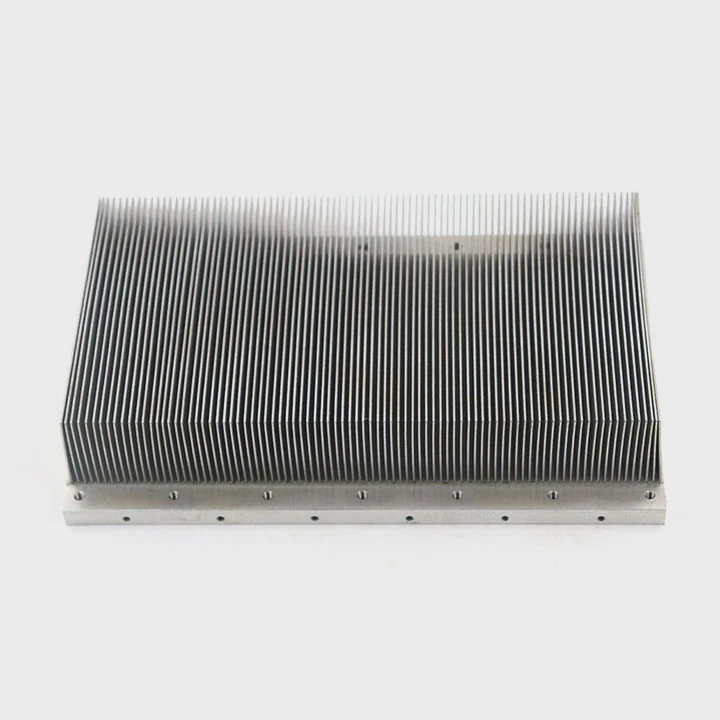
Vapor Chamber manufacturing is a complex process. But when demand surges, many suppliers struggle to keep up with volume and consistency.
Scaling vapor chamber production involves process optimization, smart tooling, and strategic automation. Each decision affects speed, yield, and cost-efficiency.
Without the right scale-up strategies, bottlenecks form quickly. Let’s explore how manufacturers can meet high-volume orders while keeping quality stable.
What steps scale up Vapor Chamber manufacturing?
Production scaling needs more than just larger machines. It requires rethinking process flows, material supply, and quality checks from start to finish.
To scale up vapor chamber manufacturing, manufacturers optimize welding, charging, testing, and sealing processes. Scaling also requires expanded cleanroom operations and supply chain coordination.

Scaling begins by breaking down the full process into discrete stages. Each stage—from CNC machining of aluminum shells to filling and sealing with working fluid—must be reviewed for timing, bottlenecks, and failure risks. The goal is to reduce cycle time and increase parallel processing.
Key steps in the scaling process
| Step | Action | Goal |
|---|---|---|
| 1 | Material preparation | Ensure steady input of shells, wicks, and plates |
| 2 | Shell machining | Batch-process outer shells with high tolerance |
| 3 | Wick integration | Integrate sintered or mesh wicks inside cavities |
| 4 | Fluid charging | Vacuum charge with DI water or organic liquids |
| 5 | Sealing & welding | Use laser or diffusion welding to seal |
| 6 | Leak and thermal testing | Test thermal resistance, leak-proof sealing |
| 7 | Cleaning & final QC | Clean inside-out and verify via thermal profile |
Cleanroom expansion is often necessary when scaling. Dust or contamination ruins internal wick performance. This requires investment in ISO-class facilities and strict gowning protocols.
Alongside hardware, training more skilled operators and building layered QA systems is essential. One defect in 10,000 units can halt shipments.
Does automation help in high-volume production?
Manual steps can’t keep pace when order sizes increase. Human handling introduces variation, fatigue, and slower repeatability.
Yes, automation helps by speeding up welding, fluid charging, and testing. It reduces errors, improves consistency, and ensures better quality control in large batch production.
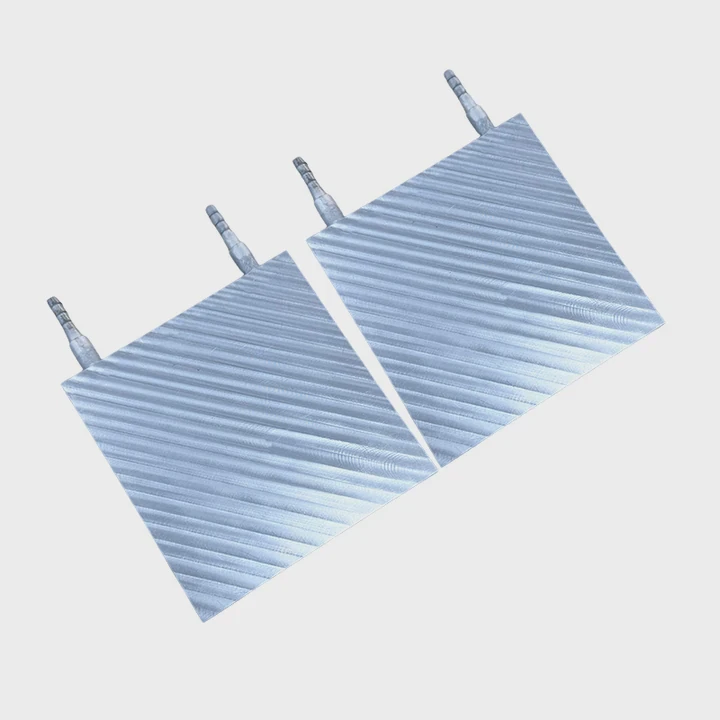
Automation is not about removing humans—it’s about letting machines handle precision and repetition. The most common automation upgrades in vapor chamber lines include:
Key automation points
1. Laser Welding Automation
Robotic arms handle vapor-tight laser welding. They follow CAD-defined paths with 0.01mm repeatability, reducing warping and uneven seals.
2. Automated Fluid Charging
Fully sealed vacuum chambers with programmable logic controllers (PLC) automate the charging of working fluids under strict vacuum and temperature conditions. This eliminates underfilling or overcharging.
3. End-of-Line Testing
Automated leak detectors and thermal profiling stations use IR sensors and flow meters to validate heat spreading. Data is logged per unit for traceability.
Benefits of automation
| Benefit | Explanation |
|---|---|
| Consistency | Every unit built the same way, reducing rework |
| Speed | Robots and PLCs work faster than humans |
| Labor reduction | Lower reliance on trained technicians for every step |
| Traceability | Machines collect and store data on each unit |
| Safety | Automation reduces exposure to hot surfaces and vacuum risks |
With automation, factories can scale from 10,000 to 100,000+ units per month without linear increases in labor.
Can modular tooling improve scalability?
Fixed tooling often leads to changeover delays when switching product sizes or designs. Flexibility becomes crucial in fast-changing markets.
Yes, modular tooling allows quick changeovers and scalable production. It improves line flexibility and reduces downtime, supporting batch switching without full retooling.
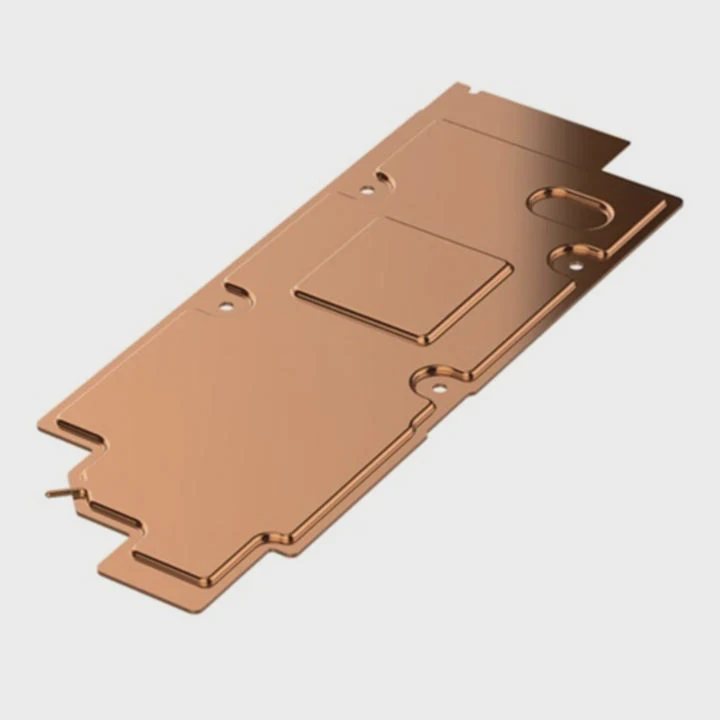
Modular tooling uses adjustable jigs, clamps, and fixtures that can adapt to different vapor chamber designs. Instead of designing a unique tool for every product, engineers build toolkits with interchangeable parts.
Benefits of modular tooling
1. Faster Changeovers
A switch from one vapor chamber model to another takes minutes, not hours. This helps handle orders for multiple customers or small batches.
2. Lower Tooling Cost
Instead of building five complete tools, manufacturers can build one modular frame with swappable inserts.
3. Maintenance Simplicity
Modular tools can be disassembled and maintained faster. This helps reduce downtime from worn-out clamps or damaged holders.
Example: Modular Pressing Jig
| Feature | Description |
|---|---|
| Base Frame | Heavy-duty steel with fixed alignment slots |
| Clamp Inserts | Adjustable plates to hold different chamber sizes |
| Sensor Mounts | Swappable fixtures for temp and pressure sensors |
| Tool ID System | Barcode/RFID for machine to recognize the jig |
When production scales across 5+ product variants, modular tooling ensures continuity and quality. It’s particularly effective in medium-volume, high-mix scenarios—common in aerospace and high-end electronics.
What limits mass production of Vapor Chambers?
Even with automation and modular setups, some barriers remain. Scaling vapor chamber production isn’t just a technical issue—it’s also about process maturity and market demand.
Mass production is limited by raw material stability, yield rates, cleanroom needs, and skilled labor availability. Each factor adds constraints to throughput and cost control.
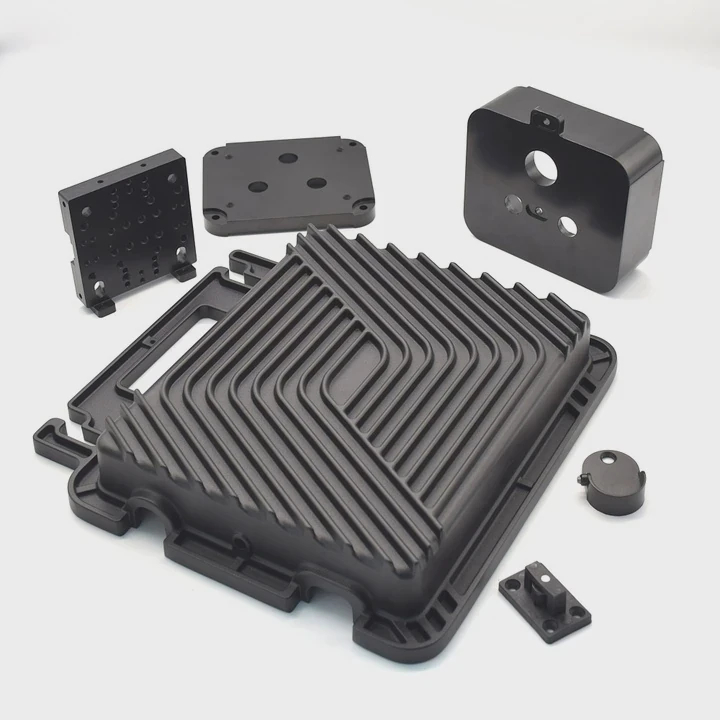
Common constraints in mass production
1. Material Stability
Copper and aluminum sheet quality affects machining precision. Inconsistent grain structure or impurity levels cause leakage or poor thermal contact.
2. Cleanroom Availability
Wick insertion and sealing require clean ISO-class environments. Scaling cleanroom area involves high CAPEX and HVAC planning.
3. Skilled Workforce
While machines handle repeatable tasks, process setup and troubleshooting still require experienced technicians. Hiring and training such talent takes time.
4. Tool Life and Maintenance
Laser lenses, press molds, and vacuum pumps wear down under heavy use. Poor maintenance scheduling leads to unplanned downtime.
5. Yield and QA Loops
Even a 2% defect rate means thousands of units in large orders. QA systems must identify, isolate, and report defects in real time to prevent mass fallout.
Hidden costs of scaling
| Hidden Cost | Impact |
|---|---|
| Downtime during changeovers | Wastes hours per day |
| Higher energy use | HVAC and welding systems draw more power |
| Scrap rate | Failed units increase material costs |
| Delay in tooling updates | Slows down design iteration or new orders |
| Regulatory certifications | Each product may need thermal and safety certification |
Mass production also exposes product variability that was not visible at small scale. Minor changes in wick sintering or filling levels can lead to noticeable shifts in performance. Thermal engineers must work with production staff to tune parameters over time.
Conclusion
Scaling vapor chamber production is more than copying existing lines. It requires detailed planning, process control, and flexible engineering. With the right automation, tooling, and cleanroom setup, manufacturers can meet global demand reliably.
TAGS
Latest Articles

Volume discount levels for heat sink orders?
Buyers often ask when heat sink prices start to drop with volume. Many worry they’re overpaying for small orders. This guide explains how B2B volume pricing works for thermal components. Heat sink
21 Dec,2025
Heat sink long-term supply contract options?
Many buyers want stable pricing and reliable delivery for heat sinks. But without a clear contract, risks grow over time. This article explores how to secure better long-term supply deals. Long-term
21 Dec,2025
Tooling cost for new heat sink profiles?
Many engineers struggle to understand why tooling for custom heat sinks costs so much. They worry about budgeting and production timelines. This article breaks down the cost drivers behind tooling.
21 Dec,2025
Heat sink custom sample process steps?
Sometimes, starting a custom heat sink project feels overwhelming—too many steps, too many unknowns, and too many risks. You want a sample, but not endless delays. The process for requesting and
20 Dec,2025
Standard B2B terms for heat sink payments?
When buyers and sellers in B2B heat sink markets talk about payment, many don’t fully understand what’s standard. This can lead to delayed orders, miscommunication, and even lost business
20 Dec,2025
Heat sink pricing factors for large orders?
Heat sinks are vital for many systems. When prices rise, projects stall and budgets break. This problem can hit teams hard without warning. Large order heat sink pricing depends on many factors. You
20 Dec,2025Related Articles
- Vapor Chamber design for rugged environment?
- Vapor Chamber cooling for edge computing?
- Application of Vapor Chamber in servers?
- Vapor Chamber industry risk analysis?
- Can Vapor Chamber enhance renewable energy products?
- Vapor Chamber impact on energy efficiency?
- Vapor Chamber used in military-grade devices?
- New techniques for Vapor Chamber processing?
- Vapor Chamber ducting requirements?
- Vapor Chamber heat spreading efficiency?
- How to assemble Vapor Chamber prototypes?
- How thin can Vapor Chamber be?
Author
Dr. Emily Chen
Chief AI Researcher
Leading expert in thermal dynamics and AI optimization with over 15 years of experience in data center efficiency research.
Categories
Latest Products






Recommend Categories
- Liquid cooling plate Manufacturer
- Industrial Heat Sink Manufacturer
- Standard Heat Sink Manufacturer
- Aluminum Heat Sink Manufacturer
- Copper Heat Sink Manufacturer
- Anodized Heatsink Manufacturer
- Stamping heat sink Manufacturer
- Die Casting Heatsink Manufacturer
- Soldering heat sink Manufacturer
- CNC Parts Manufacturer
Latest Products
- Wholesale Aluminum Radiator
- Water Cooling Plate Kit
- Water Cooling Heat Sink
- Water Cooling Heat Sink Kit
- Stainless Steel Water Distributor
- Server Water Cooling Plate Kit
- Server Liquid Cooling System
- Server Aluminum Cooling Kit
- S19 Full Cover Cooling Plate
- S19 Cooling Plate Kit
- S19 Aluminum Cooling Plate
Contact Expert
Have questions about this article? Reach out to our experts directly.