Vapor Chamber cooling for edge computing?
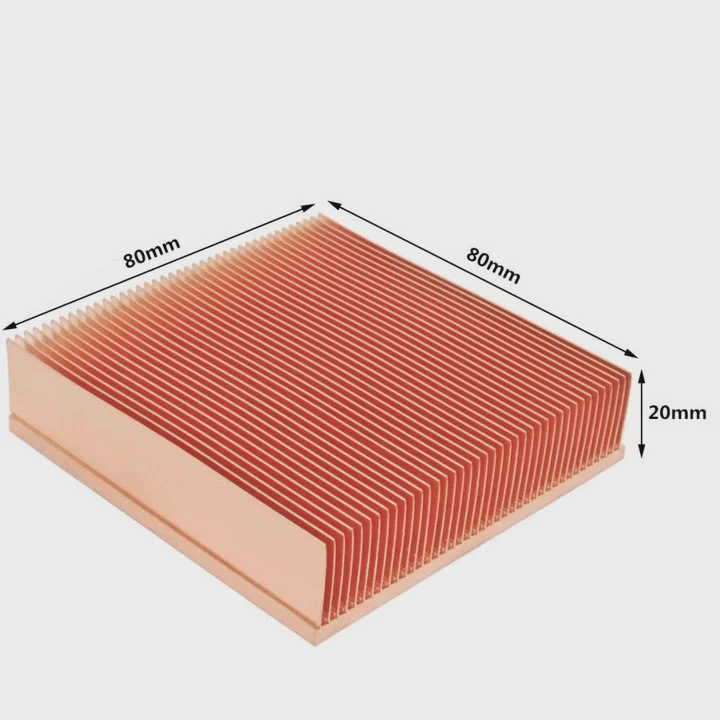
Heat builds up quickly in small edge devices. Without good cooling, devices overheat and fail. A vapor chamber may offer a clever fix.
Yes. Vapor chambers often handle heat well in edge computing devices because they spread heat fast and let compact passive or light‑fan cooling work.
To see how this works in real devices, we dig into common thermal loads, size limits, noise constraints, and modular designs below.
Can Vapor Chambers handle heat in edge computing devices?
Heat can concentrate fast inside edge boxes and gateways. If cooling fails, chips throttle or shut down. Vapor chambers promise wide, fast heat spreading to avoid hot spots.
In many cases vapor chambers do handle heat in edge devices. They move heat away from hot chips quickly, so passive or small‑fan cooling can keep devices safe.
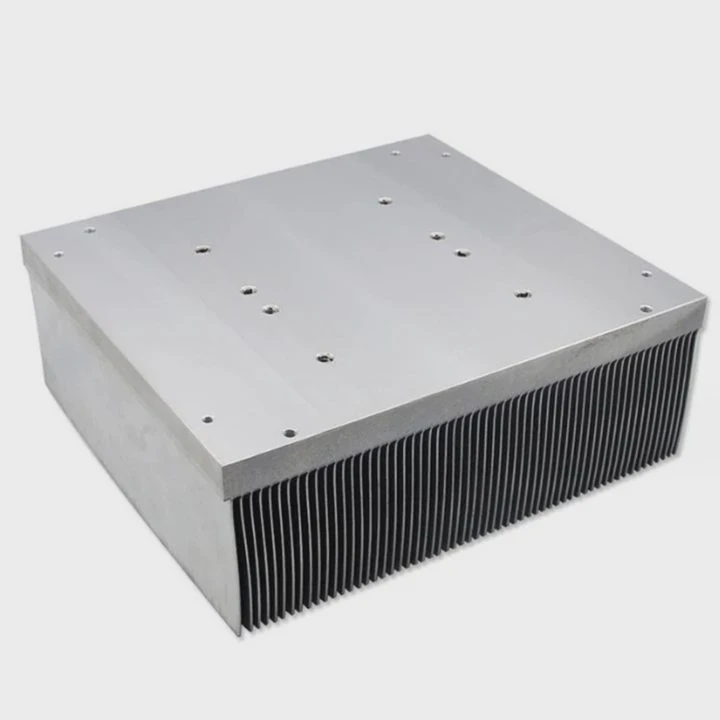
A vapor chamber spreads heat using phase change and internal wick/evaporator mechanics. It moves heat from a hot concentrated source across a flat plate. This helps avoid thermal bottlenecks common in dense circuit boards.
Typical heat loads in edge devices
Edge computing boxes often include CPUs, network chips, memory, and maybe an accelerator. Their steady‑state heat ranges:
| Device type | Approx. power (W) |
|---|---|
| Small IoT gateway / sensor box | 2–5 W |
| Router / small edge gateway | 10–20 W |
| Compact mini‑PC edge box | 20–40 W |
| Aggressive AI edge module | 40–60 W |
For lighter devices (2–20 W), a well‑designed vapor chamber with passive or low‑RPM fan cooling generally keeps temperatures safe. In more demanding modules (20–60 W), engineers must ensure the chamber area and contact interface are sized properly.
Why vapor chambers excel
- They spread heat across the base plate fast. This reduces hotspot risk.
- Flat shape helps fit under slim enclosures.
- Good contact with chips ensures fast heat pick‑up.
Design limits and caveats
Vapor chambers do not generate cooling — they move heat. If there is no path for heat to exit (radiation fins, airflow, or conduction to chassis), the device still overheats. A small edge router without airflow may not benefit much.
Also, if the heat source is spread — many small chips across a board — a single small vapor chamber may not catch all heat. In that case, multiple chambers or a custom heat spreader may work better.
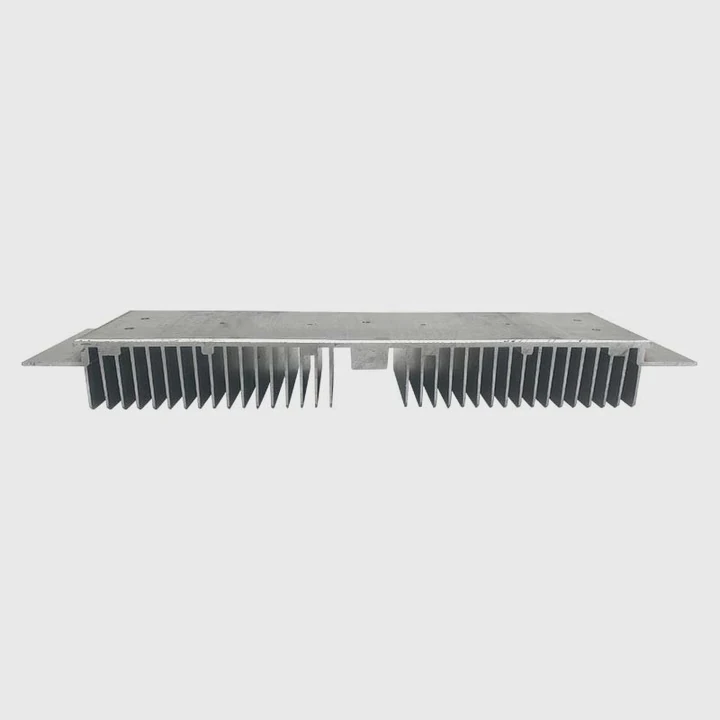
In short: When heat is concentrated and there is a path for dissipation, vapor chambers usually work well for edge devices. Designers must ensure real cooling beyond the chamber itself.
Are space constraints a challenge in edge applications?
Many edge devices are small, rugged boxes. They often target wall‑mounting or compact rack spaces. Adding bulky cooling structures can block ports, raise enclosure height, or complicate assembly.
Yes. Space constraints often challenge cooling design in edge devices. But vapor chambers often offer a thinner, flatter cooling solution compared with towers or bulky heatsinks.
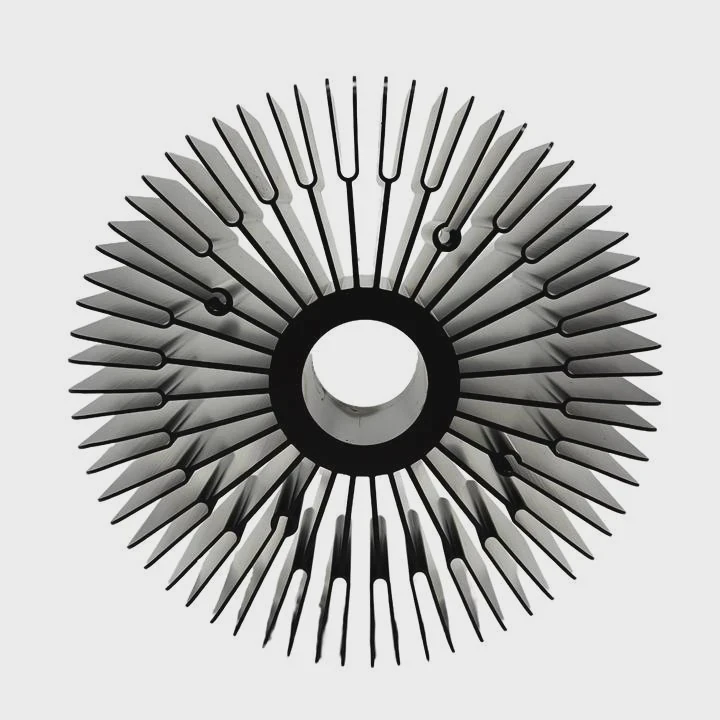
In edge applications, the enclosure often has little free space. Designers must fit circuit boards, connectors, power supply, and maybe storage. Cooling must not hinder port access or mounting. Traditional heatsinks with tall fins or thick heat pipes may not fit.
A vapor chamber solves many of these problems. Since it is thin and flat, it fits under a low-profile top cover. It can sit directly above a CPU or SoC. Then, thermal load spreads horizontally under the cover. The outer lid or sidewalls of the enclosure can act as heat‑dissipation surfaces. Sometimes the enclosure itself becomes the heatsink.
Benefits with vapor‑chamber layout
- Flat chamber adds little thickness — good for slim boxes.
- Even heat distribution avoids hot spots under tight cases.
- Enclosure becomes part of cooling path — minimal extra volume.
Challenges to watch
If the top cover is metal, good thermal contact must exist. Otherwise the chamber’s benefit is lost. If parts like battery, connectors, or cables sit between chamber and cover, heat may bottleneck.
Layout considerations in practice
| Constraint type | What to check |
|---|---|
| Enclosure thickness | Is the cover thick enough and planar to spread heat? |
| Internal obstacles | Are there cables, screws, or plastic standoffs blocking contact? |
| Mounting method | Does the chamber avoid blocking mounting points or fasteners? |
| Airflow or conduction path | Is there a path for heat to exit (e.g. chassis, vents)? |
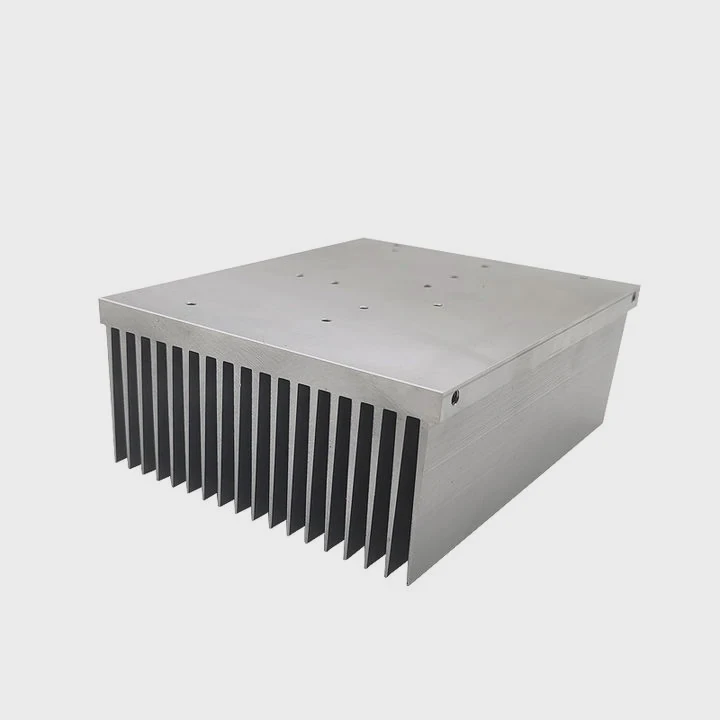
In short, space limits are often a challenge. Vapor chambers help by using minimal thickness and enabling enclosure‑level cooling. But success depends on smart layout and thermal contact design.
Do edge devices need silent passive cooling?
Many edge installations run in quiet offices, homes, or noise‑sensitive environments. Loud fans annoy users and may hinder deployment. Passive cooling or very low noise is often preferred or required.
Yes. Edge devices often need silent or low‑noise cooling. Vapor chambers support passive cooling or light‑fan designs to meet that need.
In typical edge use, devices may stay powered 24⁄7. Fans running at high RPM create constant noise. For an office environment or home gateway, that noise can become intolerable. Passive cooling solves this. Vapor chambers transfer heat quickly to a broad surface. Then that surface radiates or convects heat quietly.
When passive cooling works
- Heat load is modest (below 20–25 W)
- Enclosure has enough surface area to dissipate heat
- Ambient air is not too hot and some airflow exists
If these conditions hold, vapor‑chamber + metal enclosure often keeps internal chips cool well under thermal specs. That yields truly silent operation.
When you might need a fan
For higher loads (≥30 W) or if ambient temperature is high or airflow restricted, passive cooling may fail. In those cases, pairing vapor chamber with a low‑speed fan or blower helps. Even then, because heat is spread, fan can run slower and quieter than for focused heat pipes.
Passive vs active cooling: basics
| Method | Noise | Cooling power | Pros | Cons |
|---|---|---|---|---|
| Pure passive (vapor‑chamber + metal case) | Silent | Low to moderate | No moving parts, silent | Limited power, needs enclosure design |
| Passive + low‑speed fan | Low noise | Moderate to high | Quiet, efficient | Adds fan, slight noise, complexity |
| High‑speed fan / blower | Higher noise | High cooling power | Handles heavy loads | Noise, potential failure |
Given edge devices’ use, many favor silent or near‑silent designs. Vapor chambers help make that possible while handling enough heat for light to medium workloads.
Is modular cooling with Vapor Chamber possible?
As edge systems evolve, modules change — CPU upgrades, extra boards, or added accelerators. Designers often want modular cooling: one cooling solution that adapts to different module variants.
Yes. Modular cooling using vapor chambers is possible. With proper design, the same base plate and chamber can support different module variants with varied heat loads.
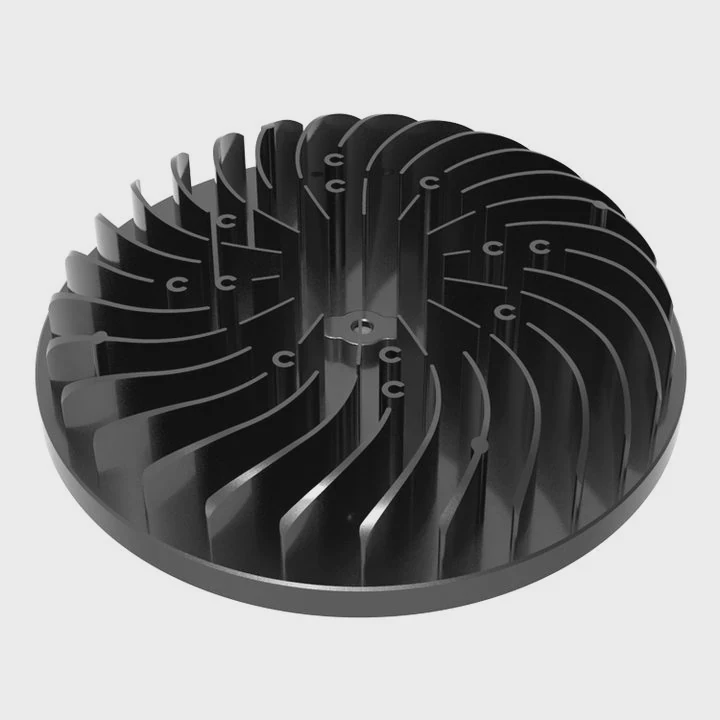
Modular cooling works when heat sources sit in predictable positions. For example, suppose an edge box has a CPU slot, a memory slot, and an optional accelerator board. These boards mount in fixed spots. A custom vapor chamber base plate can cover these spots. The same chamber can serve a device with just a CPU or one with both CPU and accelerator.
Advantages of modular vapor‑chamber cooling
- Single cooling design works across variants → saves design cost.
- Flat cooling plate simplifies mechanical integration.
- Spare parts planning becomes easier: a common cooler across models.
Design considerations for modular use
- Heat distribution mapping: Need to map where heat appears across all module variants. Chamber contact surface must cover all.
- Max thermal load: Chamber + enclosure must handle the worst‑case heat scenario (e.g. CPU + accelerator).
- Enclosure thermal path: The chassis or lid must support heat dissipation under heavier loads.
- Mounting adaptability: Screws or standoffs must allow slightly different board heights or offsets.
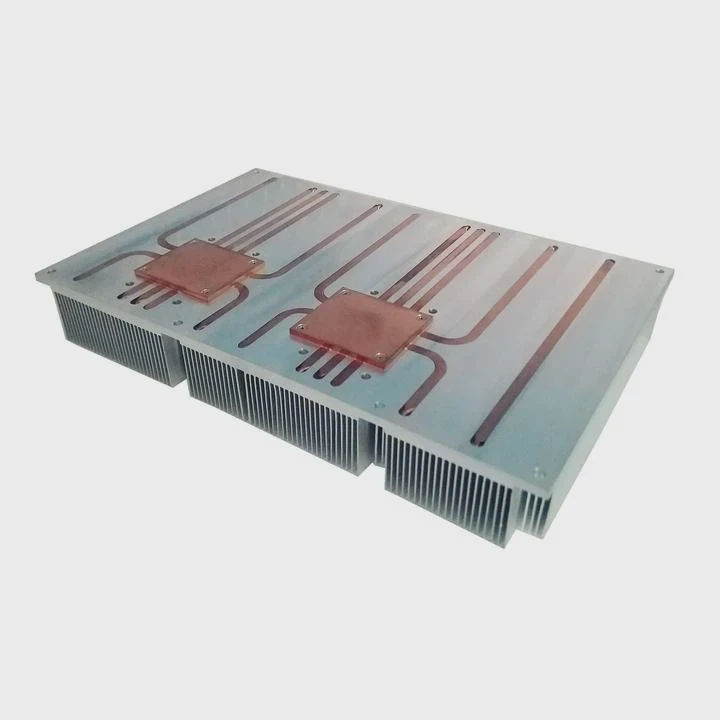
Sample modular design layout
| Variant | Chips present | Total heat (W) | Chamber contact points |
|---|---|---|---|
| Base model | CPU only | ~15 W | Center region |
| Mid model | CPU + memory module | ~20 W | Center + side region |
| High model | CPU + accelerator | ~40 W | Full plate coverage |
If the vapor chamber and enclosure are designed for the “High model”, they will cover all variants. Cooling remains adequate.
This modular method reduces manufacturing complexity. It also simplifies supply chain, since same cooling plate fits multiple SKUs. That helps for small to medium volume edge devices where cost and flexibility matter.
In practice, engineers must ensure uniform contact between chamber and chips. They should use thermal interface materials appropriately, and test with worst‑case load. If heat sources vary in position, a larger or segmented chamber may be needed.
In short, modular cooling with vapor chambers is not only possible. It is often a smart way to support multiple edge device variants with one cooling platform.
Conclusion
Vapor‑chamber cooling offers a strong option for edge computing devices facing heat, space, noise, or modular variation. When heat is concentrated and enclosure design allows heat escape, vapor chambers deliver reliable, compact, quiet cooling — often across multiple device versions.
TAGS
Latest Articles

Volume discount levels for heat sink orders?
Buyers often ask when heat sink prices start to drop with volume. Many worry they’re overpaying for small orders. This guide explains how B2B volume pricing works for thermal components. Heat sink
21 Dec,2025
Heat sink long-term supply contract options?
Many buyers want stable pricing and reliable delivery for heat sinks. But without a clear contract, risks grow over time. This article explores how to secure better long-term supply deals. Long-term
21 Dec,2025
Tooling cost for new heat sink profiles?
Many engineers struggle to understand why tooling for custom heat sinks costs so much. They worry about budgeting and production timelines. This article breaks down the cost drivers behind tooling.
21 Dec,2025
Heat sink custom sample process steps?
Sometimes, starting a custom heat sink project feels overwhelming—too many steps, too many unknowns, and too many risks. You want a sample, but not endless delays. The process for requesting and
20 Dec,2025
Standard B2B terms for heat sink payments?
When buyers and sellers in B2B heat sink markets talk about payment, many don’t fully understand what’s standard. This can lead to delayed orders, miscommunication, and even lost business
20 Dec,2025
Heat sink pricing factors for large orders?
Heat sinks are vital for many systems. When prices rise, projects stall and budgets break. This problem can hit teams hard without warning. Large order heat sink pricing depends on many factors. You
20 Dec,2025Related Articles
- Application of Vapor Chamber in servers?
- Vapor Chamber industry risk analysis?
- Can Vapor Chamber enhance renewable energy products?
- Vapor Chamber impact on energy efficiency?
- Sustainable materials for Vapor Chamber production?
- Collaboration opportunity for Vapor Chamber technology?
- Vapor Chamber design for rugged environment?
- How to scale Vapor Chamber production?
- Vapor Chamber used in military-grade devices?
- New techniques for Vapor Chamber processing?
- Vapor Chamber ducting requirements?
- Vapor Chamber heat spreading efficiency?
Author
Dr. Emily Chen
Chief AI Researcher
Leading expert in thermal dynamics and AI optimization with over 15 years of experience in data center efficiency research.
Categories
Latest Products






Recommend Categories
- Liquid cooling plate Manufacturer
- Industrial Heat Sink Manufacturer
- Standard Heat Sink Manufacturer
- Aluminum Heat Sink Manufacturer
- Copper Heat Sink Manufacturer
- Anodized Heatsink Manufacturer
- Stamping heat sink Manufacturer
- Die Casting Heatsink Manufacturer
- Soldering heat sink Manufacturer
- CNC Parts Manufacturer
Latest Products
- Wholesale Aluminum Radiator
- Water Cooling Plate Kit
- Water Cooling Heat Sink
- Water Cooling Heat Sink Kit
- Stainless Steel Water Distributor
- Server Water Cooling Plate Kit
- Server Liquid Cooling System
- Server Aluminum Cooling Kit
- S19 Full Cover Cooling Plate
- S19 Cooling Plate Kit
- S19 Aluminum Cooling Plate
Contact Expert
Have questions about this article? Reach out to our experts directly.