Vapor Chamber ducting requirements?
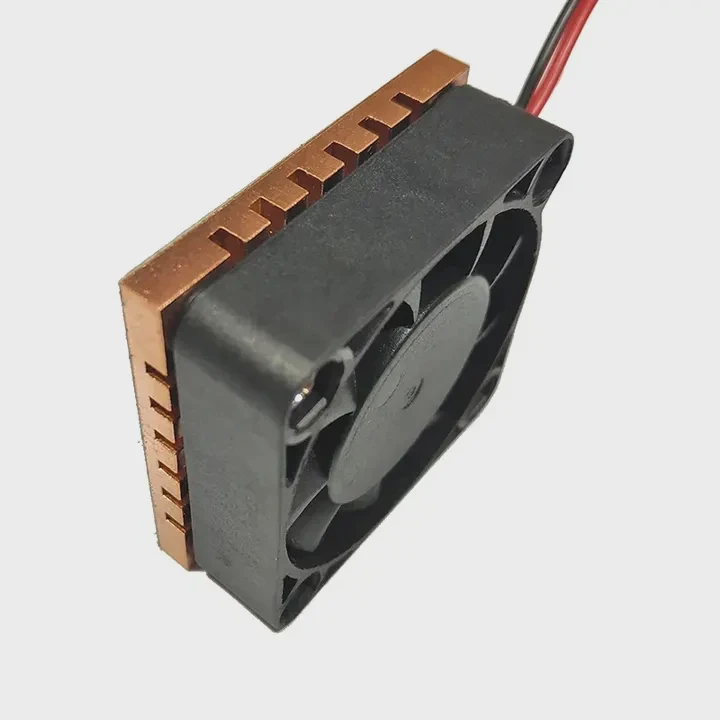
When Vapor Chambers lack proper ducting, performance drops. Heat builds up in wrong places, causing throttling or even system shutdown.
Vapor Chambers need guided airflow to perform well. Ducts help spread cool air and remove hot air, keeping thermal balance stable.
Airflow is often misunderstood. Vapor Chambers spread heat fast, but that heat still needs somewhere to go. That’s where ducting becomes critical.
What ducting is needed with Vapor Chamber systems?
Poor airflow ruins cooling. Even the best Vapor Chamber fails if heat stays trapped.
Vapor Chamber systems need airflow ducts or shrouds to guide air across their surface. Without ducts, heat stays in place, hurting performance.
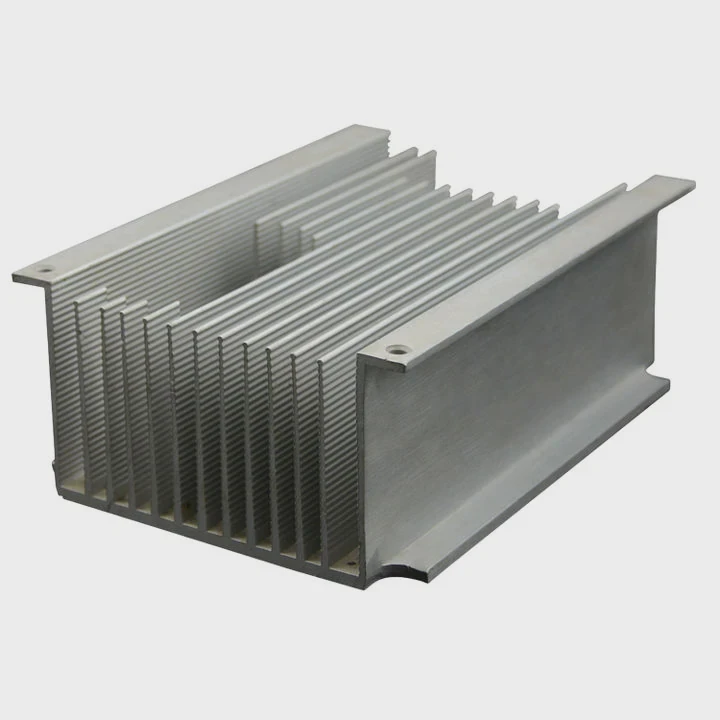
In closed systems, natural airflow is weak. Fans may blow air, but it rarely flows smoothly across the Vapor Chamber unless a duct is in place. Air often escapes or swirls randomly. That causes hot spots and limits the chamber’s cooling ability.
Types of duct setups
| Duct Style | Use Case | Air Path Example |
|---|---|---|
| Top-mounted shroud | Open system boards | Air enters side, flows across chamber |
| Tunnel duct | Enclosed systems or rack units | Air enters front, exits rear |
| Split duct with baffles | Multi-component zones | Air divided, targeted to each surface |
Each setup guides air. Without guidance, air takes the path of least resistance — often not the Vapor Chamber. That leads to undercooling. A duct forces air to pass across the chamber, making sure it does its job.
The shroud also prevents hot air from circulating back. It separates intake and exhaust zones. Air enters one side cool, passes over the chamber, and exits warm. That cycle keeps heat moving out.
The key is match. A duct must align with the Vapor Chamber’s shape and airflow needs. Too narrow and it restricts flow. Too wide and air spreads too thin. A precise fit helps thermal performance and system stability.
Are custom ducts used for heat redirection?
Every system is different. Off-the-shelf ducts often fall short in tricky layouts.
Yes. Custom ducts redirect airflow from the Vapor Chamber to the right exhaust path. They solve heat buildup in crowded or non-standard layouts.
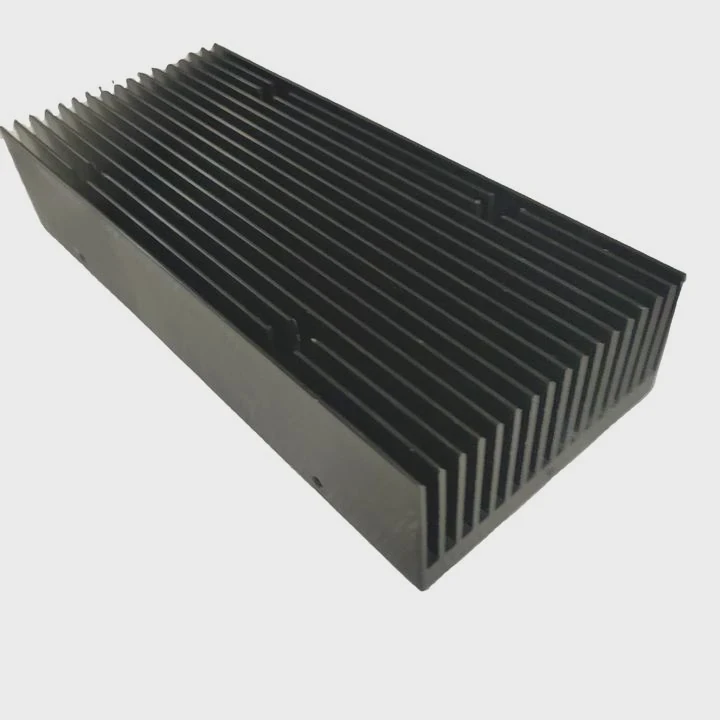
Custom ducts matter most in tight systems. Off-the-shelf parts usually don’t fit well. Wires, PCBs, and housing shapes get in the way. Custom ducts fix that. They reroute airflow around obstacles, guiding it cleanly through the heat zone.
Custom designs start with mapping heat sources and airflow paths. 3D CAD tools help shape ducts that fit perfectly between parts. This allows airflow to touch every needed surface.
Benefits of Custom Ducts
| Feature | Benefit |
|---|---|
| Precise geometry | Matches exact system layout |
| Directed flow | Focuses cooling where needed most |
| Air sealing | Stops leaks and short airflow paths |
| Integration options | Allows sensor mounts, filters, or vents |
Sometimes ducts also split airflow between components. This helps if two Vapor Chambers or hot zones sit near each other. A shared fan can serve both, but only if ducts divide the air cleanly.
In rugged systems, custom ducts often use more durable materials like ABS or aluminum. Some include adjustable louvers or thermal insulation. These extras give better control under varied operating loads.
Yes, custom ducts cost more upfront. But they give longer system life, better temperature margins, and fewer thermal problems.
Can Vapor Chambers connect to external airflow?
Not all heat stays inside. Often the best cooling path goes out of the enclosure.
Yes. Vapor Chambers can connect to external airflow. Ducts route hot air outside, or bring cool air in, enhancing heat removal.
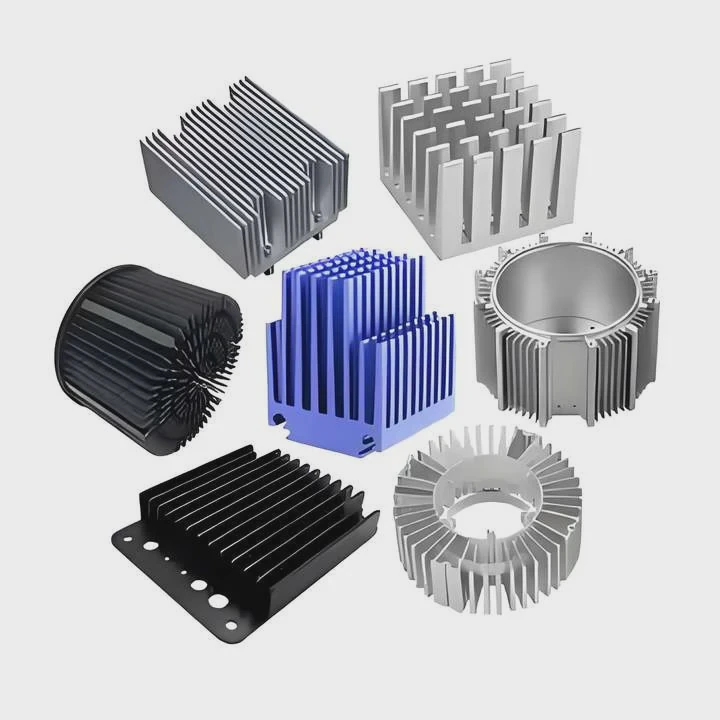
This setup is common in high‑density or sealed devices. Bringing in fresh air lowers intake temperature. Pushing hot air out stops recirculation. Both help keep the chamber surface effective.
An external airflow setup may include:
- Ducts to outside fans or vents
- Intake air from side or bottom vents
- Exhaust ducting to external radiator or mesh
These ducts need sealing. If gaps exist, air leaks. That lowers pressure and cooling power. Also, the length and curve of the duct matter. Airflow weakens over distance or tight bends.
Example External Setup
| Component | Role in System |
|---|---|
| Vapor Chamber | Heat spreader, near heat source |
| Intake Duct | Pulls cool air from outside |
| Exhaust Duct | Pushes hot air to external vent/fan |
| Filters or mesh | Keeps dust out of system |
Connecting to external airflow needs planning. Case openings, dust protection, and fan placement all matter. But once set up, it helps both the Vapor Chamber and the rest of the system. Cooler intake air boosts chamber performance. Hot air exit avoids internal warming.
For systems in outdoor or variable environments, this method keeps internal temps stable. It also reduces fan noise, since airflow becomes more efficient.
Do duct materials affect system efficiency?
Even the best design fails with the wrong material. Smooth flow, proper sealing, and temperature limits all depend on duct material.
Yes. Duct material changes airflow quality, sealing, durability, and temperature resistance. Right choice boosts overall system cooling.
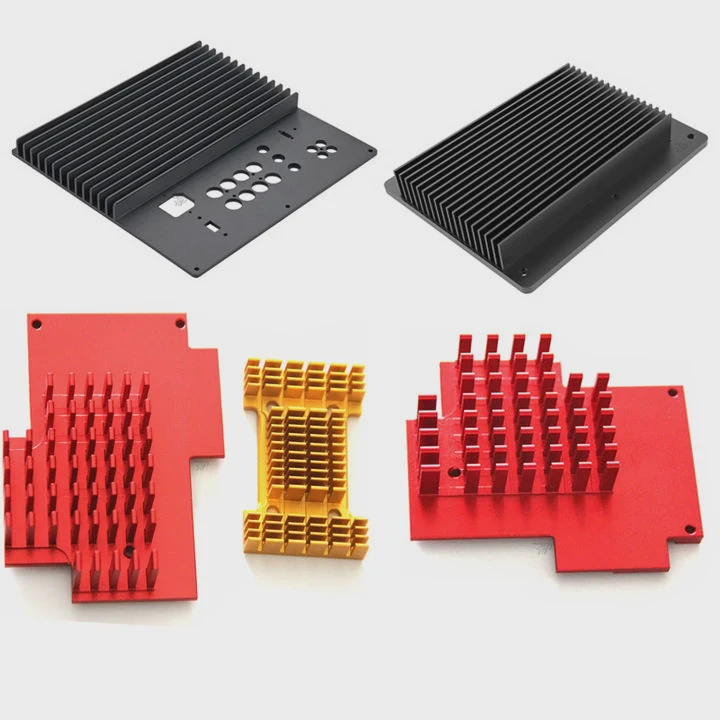
Material must match system use. A plastic duct may work in desktops but fail in industrial gear. Metal ducts carry heat. Foam may leak air. Picking the wrong one lowers performance or shortens life.
Duct Material Comparison
| Material | Pros | Cons |
|---|---|---|
| ABS Plastic | Cheap, light, easy to mold | May soften under heat, poor at sealing |
| Aluminum | Durable, heat-resistant | Conducts heat, heavier, higher cost |
| Foam-sealed Duct | Great air sealing, vibration control | Can block airflow if too soft, degrades fast |
| Corrugated Tube | Flexible install, good for tight spaces | Turbulent airflow, low efficiency |
Smooth materials reduce turbulence. That means air flows better, removing more heat. Rough or uneven inner surfaces slow airflow. That hurts cooling.
Thermal resistance also matters. If the duct gets hot, some materials may melt or warp. Metal resists this but may spread heat where not wanted.
The best ducts seal well at joints. Gaskets or rubber edges help here. Poor sealing leaks air. That leads to hot zones and lower chamber performance.
In exposed systems, UV or weather resistance can matter too. Outdoor gear or industrial units need ducts that don’t degrade over time.
In sum: airflow is only as good as its path. That path depends on the duct, and the duct depends on its material. Pick right to get cooling that lasts.
Conclusion
Good ducting unlocks the true power of Vapor Chambers. Right shape, airflow path, and material make the difference between stable cooling and system failure. Don’t skip the duct — it’s just as critical as the chamber itself.
TAGS
Latest Articles

Volume discount levels for heat sink orders?
Buyers often ask when heat sink prices start to drop with volume. Many worry they’re overpaying for small orders. This guide explains how B2B volume pricing works for thermal components. Heat sink
21 Dec,2025
Heat sink long-term supply contract options?
Many buyers want stable pricing and reliable delivery for heat sinks. But without a clear contract, risks grow over time. This article explores how to secure better long-term supply deals. Long-term
21 Dec,2025
Tooling cost for new heat sink profiles?
Many engineers struggle to understand why tooling for custom heat sinks costs so much. They worry about budgeting and production timelines. This article breaks down the cost drivers behind tooling.
21 Dec,2025
Heat sink custom sample process steps?
Sometimes, starting a custom heat sink project feels overwhelming—too many steps, too many unknowns, and too many risks. You want a sample, but not endless delays. The process for requesting and
20 Dec,2025
Standard B2B terms for heat sink payments?
When buyers and sellers in B2B heat sink markets talk about payment, many don’t fully understand what’s standard. This can lead to delayed orders, miscommunication, and even lost business
20 Dec,2025
Heat sink pricing factors for large orders?
Heat sinks are vital for many systems. When prices rise, projects stall and budgets break. This problem can hit teams hard without warning. Large order heat sink pricing depends on many factors. You
20 Dec,2025Related Articles
- New techniques for Vapor Chamber processing?
- Vapor Chamber used in military-grade devices?
- How to scale Vapor Chamber production?
- Vapor Chamber design for rugged environment?
- Vapor Chamber cooling for edge computing?
- Application of Vapor Chamber in servers?
- Vapor Chamber heat spreading efficiency?
- How to assemble Vapor Chamber prototypes?
- How thin can Vapor Chamber be?
- Vapor Chamber support for AI chips?
- Vapor Chamber impact on GPU performance?
- Best joining method for Vapor Chamber?
Author
Dr. Emily Chen
Chief AI Researcher
Leading expert in thermal dynamics and AI optimization with over 15 years of experience in data center efficiency research.
Categories
Latest Products






Recommend Categories
- Liquid cooling plate Manufacturer
- Industrial Heat Sink Manufacturer
- Standard Heat Sink Manufacturer
- Aluminum Heat Sink Manufacturer
- Copper Heat Sink Manufacturer
- Anodized Heatsink Manufacturer
- Stamping heat sink Manufacturer
- Die Casting Heatsink Manufacturer
- Soldering heat sink Manufacturer
- CNC Parts Manufacturer
Latest Products
- Wholesale Aluminum Radiator
- Water Cooling Plate Kit
- Water Cooling Heat Sink
- Water Cooling Heat Sink Kit
- Stainless Steel Water Distributor
- Server Water Cooling Plate Kit
- Server Liquid Cooling System
- Server Aluminum Cooling Kit
- S19 Full Cover Cooling Plate
- S19 Cooling Plate Kit
- S19 Aluminum Cooling Plate
Contact Expert
Have questions about this article? Reach out to our experts directly.