Best alloy for Vapor Chamber enclosure?
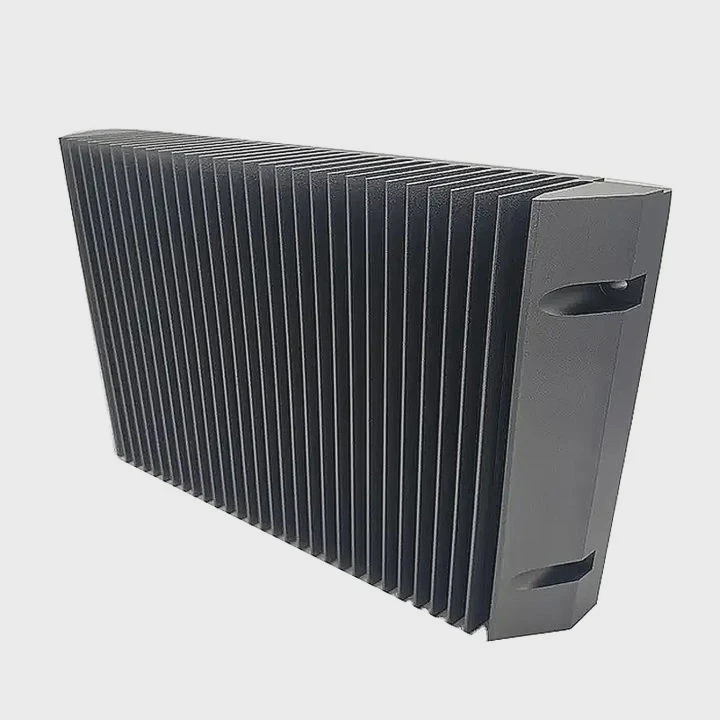
Choosing the wrong alloy for a vapor chamber can lead to poor thermal conductivity or corrosion failure — both costly mistakes.
The best alloy balances thermal conductivity, corrosion resistance, weight, and manufacturability — copper and aluminium alloys are the most commonly used.
Here’s how to decide which alloy suits your vapor chamber enclosure best.
Which alloys are best for Vapor Chamber casing?
Many engineers worry whether their alloy choice will limit performance or lead to reliability issues. That concern is valid, especially in mission-critical applications.
Copper and aluminium alloys are widely used for vapor chamber casings. Copper offers better conductivity; aluminium offers lighter weight and lower cost.
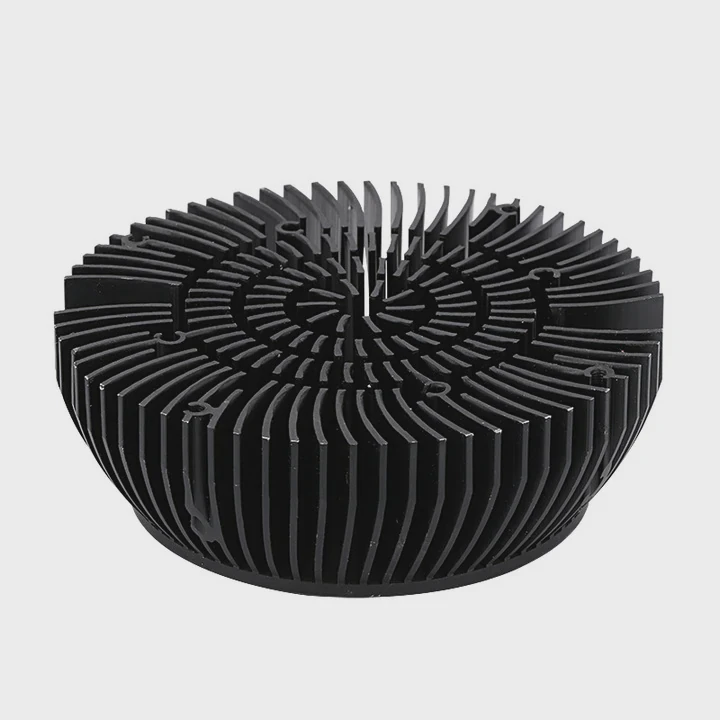
A vapor chamber casing needs to do three things well: transfer heat efficiently, protect the internal structure, and maintain vacuum integrity. To do that, the material must conduct heat fast, survive thermal and mechanical stress, and allow for reliable sealing.
Common alloys used
| Alloy Type | Conductivity (W/m·K) | Density (g/cm³) | Notes |
|---|---|---|---|
| Pure Copper (C110) | ~390–400 | 8.9 | Best for thermal performance, higher cost |
| Cu-Ni Alloy | ~50–150 | ~8.9 | Corrosion resistant, lower conductivity |
| Aluminium 6061 | ~150–170 | 2.7 | Lightweight, cost-effective |
| Aluminium 1050 | ~220–235 | 2.7 | High conductivity aluminium |
Factors to consider
- Thermal Performance: Copper clearly leads, especially in high-power applications.
- Weight: Aluminium is almost 1⁄3 the density of copper.
- Corrosion Resistance: Copper alloys like Cu-Ni resist corrosion better than pure copper in harsh environments.
- Cost: Aluminium is more economical for high-volume, mid-performance products.
- Manufacturability: Both copper and aluminium can be formed and welded, but joint design matters.
In demanding applications like aerospace or data centers, copper or its high-conductivity alloys are often preferred. For consumer electronics or less critical systems, aluminium is usually the practical choice.
Do copper alloys offer performance advantages?
Some engineers assume all copper alloys are the same — but their properties vary a lot. Knowing when to choose them can help optimize performance.
Yes — copper alloys offer high thermal conductivity, better corrosion resistance than pure copper, and good mechanical strength.
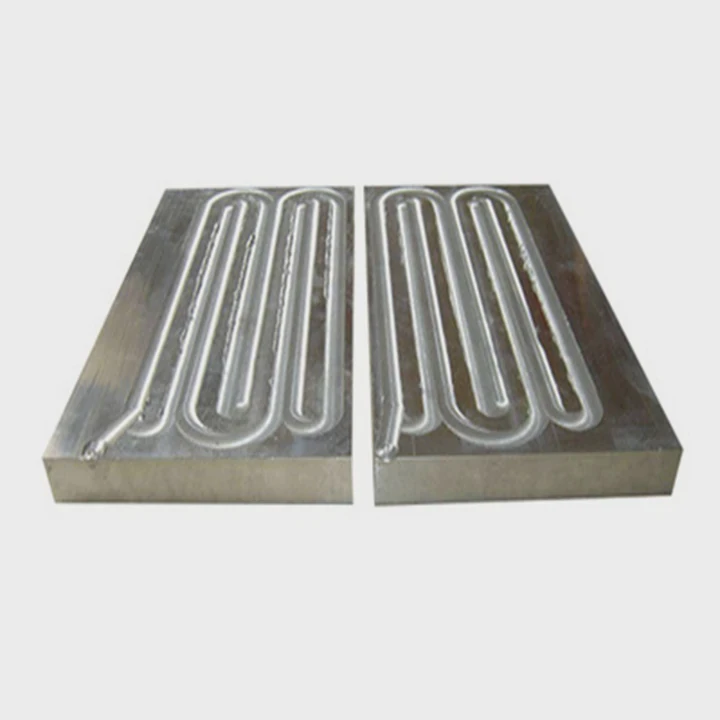
Copper is the gold standard for heat conduction. But pure copper can be soft or vulnerable in certain environments. That’s where copper alloys come in — they retain much of copper’s thermal benefits but improve strength, reliability, and corrosion behavior.
Key advantages
- High Conductivity: Many copper alloys maintain >60% of copper’s thermal performance.
- Stronger Structure: Alloys like copper-nickel and copper-beryllium add strength for structural casings.
- Weldability: Some alloys make sealing easier with laser or resistance welding.
- Corrosion Resistance: Cu-Ni alloys form stable oxide layers, even in marine or high-humidity settings.
When they are better than pure copper
| Application Type | Preferred Material | Reason |
|---|---|---|
| Aerospace module | High-conductivity copper | Best thermal transfer, strong structure |
| Outdoor or marine | Copper-nickel alloy | Superior corrosion resistance |
| Compact electronics | Aluminium or Cu-alloy | Weight and cost constraints |
| Vacuum-sealed devices | Weldable Cu alloy | Easier process control |
Using a copper alloy gives flexibility in balancing performance with fabrication needs. When vacuum retention, mechanical stress, and corrosion are concerns, alloys often outperform pure copper.
How does material choice affect corrosion resistance?
Corrosion is easy to ignore — until it causes leaks, failures, or thermal performance loss.
Material choice directly impacts corrosion resistance. Copper alloys generally resist corrosion better than aluminium, especially in harsh or moist environments.
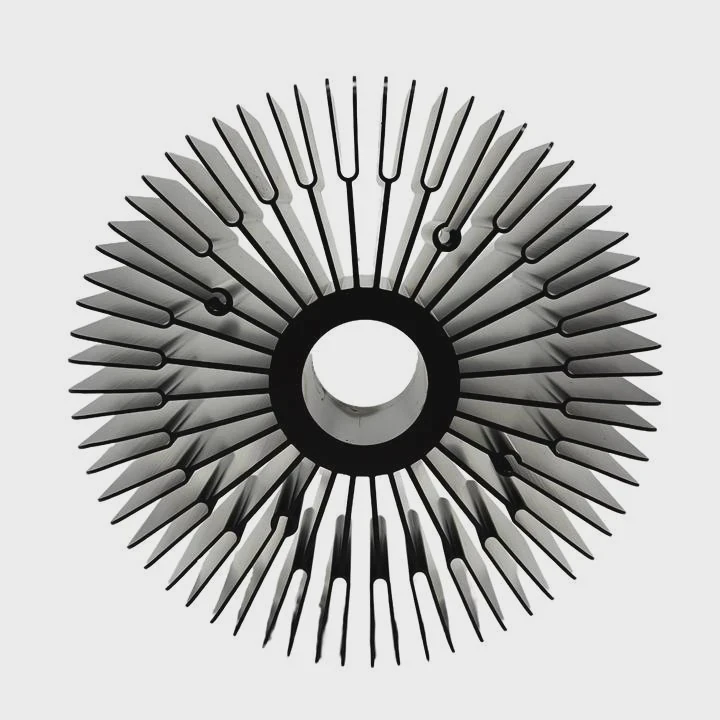
A vapor chamber is a sealed system. Once corrosion starts, it can degrade the surface layer, weaken joints, or even damage the vacuum seal. So the alloy must survive its working environment.
Corrosion profile of common materials
| Material Type | Corrosion Behavior | Notes |
|---|---|---|
| Pure Copper | Forms oxide, but can corrode in moist air | Needs coating or alloying in harsh settings |
| Cu-Ni Alloy | Excellent in salt air or humidity | Ideal for transport and marine environments |
| Aluminium (6061, 1050) | Forms oxide layer, but vulnerable to pitting | Better with anodizing or coating |
Factors that influence corrosion
- Humidity: Moisture accelerates corrosion in copper and aluminium.
- Salt: Chlorides, common in outdoor and marine environments, attack metal surfaces.
- Galvanic Contact: Joining dissimilar metals can create electrochemical corrosion.
- Vacuum Failures: Corrosion near seams or welds can leak air into the chamber.
How to prevent it
- Use corrosion-resistant alloys in exposed applications.
- Avoid dissimilar metal contact without isolation.
- Apply protective coatings if cost and design allow.
- Seal and inspect weld seams properly.
For most indoor or controlled environments, aluminium or copper may work fine. But in transit systems, military hardware, or humid industrial zones, copper-nickel or coated copper gives peace of mind.
Are there cost-effective alternatives to pure copper?
Copper performs well — but it comes at a price. Budget-conscious designs need other options.
Yes — aluminium alloys and copper-based blends offer good thermal performance at lower cost, especially in high-volume production.
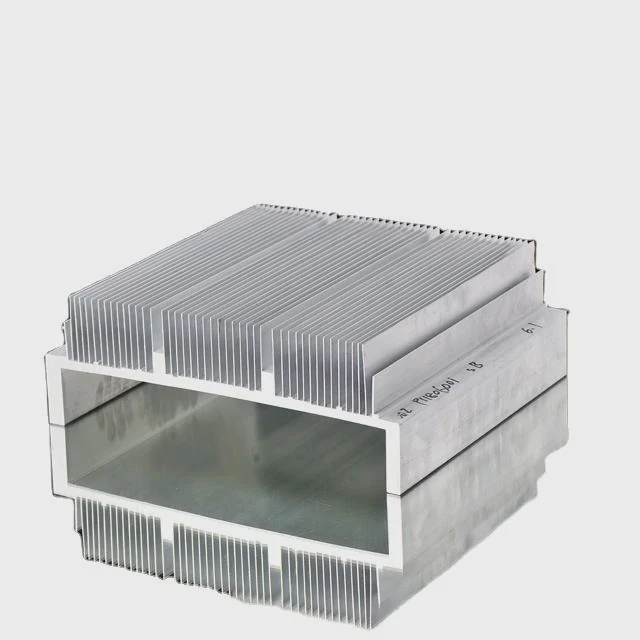
Copper is nearly three times the price of aluminium. It’s also heavier, which increases shipping costs and mechanical load. For many applications, alternatives offer a good balance of performance and economy.
Alternatives that work
- Aluminium 6061: Easy to machine, weld, and anodize. Good for structural parts.
- Aluminium 1050: Higher conductivity than 6061, better for thermal paths.
- Copper-nickel: Keeps many benefits of copper, adds corrosion resistance.
- Copper-clad aluminium: Combines copper’s surface benefits with aluminium’s core.
Cost-performance comparison
| Material | Conductivity (W/m·K) | Relative Cost | Weight Factor | Best Use Case |
|---|---|---|---|---|
| Pure Copper | ~390–400 | $$$ | Heavy | High-end thermal modules |
| Copper-nickel alloy | ~50–150 | $$ | Heavy | Humid or corrosive environments |
| Aluminium 6061 | ~150–170 | $ | Light | General-purpose vapor chambers |
| Aluminium 1050 | ~220–235 | $ | Light | Lightweight thermal enclosures |
These options give flexibility. For example, in consumer devices or telecom systems, aluminium is often the material of choice due to its value. In contrast, for aerospace or medical systems, investing in copper or its alloys pays off in reliability.
Hybrid approach
Some designers use aluminium enclosures with copper inserts or base plates. This maintains conductivity in critical zones while cutting weight and cost elsewhere.
Hybrid assemblies work well — but they require tight process control to avoid thermal or corrosion problems at material interfaces.
Conclusion
The best alloy for a vapor chamber enclosure depends on your priorities: thermal performance, weight, corrosion resistance, and cost. Copper and its alloys offer top conductivity and reliability, ideal for high-performance or harsh environments. Aluminium provides a lighter, cheaper alternative for less demanding applications. Hybrid solutions can also help balance budget and performance. The right choice matches your product’s environment, expected lifespan, and thermal load — and it starts with material selection.
TAGS
Latest Articles

Volume discount levels for heat sink orders?
Buyers often ask when heat sink prices start to drop with volume. Many worry they’re overpaying for small orders. This guide explains how B2B volume pricing works for thermal components. Heat sink
21 Dec,2025
Heat sink long-term supply contract options?
Many buyers want stable pricing and reliable delivery for heat sinks. But without a clear contract, risks grow over time. This article explores how to secure better long-term supply deals. Long-term
21 Dec,2025
Tooling cost for new heat sink profiles?
Many engineers struggle to understand why tooling for custom heat sinks costs so much. They worry about budgeting and production timelines. This article breaks down the cost drivers behind tooling.
21 Dec,2025
Heat sink custom sample process steps?
Sometimes, starting a custom heat sink project feels overwhelming—too many steps, too many unknowns, and too many risks. You want a sample, but not endless delays. The process for requesting and
20 Dec,2025
Standard B2B terms for heat sink payments?
When buyers and sellers in B2B heat sink markets talk about payment, many don’t fully understand what’s standard. This can lead to delayed orders, miscommunication, and even lost business
20 Dec,2025
Heat sink pricing factors for large orders?
Heat sinks are vital for many systems. When prices rise, projects stall and budgets break. This problem can hit teams hard without warning. Large order heat sink pricing depends on many factors. You
20 Dec,2025Related Articles
- Vapor Chamber heat dispersion test results?
- Does Vapor Chamber need leak detection?
- Required tooling for Vapor Chamber manufacturing?
- How to estimate Vapor Chamber delivery time?
- Vapor Chamber machining cost breakdown?
- Noise impact of Vapor Chamber operation?
- Standard inspection report for Vapor Chamber?
- Typical power rating for Vapor Chamber?
- Vapor Chamber process flow chart?
- Does Vapor Chamber require vacuum forming?
- Vapor Chamber compatibility with graphite sheet?
- Can Vapor Chamber withstand shock testing?
Author
Dr. Emily Chen
Chief AI Researcher
Leading expert in thermal dynamics and AI optimization with over 15 years of experience in data center efficiency research.
Categories
Latest Products






Recommend Categories
- Liquid cooling plate Manufacturer
- Industrial Heat Sink Manufacturer
- Standard Heat Sink Manufacturer
- Aluminum Heat Sink Manufacturer
- Copper Heat Sink Manufacturer
- Anodized Heatsink Manufacturer
- Stamping heat sink Manufacturer
- Die Casting Heatsink Manufacturer
- Soldering heat sink Manufacturer
- CNC Parts Manufacturer
Latest Products
- Wholesale Aluminum Radiator
- Water Cooling Plate Kit
- Water Cooling Heat Sink
- Water Cooling Heat Sink Kit
- Stainless Steel Water Distributor
- Server Water Cooling Plate Kit
- Server Liquid Cooling System
- Server Aluminum Cooling Kit
- S19 Full Cover Cooling Plate
- S19 Cooling Plate Kit
- S19 Aluminum Cooling Plate
Contact Expert
Have questions about this article? Reach out to our experts directly.