Does Vapor Chamber require vacuum forming?
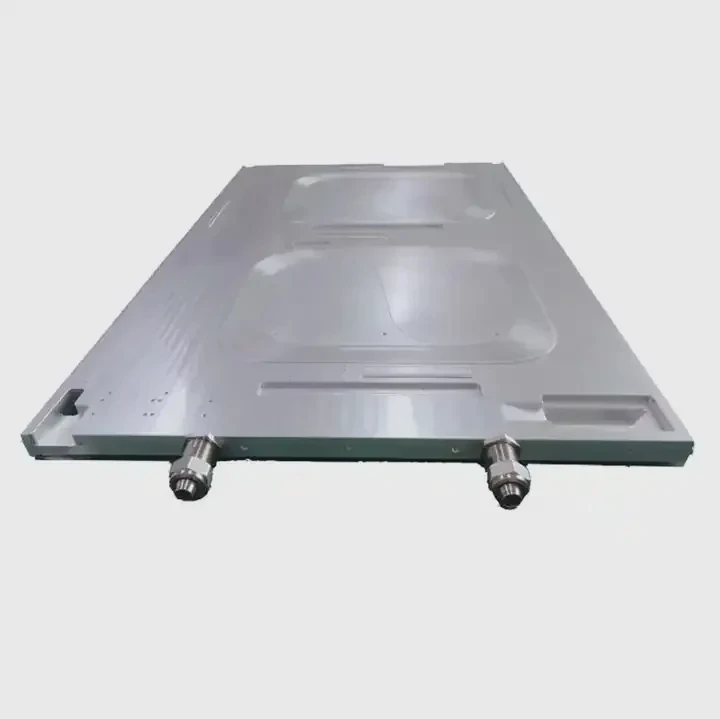
Facing uncertainty about how a vapor chamber is sealed and whether vacuum forming is required in its manufacture? This confusion is common.
A vapor chamber is definitely vacuum‑sealed as part of its manufacturing, but it does not use a plastic vacuum‑forming process; rather, the metal envelope is evacuated to create the internal vacuum for the working fluid.
In the rest of this article I’ll clarify four key questions so you can understand what “vacuum” means in this context and why it matters in production and performance of vapor chambers.
Is vacuum forming part of the Vapor Chamber process?
Thinking about vacuum forming like you do for plastic parts? That’s not the case here.
No — the vacuum forming process used in plastic thermoforming is not part of vapor chamber manufacturing; the relevant “vacuum” in a vapor chamber is the evacuation of the internal cavity of the metal shell, not shaping plastic sheets.
Understanding the difference
Vacuum forming generally refers to heating a plastic sheet and pulling it over a mold by suction until it conforms. That is used for packaging, housings and other plastic parts. It has little to do with vapor chamber manufacture.
By contrast, a vapor chamber is a sealed metal enclosure containing a working fluid and an internal wick structure. After fabrication (plates are bonded, wick installed, fill port inserted), the chamber is evacuated (air removed) to create a low‑pressure internal environment and then filled with a working fluid before final sealing.
Why vacuum forming is irrelevant
Because vapor chambers require metal containment and precision internal structures, you cannot simply thermoform a plastic sheet. The vacuum step is about creating the appropriate internal pressure environment for the fluid/vapor cycle, not about forming shapes.
Key take‑away
If you ask your vendor “do you vacuum‐form the chamber?”, the answer is “no for forming, yes for evacuation”. You may instead ask: “Do you evacuate the chamber to a low absolute pressure before fill?” That is correct and required.
In short: vacuum forming (in the plastic sense) is not used. The relevant vacuum process is internal evacuation of the metal shell.
How is vacuum applied during Vapor Chamber sealing?
Now that we understand the vacuum is internal, how is it achieved in a vapor chamber manufacturing process?
The vacuum is applied by evacuating the cavity through the fill or evacuation port after welding/bonding the metal plates, then a working fluid is injected, and finally the port is sealed while maintaining low internal pressure.
Manufacturing steps involving vacuum
Construct the two metal plates or shells with internal wick and support structures.
Diffusion bond or weld the plates together, leaving a small fill port.
Connect the chamber to a vacuum pump through the port and evacuate air and non‑condensable gases from the cavity.
Introduce a precise amount of working fluid (often water for electronics cooling) into the evacuated cavity.
After fill, continue evacuation or apply back‑pressure to achieve the proper charge ratio and pressure condition.
Seal the fill/evacuation port (often by laser welding or brazing) while maintaining the internal vacuum/charge state.
Why this matters
The vacuum (low internal pressure) reduces boiling point of the working fluid and allows efficient vaporization and condensation inside the chamber. Without proper evacuation, residual gases degrade performance.
Production control
During the vacuum step the manufacturer often monitors pressure (for example in torr or Pa), ensures no contamination, and verifies that final sealed unit holds the vacuum through leak testing.
Practical note
When you ask for manufacturing details, you can request the evacuation level (e.g., ≤ 0.1 Torr) and the fill charge ratio. These give you insight into process quality.
So: vacuum is applied as part of the sealing process, not for forming the shape.
Does vacuum level affect performance efficiency?
Yes — the internal vacuum level inside a vapor chamber directly influences how well the device performs thermally.
Yes — a proper vacuum level ensures the working fluid vaporizes and condenses correctly, maximising heat transfer; if the vacuum is poor (i.e., too much residual gas), performance can drop significantly.
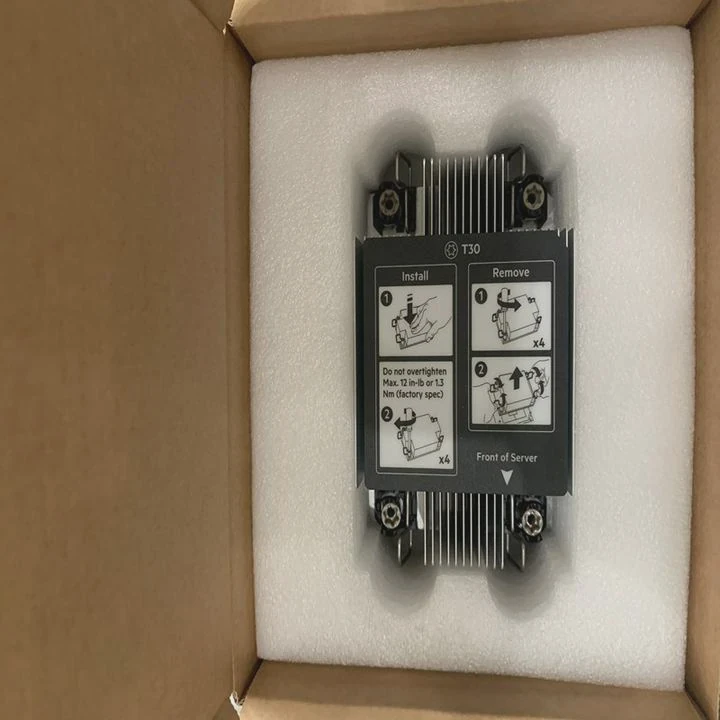
Role of vacuum in performance
A low internal pressure means the working fluid has space to evaporate and the vapor can flow to the condenser region.
If the internal pressure is too high (due to residual air or gases), those gases act as thermal resistors, blocking vapor flow and increasing thermal resistance.
Also, non‑condensable gases accumulate in cooler zones of the chamber, reducing effective vapor area and limiting performance.
Effects of imperfect vacuum
If a unit has residual gas:
Thermal resistance increases.
Hot‑spot temperatures may rise.
Capillary return may be less effective.
Reliability may degrade faster due to uneven vapor flow or condensation spots.
How vacuum level is specified and controlled
Manufacturers often aim for a certain evacuation level (e.g., < 1 × 10⁻² Torr or an equivalent in mbar) before charge. They also test units after sealing for “rate‑of‑rise” or leak tightness. Poor vacuum correlates with lower Qmax (maximum heat transfer) or reduced performance.
What you should ask
What evacuation level is achieved before fill?
What is the final pressure after seal?
What is the allowed rate‑of‑rise of pressure over time (leak rate)?
How does performance degrade with residual gas?
In short: yes, vacuum level is critical. Ensuring that your specification demands an adequate vacuum process improves thermal efficiency and reliability.Are chambers tested for vacuum pressure retention?
Manufacturing a vacuum and sealing the chamber is not enough — verifying the seal and retention of vacuum over time is required for reliability.
Yes — vapor chambers are tested for vacuum retention (leak testing or rate‑of‑rise testing) as part of QA to ensure long‑term hermetic integrity and maintain thermal performance.
Typical retention tests
Leak test: The sealed chamber is pressurised or vacuumed and a helium or tracer gas leak detector checks for leaks at the welds or shell.
Rate‑of‑rise test: After evacuation, the valve is closed and pressure is monitored over time; a slow increase indicates small leaks or outgassing.
Performance check: Thermal performance is measured initially and after some hours or thermal cycling; increase in thermal resistance can indicate vacuum degradation.
Why retention matters
If vacuum degrades (gas ingress or fluid loss), chamber performance and lifespan suffer. Modules using vapor chambers depend on stable thermal conductivity for thousands of hours of use.
QA requirements you should set
Inspection of every unit or sample units for leak tightness.
Documentation of leak rate (e.g., x Pa·m³/s or y mbar·L/s).
Long‑term stability test (e.g., thermal cycling plus vacuum retention).
If shipping or mounting may induce stress, test post‐assembly vacuum retention.
Practical advice
When you source vapor chambers, include in your specification: “Unit shall hold vacuum with < X mbar increase over Y hours at Z °C” or similar. Request data from supplier on leakage performance and lifetime vacuum retention.
In summary: yes, testing for vacuum retention is a key manufacturing step and you should ask for proof.Conclusion
The vacuum aspect of vapor chambers is not about forming plastic as in “vacuum forming”, but about creating and retaining a low‑pressure internal environment for the working fluid. You should ensure your vapor chamber is evacuated and sealed properly, that vacuum level meets specification for performance, and that units are verified for long‑term vacuum retention. This ensures the chamber delivers expected thermal performance and reliability for your module.
TAGS
Latest Articles

Volume discount levels for heat sink orders?
Buyers often ask when heat sink prices start to drop with volume. Many worry they’re overpaying for small orders. This guide explains how B2B volume pricing works for thermal components. Heat sink
21 Dec,2025
Heat sink long-term supply contract options?
Many buyers want stable pricing and reliable delivery for heat sinks. But without a clear contract, risks grow over time. This article explores how to secure better long-term supply deals. Long-term
21 Dec,2025
Tooling cost for new heat sink profiles?
Many engineers struggle to understand why tooling for custom heat sinks costs so much. They worry about budgeting and production timelines. This article breaks down the cost drivers behind tooling.
21 Dec,2025
Heat sink custom sample process steps?
Sometimes, starting a custom heat sink project feels overwhelming—too many steps, too many unknowns, and too many risks. You want a sample, but not endless delays. The process for requesting and
20 Dec,2025
Standard B2B terms for heat sink payments?
When buyers and sellers in B2B heat sink markets talk about payment, many don’t fully understand what’s standard. This can lead to delayed orders, miscommunication, and even lost business
20 Dec,2025
Heat sink pricing factors for large orders?
Heat sinks are vital for many systems. When prices rise, projects stall and budgets break. This problem can hit teams hard without warning. Large order heat sink pricing depends on many factors. You
20 Dec,2025Related Articles
- Vapor Chamber process flow chart?
- Typical power rating for Vapor Chamber?
- Standard inspection report for Vapor Chamber?
- Best alloy for Vapor Chamber enclosure?
- Vapor Chamber heat dispersion test results?
- Does Vapor Chamber need leak detection?
- Vapor Chamber compatibility with graphite sheet?
- Can Vapor Chamber withstand shock testing?
- Vapor Chamber for inverter heat management?
- Vapor Chamber tolerance for thickness variation?
- Vapor Chamber unit weight calculation method?
- Vapor Chamber optimization for CPU cooling?
Author
Dr. Emily Chen
Chief AI Researcher
Leading expert in thermal dynamics and AI optimization with over 15 years of experience in data center efficiency research.
Categories
Latest Products






Recommend Categories
- Liquid cooling plate Manufacturer
- Industrial Heat Sink Manufacturer
- Standard Heat Sink Manufacturer
- Aluminum Heat Sink Manufacturer
- Copper Heat Sink Manufacturer
- Anodized Heatsink Manufacturer
- Stamping heat sink Manufacturer
- Die Casting Heatsink Manufacturer
- Soldering heat sink Manufacturer
- CNC Parts Manufacturer
Latest Products
- Wholesale Aluminum Radiator
- Water Cooling Plate Kit
- Water Cooling Heat Sink
- Water Cooling Heat Sink Kit
- Stainless Steel Water Distributor
- Server Water Cooling Plate Kit
- Server Liquid Cooling System
- Server Aluminum Cooling Kit
- S19 Full Cover Cooling Plate
- S19 Cooling Plate Kit
- S19 Aluminum Cooling Plate
Contact Expert
Have questions about this article? Reach out to our experts directly.