Noise impact of Vapor Chamber operation?
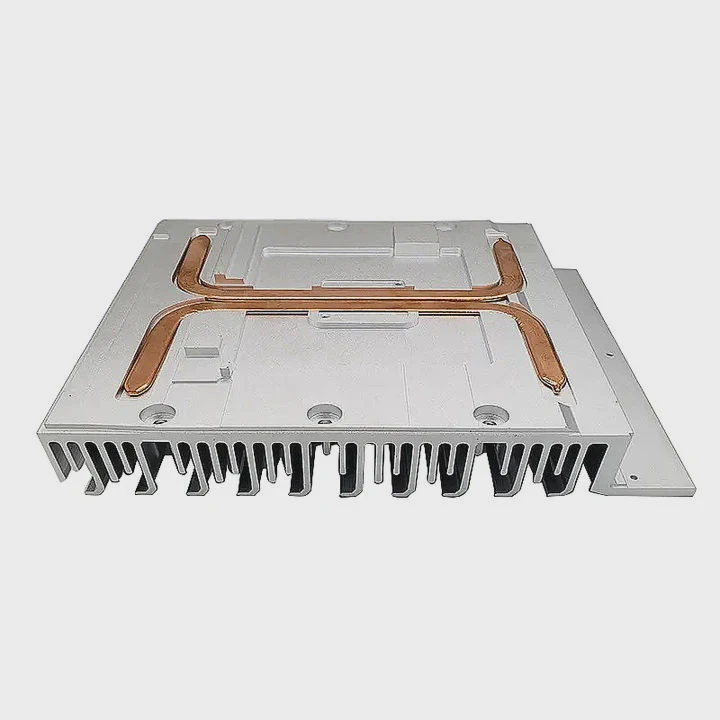
Silent thermal solutions are essential in noise-sensitive systems like servers, medical devices, and premium consumer electronics.
Vapor chambers are passive, sealed devices that produce virtually no noise in standard operation, making them ideal for silent cooling applications.
However, under certain conditions, minor acoustic effects can occur. Let’s explore what causes them and how to avoid unwanted noise.
Does a Vapor Chamber produce any operating noise?
In most thermal applications, fans or pumps are the noise sources—not vapor chambers.
No, vapor chambers do not produce noise under normal conditions because they have no moving parts and are hermetically sealed.
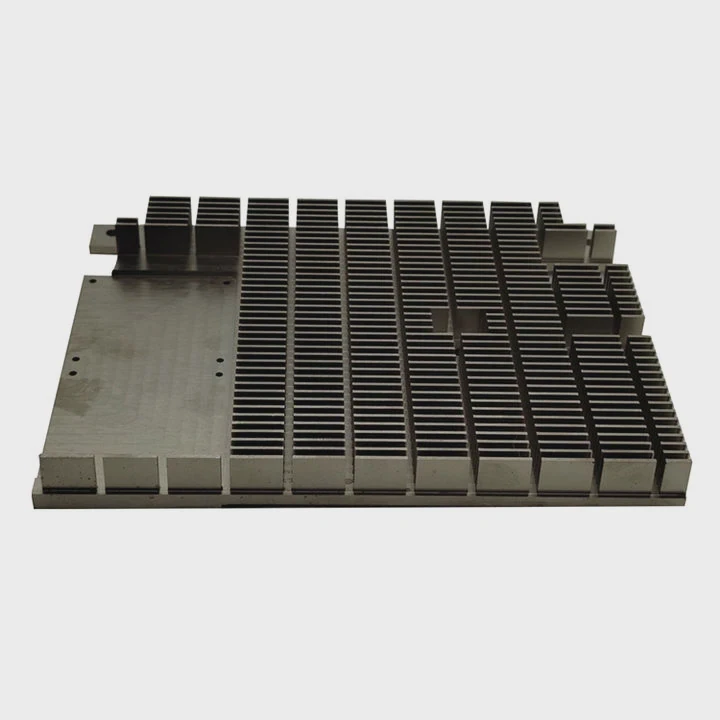
The vapor chamber operates through phase change: liquid evaporates, vapor travels, then condenses. This cycle happens quietly inside a sealed metal enclosure. The working fluid is in a controlled environment, and unless there’s a defect, sound is not generated.
However, rare scenarios like gas leakage, structural deformation, or improper fluid fill might cause faint hissing, popping, or internal vibration, though these are not typical.
In general, if a vapor chamber is making sound, something is likely wrong—like poor mounting or seal failure.
Can internal fluid create audible movement sounds?
It’s reasonable to ask whether liquid or vapor motion can be heard—especially in ultra-quiet environments.
Yes, under thermal stress or poor design, vapor or fluid inside a chamber might cause brief or faint sounds, though this is uncommon.
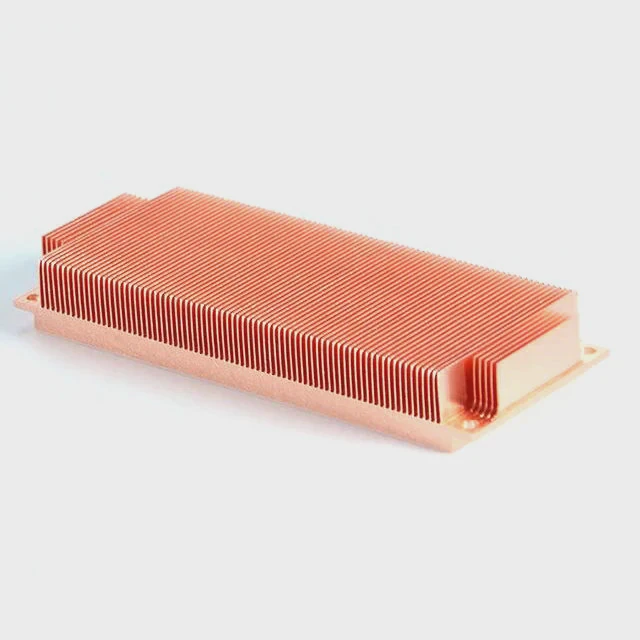
Causes of internal sounds:
| Condition | Possible Sound Generated |
|---|---|
| Rapid heating or cooling | Clicking or popping sounds |
| Overfilled chamber | Sloshing or gurgling |
| Entrapped non-condensables | Bubbling or pulsing noise |
| Thin mounting surface | Amplified internal vibration |
Fluid inside the chamber can move unevenly if improperly filled or exposed to thermal shock. Vapor collapse or expansion can cause micro-pressure shifts, creating subtle acoustic effects.
Designers can minimize this by ensuring proper fill ratios, vacuum quality, and wick distribution.
Are there design tips for minimizing noise?
Even though vapor chambers are mostly silent, some practices help prevent rare acoustic issues.
Yes, optimizing mounting, material choice, and assembly precision reduces even minor risks of sound generation.
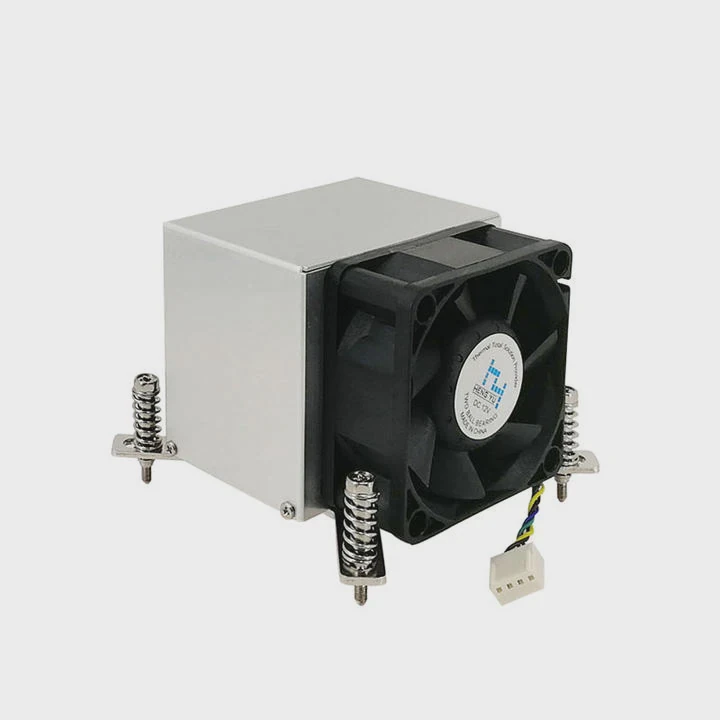
Noise-reduction design tips:
| Design Element | Effect on Noise Control |
|---|---|
| Rigid mounting surface | Prevents plate vibration |
| Even contact pressure | Avoids local flex or deformation |
| Correct fluid volume | Stops fluid slosh or bubbling |
| Vacuum quality control | Prevents gas pocket movement |
| Damping layers | Isolates potential vibration paths |
Avoid installing vapor chambers on thin, undamped panels. Instead, use firm backing or mounting brackets. Always clamp evenly to reduce localized stress or flex.
In applications like high-end laptops, designers may add rubber isolators between the chamber and chassis to further minimize sound transmission.
Is acoustic testing done for Vapor Chamber units?
Since vapor chambers are passive devices, acoustic testing is not always performed—but some industries require it.
Yes, in low-noise applications, manufacturers may conduct acoustic or vibration testing to verify silent operation.
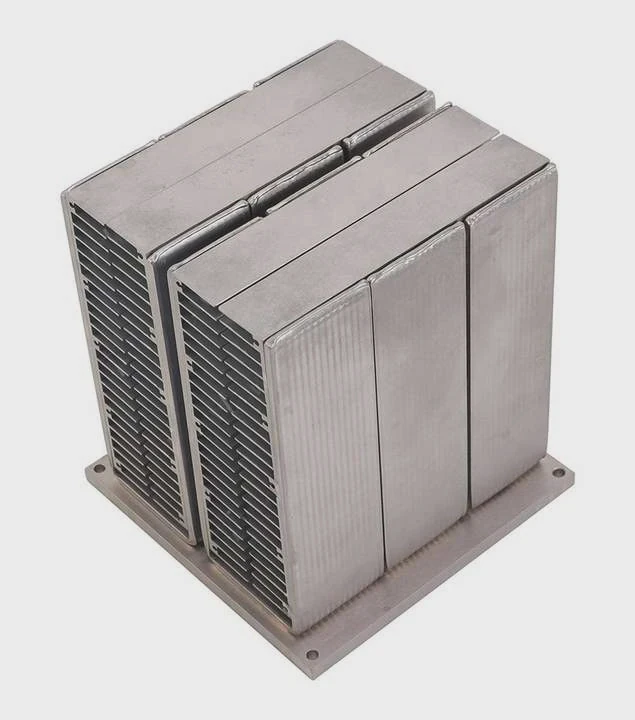
Typical test procedures:
| Test Type | Purpose |
|---|---|
| Anechoic chamber test | Measures emitted sound pressure levels |
| Vibration analysis | Identifies structure-borne noise paths |
| Modal analysis | Checks for resonant frequencies |
| Thermal ramp testing | Observes for audible transitions |
These tests are more common in:
- Consumer electronics (e.g., laptops, tablets)
- Medical imaging or scanning devices
- High-end audio or broadcast gear
- Aerospace or telecom systems with vibration limits
While vapor chambers rarely fail acoustic criteria, these tests help detect assembly flaws, loose mounts, or material inconsistencies.
Conclusion
Vapor chambers are among the quietest thermal solutions available. Their passive, sealed design ensures silent performance. While rare conditions might create slight acoustic effects, good design practices—like rigid mounting, proper fluid fill, and quality sealing—eliminate these risks. For noise-critical systems, acoustic validation adds assurance of true silent operation.
TAGS
Latest Articles

Volume discount levels for heat sink orders?
Buyers often ask when heat sink prices start to drop with volume. Many worry they’re overpaying for small orders. This guide explains how B2B volume pricing works for thermal components. Heat sink
21 Dec,2025
Heat sink long-term supply contract options?
Many buyers want stable pricing and reliable delivery for heat sinks. But without a clear contract, risks grow over time. This article explores how to secure better long-term supply deals. Long-term
21 Dec,2025
Tooling cost for new heat sink profiles?
Many engineers struggle to understand why tooling for custom heat sinks costs so much. They worry about budgeting and production timelines. This article breaks down the cost drivers behind tooling.
21 Dec,2025
Heat sink custom sample process steps?
Sometimes, starting a custom heat sink project feels overwhelming—too many steps, too many unknowns, and too many risks. You want a sample, but not endless delays. The process for requesting and
20 Dec,2025
Standard B2B terms for heat sink payments?
When buyers and sellers in B2B heat sink markets talk about payment, many don’t fully understand what’s standard. This can lead to delayed orders, miscommunication, and even lost business
20 Dec,2025
Heat sink pricing factors for large orders?
Heat sinks are vital for many systems. When prices rise, projects stall and budgets break. This problem can hit teams hard without warning. Large order heat sink pricing depends on many factors. You
20 Dec,2025Related Articles
- Does Vapor Chamber need thermal insulation?
- Can Vapor Chamber be powder coated?
- How to bond Vapor Chamber to heatsink?
- Vapor Chamber sealing method recommendations?
- Vapor Chamber best filling liquids?
- Vapor Chamber roughness standards for contact surfaces?
- Vapor Chamber machining cost breakdown?
- How to estimate Vapor Chamber delivery time?
- Required tooling for Vapor Chamber manufacturing?
- Does Vapor Chamber need leak detection?
- Vapor Chamber heat dispersion test results?
- Best alloy for Vapor Chamber enclosure?
Author
Dr. Emily Chen
Chief AI Researcher
Leading expert in thermal dynamics and AI optimization with over 15 years of experience in data center efficiency research.
Categories
Latest Products






Recommend Categories
- Liquid cooling plate Manufacturer
- Industrial Heat Sink Manufacturer
- Standard Heat Sink Manufacturer
- Aluminum Heat Sink Manufacturer
- Copper Heat Sink Manufacturer
- Anodized Heatsink Manufacturer
- Stamping heat sink Manufacturer
- Die Casting Heatsink Manufacturer
- Soldering heat sink Manufacturer
- CNC Parts Manufacturer
Latest Products
- Wholesale Aluminum Radiator
- Water Cooling Plate Kit
- Water Cooling Heat Sink
- Water Cooling Heat Sink Kit
- Stainless Steel Water Distributor
- Server Water Cooling Plate Kit
- Server Liquid Cooling System
- Server Aluminum Cooling Kit
- S19 Full Cover Cooling Plate
- S19 Cooling Plate Kit
- S19 Aluminum Cooling Plate
Contact Expert
Have questions about this article? Reach out to our experts directly.