Typical power rating for Vapor Chamber?
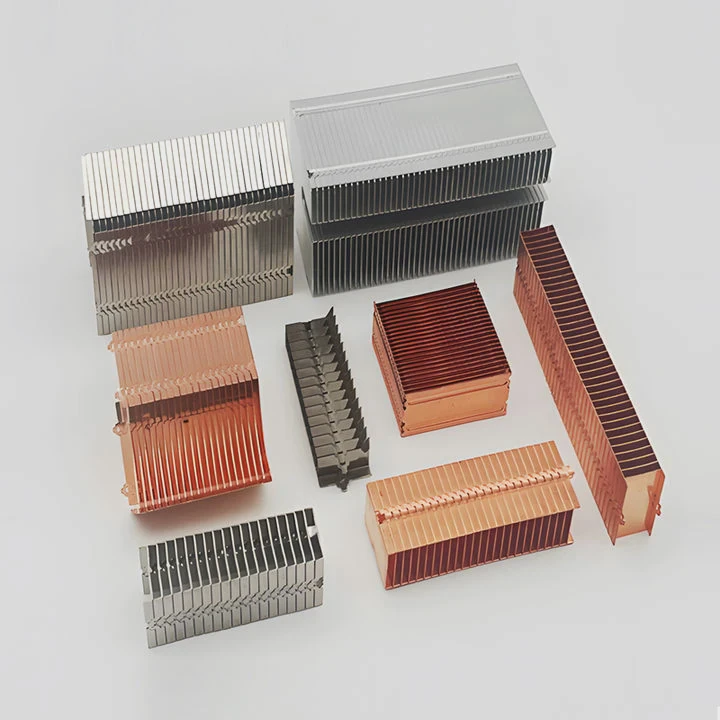
Too much heat and your device fails—too little cooling wastes cost. So what’s the sweet spot for vapor chamber performance?
Typical vapor chambers handle between 30W and 200W, with high-performance units designed for over 300W depending on size, fluid, and wick design.
Let’s explore real-world wattage ranges and how they vary by use case.
What is the typical power range for Vapor Chambers?
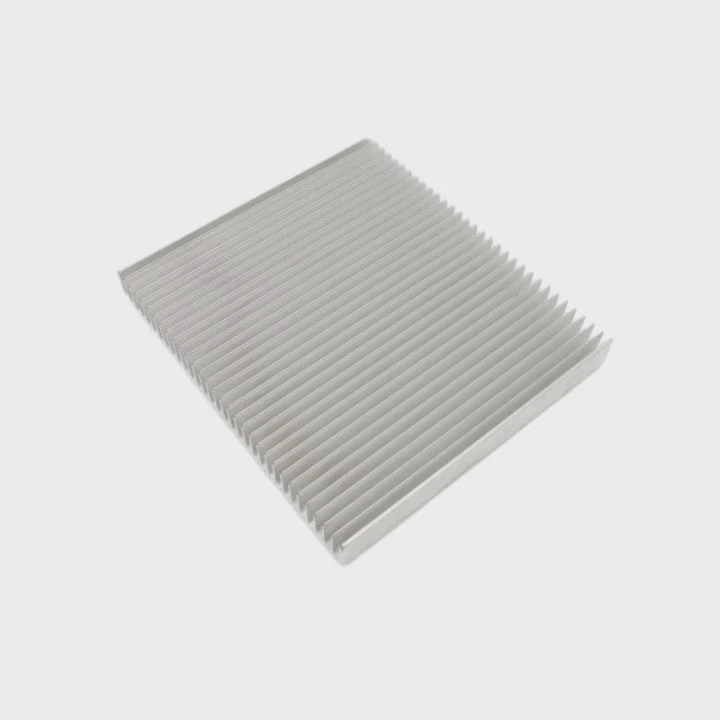
Vapor chambers are versatile. They cool everything from smartphone chips to server CPUs and LED floodlights. Each application sets a different power target, but there’s a general working range.
Most vapor chambers are designed to dissipate between 30W and 200W, depending on size, wick structure, and cooling strategy.
General Power Ranges by Form Factor
| Chamber Size (mm) | Typical Power Handling |
|---|---|
| 20×20 to 30×30 | 10W–30W |
| 40×40 to 60×60 | 30W–80W |
| 80×80 to 100×100 | 80W–150W |
| Large format (100×200+) | 150W–300W+ |
Factors affecting power limits:
- Heat source area
- Wick thickness and porosity
- Orientation (horizontal or vertical)
- External cooling method (passive vs active)
The chamber’s power capacity should exceed the system’s peak load by 20–30% to prevent overheating during bursts or environmental shifts.
How much wattage can a standard unit handle?
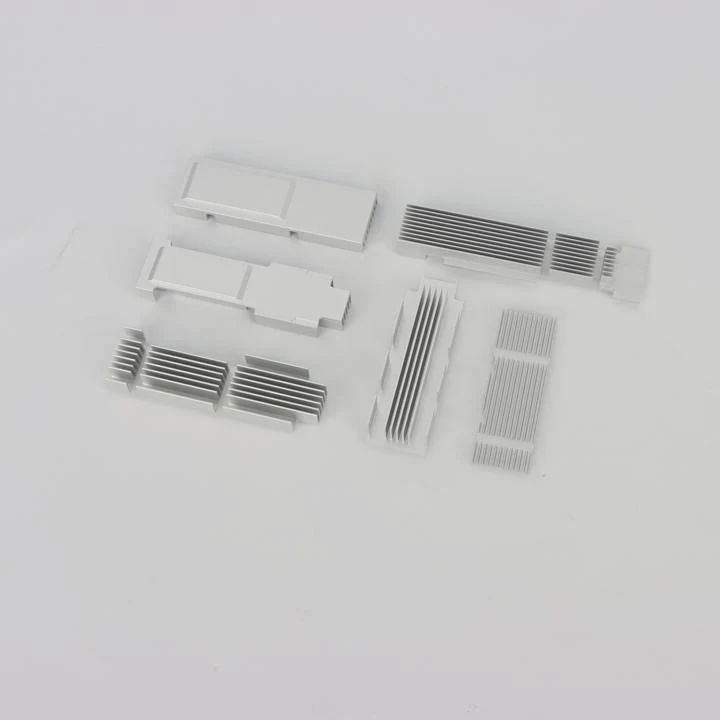
There is no universal “standard” vapor chamber, but in manufacturing, common models range from 1mm to 3mm thick and are built for general electronics cooling.
A standard vapor chamber unit typically handles 50W to 120W, depending on its physical size and thickness.
Sample Specs from Common Units
| Chamber Size (mm) | Thickness | Max Wattage | Notes |
|---|---|---|---|
| 40×40 | 1.0 mm | 40W | For tablets or embedded SoCs |
| 70×70 | 1.5 mm | 80W | For notebook GPUs |
| 100×100 | 2.5 mm | 150W | For gaming laptops or LED |
| 150×200 | 3.0 mm | 250W | For server or projector use |
Some manufacturers also classify units by Rth (thermal resistance). Lower Rth values mean more heat is spread efficiently.
For example:
- Rth < 0.2°C/W is suitable for 100W+
- Rth > 0.4°C/W may struggle above 50W
Always match wattage ratings to expected TDP (thermal design power) plus safety margin.
Do ratings vary by application type?
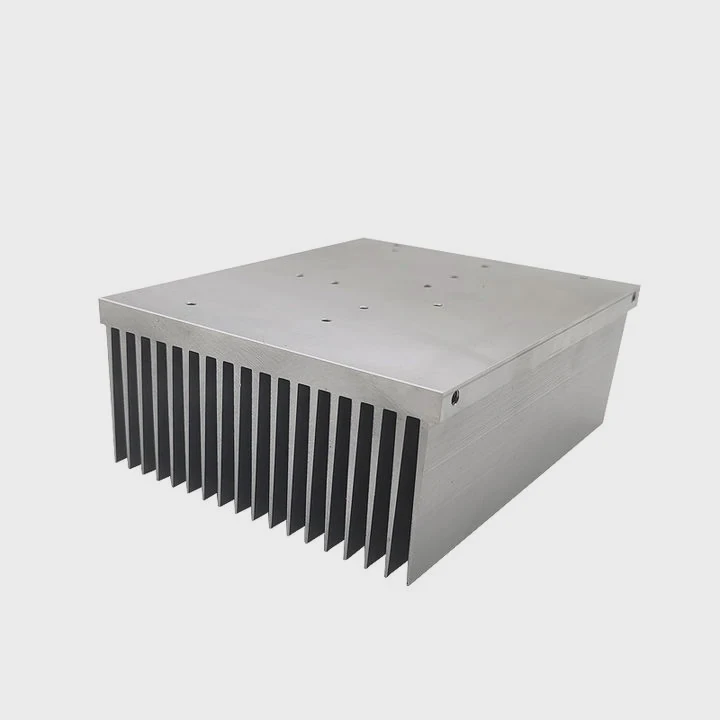
Yes. Application types heavily influence power ratings. A 50W vapor chamber in a tablet behaves differently than a 50W unit in an enclosed industrial controller due to airflow, mounting, and environment.
Yes, power ratings vary by application, since form factor, orientation, and cooling method all affect performance.
Vapor Chamber Usage by Application
| Application Type | Typical Power Target | Notes |
|---|---|---|
| Smartphones | 5W–20W | Thin chambers, high density |
| Laptops | 20W–80W | Moderate thickness, shared modules |
| LED projectors/lights | 50W–200W | Flat baseplates, high power COBs |
| Server CPUs/GPUs | 150W–300W | Multi-layer VCs with heat sinks |
| Industrial equipment | 80W–200W | Rugged units, passive convection |
| Aerospace sensors | 10W–100W | Low mass, harsh temperature shifts |
Each category has unique constraints:
- Weight (mobile devices)
- Fan vs no-fan (industrial)
- Vibration/shock (transport/military)
- Space orientation (vertical vs flat mount)
Engineers must evaluate environment, cooling method, and heat source shape—not just the raw wattage.
Can a single unit handle over 200W?
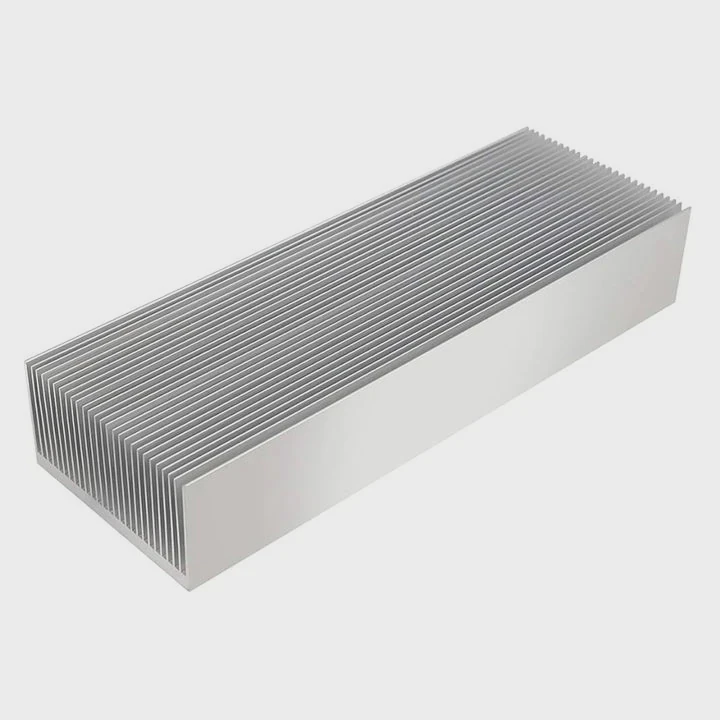
Yes, large-format vapor chambers and multi-wick units can easily handle over 200W when properly mounted and cooled. They are used in high-end GPUs, servers, and LED floodlights.
Yes, high-performance vapor chambers can handle over 200W, especially when combined with heat sinks or forced-air systems.
Examples of >200W Designs
| Application | VC Type | Power Capacity |
|---|---|---|
| Server CPU heat spreader | 2.5mm sintered VC | 200–300W |
| Stadium LED module | Flat VC with fins | 250–400W |
| Projector cooling base | Multi-zoned VC | 300W+ |
| Aerospace electronics | Looped VC with dual evaporators | 250W |
These chambers often use:
- Dual or triple wick zones
- Thicker walls (2.5–4mm)
- Advanced vapor flow paths
- Nickel-plated or embedded interfaces
But mounting and airflow must also match:
- High-pressure heat sinks or vapor-to-liquid interfaces
- Active fans or convection slots
- Heat spreaders with ultra-low Rth < 0.1°C/W
Without proper external cooling, even the best vapor chamber will reach saturation and lose efficiency at high wattages.
Conclusion
Most vapor chambers handle 30W to 200W, depending on design and use case. With proper structure, large units can exceed 300W. Application environment, size, and wick type are critical in determining true thermal capacity—always validate with test data before final selection.
TAGS
Latest Articles

Volume discount levels for heat sink orders?
Buyers often ask when heat sink prices start to drop with volume. Many worry they’re overpaying for small orders. This guide explains how B2B volume pricing works for thermal components. Heat sink
21 Dec,2025
Heat sink long-term supply contract options?
Many buyers want stable pricing and reliable delivery for heat sinks. But without a clear contract, risks grow over time. This article explores how to secure better long-term supply deals. Long-term
21 Dec,2025
Tooling cost for new heat sink profiles?
Many engineers struggle to understand why tooling for custom heat sinks costs so much. They worry about budgeting and production timelines. This article breaks down the cost drivers behind tooling.
21 Dec,2025
Heat sink custom sample process steps?
Sometimes, starting a custom heat sink project feels overwhelming—too many steps, too many unknowns, and too many risks. You want a sample, but not endless delays. The process for requesting and
20 Dec,2025
Standard B2B terms for heat sink payments?
When buyers and sellers in B2B heat sink markets talk about payment, many don’t fully understand what’s standard. This can lead to delayed orders, miscommunication, and even lost business
20 Dec,2025
Heat sink pricing factors for large orders?
Heat sinks are vital for many systems. When prices rise, projects stall and budgets break. This problem can hit teams hard without warning. Large order heat sink pricing depends on many factors. You
20 Dec,2025Related Articles
- Standard inspection report for Vapor Chamber?
- Best alloy for Vapor Chamber enclosure?
- Vapor Chamber heat dispersion test results?
- Does Vapor Chamber need leak detection?
- Required tooling for Vapor Chamber manufacturing?
- How to estimate Vapor Chamber delivery time?
- Vapor Chamber process flow chart?
- Does Vapor Chamber require vacuum forming?
- Vapor Chamber compatibility with graphite sheet?
- Can Vapor Chamber withstand shock testing?
- Vapor Chamber for inverter heat management?
- Vapor Chamber tolerance for thickness variation?
Author
Dr. Emily Chen
Chief AI Researcher
Leading expert in thermal dynamics and AI optimization with over 15 years of experience in data center efficiency research.
Categories
Latest Products






Recommend Categories
- Liquid cooling plate Manufacturer
- Industrial Heat Sink Manufacturer
- Standard Heat Sink Manufacturer
- Aluminum Heat Sink Manufacturer
- Copper Heat Sink Manufacturer
- Anodized Heatsink Manufacturer
- Stamping heat sink Manufacturer
- Die Casting Heatsink Manufacturer
- Soldering heat sink Manufacturer
- CNC Parts Manufacturer
Latest Products
- Wholesale Aluminum Radiator
- Water Cooling Plate Kit
- Water Cooling Heat Sink
- Water Cooling Heat Sink Kit
- Stainless Steel Water Distributor
- Server Water Cooling Plate Kit
- Server Liquid Cooling System
- Server Aluminum Cooling Kit
- S19 Full Cover Cooling Plate
- S19 Cooling Plate Kit
- S19 Aluminum Cooling Plate
Contact Expert
Have questions about this article? Reach out to our experts directly.