Does Vapor Chamber need leak detection?
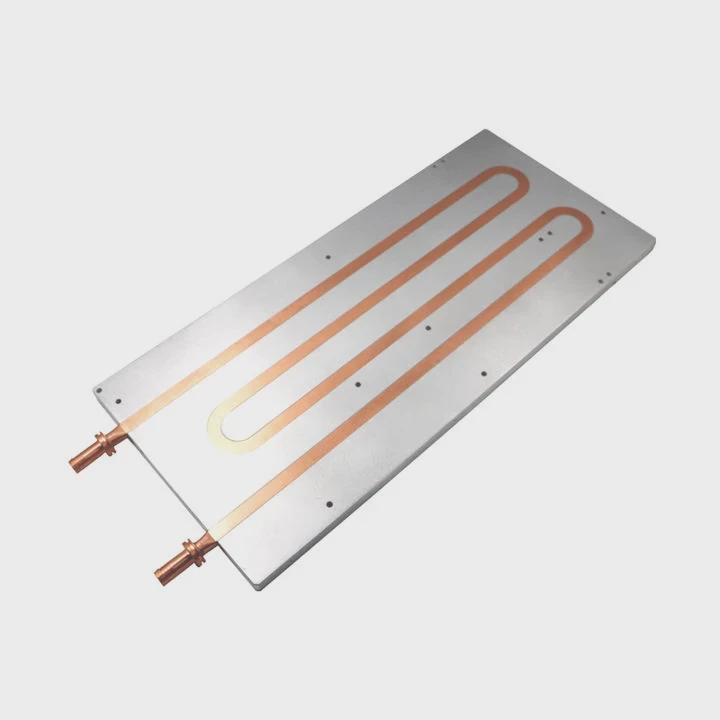
Vapor chambers look simple from the outside, but internally, a single invisible leak can destroy thermal performance and long-term reliability. If you skip leak detection, failure is just a matter of time.
Yes, leak detection is essential in vapor chamber production to ensure vacuum integrity and long-term thermal stability.
Many engineers underestimate the importance of leak detection. But in vapor chamber manufacturing, it is not optional — it’s a vital process step. Below, I will explain when and how to perform leak testing, which tools are used, and what standards are required to maintain vacuum integrity.
Is leak detection required in Vapor Chamber production?
It’s easy to assume that sealed metal parts won’t leak, but that’s a dangerous assumption. In vapor chambers, undetected leaks can lead to performance loss, swelling, or total device failure.
Yes, leak detection is a mandatory step in vapor chamber production to verify the integrity of the vacuum enclosure and working fluid.
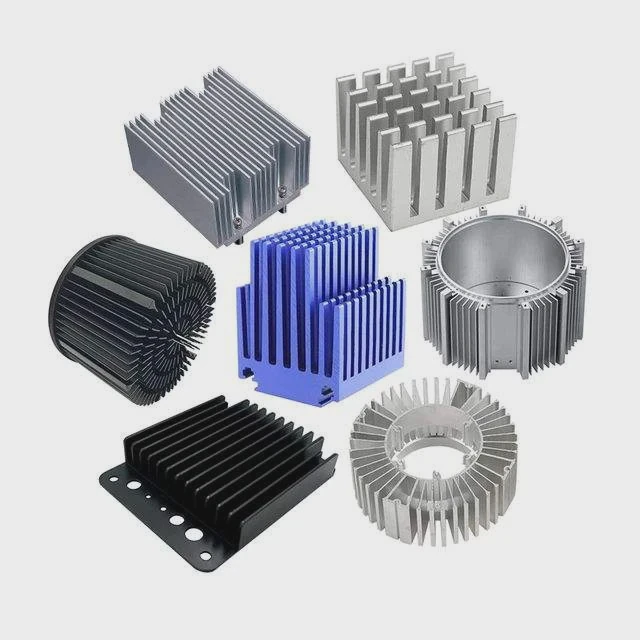
Vapor chambers operate under partial vacuum with a small amount of working fluid. Even a microleak — too small to see — can allow air to seep in or fluid to escape. This disrupts the internal phase-change cycle and ruins thermal performance.
Most vapor chambers are sealed using welding processes like laser welding or diffusion bonding. These processes, if not perfectly controlled, can leave pinholes, porosity, or micro-cracks along the seams. Additionally, filling ports, joints, and material transitions are common leak points.
Leak detection is required for several reasons:
- Maintain vacuum: Air infiltration increases internal pressure, suppressing evaporation and reducing heat transport capacity.
- Preserve fluid: If the working fluid leaks out, the chamber may dry out over time and become useless.
- Ensure safety: Some vapor chambers use flammable or pressurized fluids; leaks pose risk.
- Validate reliability: Long-term performance depends on sealing integrity.
Industry standards like MIL-STD-883 (used in defense electronics) and IEC 60068 often require leak testing as part of thermal device validation. Even if you don’t follow these standards formally, their principles are worth adopting in serious thermal design.
In short, any vapor chamber — especially those used in mission-critical or high-power applications — must pass a leak test before delivery. It is a non-negotiable part of quality control.
How are leaks identified in sealed Vapor Chambers?
Once a vapor chamber is sealed, it becomes a black box — you can’t see inside. So how do we know if it’s leaking?
Leaks are identified using specialized test methods such as helium mass spectrometry, pressure decay, or bubble testing, depending on the precision required.
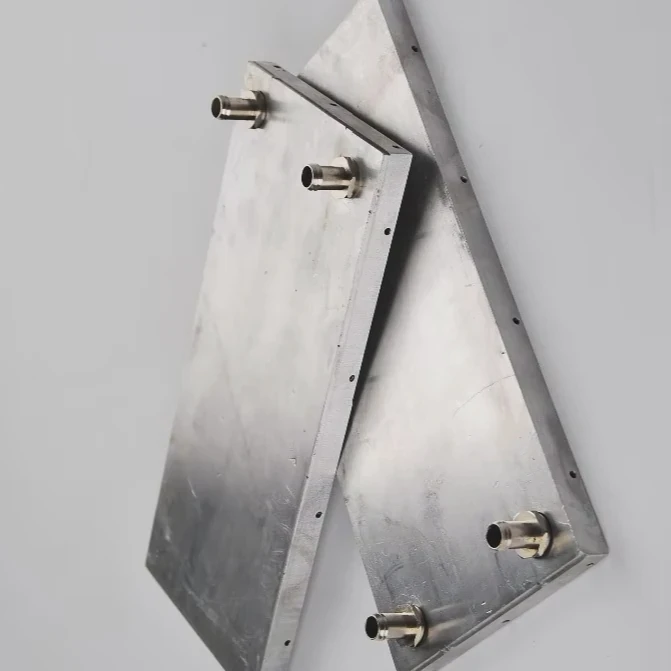
There are several ways to detect leaks, each suited for different product types and precision levels.
Common Leak Detection Methods
| Method | Sensitivity | Application |
|---|---|---|
| Helium mass spectrometry | Up to 1×10⁻⁹ Pa·m³/s | High-end, critical aerospace/electronics |
| Bubble test (immersion) | ~1×10⁻⁶ Pa·m³/s | Visual, simple chambers |
| Pressure decay method | ~1×10⁻⁵ Pa·m³/s | Medium-precision industrial modules |
| Dye penetrant inspection | Surface cracks only | Not ideal for enclosed vapor chambers |
How each method works
Helium mass spectrometry: The chamber is placed in a vacuum chamber and filled with helium. A mass spectrometer detects any helium leaking out — this is extremely sensitive and used for small, critical parts.
Bubble test: The chamber is pressurized and submerged in water. Any bubbles indicate a leak. This is low-cost and simple but less precise.
Pressure decay: The chamber is filled with air or nitrogen to a set pressure. The system monitors if pressure drops over time, indicating leakage.
Sniffer probe: A helium tracer is sprayed outside the chamber, and a sniffer probe checks for helium inside. This is used for localized weld checking.
Each method has trade-offs between cost, sensitivity, and test time. For example, helium testing gives the most accurate results but requires expensive equipment. Bubble tests are low-cost but may miss tiny leaks.
In our production line, we use helium mass spectrometry for aerospace and semiconductor-grade vapor chambers, and pressure decay methods for standard cooling modules. Each chamber must pass the leak test before moving to performance validation.
Are automated systems used for leak testing?
Manually checking each vapor chamber may work for small batches, but in modern factories, that doesn’t scale.
Yes, many manufacturers use automated leak detection systems to ensure speed, repeatability, and traceable quality control.

Automated systems bring several key advantages:
- Speed: A robot can test and process dozens of vapor chambers per hour, far faster than a human.
- Consistency: Machines apply uniform pressure, timing, and criteria.
- Traceability: Results are recorded digitally, enabling statistical process control (SPC).
- Safety: Reduces operator exposure to pressurized or heated systems.
Example: Helium Leak Test Automation
In high-end setups, an automated cell handles:
- Chamber loading into the vacuum station
- Filling with helium under pressure
- Running vacuum detection in a mass spectrometer chamber
- Unloading and labeling results (pass/fail, leak rate)
Such a system might cost $100,000+, but for high-volume production, it pays off quickly in reduced labor, lower rework, and better quality.
For simpler systems, automated pressure decay setups are used. These can be built into a flow line, with sensors, timers, and valves controlled by PLC or PC-based systems.
The most advanced systems integrate leak testing with other QC steps — like weight check (to verify fluid charge), thermal response testing, or laser weld inspection — forming a complete quality assurance cell.
In short, automation is not just for big factories. Even medium-scale producers benefit from simple automated leak testers that eliminate human error and improve throughput.
What methods ensure Vapor Chamber vacuum integrity?
Leak testing tells you if a chamber is leaking. But how do you maintain vacuum levels throughout production and shipping?
Vacuum integrity is ensured through robust sealing processes, validated leak tests, and post-process vacuum verification steps.

To protect internal vacuum levels, you must control three key stages:
1. Proper Sealing Processes
- Use precision welding (laser, TIG, or electron beam)
- Control joint design to avoid porosity or stress cracks
- Pre-clean surfaces to remove contamination before sealing
2. Post-Seal Leak Testing
After sealing, chambers are:
- Placed in helium mass spectrometer (or other method)
- Tested for leakage under standard test pressure
- Rejected if any leak is detected above threshold (e.g., 1×10⁻⁶ Pa·m³/s)
3. Vacuum Verification
Even if no leak is detected, you must check if the internal vacuum level is within spec. Methods include:
| Method | What it checks | How it works |
|---|---|---|
| Weight check | Confirms no fluid loss | Compare chamber weight before/after sealing |
| Thermal response test | Confirms working phase change | Apply heat and track temperature curve |
| Acoustic/optical | Detects internal pressure shift | Uses resonance or light reflection changes |
Some companies also re-check vacuum after storage or shipment to ensure long-term reliability. This is often part of military or aerospace standards.
In addition, robust documentation helps trace vacuum performance over time. Each vapor chamber batch should have records of:
- Initial vacuum level (e.g., 1 Torr)
- Leak test result (e.g., ×10⁻⁷ Pa·m³/s)
- Final performance validation (e.g., max heat transport, time-to-boil)
By combining sealing process control, leak test verification, and vacuum integrity tracking, manufacturers can confidently deliver reliable, leak-free vapor chambers that perform as expected in the field.
Conclusion
Leak detection in vapor chamber production is not optional — it’s fundamental. From helium mass spectrometry to automated pressure decay testers, every chamber must prove it is sealed, safe, and vacuum-tight. By adopting the right detection methods and maintaining vacuum integrity through the process, you ensure the long-term reliability and performance of every thermal module you produce.
TAGS
Latest Articles

Volume discount levels for heat sink orders?
Buyers often ask when heat sink prices start to drop with volume. Many worry they’re overpaying for small orders. This guide explains how B2B volume pricing works for thermal components. Heat sink
21 Dec,2025
Heat sink long-term supply contract options?
Many buyers want stable pricing and reliable delivery for heat sinks. But without a clear contract, risks grow over time. This article explores how to secure better long-term supply deals. Long-term
21 Dec,2025
Tooling cost for new heat sink profiles?
Many engineers struggle to understand why tooling for custom heat sinks costs so much. They worry about budgeting and production timelines. This article breaks down the cost drivers behind tooling.
21 Dec,2025
Heat sink custom sample process steps?
Sometimes, starting a custom heat sink project feels overwhelming—too many steps, too many unknowns, and too many risks. You want a sample, but not endless delays. The process for requesting and
20 Dec,2025
Standard B2B terms for heat sink payments?
When buyers and sellers in B2B heat sink markets talk about payment, many don’t fully understand what’s standard. This can lead to delayed orders, miscommunication, and even lost business
20 Dec,2025
Heat sink pricing factors for large orders?
Heat sinks are vital for many systems. When prices rise, projects stall and budgets break. This problem can hit teams hard without warning. Large order heat sink pricing depends on many factors. You
20 Dec,2025Related Articles
- Required tooling for Vapor Chamber manufacturing?
- How to estimate Vapor Chamber delivery time?
- Vapor Chamber machining cost breakdown?
- Noise impact of Vapor Chamber operation?
- Does Vapor Chamber need thermal insulation?
- Can Vapor Chamber be powder coated?
- Vapor Chamber heat dispersion test results?
- Best alloy for Vapor Chamber enclosure?
- Standard inspection report for Vapor Chamber?
- Typical power rating for Vapor Chamber?
- Vapor Chamber process flow chart?
- Does Vapor Chamber require vacuum forming?
Author
Dr. Emily Chen
Chief AI Researcher
Leading expert in thermal dynamics and AI optimization with over 15 years of experience in data center efficiency research.
Categories
Latest Products






Recommend Categories
- Liquid cooling plate Manufacturer
- Industrial Heat Sink Manufacturer
- Standard Heat Sink Manufacturer
- Aluminum Heat Sink Manufacturer
- Copper Heat Sink Manufacturer
- Anodized Heatsink Manufacturer
- Stamping heat sink Manufacturer
- Die Casting Heatsink Manufacturer
- Soldering heat sink Manufacturer
- CNC Parts Manufacturer
Latest Products
- Wholesale Aluminum Radiator
- Water Cooling Plate Kit
- Water Cooling Heat Sink
- Water Cooling Heat Sink Kit
- Stainless Steel Water Distributor
- Server Water Cooling Plate Kit
- Server Liquid Cooling System
- Server Aluminum Cooling Kit
- S19 Full Cover Cooling Plate
- S19 Cooling Plate Kit
- S19 Aluminum Cooling Plate
Contact Expert
Have questions about this article? Reach out to our experts directly.