Best ecosystems using Vapor Chamber technology?
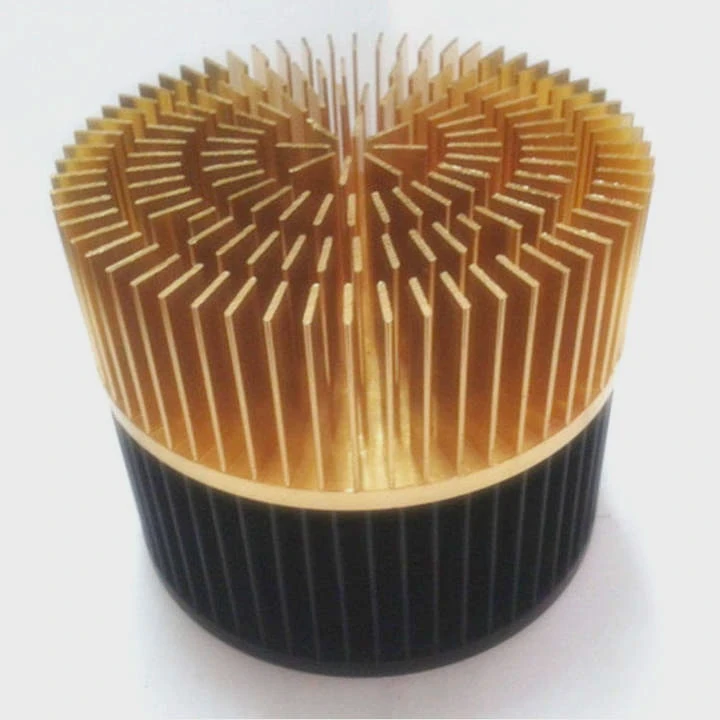
Many modern devices run hotter as performance increases, but not all have the space or airflow for bulky cooling.
Vapor chambers are ideal for ecosystems that demand high thermal performance in compact spaces — such as consumer electronics, data centers, automotive power systems, and emerging edge computing.
Fitting the right vapor chamber to the right ecosystem improves cooling, reliability, and long-term cost efficiency.
Which device ecosystems benefit most from using Vapor Chambers?
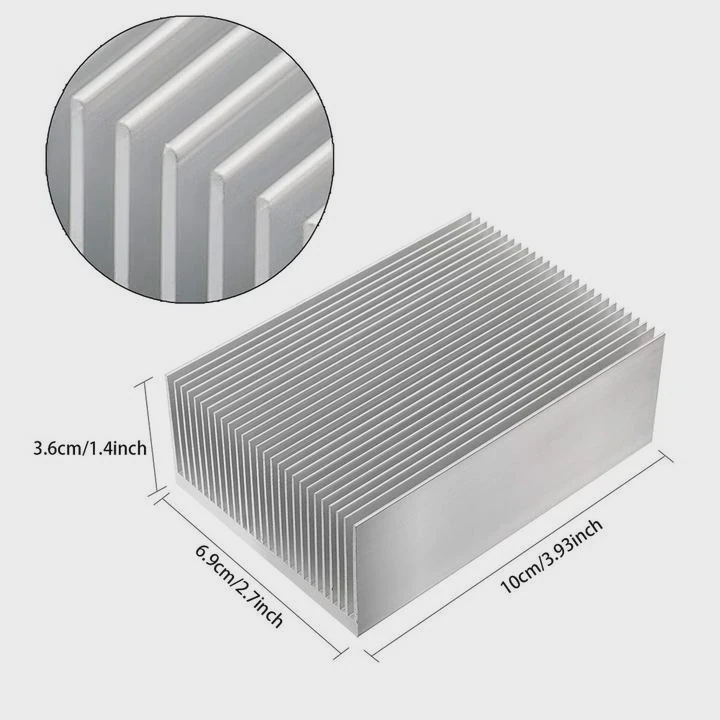
Devices with high power density and space constraints benefit most — especially smartphones, laptops, industrial electronics, and compact gaming PCs.
These applications often face thermal throttling and reliability issues due to heat buildup. Vapor chambers spread heat quickly across the device surface, reducing hot spots and allowing slim designs to perform better.
Common Beneficiaries:
| Ecosystem | Cooling Challenge | Vapor Chamber Advantage |
|---|---|---|
| Smartphones & Tablets | Slim space, CPU/GPU heat buildup | Thin, uniform heat spreading |
| Gaming Laptops & Mini-PCs | Compact design, high TDP chips | Boosted performance, lower noise |
| Industrial Telecom Gear | Harsh conditions, passive cooling needed | Maintenance-free heat spreading |
| Wearables & AR Devices | Skin-contact warmth, tight fit | Uniform surface temp, silent operation |
Vapor chambers deliver the most impact when both cooling demands and size limits are high.
How do VR/AR, data-centre, and EV sectors adopt Vapor Chamber solutions?
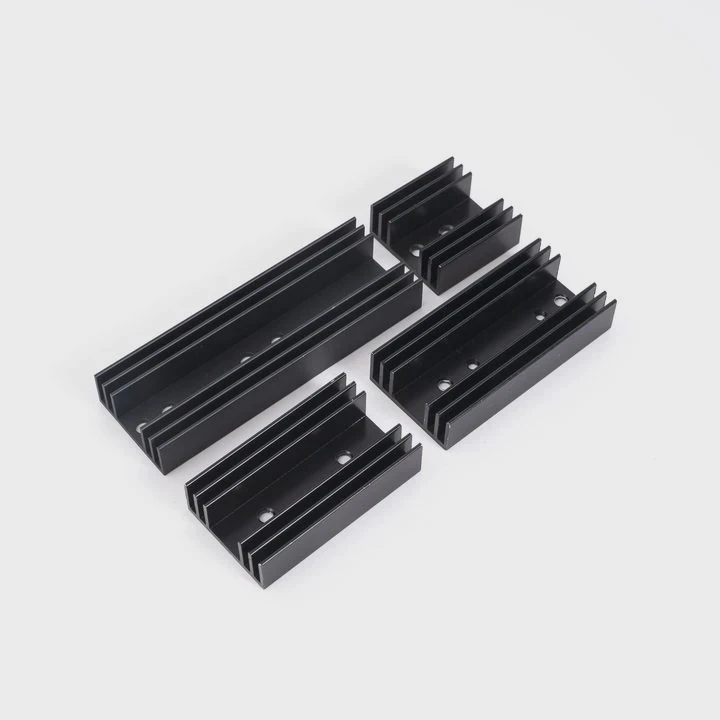
These sectors adopt vapor chambers to solve form factor, noise, and thermal density problems while improving reliability and performance.
In VR and AR, comfort is key. Vapor chambers reduce device skin temperature and prevent hot spots near the user’s face or hands. Their flat form factor fits into headsets without bulk.
In data centers and edge computing racks, vapor chambers are integrated into heat sinks or cold plates. They spread heat from chips more evenly, reducing dependence on noisy fans or expensive liquid cooling.
In EVs, especially power modules and onboard chargers, vapor chambers replace large aluminum heat sinks. They save space and weight while enhancing thermal reliability under vibration.
Sector Summary:
| Sector | Problem Solved by Vapor Chamber | Typical Integration Form |
|---|---|---|
| VR/AR | Surface cooling & user comfort | Internal heat spreader |
| Data Center | Rack density, energy cost | Module baseplate / server block |
| Edge Compute | Small enclosure, passive airflow | Compact cold plate |
| EV Systems | Weight, vibration, high heat flux | Inverter/charger spreader plate |
These industries are now designing hardware around vapor chamber cooling, not just adding it after.
Can emerging IoT and edge computing leverage Vapor Chamber cooling?
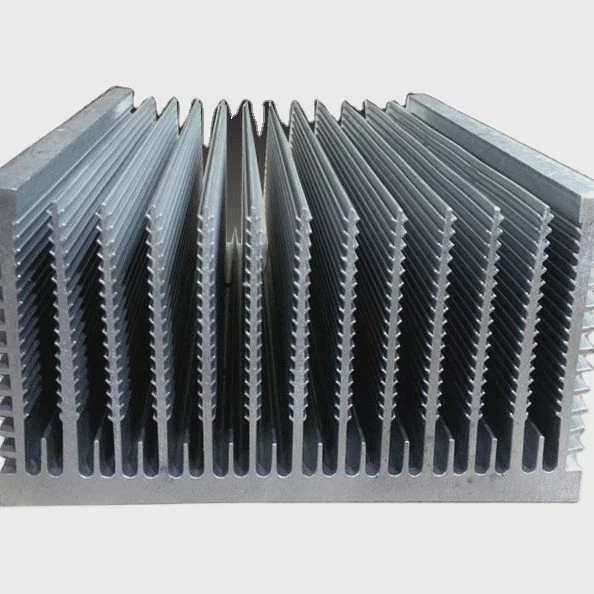
Yes — compact edge and IoT systems often rely on passive or semi-passive cooling, and vapor chambers fit those needs with silent, space-efficient heat dissipation.
As processing moves closer to the data source — like smart cameras, routers, or industrial control units — power and heat increase. But fans and large heatsinks are not always acceptable in remote or sealed enclosures.
Vapor chambers help by replacing bulky fins or pipes with flat, modular heat spreaders. Some newer designs even integrate vapor chambers into the PCB or housing for better space use.
IoT systems with AI or 5G functions benefit most. These include gateways, smart meters, outdoor modules, and telecom edge units.
Key Benefits for IoT & Edge:
- Zero moving parts → no maintenance
- Thin profile → fits into enclosure walls or under boards
- Reliable in vibration and temperature shifts
- Uniform spreading → less thermal cycling damage
Low-power devices may not justify the cost, but for smart edge nodes with CPUs and GPUs, vapor chambers are becoming the standard.
Why is ecosystem fit important when selecting a Vapor Chamber supplier?
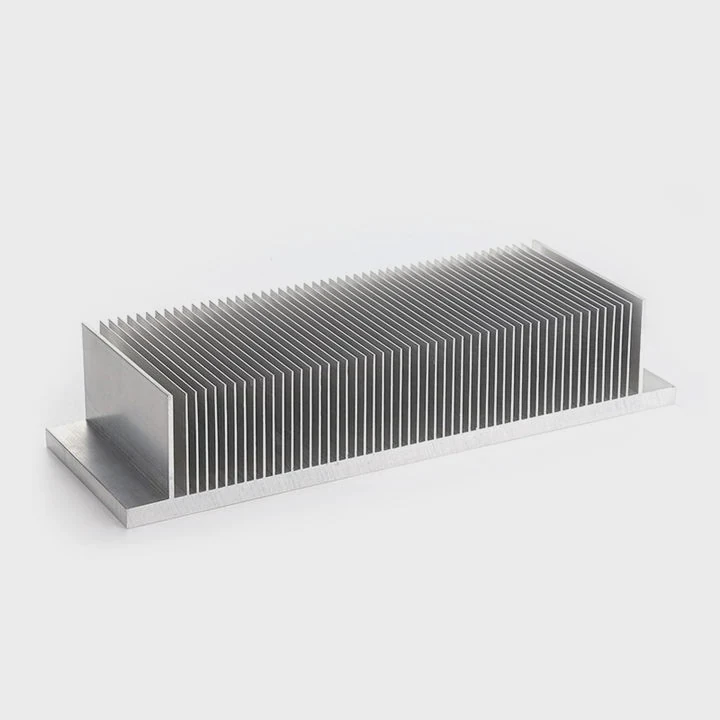
Ecosystem fit ensures that your vapor chamber design matches your product’s size, lifecycle, performance, and certification requirements.
Not all vapor chambers are equal. One for a mobile phone is not built the same as one for a car battery module. A supplier with ecosystem experience will understand:
- Thickness limits and flatness tolerances
- Surface material compatibility
- Certification needs (e.g. ISO, IATF, CE)
- Assembly environment (shock, humidity, vibration)
- Long-term reliability testing
This match speeds up integration, reduces trial and error, and ensures better field results. Ecosystem-aligned suppliers also provide support materials like CAD, test data, and quality documentation.
Fit Matters Most When:
| Product Type | Need for Supplier Ecosystem Fit |
|---|---|
| Automotive Module | Very High — vibration, traceability, certifications |
| Consumer Device | High — cost, appearance, yield matters |
| Industrial Controller | Medium — mounting & lifetime support needed |
| Edge AI Node | High — space and thermal limits crucial |
Selecting a vapor chamber without considering your ecosystem can result in overengineering, poor thermal results, or integration delays.
Conclusion
Vapor chambers offer critical thermal performance for devices in high-density or size-constrained ecosystems. Whether in smartphones, data centers, electric vehicles, or edge AI units, their passive, efficient cooling solves challenges that conventional methods can’t. The key is selecting a vapor chamber and supplier tailored to your ecosystem’s unique requirements.
TAGS
Latest Articles

Volume discount levels for heat sink orders?
Buyers often ask when heat sink prices start to drop with volume. Many worry they’re overpaying for small orders. This guide explains how B2B volume pricing works for thermal components. Heat sink
21 Dec,2025
Heat sink long-term supply contract options?
Many buyers want stable pricing and reliable delivery for heat sinks. But without a clear contract, risks grow over time. This article explores how to secure better long-term supply deals. Long-term
21 Dec,2025
Tooling cost for new heat sink profiles?
Many engineers struggle to understand why tooling for custom heat sinks costs so much. They worry about budgeting and production timelines. This article breaks down the cost drivers behind tooling.
21 Dec,2025
Heat sink custom sample process steps?
Sometimes, starting a custom heat sink project feels overwhelming—too many steps, too many unknowns, and too many risks. You want a sample, but not endless delays. The process for requesting and
20 Dec,2025
Standard B2B terms for heat sink payments?
When buyers and sellers in B2B heat sink markets talk about payment, many don’t fully understand what’s standard. This can lead to delayed orders, miscommunication, and even lost business
20 Dec,2025
Heat sink pricing factors for large orders?
Heat sinks are vital for many systems. When prices rise, projects stall and budgets break. This problem can hit teams hard without warning. Large order heat sink pricing depends on many factors. You
20 Dec,2025Related Articles
- Vapor Chamber intermediate storage conditions?
- Can Vapor Chamber be retrofitted easily?
- Vapor Chamber supplier evaluation criteria?
- Does Vapor Chamber need patent license?
- Vapor Chamber manufacturing time estimation?
- Standard rejection rate for Vapor Chamber?
- Common safety concerns for Vapor Chamber use?
- Vapor Chamber global sourcing strategies?
- How to protect Vapor Chamber during transit?
- Does Vapor Chamber require ventilation space?
- Heat distribution comparison Vapor Chamber vs. heat pipe?
- Usual payment terms for Vapor Chamber orders?
Author
Dr. Emily Chen
Chief AI Researcher
Leading expert in thermal dynamics and AI optimization with over 15 years of experience in data center efficiency research.
Categories
Latest Products






Recommend Categories
- Liquid cooling plate Manufacturer
- Industrial Heat Sink Manufacturer
- Standard Heat Sink Manufacturer
- Aluminum Heat Sink Manufacturer
- Copper Heat Sink Manufacturer
- Anodized Heatsink Manufacturer
- Stamping heat sink Manufacturer
- Die Casting Heatsink Manufacturer
- Soldering heat sink Manufacturer
- CNC Parts Manufacturer
Latest Products
- Wholesale Aluminum Radiator
- Water Cooling Plate Kit
- Water Cooling Heat Sink
- Water Cooling Heat Sink Kit
- Stainless Steel Water Distributor
- Server Water Cooling Plate Kit
- Server Liquid Cooling System
- Server Aluminum Cooling Kit
- S19 Full Cover Cooling Plate
- S19 Cooling Plate Kit
- S19 Aluminum Cooling Plate
Contact Expert
Have questions about this article? Reach out to our experts directly.