How to protect Vapor Chamber during transit?
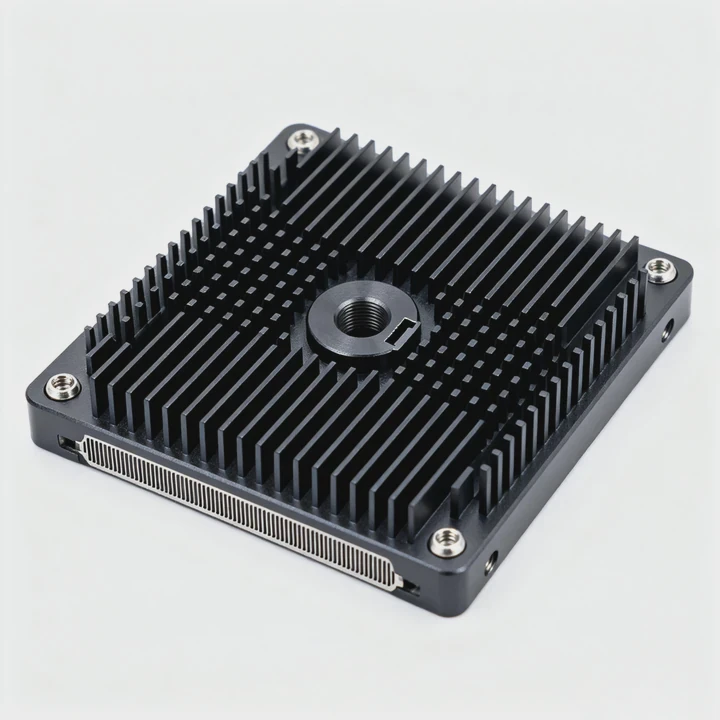
Shipping delicate thermal modules like vapor chambers demands more than a standard box and label. Improper handling can compromise performance, flatness, or even introduce internal damage.
Effective transit protection involves robust packaging and handling, shock‑absorbent and moisture‑proof materials, clear carrier instructions, and an awareness that these are high‑value, high‑precision components requiring special logistics care.
What packaging and handling methods protect Vapor Chambers from damage during shipping?
The first line of defence is packaging that preserves the integrity of the vapor chamber from mechanical, environmental and handling risks.
Key packaging & handling steps
- Use a custom rigid tray or cradle that supports the vapor chamber uniformly, avoids bending, and distributes weight so the part won’t warp.
- Add internal cushioning (e.g., high‑density foam, foam inlays) around the tray to absorb shocks or drops. The chamber surface must remain flat and undistorted.
- Pack the tray into a double‑layered box or a wood/plywood crate if required, allowing clearance around the tray for cushioning and space for shock‑absorbers (foam blocks, air‑bags).
- Apply moisture protection: place the chamber (and tray) into a sealed antistatic bag or barrier film with desiccant bags. Moisture ingress can cause corrosion, oxidation or degrade the internal wick or vacuum seal.
- Use “vapor‑barrier” packaging when shipping via container or long‑haul routes—this prevents “container rain” (condensation from ambient changes) from damaging the unit.
- Mark the box clearly with “Fragile – precision thermal module”, orientation arrows (keep flat if required), and handling instructions like “Do not stack”, “Do not tilt beyond X°”.
- Provide a handle or lifting points if the unit is sizable; avoid dragging, sliding or putting heavy items on top of the package.
- Document the packaging configuration and ensure each unit is labelled with part number, date, and batch for traceability.
By combining structural support, cushioning, moisture control and handling instructions you greatly reduce transit risk.
Can palletisation, shock‑absorbent material and moisture protection reduce transport risk for Vapor Chambers?
Yes — using pallets, shock‑absorbers and moisture‑protection is a practical way to mitigate multiple transport risks.
How they help
- Palletisation: Placing crates on a pallet stabilises the load, avoids direct contact with ground or forklift damage, and enables secure strapping or shrink‑wrapping. It also accommodates forklift access rather than hand‑carrying.
- Shock‑absorbent materials: Between the crate/pallet and the package you can use elastomer pads, foam blocks or air‑bags that reduce transmitted shock from truck vibration or drops. For a flat, thin device like a vapor chamber this helps maintain flatness and protects welds and internal structures.
- Moisture protection: Use sealed barrier bags or vacuum‑sealed packaging with desiccants, plus wrap the pallet in shrink film or plastic wrap. On long trips (esp. overseas or by sea) the environmental change causes condensation (“container rain”) which threatens corrosion. Avoid wood‑crate absorbing moisture; choose treated or sealed wooden crates or alternatives.
- Strapping & bracing: Secure the package so it cannot shift during transit. Shifting loads yield shear stress or bending on fragile modules.
- Clear labelling of environmental limits: Indicate storage/transport temperature/humidity limits if the vapor chamber is sensitive to moisture or extreme heat.
Risk mitigation summary
| Risk Type | Mitigation via Packaging |
|---|---|
| Impact drop or shift | Cushioned internal support + bracket tray |
| Vibration fatigue | Shock‑absorbent pads + secure strapping |
| Moisture / humidity ingress | Barrier bag + desiccant + sealed crate |
| Warpage or distortion | Rigid tray supporting full surface + even loading |
| Forklift / ground damage | Crate on pallet, labelled, skid protection |
Using these methods significantly reduces damage risk, flatness deviation, internal fluid displacement or seal failure.
How should carriers be instructed when shipping sensitive Vapor Chamber assemblies?
Carriers are the link between packaging and safe arrival — clear instructions to them make a big difference.
Instructions to include
- Handle with care labels: “Precision Thermal Module ‑ Do Not Drop”, “Keep Flat”, “Avoid tilting > 45°”, “Do Not Stack”.
- Specify allowed stacking height and weight above package, if any. Many vapor chamber modules cannot have other crates stacked on top without risk of bending.
- Indicate orientation: For example “Heat spreader face upward”, or “This side up” arrows. If the chamber must remain flat or upright to avoid fluid redistribution, this is critical.
- Environmental conditions: “Keep humidity < 60%”, “Do not store outdoors exposed to rain”, “Avoid long storage at >50 °C”. Especially for sealed vacuum devices, extreme humidity or heat may hurt.
- Transit mode and packaging integration: If shipping by sea or air, recommend container loading instructions (e.g., avoid “container rain” via sealed film or desiccants).
- Tracking and temperature/humidity logging: For high‑value shipments, ask carrier or logistics provider to monitor and record temperature/humidity during transit, and provide a certificate.
- Inspection on receipt: Carrier or receiver should check for external damage, verify package seals, note any drop or tilt in transit (shock indicator stickers are useful) and record condition before unpacking.
- Pre‑notify receiving warehouse of sensitive cargo so they can handle accordingly (unload with care, avoid forklift damage, store in suitable environment).
By giving carriers clear written and label instructions you reduce handling risk and ensure alignment with your packaging strategy.
Why logistics protection is critical for high‑value thermal components like Vapor Chambers?
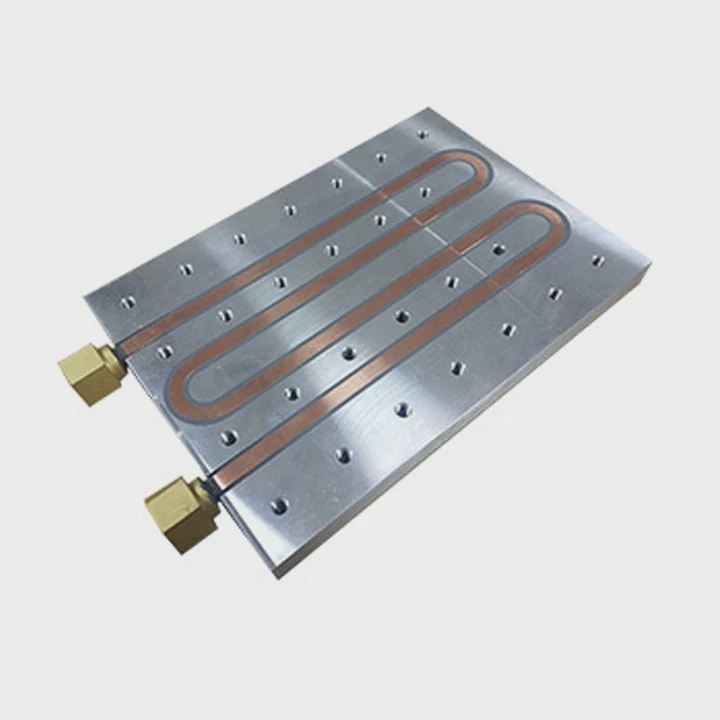
For components like vapor chambers, transit is more than just transport — it’s part of the quality assurance chain. If damaged, the cost impact goes beyond price of the part.
Why it matters
- Performance degradation risk: Even minor bending, warpage, internal fluid shifting or contamination from moisture can degrade thermal performance significantly. Using a vapor chamber that no longer meets spec may reduce system reliability or cause field failures.
- High unit value and integration cost: These modules are often custom, high‑value parts integrated into high‑end systems (e.g., data centre or EV modules). Damage in transit means rework, replacement or production delay.
- Warranty and reputation: If a part fails in the field due to shipping damage, liability may hit the supplier or system manufacturer. Proper transit protection protects both parties.
- Quality traceability: Packaging and shipping controls are part of the supply chain quality process. If transit conditions are uncontrolled, you lose data and cannot rule out transit damage in failure analysis.
- Production ramp and schedule risk: A shipment delayed or damaged in transit can disrupt production lines, cause schedule slips, increase cost of expedited replacements, affect customer commitments.
- Environmental vulnerability: These modules may include vacuum seals, thin walls, precision welds or coatings. Exposure to moisture, thermal cycling or mechanical shock during transit may weaken them before they ever arrive in the system.
Final thoughts
When you integrate vapor chambers into high‑volume, high‑reliability systems, ensuring safe transit is part of your risk mitigation, cost control and performance guarantee. Packaging and logistics shouldn’t be seen as afterthoughts but as critical enablers of product quality and supply‑chain reliability.
Conclusion
Protecting vapor chambers during transit requires a systematic approach: custom rigid packaging, cushioning and moisture barriers, palletisation and shock‑absorbent design, clear carrier instructions, and understanding that these are precision thermal components integral to system performance. If transit damage undermines even a small portion of your modules, the downstream cost may far exceed the part cost. For high‑value cooling solutions, logistics protection is as important as design and manufacturing.
TAGS
Latest Articles

Volume discount levels for heat sink orders?
Buyers often ask when heat sink prices start to drop with volume. Many worry they’re overpaying for small orders. This guide explains how B2B volume pricing works for thermal components. Heat sink
21 Dec,2025
Heat sink long-term supply contract options?
Many buyers want stable pricing and reliable delivery for heat sinks. But without a clear contract, risks grow over time. This article explores how to secure better long-term supply deals. Long-term
21 Dec,2025
Tooling cost for new heat sink profiles?
Many engineers struggle to understand why tooling for custom heat sinks costs so much. They worry about budgeting and production timelines. This article breaks down the cost drivers behind tooling.
21 Dec,2025
Heat sink custom sample process steps?
Sometimes, starting a custom heat sink project feels overwhelming—too many steps, too many unknowns, and too many risks. You want a sample, but not endless delays. The process for requesting and
20 Dec,2025
Standard B2B terms for heat sink payments?
When buyers and sellers in B2B heat sink markets talk about payment, many don’t fully understand what’s standard. This can lead to delayed orders, miscommunication, and even lost business
20 Dec,2025
Heat sink pricing factors for large orders?
Heat sinks are vital for many systems. When prices rise, projects stall and budgets break. This problem can hit teams hard without warning. Large order heat sink pricing depends on many factors. You
20 Dec,2025Related Articles
- Vapor Chamber global sourcing strategies?
- Common safety concerns for Vapor Chamber use?
- Best ecosystems using Vapor Chamber technology?
- Vapor Chamber intermediate storage conditions?
- Can Vapor Chamber be retrofitted easily?
- Vapor Chamber supplier evaluation criteria?
- Does Vapor Chamber require ventilation space?
- Heat distribution comparison Vapor Chamber vs. heat pipe?
- Usual payment terms for Vapor Chamber orders?
- Vapor Chamber OEM price request?
- Typical Vapor Chamber mold cost?
- Vapor Chamber quotation based on drawings?
Author
Dr. Emily Chen
Chief AI Researcher
Leading expert in thermal dynamics and AI optimization with over 15 years of experience in data center efficiency research.
Categories
Latest Products






Recommend Categories
- Liquid cooling plate Manufacturer
- Industrial Heat Sink Manufacturer
- Standard Heat Sink Manufacturer
- Aluminum Heat Sink Manufacturer
- Copper Heat Sink Manufacturer
- Anodized Heatsink Manufacturer
- Stamping heat sink Manufacturer
- Die Casting Heatsink Manufacturer
- Soldering heat sink Manufacturer
- CNC Parts Manufacturer
Latest Products
- Wholesale Aluminum Radiator
- Water Cooling Plate Kit
- Water Cooling Heat Sink
- Water Cooling Heat Sink Kit
- Stainless Steel Water Distributor
- Server Water Cooling Plate Kit
- Server Liquid Cooling System
- Server Aluminum Cooling Kit
- S19 Full Cover Cooling Plate
- S19 Cooling Plate Kit
- S19 Aluminum Cooling Plate
Contact Expert
Have questions about this article? Reach out to our experts directly.