Vapor Chamber supplier evaluation criteria?
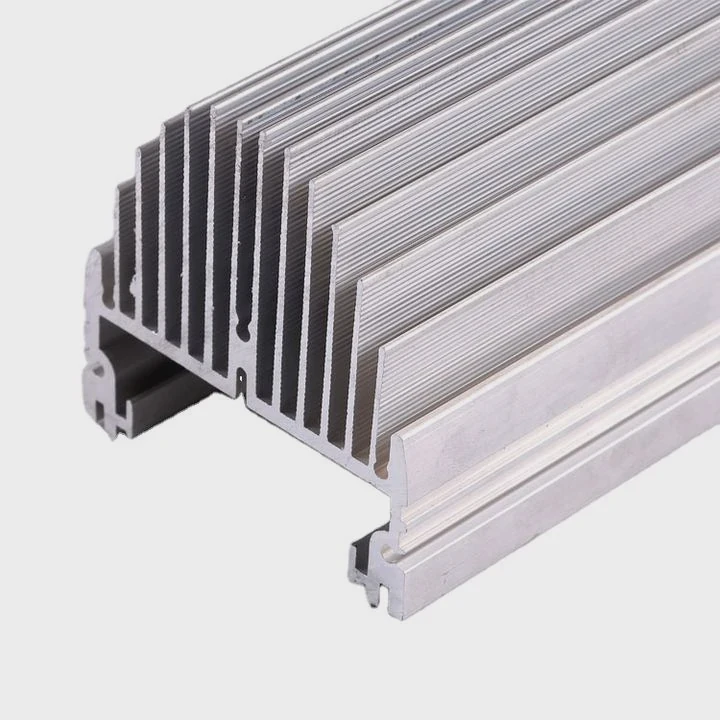
Selecting the right supplier for vapor chambers can make or break your project. Poor choice leads to delays, cost overruns, or thermal failures.
When evaluating a vapor‑chamber supplier, you should assess capability, tooling and yield history, quality systems and transparency of manufacturing.
Let’s explore these criteria one by one.
What criteria should you assess when selecting a Vapor Chamber supplier?
Imagine committing to a supplier only to discover they cannot deliver flatness, vacuum integrity or repeatable yield — frustrating and expensive.
Key evaluation criteria include manufacturing capability, material & process control, customization support, lead‐time and track record of vapor chamber production.
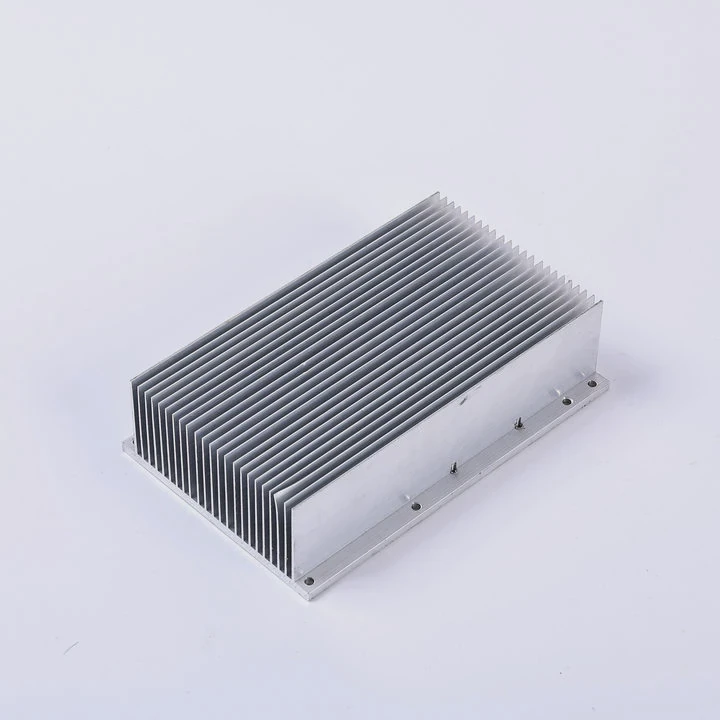
When I evaluate a supplier for vapor chambers, I consider the following major criteria:
1. Manufacturing capability & in‑house process
You want a supplier who controls core steps: shell forming, wick insertion, welding/brazing, vacuum fill & leak test. If many steps are outsourced, the risk of variability rises.
2. Customization & design support
Since vapor chambers often must fit specific heat loads or geometries, check whether the supplier offers design review, simulation support, prototype builds and iteration.
3. Lead‑time and production scale
Evaluate their batch size, minimum order quantity (MOQ), ability to ramp to volume, and how quickly they can switch tooling for new sizes.
4. Cost structure and transparency
Beyond price per unit, check how their cost breaks down: tooling amortisation, yield assumptions, material cost, testing cost.
5. References, sample parts & performance data
Request sample parts, ask for thermal resistance or temperature uniformity test reports, flatness measurements, leak rate data.
6. After‐sales & support
Check whether they provide documentation, test reports, traceability of each part, warranty terms, and whether they respond to technical issues.
| Criterion | Why it matters | What to ask the supplier |
|---|---|---|
| In‐house process & tooling | Ensures control of key steps | “Which steps are outsourced? Show your equipment list.” |
| Customization & design support | Tailors solution to your system | “Can you support CAD/CAE? Provide prototype facility?” |
| Lead‐time & scale | You need volume and timely delivery | “What is your MOQ, ramp time, standard lead‑time?” |
| Cost breakdown & transparency | Hidden costs drive surprise margin loss | “What is your scrap rate? How is tooling amortised?” |
| Performance data & references | Validates claims and avoids risk | “Can you share flatness, leak‑rate, thermal test results?” |
| After ‑sales & documentation | Ensures long‑term reliability and traceability | “Do you provide traceable serials, test batch records?” |
How does supplier tooling and yield history factor into evaluation?
Tooling cost and yield determine your actual cost per unit more than the quoted price headline.
Supplier tooling history and yield (good units vs rejects) impact unit cost, reliability and predictability of your vapor chamber supply.
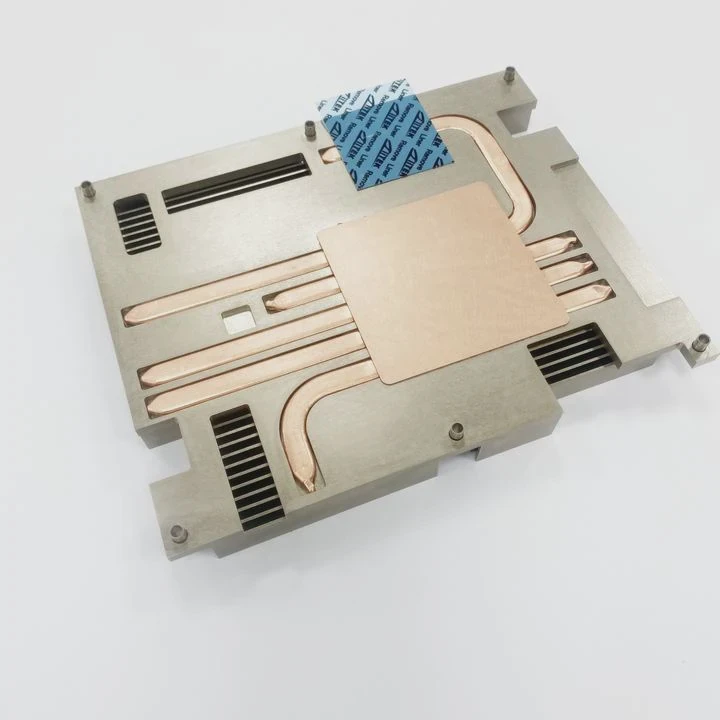
Tooling and yield are among the most critical but overlooked evaluation criteria when sourcing vapor‑chamber suppliers.
Tooling history
Tooling involves dies, stamps, welding/braze fixtures, vacuum fill rigs and inspection equipment. A supplier who has already invested in tooling for similar sizes will have lower upfront costs and fewer delays.
Yield / reject history
Yield history impacts the effective cost per good unit and delivery reliability. A supplier may quote low unit cost, but if they have 10% reject rate, your actual cost is higher and supply risk is higher.
| Factor | Importance | Questions to Ask |
|---|---|---|
| Tooling experience | Reduces learning curve, faster ramp-up | “What tools have you run for similar designs?” |
| Yield history | Predictable output, lower risk | “What’s your average scrap rate in the last 3 runs?” |
| Rework strategy | Impacts delivery time, quality consistency | “How do you handle out-of-spec parts?” |
Supplier tooling capability and documented yield history give insight into their maturity and reliability.
Can supplier quality systems (ISO, traceability) influence your choice?
Certification isn’t just a nice‑to‑have; it reflects process discipline and risk reduction.
A supplier with certified quality systems and traceability offers consistent quality, helps with compliance, and enables long‑term partnerships.
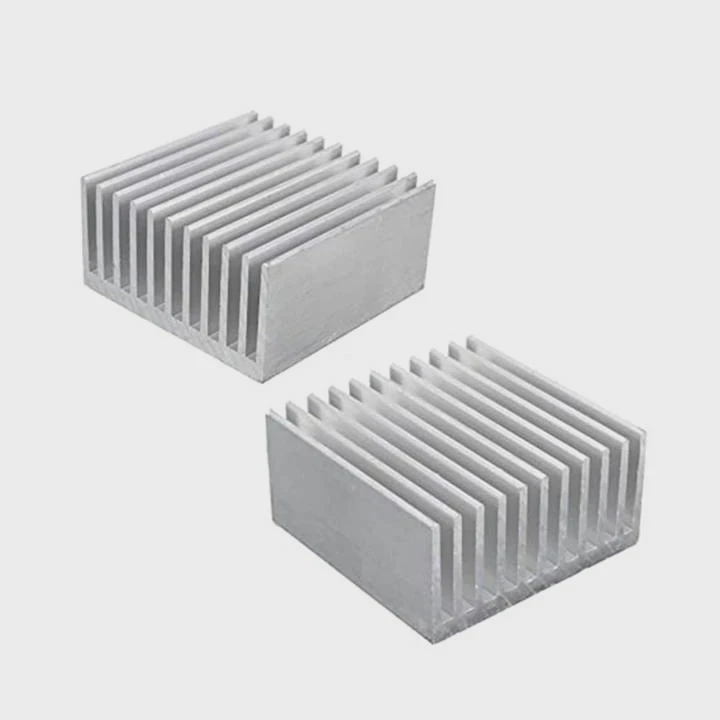
Quality systems and traceability are especially important for high-reliability industries.
Certifications to look for
- ISO 9001: Consistent process and documentation.
- IATF 16949: Automotive grade control, useful for EV or battery cooling applications.
- ISO 14001: Environmental controls if you work with sustainability-driven customers.
Traceability benefits
- Lets you trace failure points and isolate defective lots.
- Critical for audits, warranty management, and internal quality control.
- Helps in corrective action and continuous improvement.
| Quality System | What It Ensures | What to Ask Supplier |
|---|---|---|
| ISO 9001 | Documented quality process | “Is your ISO 9001 certificate active?” |
| IATF 16949 | Automotive-grade consistency | “Do you supply automotive customers?” |
| Traceability system | Lot-to-process-to-inspection linkage | “Can you trace a unit’s production data?” |
Supplier quality systems and traceability aren’t optional—they’re crucial to reliability and compliance.
Why is transparency of manufacturing process key in Vapor Chamber supplier selection?
If you can’t see or verify the process, you’re buying into uncertainties — which may cost you later in failure, cost or schedule.
Transparency builds trust and gives you visibility into risks, quality controls, and scalability of vapor chamber production.
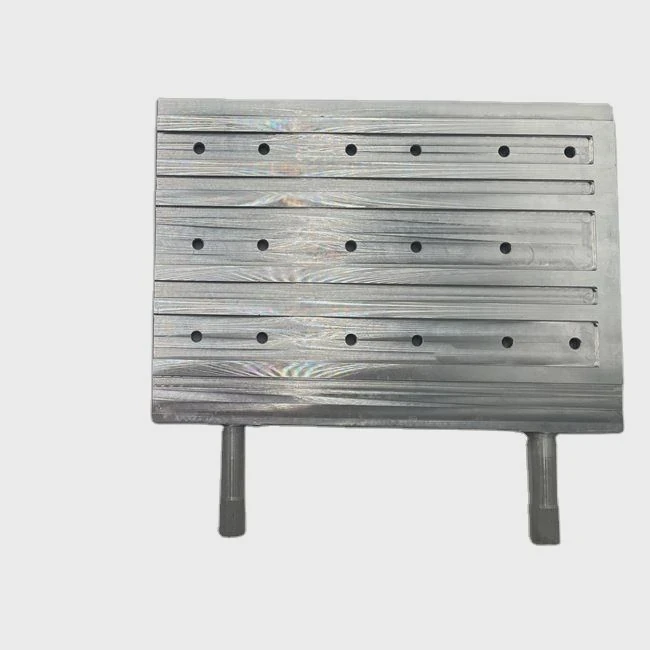
Vapor chambers are complex products with multiple critical process steps.
What transparency means
- Full process flow from raw material to final packaging.
- Equipment lists for shell forming, wick structure, vacuum fill, sealing.
- Historical data for flatness, leak rate, yield.
- Willingness to share inspection reports, test results, and yield data.
Why it matters
- Helps identify hidden risks before PO placement.
- Shows supplier confidence in their own process.
- Supports smoother audits and compliance for your end customer.
| Transparency Area | Why It’s Important | How to Check It |
|---|---|---|
| Manufacturing flow | Reveals process stability and control | Ask for a documented flowchart or walkthrough |
| Equipment capability | Confirms in-house ability | Request a factory tour or video |
| Process yield & testing | Verifies claims | Ask for sample data reports |
| Change control | Indicates how revisions are managed | “What happens if we need a last-minute tweak?” |
Transparency is not just helpful—it’s a sign of a long-term supplier partner, not just a vendor.
Conclusion
Choosing a vapor chamber supplier involves more than checking price. You need to evaluate their production capability, tooling readiness, yield consistency, quality systems and transparency. These criteria help ensure reliable delivery, consistent performance and lower total cost in the long run.
TAGS
Latest Articles

Volume discount levels for heat sink orders?
Buyers often ask when heat sink prices start to drop with volume. Many worry they’re overpaying for small orders. This guide explains how B2B volume pricing works for thermal components. Heat sink
21 Dec,2025
Heat sink long-term supply contract options?
Many buyers want stable pricing and reliable delivery for heat sinks. But without a clear contract, risks grow over time. This article explores how to secure better long-term supply deals. Long-term
21 Dec,2025
Tooling cost for new heat sink profiles?
Many engineers struggle to understand why tooling for custom heat sinks costs so much. They worry about budgeting and production timelines. This article breaks down the cost drivers behind tooling.
21 Dec,2025
Heat sink custom sample process steps?
Sometimes, starting a custom heat sink project feels overwhelming—too many steps, too many unknowns, and too many risks. You want a sample, but not endless delays. The process for requesting and
20 Dec,2025
Standard B2B terms for heat sink payments?
When buyers and sellers in B2B heat sink markets talk about payment, many don’t fully understand what’s standard. This can lead to delayed orders, miscommunication, and even lost business
20 Dec,2025
Heat sink pricing factors for large orders?
Heat sinks are vital for many systems. When prices rise, projects stall and budgets break. This problem can hit teams hard without warning. Large order heat sink pricing depends on many factors. You
20 Dec,2025Related Articles
- Does Vapor Chamber need patent license?
- Vapor Chamber manufacturing time estimation?
- Standard rejection rate for Vapor Chamber?
- Can Vapor Chamber lower manufacturing costs?
- Can Vapor Chamber reduce carbon footprint?
- Vapor Chamber application in hazardous areas?
- Can Vapor Chamber be retrofitted easily?
- Vapor Chamber intermediate storage conditions?
- Best ecosystems using Vapor Chamber technology?
- Common safety concerns for Vapor Chamber use?
- Vapor Chamber global sourcing strategies?
- How to protect Vapor Chamber during transit?
Author
Dr. Emily Chen
Chief AI Researcher
Leading expert in thermal dynamics and AI optimization with over 15 years of experience in data center efficiency research.
Categories
Latest Products
M.2 Heatpipe Heatsink With Dual Fans For Pc Case
19 Mar,2026
Heavy-Duty Aluminum Heat Sink Custom
19 Mar,2026
Oem Skived Fin Heatsink Aluminum Radiator For Plants
19 Mar,2026
Water Cooled Cnc Aluminum Heat Sink For Medical
19 Mar,2026
High Density 6000 Series Aluminum Heat Sink Profile
19 Mar,2026
High-Density Extruded Aluminum & Bonded-Fin Heat Sink Profile
19 Mar,2026
Recommend Categories
- Liquid cooling plate Manufacturer
- Industrial Heat Sink Manufacturer
- Standard Heat Sink Manufacturer
- Aluminum Heat Sink Manufacturer
- Copper Heat Sink Manufacturer
- Anodized Heatsink Manufacturer
- Stamping heat sink Manufacturer
- Die Casting Heatsink Manufacturer
- Soldering heat sink Manufacturer
- CNC Parts Manufacturer
Latest Products
- M.2 Heatpipe Heatsink With Dual Fans For Pc Case
- Heavy-Duty Aluminum Heat Sink Custom
- Oem Skived Fin Heatsink Aluminum Radiator For Plants
- Water Cooled Cnc Aluminum Heat Sink For Medical
- High Density 6000 Series Aluminum Heat Sink Profile
- High-Density Extruded Aluminum & Bonded-Fin Heat Sink Profile
- Dongguan Cnc Aluminum Heat Sink For Led & Brass Parts
- Wholesale Cnc Aluminum Heat Sink - Custom Extruded
- Led Cnc Round Heat Sink With Screw Holes
- Copper Pin-Fin Heat-Sink Large-Area For Photoled Cooling
- Telecom Heatsink Zipper Fin Wcopper Tubes Oem
Contact Expert
Have questions about this article? Reach out to our experts directly.