Does Vapor Chamber require ventilation space?
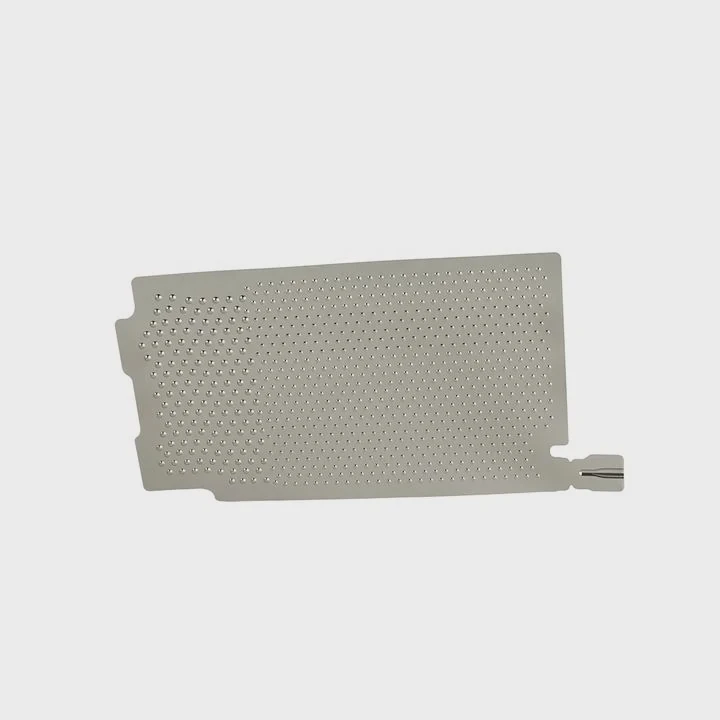
In ever‑tighter electronic designs, every millimeter of space counts. If you’re integrating a vapor chamber into a compact device, you might think the spreading functionality solves everything. Yet space for ventilation or airflow remains critical.
Is free airflow or ventilation space needed around a mounted Vapor Chamber?
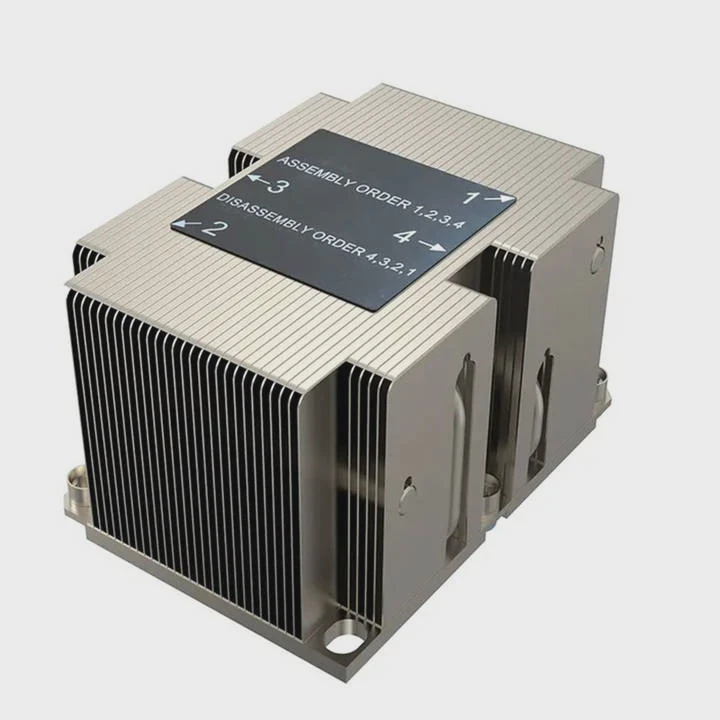
A vapor chamber excels at spreading heat from a hot spot across a wider area, but it doesn’t itself reject heat to ambient. To achieve full benefit, the heat must move from the vapor chamber into a heatsink, chassis wall, or ambient environment. If that path is constricted, the temperature will rise.
Ventilation or clearance space helps in several ways:
- It allows air to flow past or around the module so convection can carry heat away.
- It prevents heat buildup around the chamber and ensures temperature difference drives heat transfer.
- It reduces localized hot spots and allows the downstream heat sink or chassis to perform properly.
In practice, the required clearance depends on power level, ambient conditions, and mounting configuration. For low‑power systems, minimal clearance or passive conduction may suffice. For high‑power systems (laptops, servers, EV modules), designers reserve airflow paths, vents or fin packs to back up the vapor chamber.
Thus, yes — ventilation or clearance space improves performance significantly. Without it, the vapor chamber still spreads heat but the removal of heat becomes the bottleneck.
How does lack of ventilation impact Vapor Chamber cooling effectiveness?
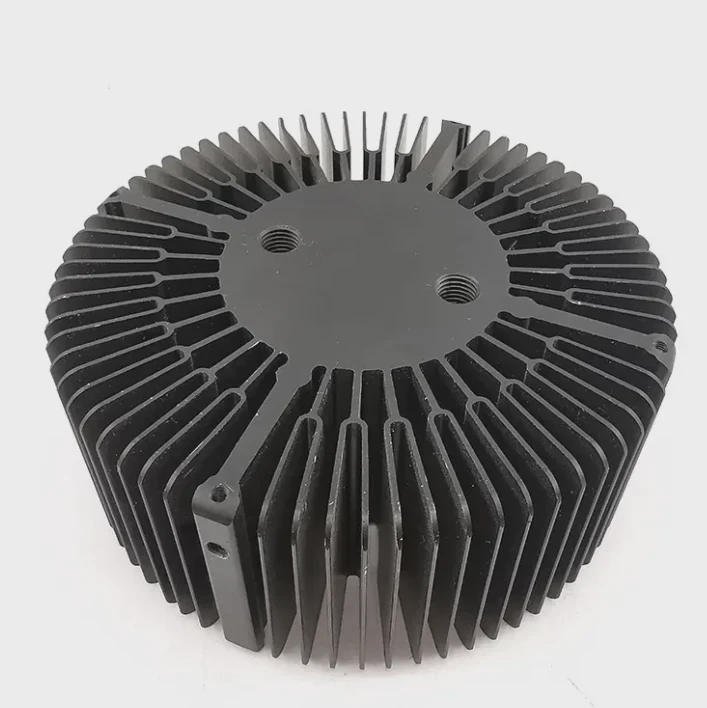
When ventilation is restricted or the vapor chamber is enclosed without a clear path for heat rejection, you may see several performance degradations:
- Slower heat rejection – If the ambient side cannot absorb or convection cannot carry away heat, the system’s steady‑state temperature rises.
- Reduced performance margin – The vapor chamber may still reduce hot‑spot temperature compared to a spreader, but its advantage shrinks if the next cooling stage is overloaded.
- Thermal bottleneck moves downstream – The chamber moves heat to a point; if the heatsink or ambient interface can’t handle it, you lose margin.
- Reliability risk increases – Higher module or junction temperatures shorten component life, may cause thermal throttling or failures.
- Enclosure ambient rises – In sealed systems, less airflow means ambient inside rises, reducing the temperature gradient and limiting the cooling effect.
For example, if a vapor chamber is placed under a tight lid with no air intake or exit, the effective thermal resistance may double compared to a system with adequate airflow. That means the design must either reduce heat load or increase clearance/ventilation to regain the benefit.
Can passive conduction alone suffice in tightly‑packed systems using Vapor Chambers?
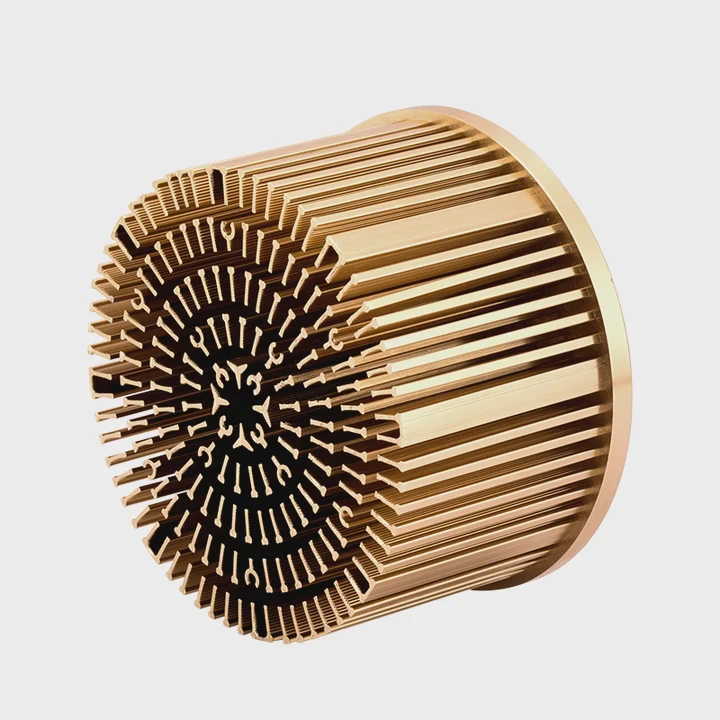
In many compact or sealed systems, designers attempt to rely on conduction from the vapor chamber to a chassis wall or cold plate, avoiding fans or vents. In such scenarios, can the vapor chamber still work without ventilation?
Conditions where conduction alone may be sufficient:
- The vapor chamber is mounted directly to a large thermal mass or cold plate with very low thermal resistance.
- The system’s heat load and ambient conditions are moderate, so the conduction path can carry away heat without airflow.
- The enclosure design allows passive convection or radiation from a surface, even if there’s no forced airflow through vents.
Conditions where conduction falls short:
- If the heat flux is high, or ambient temperature is elevated, then passive conduction may not carry away heat fast enough.
- If the chassis or wall has limited area or is insulated, the conduction path becomes the limiting factor.
- If the vapor chamber interfaces poorly (e.g., poor TIM, low mounting pressure, etc.), then even the conduction path cannot compensate.
A well‑designed conduction‑only system with a vapor chamber is possible, yet it demands careful validation of the downstream thermal path. Engineers must model or test the real steady state and worst‑case ambient scenarios to be confident. Without that, you risk underestimating temperatures, performance drop, or reliability issues.
Why is thermal design around Vapor Chamber still critical despite its spreading capability?
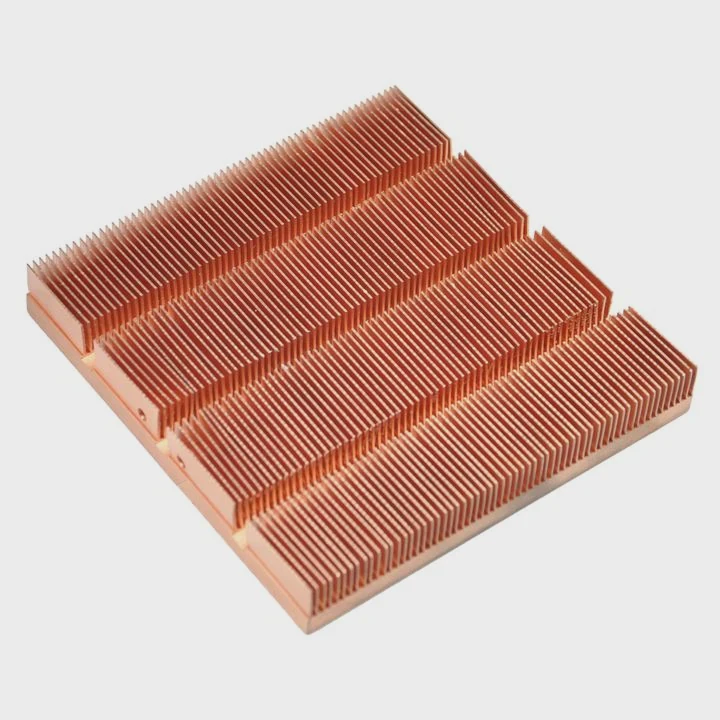
It’s easy to fall into the trap: “We’re using a vapor chamber, so cooling is solved.” In reality, the vapor chamber solves one key part of the thermal chain — spreading heat — but the rest of the chain still matters.
Key reasons for system‑level thermal design:
- Interface resistance remains important: The vapor chamber must make good thermal contact with the heat source and also the heatsink or chassis. Flatness, mounting pressure, TIM or pad quality still matter.
- Heat rejection path cannot be ignored: Spreading heat is helpful, but if the chassis or ambient side is inadequate, the system temperature rises. The chamber only works if the path to ambient is good.
- Ambient and enclosure conditions affect performance: Ambient temperature, airflow path, orientation, and enclosure ventilation all influence real‑world results.
- Reliability and margin: If you rely solely on the vapor chamber and omit allowance for ambient variation or delta‑T increase over time, you lose margin and may reduce lifetime.
- Cost and integration trade‑offs: Using a vapor chamber may allow smaller heatsink or fewer fans, but if you ignore the downstream path, you might require larger chassis or compensate elsewhere. System‑level design still drives cost, weight and reliability.
In short: the vapor chamber is a powerful component within a larger thermal solution. Without the supporting architecture — mounting, interface, heatsink/ventilation, ambient path — you won’t realise its full benefit. Thermal design remains holistic, from chip to ambient.
Conclusion
A vapor chamber is an advanced tool for heat spreading, but it is not a standalone cooling solution. Free airflow or ventilation space significantly improves its performance by enabling effective heat rejection. In tightly‑packed systems, passive conduction may suffice only if downstream conditions are carefully engineered. Regardless of the vapor chamber’s capabilities, full system thermal design — including interface, clearance, airflow/conduction path, ambient conditions and reliability margin — remains critical. The best results come when the chamber is integrated thoughtfully into a complete cooling system, not treated in isolation.
TAGS
Latest Articles

Volume discount levels for heat sink orders?
Buyers often ask when heat sink prices start to drop with volume. Many worry they’re overpaying for small orders. This guide explains how B2B volume pricing works for thermal components. Heat sink
21 Dec,2025
Heat sink long-term supply contract options?
Many buyers want stable pricing and reliable delivery for heat sinks. But without a clear contract, risks grow over time. This article explores how to secure better long-term supply deals. Long-term
21 Dec,2025
Tooling cost for new heat sink profiles?
Many engineers struggle to understand why tooling for custom heat sinks costs so much. They worry about budgeting and production timelines. This article breaks down the cost drivers behind tooling.
21 Dec,2025
Heat sink custom sample process steps?
Sometimes, starting a custom heat sink project feels overwhelming—too many steps, too many unknowns, and too many risks. You want a sample, but not endless delays. The process for requesting and
20 Dec,2025
Standard B2B terms for heat sink payments?
When buyers and sellers in B2B heat sink markets talk about payment, many don’t fully understand what’s standard. This can lead to delayed orders, miscommunication, and even lost business
20 Dec,2025
Heat sink pricing factors for large orders?
Heat sinks are vital for many systems. When prices rise, projects stall and budgets break. This problem can hit teams hard without warning. Large order heat sink pricing depends on many factors. You
20 Dec,2025Related Articles
- How to protect Vapor Chamber during transit?
- Vapor Chamber global sourcing strategies?
- Common safety concerns for Vapor Chamber use?
- Best ecosystems using Vapor Chamber technology?
- Vapor Chamber intermediate storage conditions?
- Can Vapor Chamber be retrofitted easily?
- Heat distribution comparison Vapor Chamber vs. heat pipe?
- Usual payment terms for Vapor Chamber orders?
- Vapor Chamber OEM price request?
- Typical Vapor Chamber mold cost?
- Vapor Chamber quotation based on drawings?
- Vapor Chamber standard Incoterms for export?
Author
Dr. Emily Chen
Chief AI Researcher
Leading expert in thermal dynamics and AI optimization with over 15 years of experience in data center efficiency research.
Categories
Latest Products
Recommend Categories
- Liquid cooling plate Manufacturer
- Industrial Heat Sink Manufacturer
- Standard Heat Sink Manufacturer
- Aluminum Heat Sink Manufacturer
- Copper Heat Sink Manufacturer
- Anodized Heatsink Manufacturer
- Stamping heat sink Manufacturer
- Die Casting Heatsink Manufacturer
- Soldering heat sink Manufacturer
- CNC Parts Manufacturer
Latest Products
- Wholesale Aluminum Radiator
- Water Cooling Plate Kit
- Water Cooling Heat Sink
- Water Cooling Heat Sink Kit
- Stainless Steel Water Distributor
- Server Water Cooling Plate Kit
- Server Liquid Cooling System
- Server Aluminum Cooling Kit
- S19 Full Cover Cooling Plate
- S19 Cooling Plate Kit
- S19 Aluminum Cooling Plate
Contact Expert
Have questions about this article? Reach out to our experts directly.