Can Vapor Chamber be retrofitted easily?
Many systems run hotter than expected when performance increases, but redesigning the entire cooling system is often too costly.
Yes — a vapor chamber can be retrofitted into existing hardware if its design matches footprint, height, mounting method, and interface specifications.
Understanding the limits and redesign needs helps determine whether retrofit is simple or requires deeper engineering effort.
What design features impact the ease of retrofitting a Vapor Chamber?
Upgrading a cooling module sounds simple until space, mounting, or clearance issues become obstacles.
Key retrofit factors include footprint compatibility, thermal interface requirements, overall thickness, mounting hole layout, surface flatness, and wick structure stability.
Several design features determine whether a vapor chamber retrofits easily or requires redesign. The footprint must match the previous heat spreader or heatsink so the mounting bracket does not need major changes. If the mounting holes are aligned or can share the same positions, the installation becomes much easier. Flatness tolerance is also critical because the thermal interface material cannot compensate for severe warpage. The thickness of the chamber must respect internal clearance limits. Some devices have limited headroom due to chassis or PCB layout, so every millimeter matters. The wick structure also plays a role because it affects how the chamber performs when installed in different orientations. A weak capillary structure may limit flexibility and installation angles. Thermal interface material compatibility matters as well. Some applications rely on softer pads, while others need phase change materials or cured pastes to achieve lower resistance. A poorly matched TIM can ruin performance even with a high‑quality vapor chamber. Standardized dimensions reduce risk, especially if existing suppliers already produce similar units. Using CAD drawings early in the process helps compare the new cooling module with the original. Retrofit ease improves when the mechanical tolerance and the thermal path are both validated before production. Good suppliers often provide simulation data to evaluate potential design conflicts before tooling is created. The more aligned the new vapor chamber is with original design parameters, the smoother the retrofit process becomes.
Typical Design Parameters to Check
| Design Aspect | Retrofit Impact Level | Notes on Evaluation |
|---|---|---|
| Footprint & Mounting | Very High | Must align closely with original layout |
| Thickness & Clearance | High | Affects headroom and enclosure compatibility |
| Flatness Tolerance | High | Impacts interface resistance and TIM behavior |
| Wick Orientation Limit | Medium | Determines allowable installation angles |
| TIM Compatibility | Medium | Pad, paste, or phase‑change design difference |
How much modification is typically needed when retrofitting into existing hardware?
Retrofitting sometimes looks easy on paper, but real hardware often hides mechanical surprises.
Modifications may involve new mounting brackets, enclosure adjustments, TIM changes, fin-pack redesign, or new fastening methods to ensure correct contact pressure and flatness.
The scope of modification depends on how closely the vapor chamber matches the original cooling device. If the dimensions align and the mounting position fits the existing bracket, the change may be almost drop‑in. However, many electronic housings have minimal clearance, so even a two‑millimeter increase in thickness may require raising the enclosure lid. Mechanical interference with nearby components, cables, or sensors may also appear. Thermally, pressure distribution is crucial. A vapor chamber usually needs uniform pressure across the heat source area to prevent dry‑out or trapping air bubbles inside the TIM layer. If the original heatsink used spring clips, the pressure may not remain uniform, which could require a new fixture or load‑spreader. In some retrofits, the fan speed is reduced due to the higher spreading efficiency of the vapor chamber, but airflow patterns may become uneven without proper fin alignment. That means some systems need fin repositioning or airflow simulation. In embedded electronics, PCB flexing can occur if the chamber presses against uneven surfaces. Using reinforced stands or stiffeners prevents mechanical strain. Fastener torque must be measured and standardized during installation. Some designs require epoxy bonding or soldering instead of screws, especially when mechanical space is extremely limited. Documentation becomes important for mass deployments. A retrofit plan must include tolerance drawings, installation steps, pressure limits, vibration tests, and performance validation. When these elements are prepared early, modification becomes manageable even if the original hardware was not designed for such an upgrade.
Levels of Modification
| Modification Level | Typical Actions Required | Cost & Time Impact |
|---|---|---|
| Minimal | TIM adjustment, screw alignment | Low |
| Moderate | Bracket redesign, fin alignment, pressure checks | Medium |
| Significant | Chassis change, enclosure height increase | High |
Can standard Vapor Chamber footprints support retrofit adaptive use?
A wide range of cooling hardware can be upgraded faster when standard shapes and thicknesses already exist.
Standard vapor chamber footprints reduce redesign effort by matching common sizes and hole patterns used in existing cooling solutions.
Standard footprints allow engineers to select a vapor chamber that closely matches their current hardware layout. Many suppliers keep catalogs of common sizes, such as square bases for CPUs, elongated plates for GPU modules, or flat plates for power-conversion systems. If the mounting hole positions align, engineers can immediately model the new device using existing CAD assemblies. This reduces engineering time and validation cost. Thermal loads differ between systems, so performance must still be tested. Even when the chamber drops directly into the system, airflow, TIM performance, and operational orientation need review. Standard thicknesses—such as 3 mm, 4 mm, or 6 mm—help predict enclosure compatibility early in the selection phase. In some cases, firms maintain chassis families that use the same width and mounting positions across multiple product generations. Matching those structures is valuable because a single vapor chamber model can work across many variants without redesign. This enables easier service, lower stocking cost, and faster time‑to‑market. A drawback is that some specialized applications—such as extremely thin laptops or high-density servers—may need custom designs. Still, standardized modules serve as good baseline test units before deciding on a fully customized solution. Manufacturers may offer cuttable plates or adjustable corner patterns that strike a balance between standard and customized approaches. These adaptive vapor chambers allow experimentation before mass production. They are often used in prototyping. In many cases retrofit viability improves when mechanical and thermal validation runs in parallel with supplier consultation. This reduces risk and confirms whether a standard footprint truly meets system requirements.
Why is retrofit flexibility a selling point for Vapor Chamber solutions?
Improving thermal performance without redesigning the full system helps control cost and speed up implementation.
Retrofit flexibility adds value by reducing development expense, shortening integration time, and enabling hardware upgrades across multiple product generations.
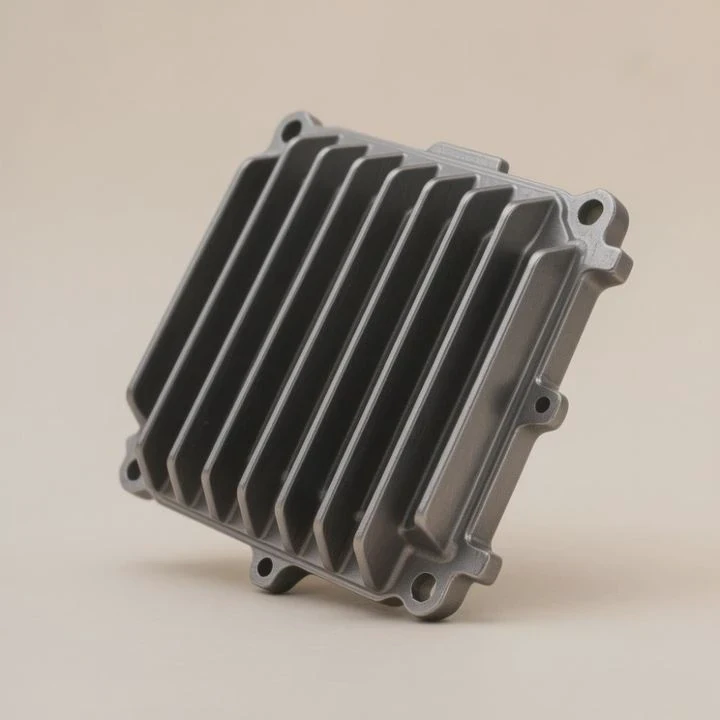
Retrofit flexibility is attractive because it extends the lifespan of existing hardware. Many manufacturers plan refresh cycles rather than full redesigns, so the ability to drop in a vapor chamber with minimal change keeps engineering budgets small and schedules fast. This is valuable in industries where reliability is critical, such as telecom or industrial electronics, where field replacement is less disruptive than total redesign. Cost control plays a major role. A bespoke cooling solution may require new tooling, assembly fixtures, and enclosure revisions. In contrast, a retrofit‑friendly module avoids these expenses and offers predictable integration cost. When suppliers offer multiple variants sharing common mounting points and interface profiles, customers can select performance tiers without changing their base design. This supports modular architecture. In several sectors like data storage and battery cooling, upgrade paths allow system reuse by introducing improved thermal devices when new processors or higher load conditions arise. Retrofit solutions also support serviceability. Technicians can swap cooling modules in the field rather than return entire enclosures for repair. This lowers maintenance cost and downtime. Retrofit flexibility also improves project confidence because stakeholders can see a clear path for scaling or upgrading performance later. Marketing teams use it as a selling point by showing charts of how existing models get faster processors simply by switching the cooling base. Procurement benefits too, because standardized retrofit modules simplify inventory management. When hardware can evolve without drastic redesign, total cost of ownership improves and long‑term partnerships with suppliers make strategic sense.
Conclusion
Retrofitting a vapor chamber is feasible and, with the right design match, can be efficient and cost‑effective. Ease depends on footprint alignment, mounting tolerance, thickness limits, and interface quality. Standard footprints improve retrofit success, while flexibility adds long‑term value by supporting upgrades and service accessibility.
TAGS
Latest Articles

Volume discount levels for heat sink orders?
Buyers often ask when heat sink prices start to drop with volume. Many worry they’re overpaying for small orders. This guide explains how B2B volume pricing works for thermal components. Heat sink
21 Dec,2025
Heat sink long-term supply contract options?
Many buyers want stable pricing and reliable delivery for heat sinks. But without a clear contract, risks grow over time. This article explores how to secure better long-term supply deals. Long-term
21 Dec,2025
Tooling cost for new heat sink profiles?
Many engineers struggle to understand why tooling for custom heat sinks costs so much. They worry about budgeting and production timelines. This article breaks down the cost drivers behind tooling.
21 Dec,2025
Heat sink custom sample process steps?
Sometimes, starting a custom heat sink project feels overwhelming—too many steps, too many unknowns, and too many risks. You want a sample, but not endless delays. The process for requesting and
20 Dec,2025
Standard B2B terms for heat sink payments?
When buyers and sellers in B2B heat sink markets talk about payment, many don’t fully understand what’s standard. This can lead to delayed orders, miscommunication, and even lost business
20 Dec,2025
Heat sink pricing factors for large orders?
Heat sinks are vital for many systems. When prices rise, projects stall and budgets break. This problem can hit teams hard without warning. Large order heat sink pricing depends on many factors. You
20 Dec,2025Related Articles
- Vapor Chamber supplier evaluation criteria?
- Does Vapor Chamber need patent license?
- Vapor Chamber manufacturing time estimation?
- Standard rejection rate for Vapor Chamber?
- Can Vapor Chamber lower manufacturing costs?
- Can Vapor Chamber reduce carbon footprint?
- Vapor Chamber intermediate storage conditions?
- Best ecosystems using Vapor Chamber technology?
- Common safety concerns for Vapor Chamber use?
- Vapor Chamber global sourcing strategies?
- How to protect Vapor Chamber during transit?
- Does Vapor Chamber require ventilation space?
Author
Dr. Emily Chen
Chief AI Researcher
Leading expert in thermal dynamics and AI optimization with over 15 years of experience in data center efficiency research.
Categories
Latest Products
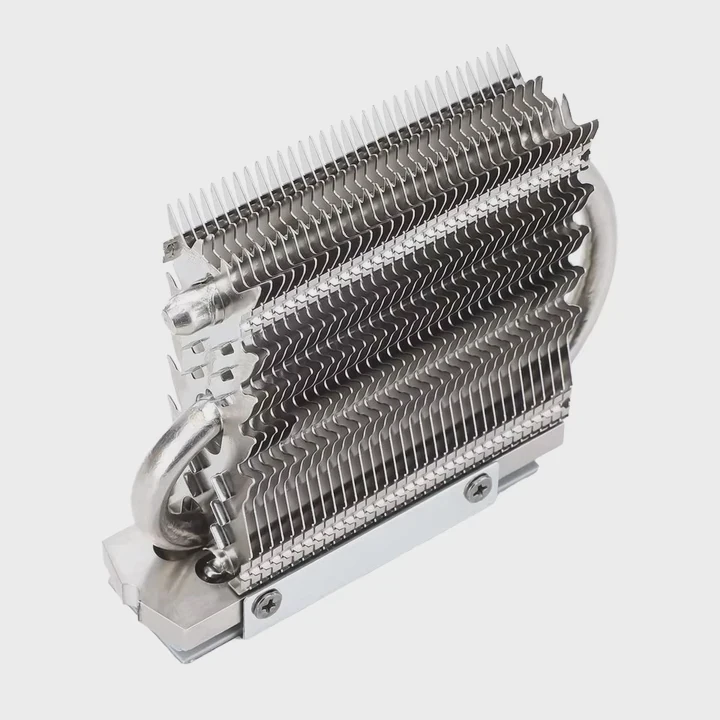
M.2 Heatpipe Heatsink With Dual Fans For Pc Case
19 Mar,2026
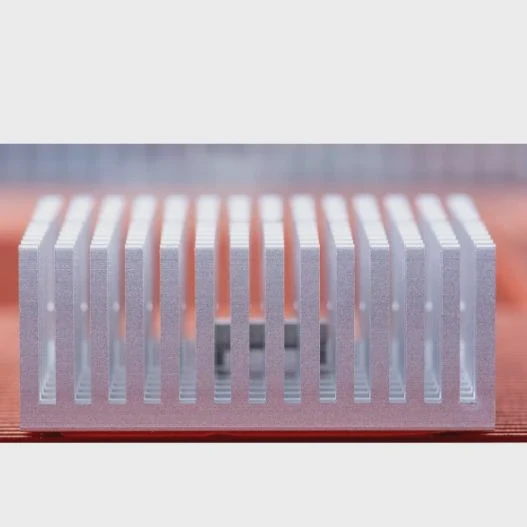
Heavy-Duty Aluminum Heat Sink Custom
19 Mar,2026
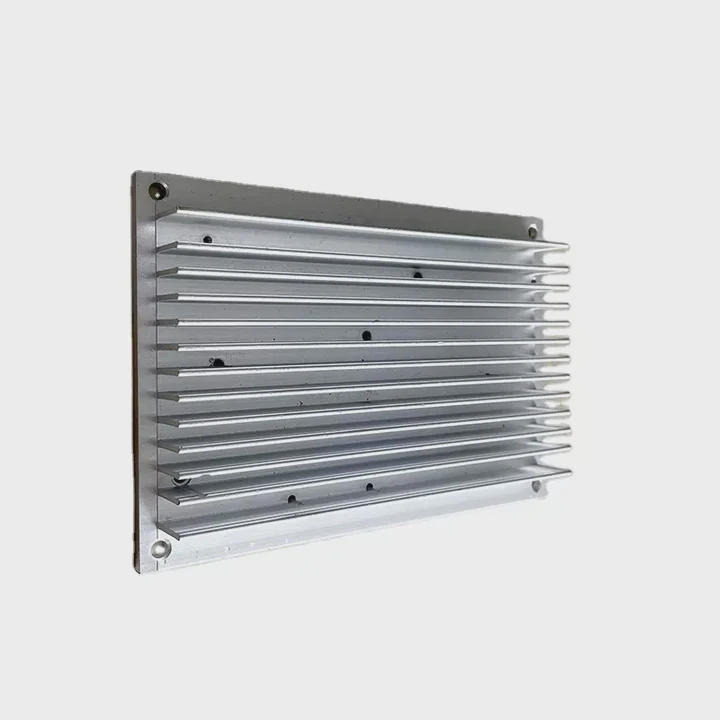
Oem Skived Fin Heatsink Aluminum Radiator For Plants
19 Mar,2026
Water Cooled Cnc Aluminum Heat Sink For Medical
19 Mar,2026
High Density 6000 Series Aluminum Heat Sink Profile
19 Mar,2026
High-Density Extruded Aluminum & Bonded-Fin Heat Sink Profile
19 Mar,2026
Recommend Categories
- Liquid cooling plate Manufacturer
- Industrial Heat Sink Manufacturer
- Standard Heat Sink Manufacturer
- Aluminum Heat Sink Manufacturer
- Copper Heat Sink Manufacturer
- Anodized Heatsink Manufacturer
- Stamping heat sink Manufacturer
- Die Casting Heatsink Manufacturer
- Soldering heat sink Manufacturer
- CNC Parts Manufacturer
Latest Products
- M.2 Heatpipe Heatsink With Dual Fans For Pc Case
- Heavy-Duty Aluminum Heat Sink Custom
- Oem Skived Fin Heatsink Aluminum Radiator For Plants
- Water Cooled Cnc Aluminum Heat Sink For Medical
- High Density 6000 Series Aluminum Heat Sink Profile
- High-Density Extruded Aluminum & Bonded-Fin Heat Sink Profile
- Dongguan Cnc Aluminum Heat Sink For Led & Brass Parts
- Wholesale Cnc Aluminum Heat Sink - Custom Extruded
- Led Cnc Round Heat Sink With Screw Holes
- Copper Pin-Fin Heat-Sink Large-Area For Photoled Cooling
- Telecom Heatsink Zipper Fin Wcopper Tubes Oem
Contact Expert
Have questions about this article? Reach out to our experts directly.