Does Vapor Chamber need patent license?
Worried about legal issues while designing or sourcing vapor chambers? Patent risks might be lurking.
Yes — many vapor‑chamber designs and manufacturing methods are covered by active patents, so if you develop or purchase custom vapor chambers you should check for licensing or freedom‑to‑operate.
In the sections below we explore patent coverage, how to check for patent‑free status, infringement risks and why licenses matter for custom production.
Are there patents covering common Vapor Chamber designs and manufacturing methods?
If you assume vapor chambers are “commodity” and free to use, think again.
There are many patents covering vapor chamber structures, wick arrangements, manufacturing methods (such as powder filling, sintering, vacuum filling) and sealing techniques.
Examples of patents
- A manufacturing method patent (US 2011/0277311A1) describes powder filling and sintering inside a metal tube, with specific supporting structures and fluid injection ports.
- Another patent (US 2014/0182820A1) covers a vapor‑chamber structure with radiating fins integrally formed by extrusion, stressing reduced cost/time of manufacturing.
- A structure patent (US 10,859,323B2) covers specific casing arrangements, wick structures and methods of sealing.
Why these matter
These patents mean that even if you buy what looks like a standard vapor chamber, the manufacturing method or internal structure may be protected. If a supplier uses a method claimed in a patent and you don’t have a license (or the patent has expired in your jurisdiction), you could infringe.
Summary
- Patents exist for core vapor‑chamber technologies (structure, wick, process).
- Some patents may have expired in certain jurisdictions but many are still active.
- Using or manufacturing a vapor chamber without checking patent status carries risk.
How can a buyer verify if a Vapor Chamber is patent‑free?
You don’t want to assume “everyone else uses it” equals “safe to use”. You need a process.
To verify if a vapor chamber design is free from patent encumbrance (i.e., safe to use without licensing), you must conduct a freedom‑to‑operate (FTO) check, search relevant patent databases, ask suppliers for intellectual‑property statements and consider legal advice.
Steps to check patent exposure
- Define the scope of your design: size, internal wick, manufacturing method, materials.
- Search patent databases: look for patents in relevant jurisdictions (“vapor chamber manufacturing method”, “vapor chamber structure”, etc.).
- Check status of patents: issued/expired, jurisdictions (US, EU, China), whether still maintained.
- Ask your supplier: Request written assurance that their design avoids third‑party patents or that they hold a license.
- Consult a patent attorney: Especially for high‑volume or custom production where risk is high.
- Document everything: Keep records of FTO analysis, supplier statements, design reviews.
Key things to ask suppliers
- “Does your vapor chamber use any internal method or structure covered by patent X?”
- “Do you hold licenses or claim design freedom (no known patents)?”
- “Can you provide non‑infringement statement or indemnity?”
- “Which jurisdictions are covered (US, China, Europe)?”
- “What is the patent expiry situation for key components?”
Why this matters
If you assume “generic vapor chamber” and later discover a supplier’s method infringes a patent, you may face cease/sell orders, royalty demands, or legal costs. An FTO check mitigates this risk.
What risks arise from infringing Vapor Chamber patents?
Ignoring patent risk is a gamble—and could be expensive.
If you infringe a patent covering vapor chamber technology, you risk injunctions (sales stop), royalty payments, legal liabilities, increased costs, supply interruptions and reputational damage.
Types of risks
- Injunction or stop‑sale order: A patent holder might sue and obtain a court order forcing you to cease manufacture/sales of infringing items.
- Damages or royalties: You may be liable for past profits or be required to pay ongoing royalties.
- Redesign costs: If you must redesign to avoid the patent, you incur tooling cost, delay and scrap older stock.
- Supply chain disruption: If a supplier is using a patented method and gets sued, your supply may be cut.
- Market access risk: Some regions may enforce patents strictly; you might find your product banned in a key market.
- Reputational/contract risk: Your OEM customer may require IP compliance; infringing could harm business relationships.
Example scenario
You contract manufacture of a custom vapor chamber for a high‑volume product. Later a competitor or patent holder claims the design uses a protected sintered‑powder wick process. Result: You are forced to stop shipments, redesign the product, pay royalties for the units already sold, and face delayed project launch.
Risk mitigation
- Budget for patent licensing or redesign cost in advance.
- Include indemnity clauses with suppliers where possible.
- Monitor patent expiry and keep updated on new filings.
Why is checking patent license important when commissioning custom Vapor Chambers?
When you’re not buying a standard “off‑the‑shelf” part but commissioning custom design/manufacture, IP risk multiplies.
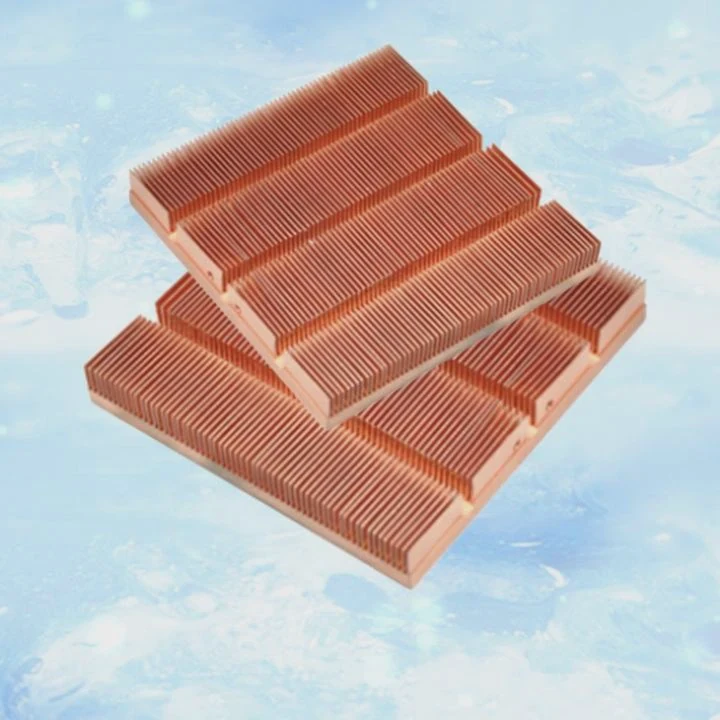
For custom vapor chambers, checking patent licensing is critical because you may be developing new shell shapes, wick structures or manufacturing methods — each of which may be covered by patents; without checking you may inherit liability or face locked‑in supplier terms.
Key reasons for importance
- Custom features may overlap patented claims: Your bespoke size, internal structure, or method may inadvertently use patented invention.
- Supplier may claim ownership or impose licensing terms: If the supplier uses patented technology, they might require higher cost or restrict usage.
- ROI depends on volume and freedom: If you plan high volume and global sales, a patent stop‑sale in one region impacts cost modelling and feasibility.
- Tooling and process investment risk: You invest in tooling and process expecting mass production. Later discovering a patent issue means wasted investment.
- Supply chain and customer transparency: Your customer (OEM) may require proof that your components are free of IP encumbrance. Having licensed or cleared technology is a selling point.
What you should do in custom commissioning
- Include IP review as part of design phase.
- Ensure supplier discloses what IP they use and whether it is licensed.
- Agree on assignment or license of any bespoke IP developed.
- Budget for potential patent licensing cost and map it into unit‑cost and timeline.
- Maintain documentation of design origin, IP clearance, supplier statements.
Table: Custom commission vs standard part IP risk
| Scenario | IP Risk Level | Cost/Timeline Impact |
|---|---|---|
| Standard off‑the‑shelf part | Low | Supplier likely uses cleared tech |
| Custom design‑by‑supplier | Medium | Need review of supplier’s methods |
| New manufacturing method | High | Might require license, redesign, delay |
Main takeaway
Custom vapor chambers cannot assume “patent safe”. A thorough IP check and licensing strategy must be embedded early in design and procurement.
Conclusion
Patents covering vapor chamber technologies are real and many remain active. If you manufacture or purchase custom vapor chambers, you must conduct proper freedom‑to‑operate checks, verify supplier licensing status, understand infringement risks and embed IP due diligence in your procurement and cost modelling. Ignoring this may expose your business to significant financial and operational risk.
TAGS
Latest Articles

Volume discount levels for heat sink orders?
Buyers often ask when heat sink prices start to drop with volume. Many worry they’re overpaying for small orders. This guide explains how B2B volume pricing works for thermal components. Heat sink
21 Dec,2025
Heat sink long-term supply contract options?
Many buyers want stable pricing and reliable delivery for heat sinks. But without a clear contract, risks grow over time. This article explores how to secure better long-term supply deals. Long-term
21 Dec,2025
Tooling cost for new heat sink profiles?
Many engineers struggle to understand why tooling for custom heat sinks costs so much. They worry about budgeting and production timelines. This article breaks down the cost drivers behind tooling.
21 Dec,2025
Heat sink custom sample process steps?
Sometimes, starting a custom heat sink project feels overwhelming—too many steps, too many unknowns, and too many risks. You want a sample, but not endless delays. The process for requesting and
20 Dec,2025
Standard B2B terms for heat sink payments?
When buyers and sellers in B2B heat sink markets talk about payment, many don’t fully understand what’s standard. This can lead to delayed orders, miscommunication, and even lost business
20 Dec,2025
Heat sink pricing factors for large orders?
Heat sinks are vital for many systems. When prices rise, projects stall and budgets break. This problem can hit teams hard without warning. Large order heat sink pricing depends on many factors. You
20 Dec,2025Related Articles
- Vapor Chamber manufacturing time estimation?
- Standard rejection rate for Vapor Chamber?
- Can Vapor Chamber lower manufacturing costs?
- Can Vapor Chamber reduce carbon footprint?
- Vapor Chamber application in hazardous areas?
- Is Vapor Chamber suitable for high altitude use?
- Vapor Chamber supplier evaluation criteria?
- Can Vapor Chamber be retrofitted easily?
- Vapor Chamber intermediate storage conditions?
- Best ecosystems using Vapor Chamber technology?
- Common safety concerns for Vapor Chamber use?
- Vapor Chamber global sourcing strategies?
Author
Dr. Emily Chen
Chief AI Researcher
Leading expert in thermal dynamics and AI optimization with over 15 years of experience in data center efficiency research.
Categories
Latest Products
M.2 Heatpipe Heatsink With Dual Fans For Pc Case
19 Mar,2026
Heavy-Duty Aluminum Heat Sink Custom
19 Mar,2026
Oem Skived Fin Heatsink Aluminum Radiator For Plants
19 Mar,2026
Water Cooled Cnc Aluminum Heat Sink For Medical
19 Mar,2026
High Density 6000 Series Aluminum Heat Sink Profile
19 Mar,2026
High-Density Extruded Aluminum & Bonded-Fin Heat Sink Profile
19 Mar,2026
Recommend Categories
- Liquid cooling plate Manufacturer
- Industrial Heat Sink Manufacturer
- Standard Heat Sink Manufacturer
- Aluminum Heat Sink Manufacturer
- Copper Heat Sink Manufacturer
- Anodized Heatsink Manufacturer
- Stamping heat sink Manufacturer
- Die Casting Heatsink Manufacturer
- Soldering heat sink Manufacturer
- CNC Parts Manufacturer
Latest Products
- M.2 Heatpipe Heatsink With Dual Fans For Pc Case
- Heavy-Duty Aluminum Heat Sink Custom
- Oem Skived Fin Heatsink Aluminum Radiator For Plants
- Water Cooled Cnc Aluminum Heat Sink For Medical
- High Density 6000 Series Aluminum Heat Sink Profile
- High-Density Extruded Aluminum & Bonded-Fin Heat Sink Profile
- Dongguan Cnc Aluminum Heat Sink For Led & Brass Parts
- Wholesale Cnc Aluminum Heat Sink - Custom Extruded
- Led Cnc Round Heat Sink With Screw Holes
- Copper Pin-Fin Heat-Sink Large-Area For Photoled Cooling
- Telecom Heatsink Zipper Fin Wcopper Tubes Oem
Contact Expert
Have questions about this article? Reach out to our experts directly.