Heat distribution comparison Vapor Chamber vs. heat pipe?
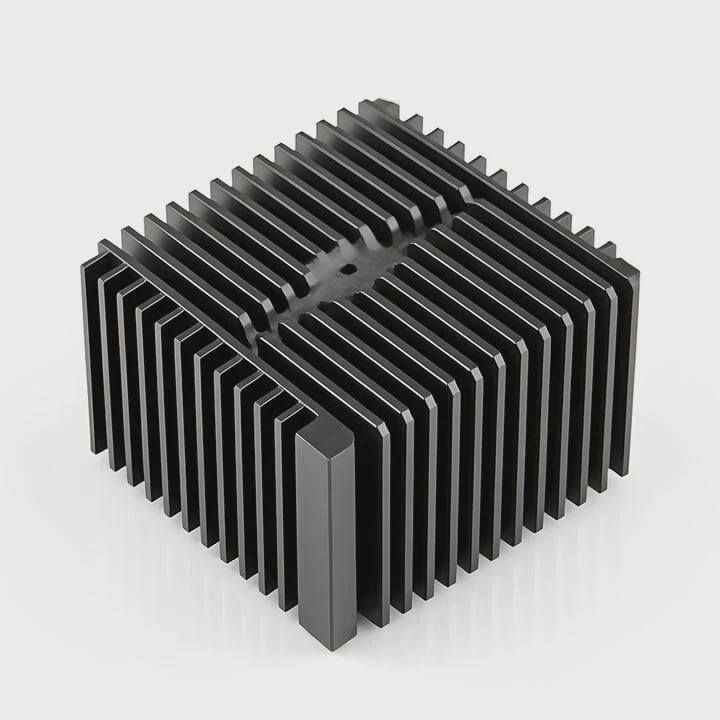
When cooling precision electronics, spreading heat efficiently is crucial. Vapor chambers and heat pipes both move heat using phase change, but they differ in form, function and efficiency.
Vapor chambers distribute heat more evenly across flat surfaces, while heat pipes are better for point-to-point heat transfer — the difference impacts performance, integration and system design.
How does heat spreading differ between a Vapor Chamber and a heat pipe?
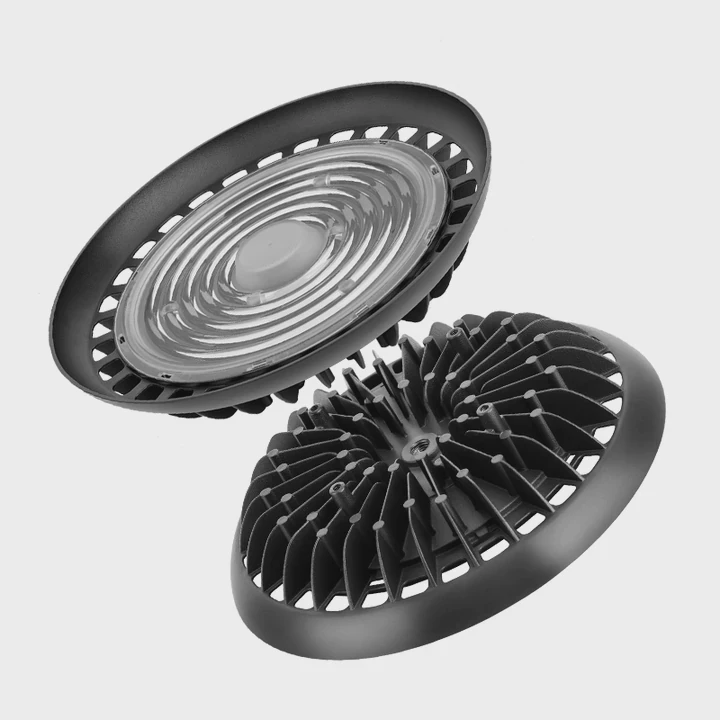
Vapor chambers and heat pipes share a working principle: evaporation and condensation of a fluid within a sealed vacuum environment. But the geometry, flow paths, and thermal behavior are different.
Heat pipes:
- Cylindrical tubes
- Transfer heat from a source to a sink in a linear or curved path
- Typically 1D transfer (from one point to another)
- Best for moving heat from a hot spot to a distant fin or radiator
Vapor chambers:
- Flat plates, typically copper-based
- Spread heat 2D across a wide area
- Ideal for even distribution over a cold plate, fin array or heatsink base
- Reduces hot spots on flat devices like CPU lids, battery surfaces, or LED modules
Thermal behavior:
- Vapor chambers provide uniform temperature across their surface, reducing thermal gradients
- Heat pipes have local contact points and may suffer uneven heat flux if improperly placed
- Vapor chambers can dissipate high local heat fluxes more evenly
This difference means that vapor chambers are preferred in high-density applications where footprint is limited, and where flat uniform heat distribution is critical.
What design trade offs favour Vapor Chamber over heat pipe in flat form factors?
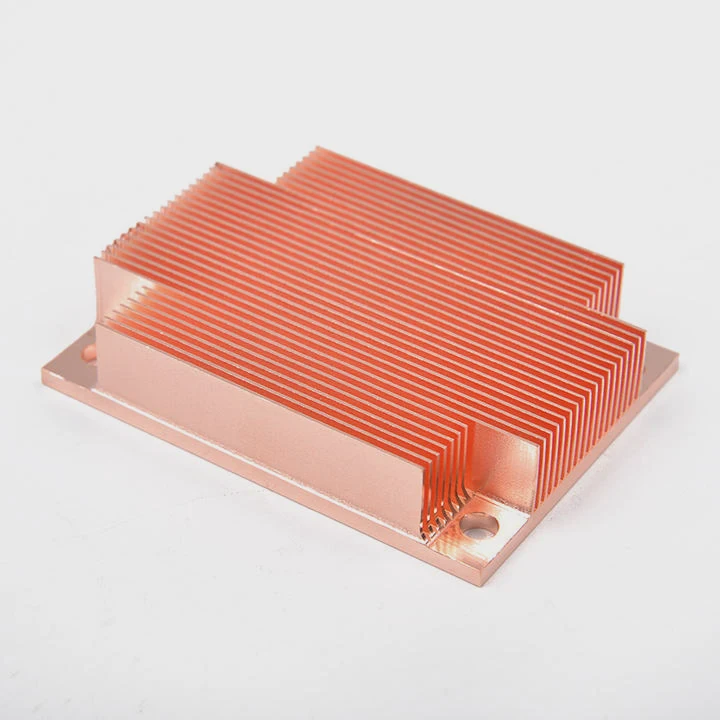
When space is tight and thermal uniformity matters, vapor chambers offer distinct advantages. But they come with cost and complexity considerations.
Advantages of vapor chambers:
- Lower spreading resistance across flat areas
- Better fit for thin devices with surface heat sources
- Fewer thermal interfaces (one vapor chamber vs. multiple heat pipes)
- Simplified assembly (flat integration with TIMs and heat sink bases)
Trade-offs:
- Higher unit cost compared to heat pipes
- More sensitive to manufacturing defects (flatness, seal quality)
- Less flexible in shape compared to bent heat pipes
- Larger surface may require more robust mechanical support
Ideal use cases for vapor chambers:
| Application | Why Vapor Chamber is Better |
|---|---|
| High-power CPUs/GPUs | Uniform heat spread under IHS |
| Battery packs (EVs) | Lower hot spot risk across cells |
| LED lighting arrays | Spreads heat across flat PCB |
| Server blades | Thin, flat cooling footprint needed |
In contrast, heat pipes may be better where the heat source and sink are not aligned or when shape flexibility is needed.
Can a Vapor Chamber provide lower thermal resistance than a heat pipe assembly?
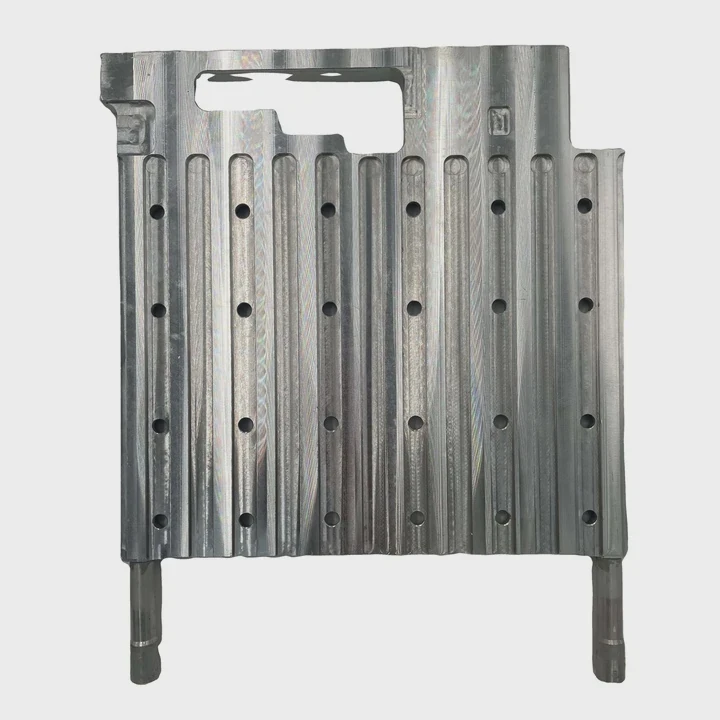
Yes — vapor chambers often show lower total thermal resistance, especially when spreading heat across a wide base is important.
Reasons for lower resistance:
- More direct heat spreading without needing multiple pipes or spreader layers
- Continuous contact with heat source and sink surface
- 2D capillary flow ensures better condensation and evaporation balance
- High wick density and vapor channel geometry in chambers supports high heat flux
In many practical tests, vapor chambers outperform assemblies with several parallel heat pipes and a base plate.
Example:
| Configuration | Thermal Resistance (°C/W) |
|---|---|
| 3 heat pipes + baseplate | 0.45 |
| Vapor chamber only | 0.28 |
This doesn’t mean vapor chambers always win — in long-distance, directional cooling, or curved paths, heat pipes may perform better. But in flat, high-flux applications, the chamber excels.
Why is choosing the right spreading technology important for system performance?
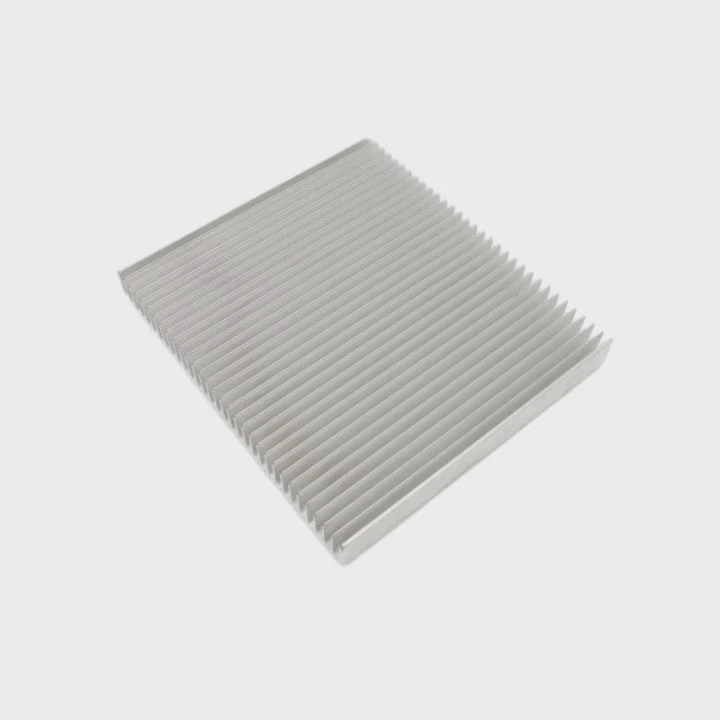
Thermal performance isn’t just about peak cooling power — it’s about system reliability, component life, and efficiency. Choosing the right spreading solution affects:
- Hot spot temperature — lower peak temp improves performance and lifespan
- System stability — better thermal distribution prevents uneven stress
- Mechanical design — form factor constraints demand the right thermal fit
- Energy efficiency — better spreading reduces need for active cooling
A misfit between thermal design and spreading solution leads to problems:
- Overheating in dense PCBs
- Throttling in CPUs or GPUs
- Shortened battery life
- Excessive fan use or noise
Thermal spreading is foundational — without it, even the best heatsinks or fans cannot operate effectively. Vapor chambers bring an edge in flat, compact, high-power applications where space and performance intersect.
Conclusion
Vapor chambers and heat pipes both move heat efficiently using phase change, but they do so in different ways. Vapor chambers provide 2D spreading with better flat-surface uniformity and lower resistance, while heat pipes excel at moving heat across distances. Choosing between them depends on form factor, heat density, and integration design. In many flat, high-power electronics, vapor chambers offer superior thermal distribution and performance.
TAGS
Latest Articles

Volume discount levels for heat sink orders?
Buyers often ask when heat sink prices start to drop with volume. Many worry they’re overpaying for small orders. This guide explains how B2B volume pricing works for thermal components. Heat sink
21 Dec,2025
Heat sink long-term supply contract options?
Many buyers want stable pricing and reliable delivery for heat sinks. But without a clear contract, risks grow over time. This article explores how to secure better long-term supply deals. Long-term
21 Dec,2025
Tooling cost for new heat sink profiles?
Many engineers struggle to understand why tooling for custom heat sinks costs so much. They worry about budgeting and production timelines. This article breaks down the cost drivers behind tooling.
21 Dec,2025
Heat sink custom sample process steps?
Sometimes, starting a custom heat sink project feels overwhelming—too many steps, too many unknowns, and too many risks. You want a sample, but not endless delays. The process for requesting and
20 Dec,2025
Standard B2B terms for heat sink payments?
When buyers and sellers in B2B heat sink markets talk about payment, many don’t fully understand what’s standard. This can lead to delayed orders, miscommunication, and even lost business
20 Dec,2025
Heat sink pricing factors for large orders?
Heat sinks are vital for many systems. When prices rise, projects stall and budgets break. This problem can hit teams hard without warning. Large order heat sink pricing depends on many factors. You
20 Dec,2025Related Articles
- Does Vapor Chamber require ventilation space?
- How to protect Vapor Chamber during transit?
- Vapor Chamber global sourcing strategies?
- Common safety concerns for Vapor Chamber use?
- Best ecosystems using Vapor Chamber technology?
- Vapor Chamber intermediate storage conditions?
- Usual payment terms for Vapor Chamber orders?
- Vapor Chamber OEM price request?
- Typical Vapor Chamber mold cost?
- Vapor Chamber quotation based on drawings?
- Vapor Chamber standard Incoterms for export?
- How long to prototype Vapor Chamber?
Author
Dr. Emily Chen
Chief AI Researcher
Leading expert in thermal dynamics and AI optimization with over 15 years of experience in data center efficiency research.
Categories
Latest Products






Recommend Categories
- Liquid cooling plate Manufacturer
- Industrial Heat Sink Manufacturer
- Standard Heat Sink Manufacturer
- Aluminum Heat Sink Manufacturer
- Copper Heat Sink Manufacturer
- Anodized Heatsink Manufacturer
- Stamping heat sink Manufacturer
- Die Casting Heatsink Manufacturer
- Soldering heat sink Manufacturer
- CNC Parts Manufacturer
Latest Products
- Wholesale Aluminum Radiator
- Water Cooling Plate Kit
- Water Cooling Heat Sink
- Water Cooling Heat Sink Kit
- Stainless Steel Water Distributor
- Server Water Cooling Plate Kit
- Server Liquid Cooling System
- Server Aluminum Cooling Kit
- S19 Full Cover Cooling Plate
- S19 Cooling Plate Kit
- S19 Aluminum Cooling Plate
Contact Expert
Have questions about this article? Reach out to our experts directly.