Vapor Chamber global sourcing strategies?
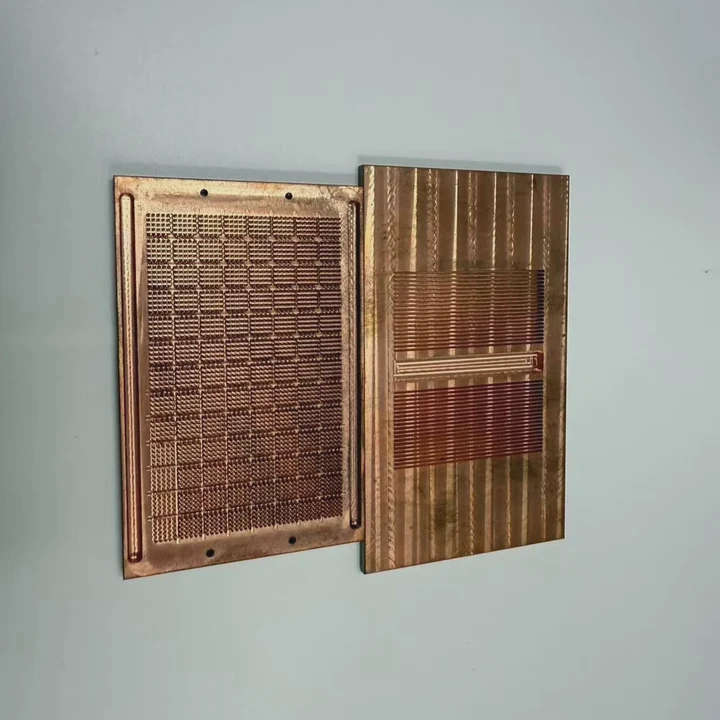
Global sourcing for vapor chambers involves more than finding the lowest price — it requires strategy around locations, lead time, risk mitigation and volume scalability.
What sourcing models exist for acquiring Vapor Chambers globally?
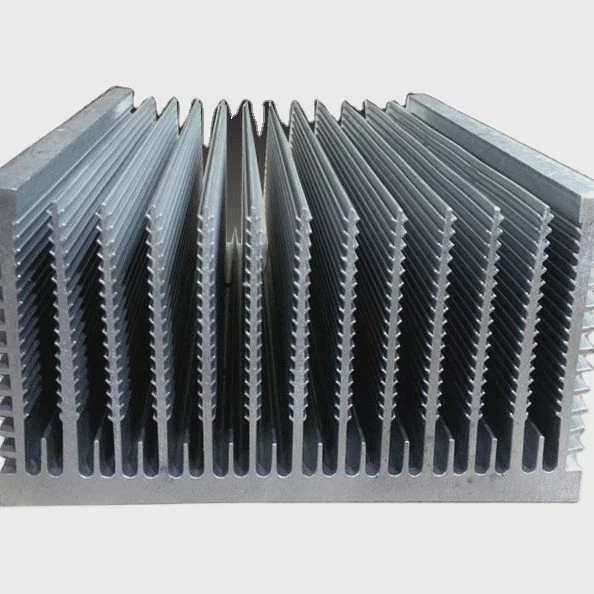
There are several sourcing models you can adopt when procuring vapor chambers:
- Single‑source global: One supplier located overseas handles everything (design, tooling, production, shipping). This model benefits from simplified coordination and potentially lower unit cost due to volume concentration.
- Regional/dual sourcing: One supplier in each major region (e.g., Asia for high volume, Europe for speed, Americas for proximity). This model adds flexibility, reduces risk of shipping or geopolitical disruption, and can improve lead‑time responsiveness.
- OEM/ODM partnership: Work with a contract manufacturer or ODM that integrates the vapor chamber as part of a larger system. This model is useful when you are less focused on thermal manufacturing and more on system integration.
- In‑house or captive production: For very high volume, some companies may decide to set up their own production line (or partially in‑house) to control quality, cost and supply chain.
When selecting a model consider volume, lead‑time needs, cost targets, and risk profile of your business.
How does regional manufacturer location impact lead time and cost?
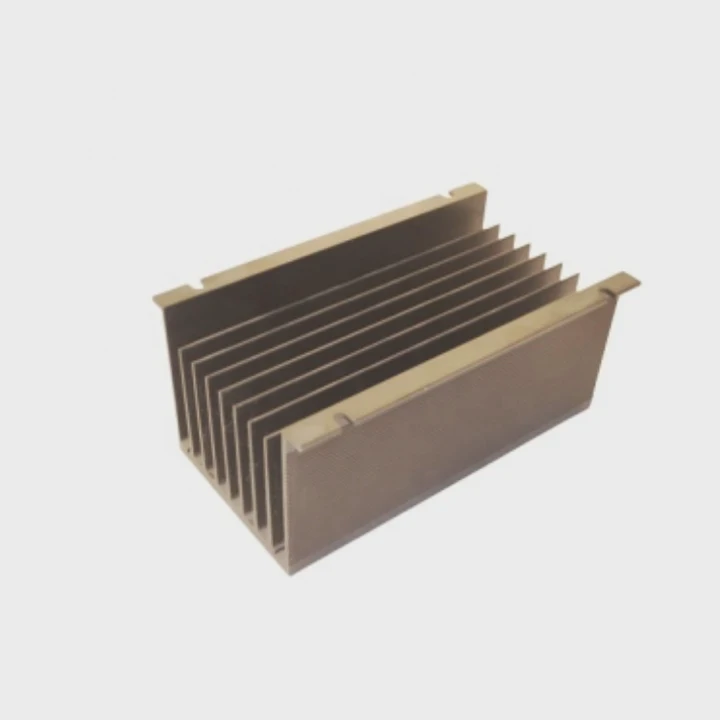
The location of your manufacturer has major implications for cost, lead‑time and supply chain risk:
- Lead time: Suppliers located close to your assembly plants or to end‑markets reduce freight time, customs delay, and buffer stock needs. If you use a supplier far away you may need longer lead‑time, larger safety stock, and account for import delays.
- Cost: Labor, material, and tooling cost vary by region. Regions with lower labor cost may offer cheaper unit price, but transport, customs duties, tariffs, and communication overhead may offset this.
- Tariffs and trade policy: If your sourcing region is subject to tariffs, you may be exposed to cost swings. Sourcing inside or near your region may reduce tariff risk and shipping cost.
- Supply chain resilience: Sourcing from multiple regions spreads risk (natural disaster, political issues, shipping disruption). A geographically diverse sourcing strategy helps maintain supply continuity.
- Customization and responsiveness: If your design changes frequently or you need faster sampling, a nearby or regionally local supplier will typically be more responsive, reducing time to market.
In short: location matters not just for price but for total cost, speed, and supply‑chain resilience.
Can dual‑sourcing or near‑shoring strengthen supply chain for Vapor Chambers?
Yes — deploying dual‑sourcing or near‑shoring strategies can significantly strengthen your supply chain for vapor chambers:
- Dual‑sourcing: Having two or more approved suppliers (possibly in different regions) means you’re protected if one supplier has quality issues, tooling breakdowns or shipping delays. It also gives you leverage on cost and capacity.
- Near‑shoring: Having a supplier closer to your assembly plant or end‑market (for example in the same region or country) gives faster lead‑times, lower freight cost, better coordination and smaller safety stock.
- Hybrid model: Use a low‑cost primary region (for high volume) and a local secondary supplier for urgent orders, prototyping or regional supply. This balances cost and flexibility.
- Risk mitigation: With high volumes of vapor chambers (especially for EV, data‑centre or telecom applications) a supply chain disruption could be very costly. Dual sourcing and near‑shoring reduce single‑point risk.
- Quality continuity: If one supplier is certified and stable, the backup supplier can be qualified ahead of need, ensuring you switch smoothly if required.
Implementing these strategies needs planning (qualification of suppliers, tooling duplication, logistics set‑up) but the payoff is lower supply risk and better responsiveness.
Why is strategic sourcing important for high‑volume Vapor Chamber procurement?
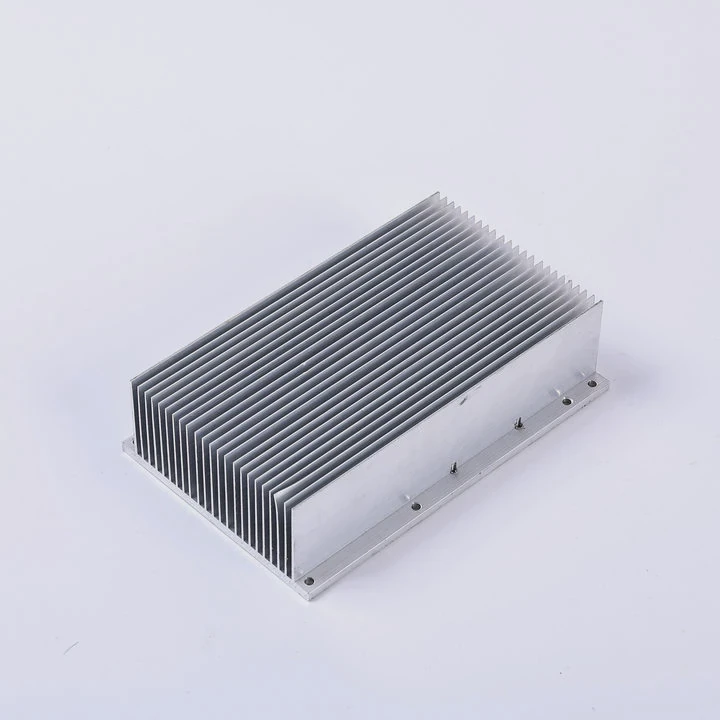
When dealing with high‑volume procurement of vapor chambers, strategic sourcing is critical because the thermal module becomes a key part of cost, performance and supply reliability:
- Cost optimization at scale: With large volumes the sourcing cost per unit, tooling amortisation, yield improvement and logistics cost become significant. A strategic approach ensures you minimise overall cost, not just per‑unit price.
- Quality & yield consistency: In high‑volume production, yield defects, material variation or supplier drift become major cost drivers. Strategic sourcing ensures you select suppliers who deliver consistent quality, have stable process, and scale well.
- Lead‑time & inventory management: With volume you cannot carry huge safety stock without cost. A strategic sourcing plan matches production rhythm, supplier capacity, and logistics to minimise stock without risking shortage.
- Innovation & lifecycle support: High‑volume applications often have multi‑year product life (EV, data centre). Strategic sourcing includes supplier roadmap, process improvement, material continuity, and cost reduction over time.
- Supply chain resilience: For large volumes any disruption has magnified impact. Strategic sourcing accounts for geopolitical risk, logistics bottlenecks, tariffs, material shortages (copper/aluminium), and supplier diversification.
- Total cost of ownership (TCO): Beyond part cost, you consider manufacturing yield, rework cost, warranty returns, service logistics, lifecycle reliability. A strategic sourcing plan views vapor chamber supply as an integral part of your product’s value chain.
Conclusion
Global sourcing of vapor chambers requires thoughtful strategy. You should choose a sourcing model (single‑source, dual, near‑shore, in‑house) that fits your volume, cost and risk profile. The region of manufacture affects lead time, cost, tariffs and resilience. Dual sourcing or near‑shoring strengthens supply chain resilience and responsiveness. For high‑volume procurement the sourcing decisions have long‑term impact on cost, quality, supply reliability and product competitiveness. A strategic sourcing plan is not optional — it is essential.
TAGS
Latest Articles

Volume discount levels for heat sink orders?
Buyers often ask when heat sink prices start to drop with volume. Many worry they’re overpaying for small orders. This guide explains how B2B volume pricing works for thermal components. Heat sink
21 Dec,2025
Heat sink long-term supply contract options?
Many buyers want stable pricing and reliable delivery for heat sinks. But without a clear contract, risks grow over time. This article explores how to secure better long-term supply deals. Long-term
21 Dec,2025
Tooling cost for new heat sink profiles?
Many engineers struggle to understand why tooling for custom heat sinks costs so much. They worry about budgeting and production timelines. This article breaks down the cost drivers behind tooling.
21 Dec,2025
Heat sink custom sample process steps?
Sometimes, starting a custom heat sink project feels overwhelming—too many steps, too many unknowns, and too many risks. You want a sample, but not endless delays. The process for requesting and
20 Dec,2025
Standard B2B terms for heat sink payments?
When buyers and sellers in B2B heat sink markets talk about payment, many don’t fully understand what’s standard. This can lead to delayed orders, miscommunication, and even lost business
20 Dec,2025
Heat sink pricing factors for large orders?
Heat sinks are vital for many systems. When prices rise, projects stall and budgets break. This problem can hit teams hard without warning. Large order heat sink pricing depends on many factors. You
20 Dec,2025Related Articles
- Common safety concerns for Vapor Chamber use?
- Best ecosystems using Vapor Chamber technology?
- Vapor Chamber intermediate storage conditions?
- Can Vapor Chamber be retrofitted easily?
- Vapor Chamber supplier evaluation criteria?
- Does Vapor Chamber need patent license?
- How to protect Vapor Chamber during transit?
- Does Vapor Chamber require ventilation space?
- Heat distribution comparison Vapor Chamber vs. heat pipe?
- Usual payment terms for Vapor Chamber orders?
- Vapor Chamber OEM price request?
- Typical Vapor Chamber mold cost?
Author
Dr. Emily Chen
Chief AI Researcher
Leading expert in thermal dynamics and AI optimization with over 15 years of experience in data center efficiency research.
Categories
Latest Products






Recommend Categories
- Liquid cooling plate Manufacturer
- Industrial Heat Sink Manufacturer
- Standard Heat Sink Manufacturer
- Aluminum Heat Sink Manufacturer
- Copper Heat Sink Manufacturer
- Anodized Heatsink Manufacturer
- Stamping heat sink Manufacturer
- Die Casting Heatsink Manufacturer
- Soldering heat sink Manufacturer
- CNC Parts Manufacturer
Latest Products
- Wholesale Aluminum Radiator
- Water Cooling Plate Kit
- Water Cooling Heat Sink
- Water Cooling Heat Sink Kit
- Stainless Steel Water Distributor
- Server Water Cooling Plate Kit
- Server Liquid Cooling System
- Server Aluminum Cooling Kit
- S19 Full Cover Cooling Plate
- S19 Cooling Plate Kit
- S19 Aluminum Cooling Plate
Contact Expert
Have questions about this article? Reach out to our experts directly.