Common safety concerns for Vapor Chamber use?
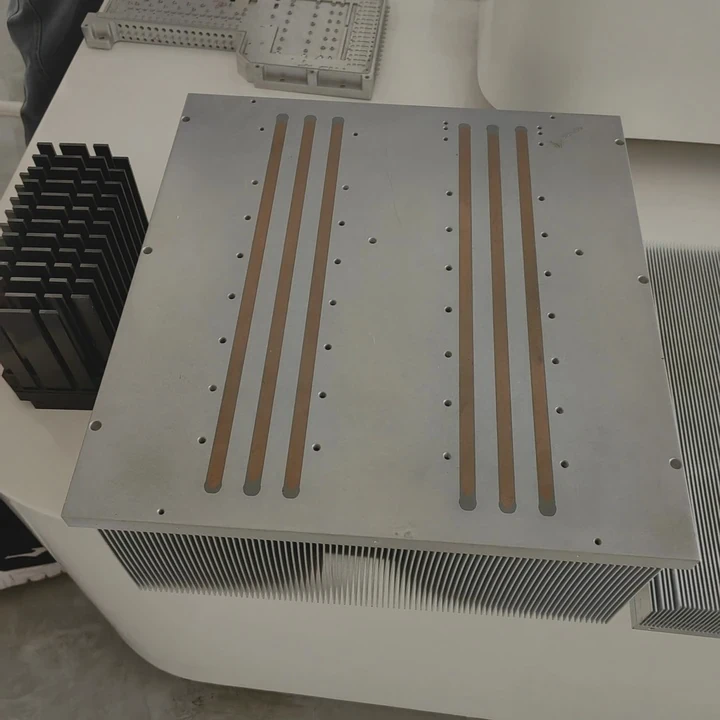
Even passive cooling modules like vapor chambers have safety risks when integrated into critical systems.
Yes — the use of a vapor chamber brings typical failure modes and risks (such as fluid leakage, thermal overload, mechanical damage) that must be managed through design, manufacturing and integration.
What are the typical failure modes or risks associated with Vapor Chambers?
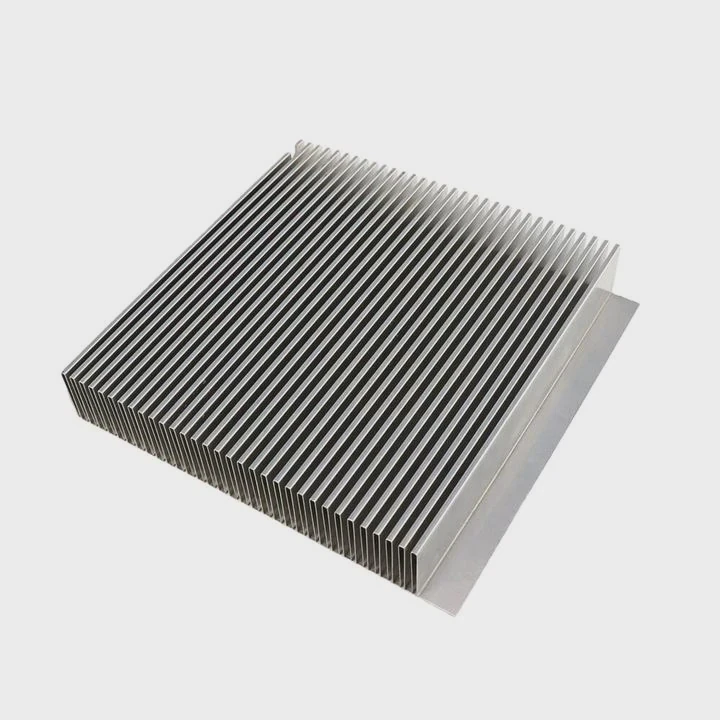
Vapor chambers can fail or degrade because of a number of reasons. Common risk modes include:
- Seal or shell leakage: If the chamber shell or weld/brazed joint is compromised, working fluid may escape or non‑condensables may enter, reducing heat transfer performance and reliability.
- Dry‑out or wick dysfunction: The internal wick or capillary network may fail due to contamination, corrosion, or mechanical stress, preventing liquid return to the evaporator section and leading to overheating or thermal runaway.
- Corrosion or material fatigue: Exposure to humidity, temperature cycling, or vibration may degrade the shell, wick or internal fluid and reduce performance over time.
- Thermal overload: If the heat input exceeds the rated capacity of the vapor chamber (critical heat flux), rapid temperature rise may occur, potentially damaging surrounding components or the chamber itself.
- Mechanical deformation or mis‑mounting: Bending or warping the vapor chamber or improper mounting may reduce contact area, create hotspots or damage internal structure.
Recognising these risks allows engineers to build tolerances, testing, and quality controls to mitigate them.
How can thermal runaway or fluid leakage be prevented in Vapor Chambers?
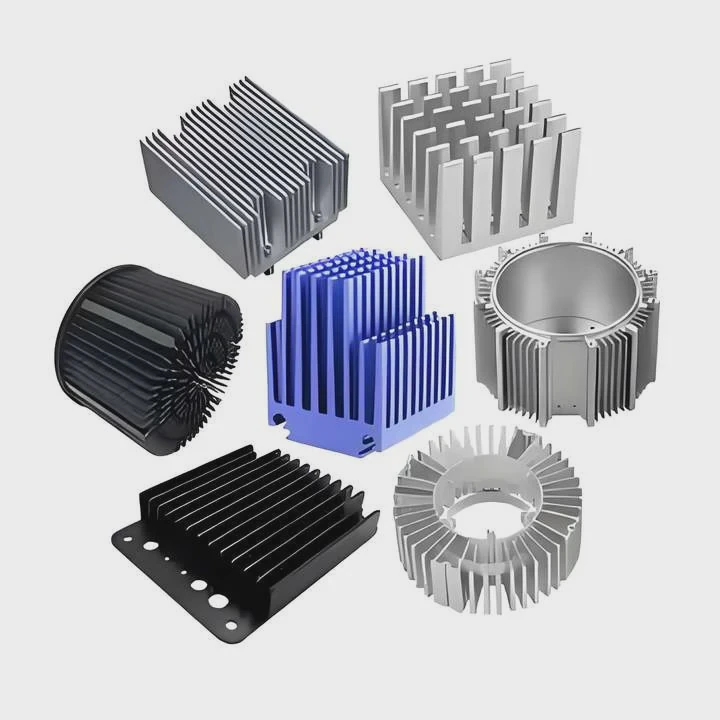
Prevention of leakage and thermal failure requires careful attention throughout design, manufacturing, and system integration.
Key prevention measures
- Ensure hermetic sealing during manufacture, followed by leak testing to detect any weak joints or defects.
- Use wick, shell material, and working fluid combinations that match the expected thermal load, orientation, and ambient conditions.
- Design with sufficient thermal headroom so that the system does not operate continuously at the chamber’s maximum capacity.
- Integrate thermal protection such as sensors, shutdown logic, or redundant cooling paths to handle excess heat or chamber degradation.
- Specify proper interface and mounting conditions: correct flatness, uniform pressure, proper thermal interface material. Mis‑contact or inadequate TIM may lead to hotspots and failure.
- Ensure the system allows for safe containment or mitigation of small leaks, even though the fluids are generally inert, to avoid contamination or short‑circuit risks in electronic systems.
By embedding these prevention practices into the supply chain and system design, leakage and thermal runaway can be significantly reduced.
Can mechanical shock or vibration create safety hazards in Vapor Chamber‑equipped systems?
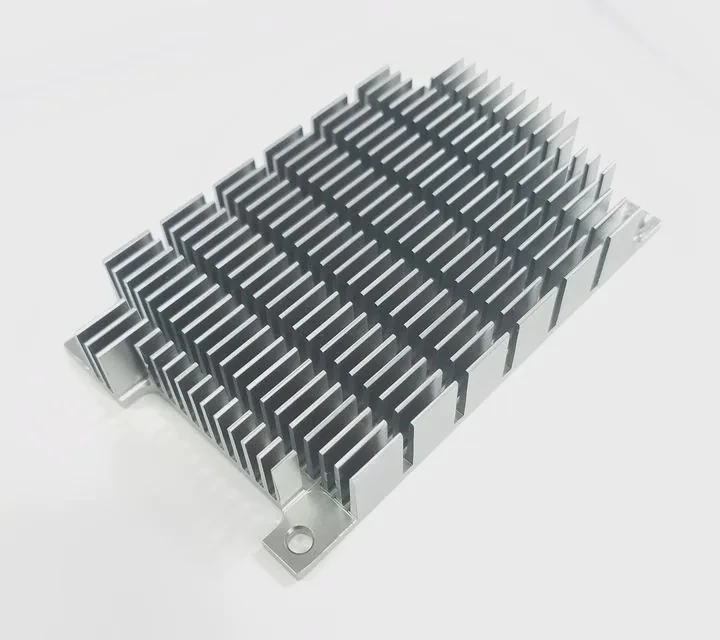
Yes — mechanical stress from shock or vibration can compromise vapor chamber integrity or lead to safety hazards within integrated systems.
Mechanical risks
- Deformation: If the chamber is bent or flexed beyond tolerance, its flatness and interface effectiveness degrade, increasing thermal resistance and hotspot risk.
- Seal fatigue: Continuous vibration may fatigue the welds or braze joints, causing micro‑leaks, gradual performance drop or sudden failure.
- Fluid or wick displacement: In orientations or shock events not considered in the design, fluid may accumulate incorrectly or wick may be unable to return liquid efficiently, causing dry‑out.
- Mounting stress: Uneven pressure or impacts may compromise mechanical or thermal interface, leading to mechanical damage or electrical issues in adjacent components.
- Secondary hazards: If the chamber fails and causes overheating of a power module or battery, the downstream systems (e.g., battery packs) may face elevated risk.
Systems in harsh environments — automotive, aerospace, rail, industrial machinery — must explicitly verify that vapor chambers meet vibration, shock and thermal cycling requirements, and mounting strategy must account for mechanical and safety margins.
Why must safety standards be reviewed when integrating Vapor Chambers in critical systems?
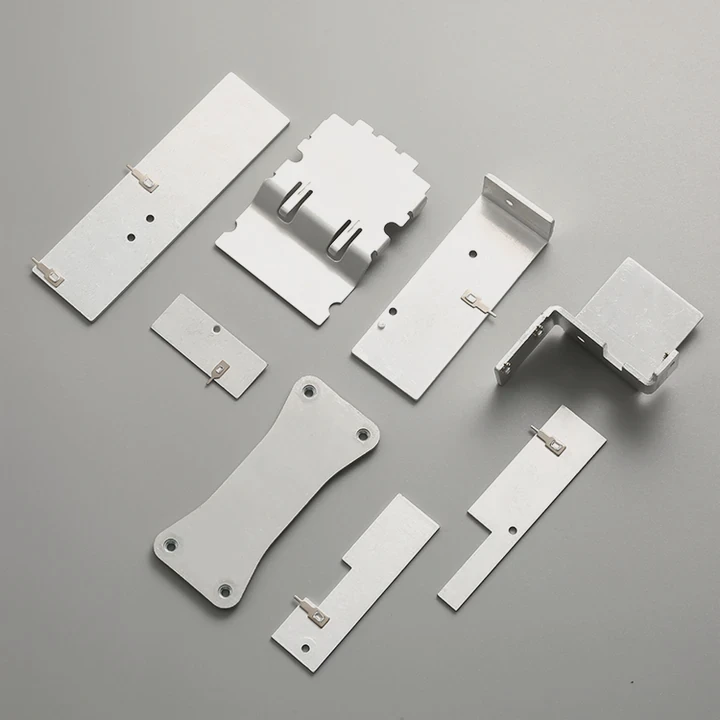
In critical systems such as aerospace, medical devices, automotive, or industrial control systems, cooling modules like vapor chambers must comply with broader safety and reliability standards.
Reasons to review standards
- Regulatory compliance: Systems may fall under certifications or industry standards (ISO, IEC, automotive/rail safety norms). Cooling modules must not compromise compliance.
- System safety and reliability: A vapor chamber failure may lead to overheating, electronics failure or thermal events. The cooling solution must be designed with safety‑critical failure modes in mind.
- Traceability and quality governance: For critical systems, each unit needs production records, test results, and material traceability to support audits and field maintenance.
- Integration risk: The cooling component interacts with other domains (electronics, batteries, mechanical enclosures). Safety analysis must include the cooling subsystem—for example, what happens if the chamber degrades or fails?
- Lifecycle and environmental stress: Critical systems must serve long lifetimes under cycling, vibration, temperature extremes. The cooling solution must be validated accordingly.
Practical steps
- Request supplier documentation of vibration/shock testing, thermal cycling performance, seal integrity and warranty performance.
- Include a failure mode analysis (FMEA) for the vapor chamber within the system’s overall safety analysis.
- Define installation, verification, and in‑service inspection requirements for the chamber.
- Ensure that the cooling path either meets or exceeds the expected life and usage conditions of the system.
Conclusion
Cooling modules based on vapor chambers offer outstanding performance, but they cannot be treated as passive components without risk. Key safety concerns include seal and wick integrity, thermal overload, fluid or internal damage, and mechanical stress. When used in critical systems, these concerns must be addressed via rigorous design, manufacturing, integration and compliance processes. With appropriate controls in place, vapor chambers can be used confidently and safely in high‑reliability applications.
TAGS
Latest Articles

Volume discount levels for heat sink orders?
Buyers often ask when heat sink prices start to drop with volume. Many worry they’re overpaying for small orders. This guide explains how B2B volume pricing works for thermal components. Heat sink
21 Dec,2025
Heat sink long-term supply contract options?
Many buyers want stable pricing and reliable delivery for heat sinks. But without a clear contract, risks grow over time. This article explores how to secure better long-term supply deals. Long-term
21 Dec,2025
Tooling cost for new heat sink profiles?
Many engineers struggle to understand why tooling for custom heat sinks costs so much. They worry about budgeting and production timelines. This article breaks down the cost drivers behind tooling.
21 Dec,2025
Heat sink custom sample process steps?
Sometimes, starting a custom heat sink project feels overwhelming—too many steps, too many unknowns, and too many risks. You want a sample, but not endless delays. The process for requesting and
20 Dec,2025
Standard B2B terms for heat sink payments?
When buyers and sellers in B2B heat sink markets talk about payment, many don’t fully understand what’s standard. This can lead to delayed orders, miscommunication, and even lost business
20 Dec,2025
Heat sink pricing factors for large orders?
Heat sinks are vital for many systems. When prices rise, projects stall and budgets break. This problem can hit teams hard without warning. Large order heat sink pricing depends on many factors. You
20 Dec,2025Related Articles
- Best ecosystems using Vapor Chamber technology?
- Vapor Chamber intermediate storage conditions?
- Can Vapor Chamber be retrofitted easily?
- Vapor Chamber supplier evaluation criteria?
- Does Vapor Chamber need patent license?
- Vapor Chamber manufacturing time estimation?
- Vapor Chamber global sourcing strategies?
- How to protect Vapor Chamber during transit?
- Does Vapor Chamber require ventilation space?
- Heat distribution comparison Vapor Chamber vs. heat pipe?
- Usual payment terms for Vapor Chamber orders?
- Vapor Chamber OEM price request?
Author
Dr. Emily Chen
Chief AI Researcher
Leading expert in thermal dynamics and AI optimization with over 15 years of experience in data center efficiency research.
Categories
Latest Products






Recommend Categories
- Liquid cooling plate Manufacturer
- Industrial Heat Sink Manufacturer
- Standard Heat Sink Manufacturer
- Aluminum Heat Sink Manufacturer
- Copper Heat Sink Manufacturer
- Anodized Heatsink Manufacturer
- Stamping heat sink Manufacturer
- Die Casting Heatsink Manufacturer
- Soldering heat sink Manufacturer
- CNC Parts Manufacturer
Latest Products
- Wholesale Aluminum Radiator
- Water Cooling Plate Kit
- Water Cooling Heat Sink
- Water Cooling Heat Sink Kit
- Stainless Steel Water Distributor
- Server Water Cooling Plate Kit
- Server Liquid Cooling System
- Server Aluminum Cooling Kit
- S19 Full Cover Cooling Plate
- S19 Cooling Plate Kit
- S19 Aluminum Cooling Plate
Contact Expert
Have questions about this article? Reach out to our experts directly.