Vapor Chamber intermediate storage conditions?
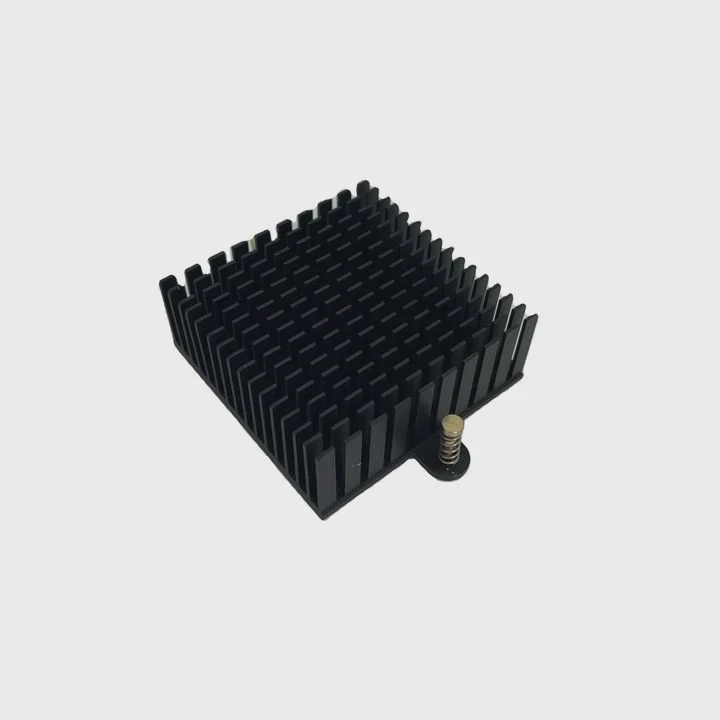
Incorrect storage of vapor chambers before assembly can silently degrade performance and lead to unexpected failures.
Proper storage conditions — especially temperature, humidity, duration, and handling — are important to maintain vacuum integrity, wick performance and reliability of a vapor chamber.
Below we explore recommended storage conditions, storage duration limits, effects of improper storage, and why inventory planning matters for quality control.
What storage temperature and humidity are recommended for Vapor Chambers in inventory?
Maintaining controlled storage conditions helps preserve the internal vacuum, prevent corrosion, and protect the wick structure.
Recommended storage conditions for vapor chambers are a moderate temperature (typically ~ 15‑30 °C) and low relative humidity (≤ 60 %) with stable environment and packaging to protect from moisture ingress and mechanical stress.
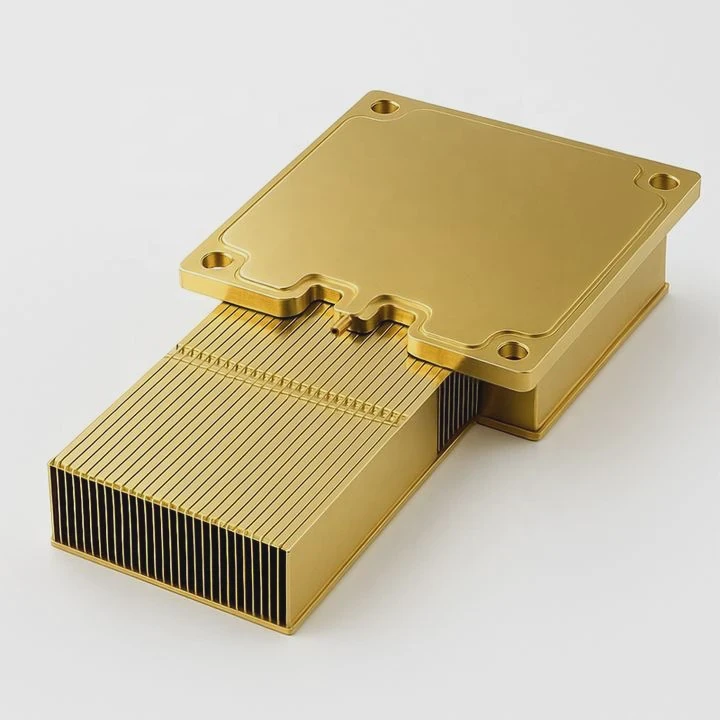
Key guidelines
- Store in a dry, controlled environment. High humidity can encourage corrosion of the metal shell or wick, or allow moisture ingress through seals.
- Avoid extreme temperatures (hot or cold) which may stress the sealed enclosure, cause expansion/contraction cycles, or degrade internal fluid and wick.
- Use sealed, desiccated packaging or vacuum‑sealed bags with moisture absorber (silica gel) if stored for longer period.
- Avoid direct exposure to sunlight or UV, rapid changes of temperature, or storage in un‑conditioned warehouse spaces where dew‑point can vary, as this may lead to condensation on the surface or inside the package when opened.
- Prefer upright storage or in the orientation recommended by the manufacturer to avoid mechanical distortion of the wick or re‑distribution of internal fluid.
Though I didn’t find a publicly published “industry standard” specific to vapor chambers detailing exact temperature/humidity limits, general best practice for sealed two‑phase thermal modules applies: control RH, avoid freezing or overheating, and maintain stable conditions.
Practical note
If the supplier provides sealed protective packaging (vacuum bag with inert atmosphere or desiccant) keep the unit unopened until assembly to preserve the internal vacuum and working fluid condition.
How long can Vapor Chambers be stored before performance is affected?
Even in good storage conditions, sealed two‑phase devices are subject to long‑term changes such as slow permeation, wick oxidation, or loss of vacuum.
Vapor chambers can typically be stored for several months to a year under proper conditions without significant performance degradation; beyond that, shelf‑life should be reviewed and performance verification becomes advisable.
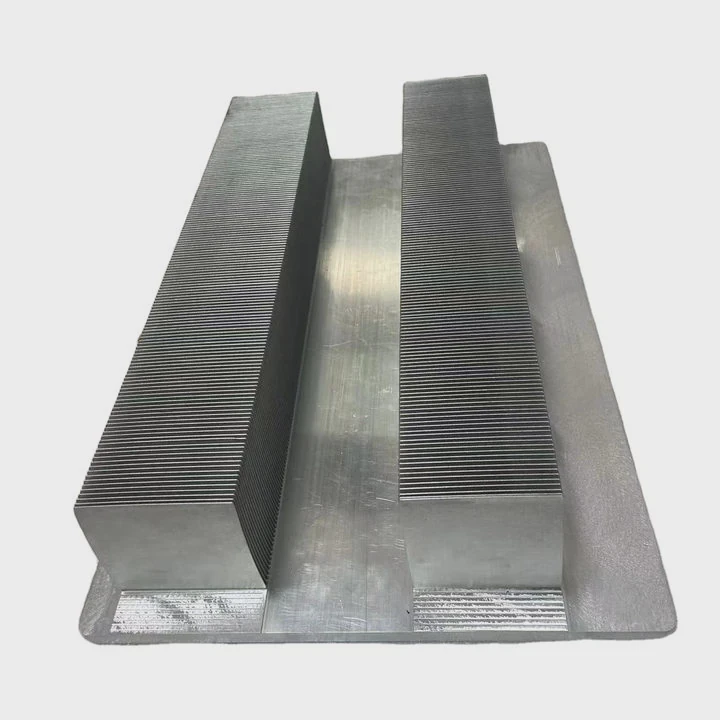
Considerations
- The internal vacuum seal may degrade slowly over time due to diffusion or tiny leaks. While high‑quality chambers show excellent vacuum retention, it is not infinite.
- The working fluid may migrate or settle, especially if the chamber is stored in an orientation different from its intended use. Over long durations this could affect thermal performance.
- The wick structure may accumulate dust, moisture or oxidise if exposed to high humidity or un‑sealed environment.
- For very long storage (multiple years) it’s prudent to test key performance parameters (leak rate, thermal resistance, flatness, internal pressure) before installation.
- Manufacturers of similar sealed thermal devices often recommend a “use‑by” period or at least inspection after storage beyond 12‑24 months, even if sealed. Although I found no specific “expiry” for vapor chambers in the literature, good practice is to treat inventory older than 12 months as requiring verification.
Inventory check‑list
- Date of receipt and storage start recorded
- Packaging integrity inspected periodically
- Sample test units taken after long storage to validate performance
- Rotate stock (“first in, first out”) to avoid long dormancy of some units
Can improper storage degrade Vapor Chamber vacuum or wick structure?
Yes. Poor storage conditions can cause mechanical, chemical or physical changes that degrade performance of vapor chambers.
Improper storage (high humidity, wide temperature swings, mechanical shock, un‑sealed packaging) can degrade vacuum integrity, wick capillaries can oxidise or block, internal fluid may migrate and shell warping may occur — all reducing performance or causing failure.
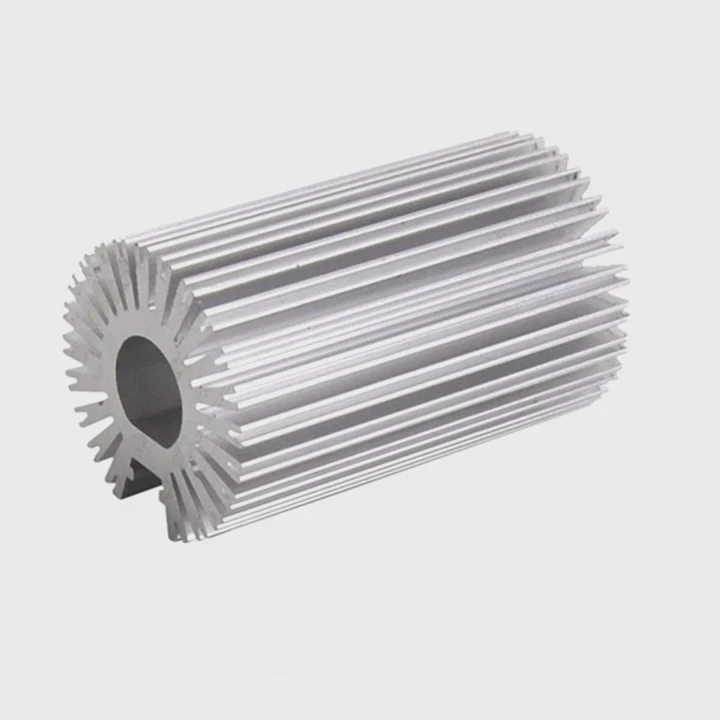
How degradation occurs
- Vacuum loss: If the seal is challenged by thermal cycling, moisture ingress or mechanical stress, non‑condensable gas may enter the chamber and reduce its effectiveness. The internal working cycle depends on maintaining low pressure and absence of NCGs.
- Wick/capillary damage: Moisture or contaminants may settle in the wick pores, reducing capillary return flow. Oxidation of metal wick structures (e.g., copper) can increase resistance and reduce performance.
- Fluid migration or redistribution: If stored inverted or on side for long periods, the working fluid may pool or settle away from the intended evaporator region. On subsequent use, the chamber may dry‑out or have sub‑optimal fluid distribution.
- Shell deformation: If stored in highly fluctuating temperatures or under mechanical pressure (stacking heavy items on top), the thin walls of a vapor chamber may warp, causing interface misfit or compromised flatness.
- Condensation risk: If stored in high humidity then moved to cooler ambient, condensation may form on the external shell or enter packaging when opened. This increases corrosion risk, and may lead to internal contamination when opened.
Real‑world caution
– A chamber stored for months in a hot warehouse (35 °C, 80% RH), then quickly installed may show increased thermal resistance or reduced performance, because the capillary structure may have degraded.
– Assemblies that require ultra‑thin vapor chambers (e.g., ≤ 2 mm thick) are especially sensitive to warpage or packaging compression during storage.
Why is inventory storage planning important for Vapor Chamber quality control?
Effective inventory management is not just logistics overhead — it is a key part of assuring product performance, supply reliability and cost control for vapor chamber implementations.
Storage planning ensures product reliability, maintains performance specifications, avoids hidden failures in the field, supports traceability, and reduces costs associated with returns or warranty claims.
Why planning matters
- Performance consistency: If vapor chambers degrade during storage, you may install sub‑standard units thinking they are new. This affects product thermal performance, leads to overheating, reliability failures and reputational risk.
- Cost of rework/failure: A defective vapor chamber in the field may cost far more than the component price — including product downtime, warranty processing, customer dissatisfaction, replacements. Proper storage lowers this risk.
- Traceability & quality audits: Good inventory planning links part lot numbers with storage conditions, packaging date, storage duration. This traceability supports root‑cause if issues arise and helps meet customer or regulatory audit requirements.
- Stock rotation and obsolescence: If vapor chambers are stocked for long periods, technology or specification may change; storage planning helps ensure first‑in, first‑out, prevents long ageing stock which may degrade or become obsolete.
- Manufacturing & supply chain rate matching: When you ramp production, insufficient storage controls may create supply bottlenecks or quality drops. Planning storage conditions ensures inventory is ready, qualified and reliable when needed.
Inventory control actions
- Define max storage time (e.g., 12 months) and plan rotation.
- Monitor and log temperature, humidity of storage area.
- Inspect packaging integrity at intervals.
- Sample units after storage period to verify leakage, thermal resistance.
- Keep storage records linked to supplier batch and lot number.
Conclusion
Proper intermediate storage of vapor chambers is essential for maintaining performance and reliability. The recommended environment is moderate temperature (~15‑30 °C), low humidity (≤ 60 %), sealed packaging with desiccant, and controlled orientation. Although vapor chambers can often sit in storage for months without issue, long‑term storage beyond 12‑24 months may require verification of vacuum, wick integrity and thermal performance. Improper storage can degrade vacuum, wick structures, internal fluid distribution and shell integrity. Effective storage planning is a critical quality control step, ensuring that every part installed meets the specification and avoids costly field failures or warranty claims.
TAGS
Latest Articles

Volume discount levels for heat sink orders?
Buyers often ask when heat sink prices start to drop with volume. Many worry they’re overpaying for small orders. This guide explains how B2B volume pricing works for thermal components. Heat sink
21 Dec,2025
Heat sink long-term supply contract options?
Many buyers want stable pricing and reliable delivery for heat sinks. But without a clear contract, risks grow over time. This article explores how to secure better long-term supply deals. Long-term
21 Dec,2025
Tooling cost for new heat sink profiles?
Many engineers struggle to understand why tooling for custom heat sinks costs so much. They worry about budgeting and production timelines. This article breaks down the cost drivers behind tooling.
21 Dec,2025
Heat sink custom sample process steps?
Sometimes, starting a custom heat sink project feels overwhelming—too many steps, too many unknowns, and too many risks. You want a sample, but not endless delays. The process for requesting and
20 Dec,2025
Standard B2B terms for heat sink payments?
When buyers and sellers in B2B heat sink markets talk about payment, many don’t fully understand what’s standard. This can lead to delayed orders, miscommunication, and even lost business
20 Dec,2025
Heat sink pricing factors for large orders?
Heat sinks are vital for many systems. When prices rise, projects stall and budgets break. This problem can hit teams hard without warning. Large order heat sink pricing depends on many factors. You
20 Dec,2025Related Articles
- Can Vapor Chamber be retrofitted easily?
- Vapor Chamber supplier evaluation criteria?
- Does Vapor Chamber need patent license?
- Vapor Chamber manufacturing time estimation?
- Standard rejection rate for Vapor Chamber?
- Can Vapor Chamber lower manufacturing costs?
- Best ecosystems using Vapor Chamber technology?
- Common safety concerns for Vapor Chamber use?
- Vapor Chamber global sourcing strategies?
- How to protect Vapor Chamber during transit?
- Does Vapor Chamber require ventilation space?
- Heat distribution comparison Vapor Chamber vs. heat pipe?
Author
Dr. Emily Chen
Chief AI Researcher
Leading expert in thermal dynamics and AI optimization with over 15 years of experience in data center efficiency research.
Categories
Latest Products






Recommend Categories
- Liquid cooling plate Manufacturer
- Industrial Heat Sink Manufacturer
- Standard Heat Sink Manufacturer
- Aluminum Heat Sink Manufacturer
- Copper Heat Sink Manufacturer
- Anodized Heatsink Manufacturer
- Stamping heat sink Manufacturer
- Die Casting Heatsink Manufacturer
- Soldering heat sink Manufacturer
- CNC Parts Manufacturer
Latest Products
- Wholesale Aluminum Radiator
- Water Cooling Plate Kit
- Water Cooling Heat Sink
- Water Cooling Heat Sink Kit
- Stainless Steel Water Distributor
- Server Water Cooling Plate Kit
- Server Liquid Cooling System
- Server Aluminum Cooling Kit
- S19 Full Cover Cooling Plate
- S19 Cooling Plate Kit
- S19 Aluminum Cooling Plate
Contact Expert
Have questions about this article? Reach out to our experts directly.