Best simulation software for Vapor Chamber?
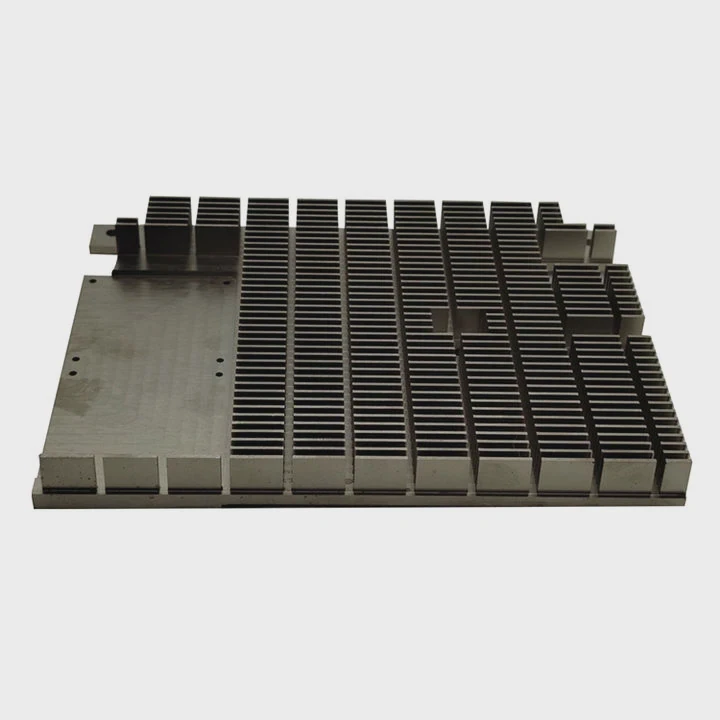
Designing vapor chambers demands accurate thermal modelling to ensure performance and reliability. Without good simulation tools, designers may waste time building prototypes that fail.
Some simulation software stand out for vapor chamber thermal modelling, especially CFD and multiphysics tools like COMSOL Multiphysics, Simcenter STAR-CCM+, Simcenter Flotherm / FLOEFD, and electronics-focused tools like 6SigmaET.
Below I explore how they apply, how accurate they are, and whether suppliers provide simulation services.
Which simulation software is best for Vapor Chamber thermal modelling?
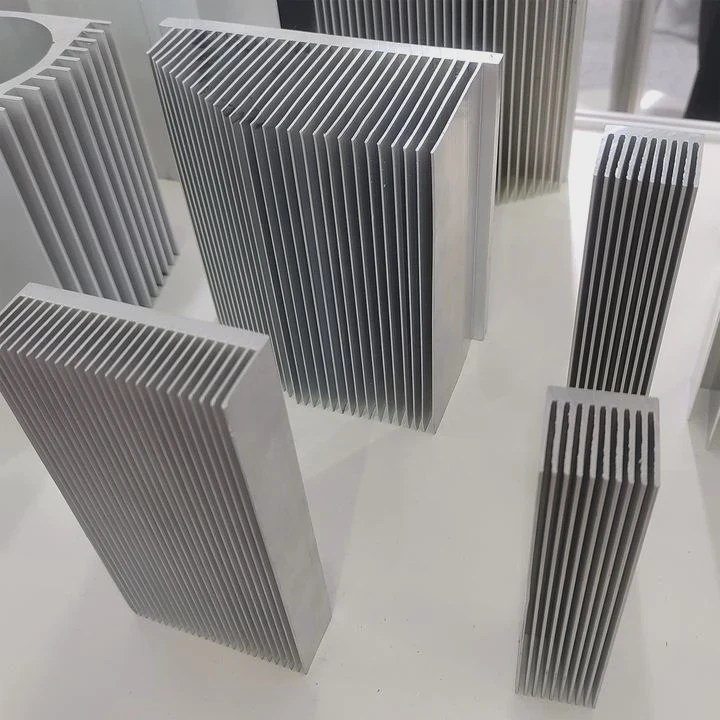
Thermal modelling of vapor chambers requires simulating heat conduction, potential phase-change behavior, and integration with surrounding components (heat sources, heat sinks, ambient environment). Some software packages handle these demands better than others.
COMSOL Multiphysics works well because it supports fluid flow, heat transfer, porous‑media flow, multiphysics coupling, and even two‑phase flow if needed.
Simcenter STAR‑CCM+ / Flotherm / FLOEFD are widely used in electronics cooling and thermal design for their CFD and heat‑transfer capabilities, and they support complex geometries, conjugate heat transfer, multi‑domain modelling, and embedded CFD inside CAD tools.
6SigmaET is another good option when you want faster, electronics‑oriented thermal simulation (PCB, enclosure, heat sinks, etc.), though it may rely on simplified conduction or convection models rather than fully detailed two‑phase vapor behavior.
Here is a quick comparison table:
| Software | Key Feature | Suitable for | Phase Change Support |
|---|---|---|---|
| COMSOL | Multiphysics + custom physics setups | Advanced R&D, labs | Yes |
| STAR-CCM+ | High-fidelity CFD + thermal | Automotive, aerospace | Partial |
| Flotherm | Electronics cooling (thermal focus) | Consumer electronics, PCBs | No |
| 6SigmaET | Fast electronics-specific simulation | Early design, quick evaluation | No |
| ANSYS Icepak | Electronics thermal + detailed meshing | Detailed component modelling | Limited |
Can CFD tools accurately model Vapor Chamber behaviour?
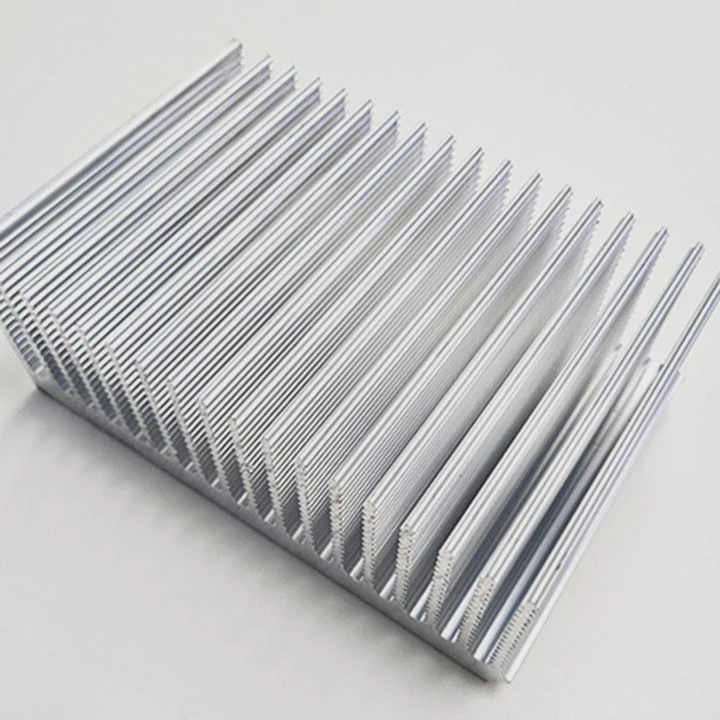
CFD tools can approximate vapor chamber behavior — but with caveats.
Yes, CFD tools can model vapor chamber behavior, especially by using simplified models such as effective anisotropic thermal conductivity to simulate the core region.
Directly modelling the full two‑phase evaporation and condensation process is difficult and computationally expensive. Many use simplified models that treat the vapor core as a solid block with directionally higher conductivity.
This method predicts heat spreading and temperature gradients reasonably well in practical applications.
However, it lacks insight into:
- Capillary flow through wick structures
- Local dry-out phenomena
- Transient startup behavior
Advanced multiphysics tools (e.g. COMSOL, OpenFOAM with custom solvers) are needed to model these, but come at much higher computational cost.
For general engineering use, the simplified CFD model is accurate enough if calibrated against experiment or manufacturer data.
Are multi-physics simulations needed for Vapor Chambers?
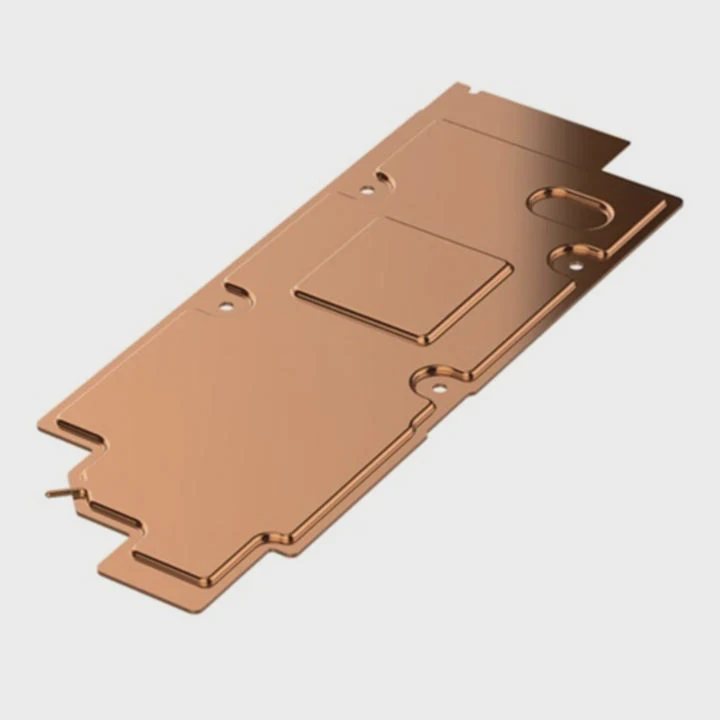
When vapor chambers are part of complex systems (servers, EV batteries, avionics), single-physics models miss interactions.
Yes, multi-physics simulation is often required to capture coupled effects between fluid flow, heat conduction, phase change, and structural behavior.
Multiphysics models help understand:
- How heat moves through solids and vapor spaces
- How fluid moves in porous wick regions
- What happens during power spikes or startup
- Whether thermal expansion causes stress or contact loss
A common approach:
- Thermal conduction model — quick estimates of spreading
- Conjugate heat transfer (CFD) — when airflow or contact is critical
- Two-phase multiphysics model — for high-power, mission-critical systems
Here’s a simplified decision guide:
| Application Type | Simulation Needed | Software Suggested |
|---|---|---|
| Consumer electronics | Thermal + basic CFD | Flotherm, 6SigmaET |
| Industrial control systems | Thermal + airflow + structure | Simcenter STAR-CCM+ |
| Aerospace / defense systems | Multiphysics (thermal, 2-phase) | COMSOL, ANSYS TwinBuilder |
| New vapor chamber design | Full two-phase modeling | COMSOL with Porous Media |
Do suppliers offer simulation service for Vapor Chambers?
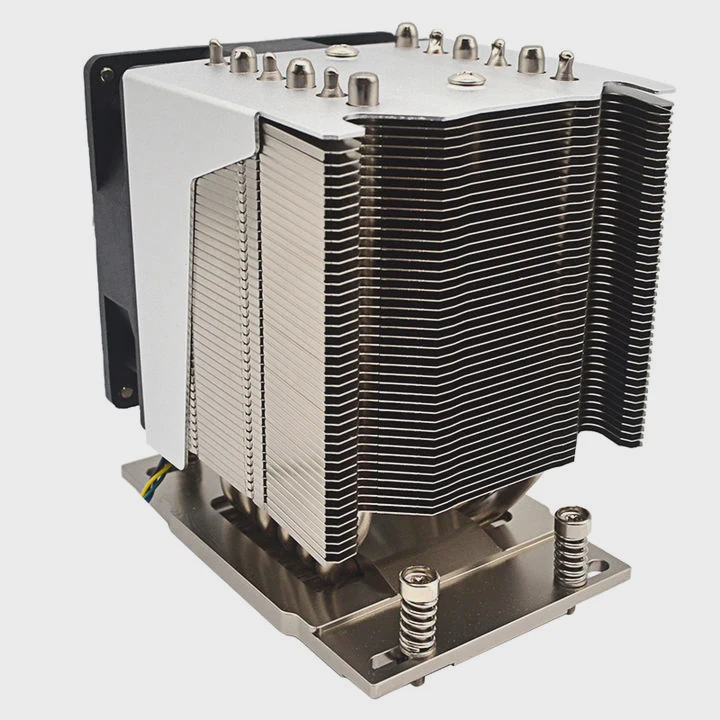
Not all companies have in-house thermal modelling expertise. Reliable suppliers may fill that gap.
Yes, many vapor chamber or heat sink suppliers offer CFD or simulation services to assist with thermal design and integration.
These services include:
- Geometry optimization
- Heat source mapping
- Airflow and pressure drop simulations
- Thermal spreading validation
- Proposal of layout and component placement
Large thermal module suppliers or ODMs often use tools like Flotherm, STAR‑CCM+, and 6SigmaET to provide simulation reports along with mechanical and electrical integration advice.
Benefits of supplier simulations:
- No need to learn complex tools in-house
- Faster prototyping and validation
- Better matching between theory and final product
- Improved first-time-right designs
Here’s what a typical supplier-provided simulation report includes:
| Section | Description |
|---|---|
| Project Summary | Overview of system, goals, constraints |
| Geometry and Setup | 3D models, boundary conditions, power inputs |
| Thermal Performance Map | Temperature distribution, hotspots |
| Comparison of Concepts | Performance of design options |
| Recommendations | Suggested changes to layout or chamber structure |
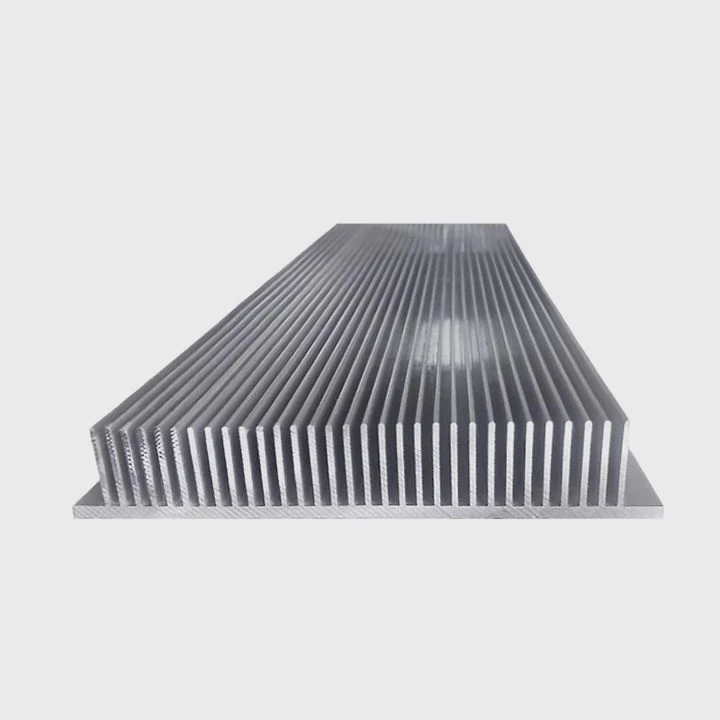
When evaluating a supplier, ask:
- Which software tools do they use?
- Can they model your exact heat load and usage scenario?
- How quickly can they return design iterations?
- Do they provide simulation with validation?
Conclusion
To simulate vapor chambers well, choose tools that match your design stage and goals. Use simplified CFD models for early exploration, and move to multiphysics when details matter. Partnering with suppliers for simulation helps reduce cost and shorten timelines.
TAGS
Latest Articles

Volume discount levels for heat sink orders?
Buyers often ask when heat sink prices start to drop with volume. Many worry they’re overpaying for small orders. This guide explains how B2B volume pricing works for thermal components. Heat sink
21 Dec,2025
Heat sink long-term supply contract options?
Many buyers want stable pricing and reliable delivery for heat sinks. But without a clear contract, risks grow over time. This article explores how to secure better long-term supply deals. Long-term
21 Dec,2025
Tooling cost for new heat sink profiles?
Many engineers struggle to understand why tooling for custom heat sinks costs so much. They worry about budgeting and production timelines. This article breaks down the cost drivers behind tooling.
21 Dec,2025
Heat sink custom sample process steps?
Sometimes, starting a custom heat sink project feels overwhelming—too many steps, too many unknowns, and too many risks. You want a sample, but not endless delays. The process for requesting and
20 Dec,2025
Standard B2B terms for heat sink payments?
When buyers and sellers in B2B heat sink markets talk about payment, many don’t fully understand what’s standard. This can lead to delayed orders, miscommunication, and even lost business
20 Dec,2025
Heat sink pricing factors for large orders?
Heat sinks are vital for many systems. When prices rise, projects stall and budgets break. This problem can hit teams hard without warning. Large order heat sink pricing depends on many factors. You
20 Dec,2025Related Articles
- Vapor Chamber requirements for CE marking?
- Can Vapor Chamber be welded?
- Standard cost of Vapor Chamber tooling?
- How to optimize Vapor Chamber mass production?
- Are there patented Vapor Chamber designs?
- Vapor Chamber 3D modeling guidelines?
- Vapor Chamber compliance with fire safety?
- Vapor Chamber choice for embedded systems
- Does Vapor Chamber need periodic cleaning?
- Vapor Chamber heat spreading comparison?
- Can Vapor Chamber fail under stress?
- Vapor Chamber flatness measurement process
Author
Dr. Emily Chen
Chief AI Researcher
Leading expert in thermal dynamics and AI optimization with over 15 years of experience in data center efficiency research.
Categories
Latest Products






Recommend Categories
- Liquid cooling plate Manufacturer
- Industrial Heat Sink Manufacturer
- Standard Heat Sink Manufacturer
- Aluminum Heat Sink Manufacturer
- Copper Heat Sink Manufacturer
- Anodized Heatsink Manufacturer
- Stamping heat sink Manufacturer
- Die Casting Heatsink Manufacturer
- Soldering heat sink Manufacturer
- CNC Parts Manufacturer
Latest Products
- Wholesale Aluminum Radiator
- Water Cooling Plate Kit
- Water Cooling Heat Sink
- Water Cooling Heat Sink Kit
- Stainless Steel Water Distributor
- Server Water Cooling Plate Kit
- Server Liquid Cooling System
- Server Aluminum Cooling Kit
- S19 Full Cover Cooling Plate
- S19 Cooling Plate Kit
- S19 Aluminum Cooling Plate
Contact Expert
Have questions about this article? Reach out to our experts directly.