Does Vapor Chamber need periodic cleaning?
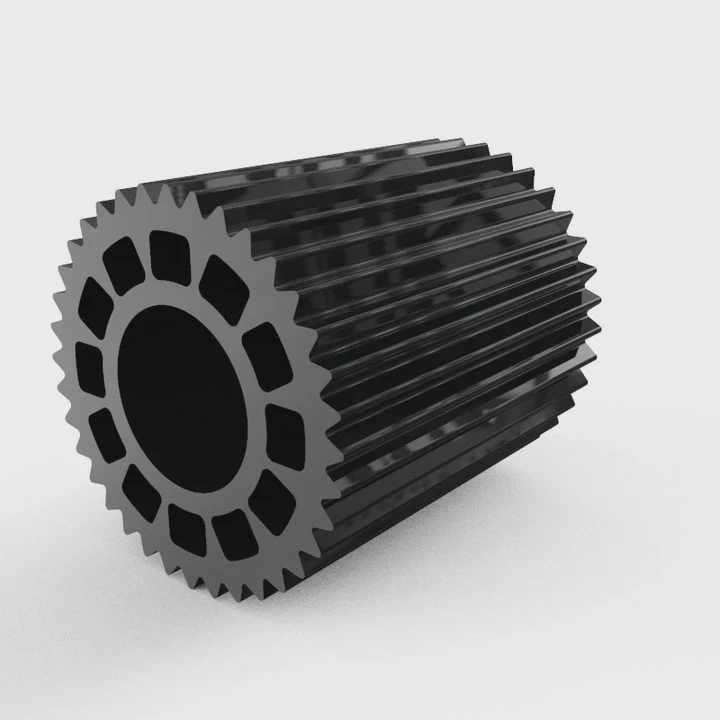
Vapor chambers often run silently behind the scenes. But over time, hidden buildup could silently hurt performance — unless someone asks the right question.
No — vapor chambers are sealed units and do not require periodic cleaning under normal usage.
This article clears up common confusion about vapor chamber maintenance, what can go wrong, and what to do if contamination occurs.
Is periodic cleaning required for Vapor Chambers?
Some engineers ask if they need to open and clean vapor chambers like filters or heat sinks.
No — vapor chambers are factory-sealed and maintenance-free unless damaged or compromised.
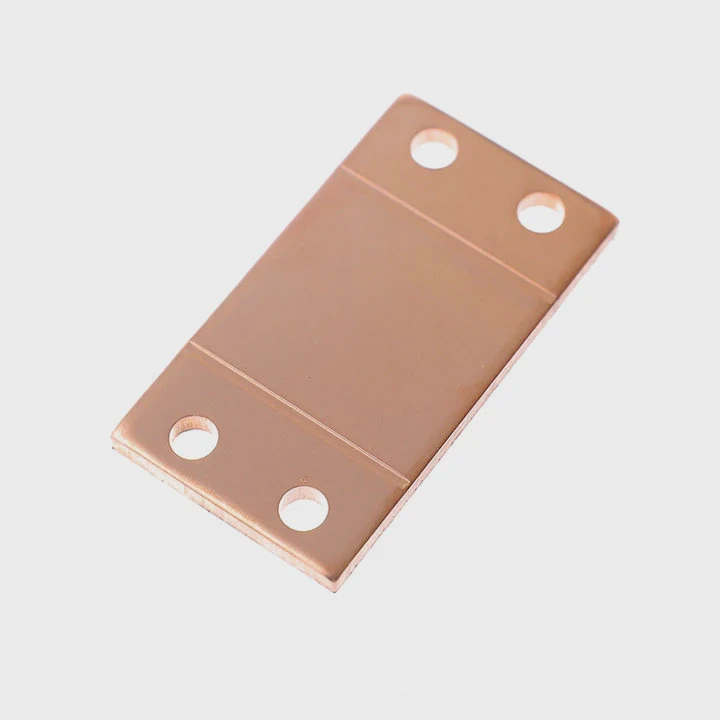
Vapor chambers are closed-loop devices. Once sealed, they contain a fixed amount of working fluid and internal wick. The external shell is made of copper, stainless steel, or other metals, often nickel-plated.
There’s no way to open them without destroying the vacuum or disrupting internal pressure. This means:
- You cannot open a vapor chamber for cleaning
- There is no need to clean the inside under normal conditions
- If the outside is dusty, a gentle wipe is enough
Cleaning the outer surface is sometimes useful if there’s visible buildup. But never submerge, sandblast, or apply strong solvents, as these can damage the plating or leak-proof seams.
Summary Table
| Part | Cleaning Needed? | Method |
|---|---|---|
| Interior chamber | ❌ No | Sealed unit |
| Outer surface | ✅ Maybe | Dry cloth or IPA wipe |
| Mounting area | ✅ Yes | Clean to ensure good contact |
Unless the vapor chamber has suffered corrosion, puncture, or performance drop, there’s no reason to clean it.
What contaminants may affect Vapor Chamber performance?
Some engineers report hot spots, lower efficiency, or odd behavior — and wonder if contamination is the cause.
Yes — internal contamination during manufacturing can reduce efficiency, but external dirt rarely causes performance loss.
Contamination issues fall into two types:
1. Internal Contaminants (Manufacturing Defects)
These include:
- Residual machining oil
- Dust or metal particles from processing
- Oxidation or outgassing residues
- Improper fluid purity
If any of these remain inside before sealing, they may cause:
- Reduced evaporation-condensation efficiency
- Pressure instability
- Wick blockage
- Gas generation inside (leading to swelling or pressure shift)
2. External Contaminants (In Use)
These include:
- Dust buildup on outer surface
- Corrosion from humid environments
- Thermal paste residue or poor interface cleaning
While the exterior doesn’t affect vapor movement, it can block heat transfer into or out of the chamber. For example, dried TIM (thermal interface material) can reduce surface contact, causing higher ΔT.
How to Prevent Problems
- Ensure the chamber is sealed with proper vacuum conditions
- Avoid installing near corrosive gases or high-humidity zones
- Keep mounting surfaces clean and flat
- Use proper thermal paste and apply it evenly
If contamination is suspected, the best option is often replacement — not cleaning.
Can cleaning extend Vapor Chamber lifespan?
It’s natural to think maintenance might help. But the reality for vapor chambers is different from moving machines.
No — cleaning does not extend lifespan because vapor chambers have no moving parts and are hermetically sealed.
Their life span depends on:
- Sealing integrity
- Fluid stability
- Wick durability
- Pressure retention
Cleaning the outside won’t stop internal breakdown if the chamber has aged or failed. However, maintaining a clean installation area can help overall system efficiency.
Factors That Influence Lifespan
| Factor | Impact |
|---|---|
| Seal Quality | Prevents gas ingress or fluid escape |
| Fluid Purity | Reduces corrosion and gas generation |
| Wick Type | Affects capillary flow and aging resistance |
| Application Conditions | High heat, cycling, or vibration can shorten life |
For most high-quality vapor chambers, lifespan is 5–10 years or more, depending on how they are used. Some devices like CPUs or GPUs will be obsolete before the vapor chamber fails.
So while keeping the area clean helps, it does not extend the sealed chamber’s internal life.
What methods are used for cleaning Vapor Chambers?
If cleaning is ever needed — for example, during prototype rework or repurposing scrap parts — caution is essential.
Yes — only the outer surface of vapor chambers can be cleaned using mild, non-abrasive methods. Internal cleaning is not possible.
Acceptable Cleaning Methods (External)
- Lint-free dry cloth: Best for surface dust
- Isopropyl alcohol (IPA): Removes thermal paste or light grime
- Compressed air: Blows off loose particles
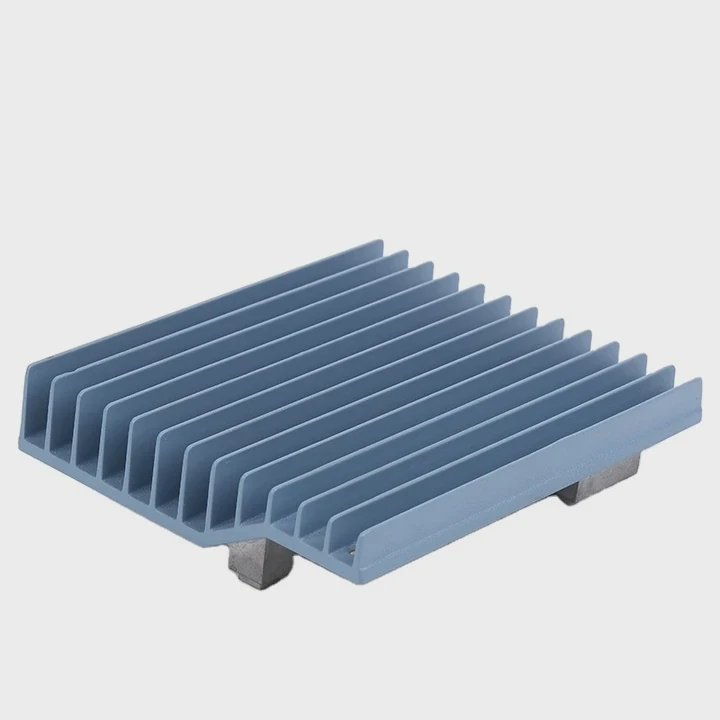
- Soft brush: Useful for vents or fins (in hybrid assemblies)
Methods to Avoid
- Water immersion
- Ultrasonic cleaning
- Abrasive pads or sandpaper
- Acid or base solvents
- High-pressure sprays
These can damage the chamber walls or compromise seals. Vapor chambers often use laser welding or brazing; aggressive cleaning can create micro-leaks.
Cleaning Mounting Interfaces
Before installing or reusing a vapor chamber:
- Clean the contact surface
- Remove old TIM completely
- Apply new thermal paste evenly
- Align precisely during assembly
This reduces interface resistance and ensures accurate test results if efficiency needs to be measured again.
Conclusion
Vapor chambers are sealed, zero-maintenance components. They do not need internal cleaning. Performance issues usually trace back to poor manufacturing or installation — not dirt. Handle carefully, clean gently outside if needed, and ensure proper mounting to get long, stable performance.
TAGS
Latest Articles

Volume discount levels for heat sink orders?
Buyers often ask when heat sink prices start to drop with volume. Many worry they’re overpaying for small orders. This guide explains how B2B volume pricing works for thermal components. Heat sink
21 Dec,2025
Heat sink long-term supply contract options?
Many buyers want stable pricing and reliable delivery for heat sinks. But without a clear contract, risks grow over time. This article explores how to secure better long-term supply deals. Long-term
21 Dec,2025
Tooling cost for new heat sink profiles?
Many engineers struggle to understand why tooling for custom heat sinks costs so much. They worry about budgeting and production timelines. This article breaks down the cost drivers behind tooling.
21 Dec,2025
Heat sink custom sample process steps?
Sometimes, starting a custom heat sink project feels overwhelming—too many steps, too many unknowns, and too many risks. You want a sample, but not endless delays. The process for requesting and
20 Dec,2025
Standard B2B terms for heat sink payments?
When buyers and sellers in B2B heat sink markets talk about payment, many don’t fully understand what’s standard. This can lead to delayed orders, miscommunication, and even lost business
20 Dec,2025
Heat sink pricing factors for large orders?
Heat sinks are vital for many systems. When prices rise, projects stall and budgets break. This problem can hit teams hard without warning. Large order heat sink pricing depends on many factors. You
20 Dec,2025Related Articles
- Vapor Chamber choice for embedded systems
- Vapor Chamber compliance with fire safety?
- Best simulation software for Vapor Chamber?
- Vapor Chamber requirements for CE marking?
- Can Vapor Chamber be welded?
- Standard cost of Vapor Chamber tooling?
- Vapor Chamber heat spreading comparison?
- Can Vapor Chamber fail under stress?
- Vapor Chamber flatness measurement process
- Recommended clamps for Vapor Chamber assembly?
- Recommended thermal paste for Vapor Chamber?
- How to cut Vapor Chamber to custom shapes?
Author
Dr. Emily Chen
Chief AI Researcher
Leading expert in thermal dynamics and AI optimization with over 15 years of experience in data center efficiency research.
Categories
Latest Products






Recommend Categories
- Liquid cooling plate Manufacturer
- Industrial Heat Sink Manufacturer
- Standard Heat Sink Manufacturer
- Aluminum Heat Sink Manufacturer
- Copper Heat Sink Manufacturer
- Anodized Heatsink Manufacturer
- Stamping heat sink Manufacturer
- Die Casting Heatsink Manufacturer
- Soldering heat sink Manufacturer
- CNC Parts Manufacturer
Latest Products
- Wholesale Aluminum Radiator
- Water Cooling Plate Kit
- Water Cooling Heat Sink
- Water Cooling Heat Sink Kit
- Stainless Steel Water Distributor
- Server Water Cooling Plate Kit
- Server Liquid Cooling System
- Server Aluminum Cooling Kit
- S19 Full Cover Cooling Plate
- S19 Cooling Plate Kit
- S19 Aluminum Cooling Plate
Contact Expert
Have questions about this article? Reach out to our experts directly.