Vapor Chamber flatness measurement process
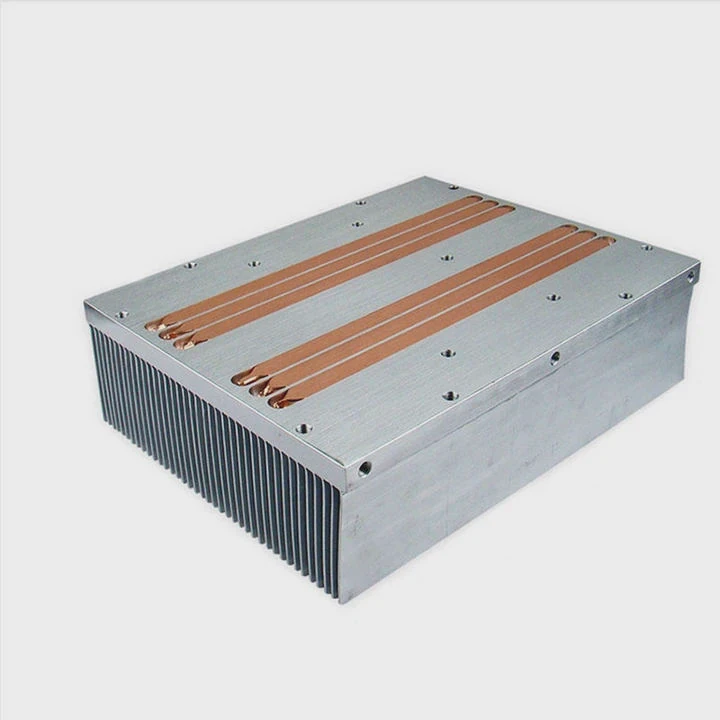
When a vapor chamber warps even slightly, thermal contact fails and cooling efficiency suffers. Flatness issues often slip past until final thermal testing fails. Accurate flatness measurement catches the problem early and saves time and material cost.
Flatness measurement ensures each vapor chamber sits perfectly flat, enabling efficient heat transfer and proper assembly alignment before final delivery.
Let’s explore how flatness measurement works step by step, which tools are used, what tolerances are acceptable, and how flatness affects final inspection.
What is the process for measuring flatness of Vapor Chambers?
A warped vapor chamber pad can create hot spots or poor thermal contact. Early flatness check finds warping before assembly or heat‑cycle tests.
A proper flatness measurement process includes post‑machining inspection, post‑weld stress‑relief measurement, and final pre‑fill flatness check under controlled conditions.
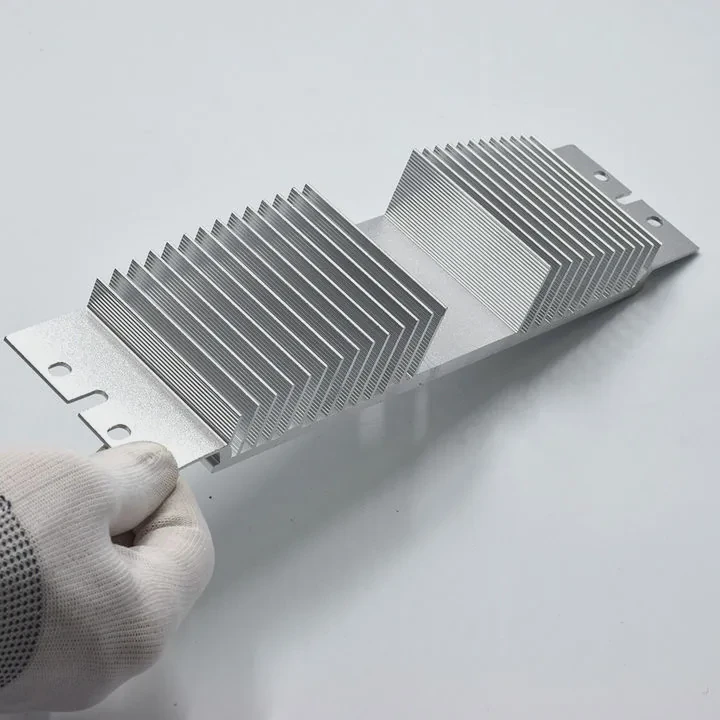
After the basic vapor chamber structure is machined or stamped, the first flatness check happens. This ensures that machining, stamping or forming did not introduce warpage. The part rests on a certified flat reference surface (like a granite plate) and its surface deviations are checked. If flatness is out of spec, the part is reworked or discarded before welding.
After welding or brazing, seams and heat input can warp the plate. Once welded, the chamber undergoes a stress‑relief process: either controlled thermal soak or mechanical holding. When that completes, the part is again placed on the flat reference surface. Then a second flatness measurement is performed. This catches warping due to heat or internal stress from welding.
Finally, just before final assembly or fluid fill, the chamber is cleaned, dried, and placed in ambient lab conditions (controlled temperature and humidity). Then a final flatness measurement happens. This ensures that ambient conditions or final machining (mounting holes, sealing surfaces) did not deform the chamber. This is the freeze‑frame check before filling fluid or sealing.
During each measurement, spans across the plate are checked, local warps or bumps are located and recorded. If any deviation exceeds the allowed tolerance (discussed later), the chamber is rejected or reworked. This process ensures that only flat, properly formed chambers proceed to thermal testing or final assembly.
Which tools are used for Vapor Chamber flatness testing?
Quick manual checks find gross warpage, but precision tools catch small deviations that affect thermal contact.
Common tools for flatness testing include granite surface plates with feeler gauges, optical interferometers, coordinate measuring machines (CMM), and dial‑indicator rigs — each offering different precision levels.
Typical tools and their use
| Tool / Method | Typical precision | Use case / Advantage |
|---|---|---|
| Granite surface plate + feeler gauges | ~0.05 mm minimum detectable | Quick shop‑floor flatness check after machining or welding |
| Dial‑indicator on flat reference surface | ~0.02 mm to 0.05 mm resolution | More precise check for warpage over edges or corners |
| Optical interferometer (e.g., Fizeau or white‑light) | ~0.001 mm to 0.005 mm | High‑precision flatness map for final inspection or high‑performance chambers |
| Coordinate Measuring Machine (CMM) | ~0.01 mm to 0.02 mm | Full surface scan, 3D warpage mapping, data logging |
| Laser line scanner or profilometer | ~0.005 mm to 0.02 mm | Fast scanning of large plates, automated data capture |
Granite surface plate plus feeler gauges or dial‑indicator rigs work well for early and mid‑stage checks. They are cost‑effective and fast. For high‑end or aerospace‑class vapor chambers, optical interferometry or CMM scanning offers high precision and full‑surface warpage mapping. Interferometers show contour lines; engineers can see dips or bumps visually and quantify deviation. CMM provides point‑by‑point height data, which helps if part loads onto irregular mounting points.
When using a granite plate, it must be certified flat within a tight tolerance (e.g., 0.005 mm over its surface). Environmental conditions — temperature, humidity — must be controlled during measurement, because thermal expansion may distort results. Operators must clean chamber surfaces before measurement, to avoid debris affecting readings.
High‑volume production may use automated dial‑indicator rigs or laser scanners on conveyor belts. Such rigs gauge many parts quickly, log results, and tag the parts with serial numbers and pass/fail status. This speeds throughput while maintaining quality control.
By combining quick checks with high‑precision inspection, manufacturers catch flatness issues early and prevent faulty chambers from reaching final assembly or thermal testing.
What flatness tolerance is acceptable in Vapor Chambers?
Flatness tolerance depends on application. For consumer electronics, small deviations may not harm performance. For high‑performance or aerospace-class use, tight flatness is vital.
For most vapor chambers, acceptable flatness is typically within 0.05 mm over the entire plate; for critical thermal modules or aerospace-level designs, flatness tolerance often tightens to ≤ 0.02 mm across the surface.
Tolerance thresholds depend on chamber size, plate thickness, and destination thermal interface material (TIM) or coldplate design. Smaller chambers (e.g., < 50 mm side) can tolerate tighter flatness, because stress is lower and relative warp is significant. Larger plates (200–300 mm) may allow slightly more deviation, provided mounting and TIM compensate.
Here is a guideline table for acceptable tolerances:
| Chamber size (max dimension) | Typical flatness tolerance (consumer / industrial) | Tight‑tolerance flatness (precision / aerospace) |
|---|---|---|
| ≤ 50 mm | ≤ 0.03 mm | ≤ 0.01 mm |
| 50–150 mm | ≤ 0.05 mm | ≤ 0.02–0.03 mm |
| 150–300 mm | ≤ 0.08 mm | ≤ 0.03–0.05 mm |
| > 300 mm | ≤ 0.1 mm | ≤ 0.05 mm |
Many manufacturers choose a “golden spec” based on final assembly needs. For example, if a vapor chamber mates to a cold plate with thermal pads, uneven surfaces may compress pads unevenly — leading to hotspots. Therefore, even a 0.05 mm warp could be too much. In those cases, tolerance is tightened to 0.02–0.03 mm.
Some high-end or aerospace modules demand even tighter flatness. In those cases, measurement uses interferometer; allowable warp might be limited to 0.01 mm over small areas, and no more than 0.03 mm over full surface for larger plates. The parts that fail are either re‑worked (by machining or plate grinding) or discarded.
During tolerance definition, engineers must consider thermal expansion, operating temperature range, and contact pressure from mounting. If the vapor chamber will go through thermal cycling, the baseline flatness must be tighter, because expansion and contraction may amplify warpage. Engineers sometimes perform flatness check before and after stress‑relief bake or thermal cycling.
Overall, acceptable flatness depends on application demands. Tight thermal coupling or mechanical mounting dictates tighter specs. Standard industrial use may tolerate looser tolerances if thermal interface compensates.
Does flatness measurement affect final inspection pass/fail?
If flatness deviates beyond spec, the vapor chamber rarely passes final inspection. Flatness is often a gating characteristic before fluid fill or thermal testing.
Flatness measurement often serves as a pass/fail criterion — chambers out of tolerance are rejected or sent for rework before fluid fill and final quality testing.
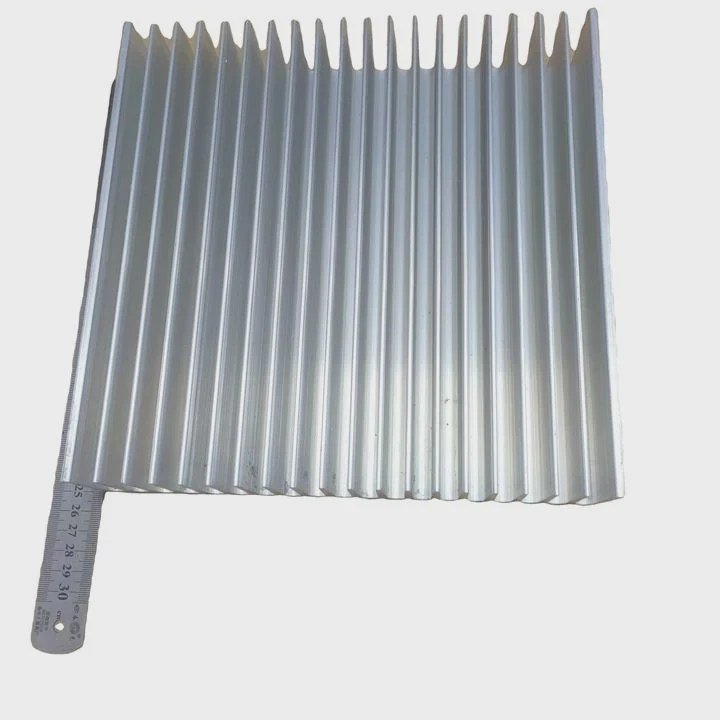
Why flatness matters for final acceptance
- Flatness ensures uniform contact between chamber and cold plate or heat sink. If surface is warped, only parts touch, causing uneven heat dissipation.
- Uneven contact can create thermal resistance or hotspots, affecting overall thermal performance.
- Warpage may distort sealing surfaces, causing leaks after fluid fill and pressure test.
- Uneven base may compromise structural mounting, leading to mechanical stress or failure under vibration or thermal cycling.
Flatness check in final inspection workflow
In a typical final inspection, flatness measurement is done just before fluid filling or final sealing. If the chamber fails flatness spec, the part is flagged. The workflow usually branches:
| Outcome after flatness measurement | Action taken |
|---|---|
| Within tolerance | Proceed to fluid fill and final thermal test |
| Slightly out of tolerance | Send to rework: surface grinding, stress‑relief, re‑measure |
| Large deviation | Reject and scrap or return to machining |
If rework is applied, flatness must be re‑checked. Only after passing flatness, the chamber moves to leak test, thermal cycling, and final performance verification. Final QA report includes flatness data logged with part serial number.
When production volume is high, automated rigs log flatness data and link to part ID. QC engineers can track how many parts fail flatness over time. If failure rate increases, they can inspect upstream processes (welding parameters, stress‑relief bake, fixture alignment) and correct.
Because flatness directly influences thermal performance and mechanical fit, most qualified vapor chambers — especially for high‑performance, industrial, or aerospace use — will not pass final inspection if flatness is out of spec. That makes flatness measurement a critical gate in the manufacturing process.
Conclusion
Flatness measurement is a critical step in vapor chamber manufacturing. It helps catch warpage early, ensures thermal contact and structural integrity, and serves as a hard gate for final inspection. Using proper tools and setting suitable tolerances ensures reliable, high‑quality output.
TAGS
Latest Articles

Volume discount levels for heat sink orders?
Buyers often ask when heat sink prices start to drop with volume. Many worry they’re overpaying for small orders. This guide explains how B2B volume pricing works for thermal components. Heat sink
21 Dec,2025
Heat sink long-term supply contract options?
Many buyers want stable pricing and reliable delivery for heat sinks. But without a clear contract, risks grow over time. This article explores how to secure better long-term supply deals. Long-term
21 Dec,2025
Tooling cost for new heat sink profiles?
Many engineers struggle to understand why tooling for custom heat sinks costs so much. They worry about budgeting and production timelines. This article breaks down the cost drivers behind tooling.
21 Dec,2025
Heat sink custom sample process steps?
Sometimes, starting a custom heat sink project feels overwhelming—too many steps, too many unknowns, and too many risks. You want a sample, but not endless delays. The process for requesting and
20 Dec,2025
Standard B2B terms for heat sink payments?
When buyers and sellers in B2B heat sink markets talk about payment, many don’t fully understand what’s standard. This can lead to delayed orders, miscommunication, and even lost business
20 Dec,2025
Heat sink pricing factors for large orders?
Heat sinks are vital for many systems. When prices rise, projects stall and budgets break. This problem can hit teams hard without warning. Large order heat sink pricing depends on many factors. You
20 Dec,2025Related Articles
- Can Vapor Chamber fail under stress?
- Vapor Chamber heat spreading comparison?
- Does Vapor Chamber need periodic cleaning?
- Vapor Chamber choice for embedded systems
- Vapor Chamber compliance with fire safety?
- Best simulation software for Vapor Chamber?
- Recommended clamps for Vapor Chamber assembly?
- Recommended thermal paste for Vapor Chamber?
- How to cut Vapor Chamber to custom shapes?
- Heat transfer coefficient of Vapor Chamber?
- What is Vapor Chamber scrap rate?
- Why choose Vapor Chamber over heatsink?
Author
Dr. Emily Chen
Chief AI Researcher
Leading expert in thermal dynamics and AI optimization with over 15 years of experience in data center efficiency research.
Categories
Latest Products






Recommend Categories
- Liquid cooling plate Manufacturer
- Industrial Heat Sink Manufacturer
- Standard Heat Sink Manufacturer
- Aluminum Heat Sink Manufacturer
- Copper Heat Sink Manufacturer
- Anodized Heatsink Manufacturer
- Stamping heat sink Manufacturer
- Die Casting Heatsink Manufacturer
- Soldering heat sink Manufacturer
- CNC Parts Manufacturer
Latest Products
- Wholesale Aluminum Radiator
- Water Cooling Plate Kit
- Water Cooling Heat Sink
- Water Cooling Heat Sink Kit
- Stainless Steel Water Distributor
- Server Water Cooling Plate Kit
- Server Liquid Cooling System
- Server Aluminum Cooling Kit
- S19 Full Cover Cooling Plate
- S19 Cooling Plate Kit
- S19 Aluminum Cooling Plate
Contact Expert
Have questions about this article? Reach out to our experts directly.