Vapor Chamber choice for embedded systems
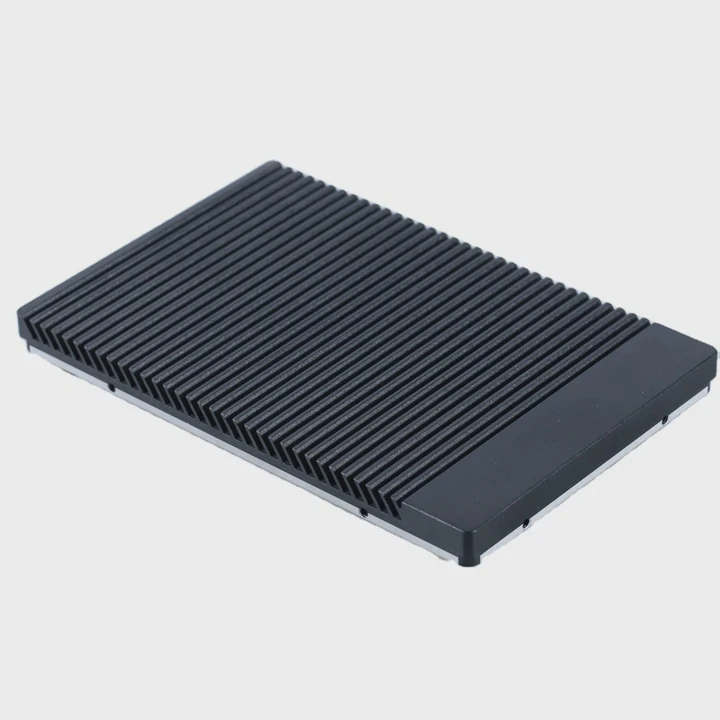
Choosing the right vapor chamber matters — wrong pick and embedded devices might overheat or fail.
Selecting a vapor chamber involves matching size, thermal load, and system constraints to ensure stable operation of embedded electronics.
Let’s walk through how to pick the right vapor chamber, when thin designs help, whether power density matters, and when standard sizes still work.
How to select a Vapor Chamber for embedded systems?
Embedded systems often run in tight spaces. The choice of vapor chamber must match board layout, heat source location, and cooling path carefully.
A good vapor chamber selection balances thermal performance, size constraints, integration capability and reliability under expected power and environmental conditions.
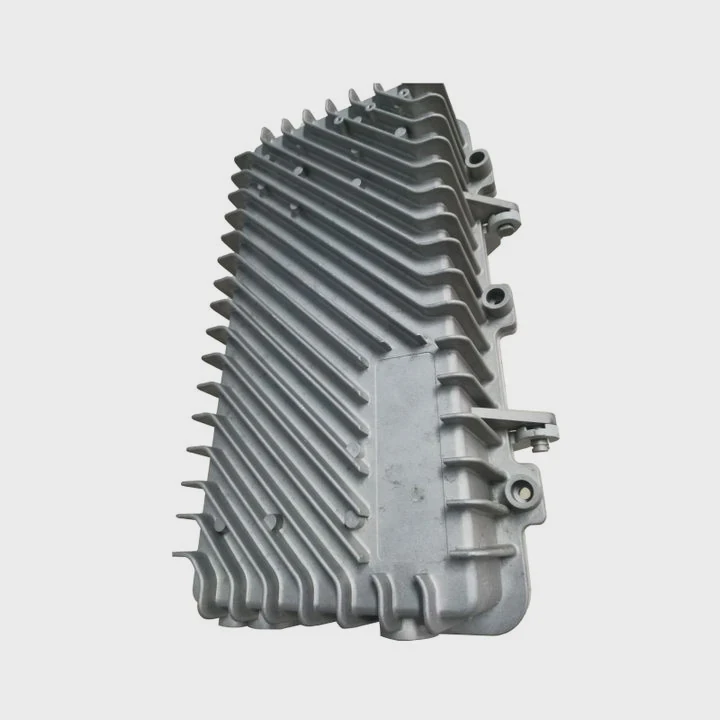
When selecting for embedded systems, start by mapping where heat is generated — CPU, power ICs, MOSFETs, or other chips. Then list boundaries: how much space is available, how close components can get, where mounting holes or standoffs are. Vapor chamber must fit that geometry. If the footprint is too large, it may block connectors or ports. If too thick, it may prevent closing the enclosure.
Thermal requirements come next. Estimate the power each heat source will dissipate under worst-case load. Convert to heat flux (W/cm²). Use that to choose a vapor chamber rated for that flux. Data from the vendor or past projects helps. If device idle and rarely load high, lower spec may suffice; if device runs heavy duty (e.g. continuous compute), choose chamber with higher heat capacity and good spread.
Material matters too. Most embedded systems use aluminium vapor chambers. Aluminium is light, has good thermal conductivity, and is easy to integrate. Copper chambers may offer higher thermal conductance but add weight and cost. For mobile or handheld embedded systems, weight and cost usually dominate, so aluminium is common.
Manufacturing and assembly constraints also matter. The vapor chamber must survive soldering reflow, vibration, thermal cycling if device runs hot and cold cycles. If application is in automotive, industrial, or outdoor, choose chambers that have proven reliability under thermal and mechanical stress.
📌 Quick checklist when selecting a vapor chamber for embedded systems:
- Footprint matches board layout and enclosure.
- Thickness fits assembly height and clearance.
- Thermal rating exceeds maximum expected heat flux.
- Material suits weight, cost, and thermal goals.
- Robustness under soldering, vibration, thermal cycles.
- Integration points (mounting holes, contact pads) align with device architecture.
Here is a simple table to compare common design needs vs vapor chamber attributes:
| Design Need / Constraint | What to check in Vapor Chamber |
|---|---|
| Tight board layout / small area | Small footprint footprint; cutouts; pad edge spacing |
| Low profile enclosures | Low thickness, shallow profile chamber |
| High continuous power dissipation | High internal wick density; good spreader core |
| Lightweight devices | Aluminium chamber, minimal added mass |
| Harsh thermal cycling environment | Verified reliability, stable welds |
| Standard mounting or screws | Pre‑drilled holes or compatible contact pads |
Selecting right vapor chamber reduces thermal risk and eases assembly. It also helps keep costs under control by avoiding over‑spec parts.
Are ultra‑thin designs needed for embedded applications?
Compact embedded devices often demand slim profiles. Ultra‑thin vapor chambers may seem ideal. In many cases they are — but not always.
Ultra‑thin vapor chambers help when space is tight, but they trade off thermal capacity and mechanical robustness — so pick them only when necessary.
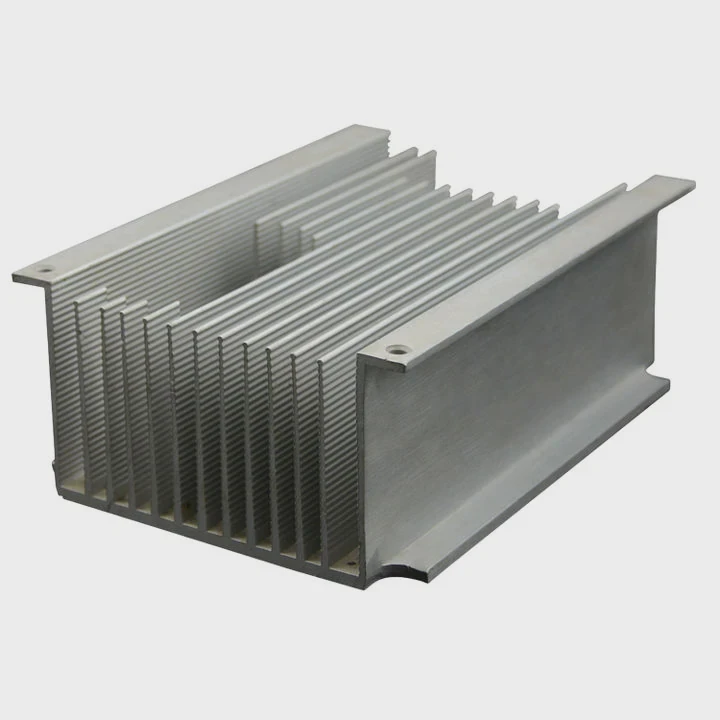
Ultra‑thin vapor chambers — for example less than 1.5 mm total thickness — make sense when the enclosure height is very low. Think wearable devices, compact routers, slim media boxes. They allow minimal clearance between board and cover. They also reduce weight, which helps in portable systems.
However, thin chambers have limits. First, the internal wick and chamber volume are small. That reduces the total working fluid and total heat capacity. If the device draws high power bursts, a thin chamber may saturate too quickly. Thermal spread may be good but heat storage capacity limited. That can cause temperature spikes or uneven cooling.
Second, mechanical strength is lower. Thin walls deform more under pressure, during soldering, or when device is dropped or shaken. This can damage internal wick or cause micro‑cracks in welded seams. Over time, performance may degrade or failure could occur.
Third, manufacturing tolerances become tighter. For ultra‑thin chambers, any deviation in flatness or thickness affects performance. Mounting surfaces must be precise; contact pressure must be uniform. If not, cold‑spots or hotspots may appear.
Thus, thin designs best fit when heat load is moderate, size constraints are strict, and system environment is relatively benign (e.g. indoor, little vibration). For heavy duty power or thermal loads, a thicker vapor chamber or a chamber + heatsink hybrid may be safer.
When to choose ultra‑thin:
- Device thickness budget is tight (e.g. < 15 mm)
- Power dissipation is low to moderate (e.g. under 10–15 W total)
- Device usage is intermittent or with limited duty cycle
- Low mechanical stress environments
When to avoid ultra‑thin:
- Continuous high power dissipation or spikes
- Need for mechanical robustness (industrial / automotive)
- Thermal cycling or vibration exposure
- Tight tolerance for heat spread and reliability over long life
Here is a table outlining typical trade‑offs:
| Chamber Thickness | Pros | Cons |
|---|---|---|
| ~0.8 – 1.2 mm (ultra‑thin) | Low profile; light; fits slim devices | Lower heat capacity; weaker structure |
| ~1.5 – 2.5 mm (standard slim) | Balance of profile and thermal mass | Slightly thicker; adds moderate mass |
| > 3.0 mm (standard/heavy) | High heat capacity; robust | Thick; may not fit compact enclosures |
Ultra‑thin chambers remain a valuable option for many embedded designs. But designers should weight height savings against long‑term reliability and thermal performance.
Does power density affect choice of Vapor Chamber?
Power density — how much heat per area or per volume — often makes or breaks the cooling solution. Vapor chambers shine when heat is concentrated; but only if chosen to match load.
Yes — higher power density demands vapor chambers with high thermal spreading capability, robust internal wick design, and possibly larger footprint or hybrid cooling.
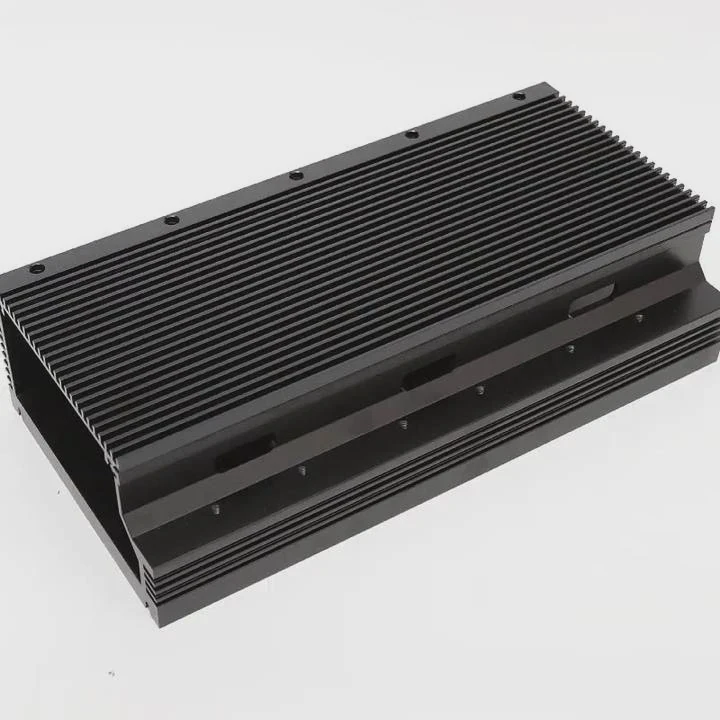
In embedded systems, heat sources can be very localized. For example, a CPU under a heat spreader, or a power converter with MOSFETs. If the power density (W per cm²) is high, standard metal plates won’t spread heat fast enough. That leads to hotspots, reduced performance, or thermal shutdown. Vapor chambers help by moving heat laterally across their area before passing to a heatsink, PCB copper planes, or enclosure shell.
When power density is low — for example small control boards, sensors, low‑power microcontrollers — even simple copper pours might suffice. Vapor chamber adds cost and assembly complexity with no real gain. So only choose vapor chambers when power or heat flux justifies them.
If power density is high, evaluate chamber by:
- Wicking capability and internal structure: fine wick density spreads fluid faster.
- Thermal resistance rating: lower is better. Often given in K/W. Choose low value for high load.
- Footprint and contact area coverage: bigger contact area reduces heat flux per unit area.
- Interface surfaces: need good contact with heat sources and heat sinks — ensure planarity, flatness, and even mounting pressure.
Sometimes standard‑size vapor chambers work. Sometimes footprint must be enlarged or combined with external heatsink or fins. For very high density, hybrid designs — vapor chamber + thin fins or heat spreader + airflow — are often best.
Here is a simplified guideline:
| Power Density (W/cm²) | Cooling Recommendation |
|---|---|
| < 0.5 | Copper pours or small heat spreader may work |
| 0.5 – 2.0 | Vapor chamber with standard footprint |
| 2.0 – 5.0 | Vapor chamber + heatsink or airflow |
| > 5.0 | Vapor chamber + active cooling (fan or fins) |
When design demands high density cooling in compact embedded devices, a vapor chamber is often the core of a reliable thermal solution.
Can embedded systems use standard-size Vapor Chambers?
Many module makers reuse existing vapor chamber sizes to speed up design. That saves tooling and cost. The question is: does it work for embedded systems?
Yes — embedded systems can often use standard‑size vapor chambers, provided the chamber geometry matches heat source layout and enclosure constraints. Standard sizes deliver proven performance and reduce development cost.
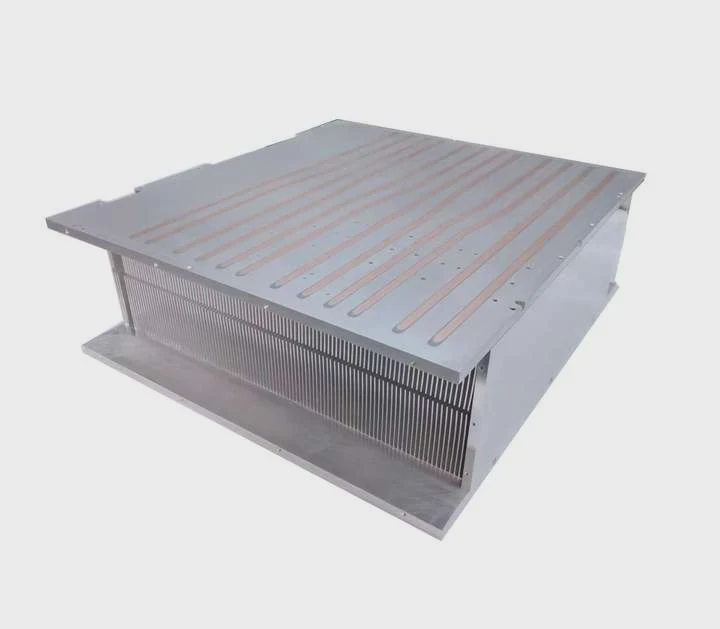
Standard‑size vapor chambers come in common footprints — for example 50×50 mm, 70×70 mm, 100×100 mm, or 120×80 mm — with standard thickness and mounting hole patterns. If your embedded system’s heat sources lie within such footprint and enclosure allows it, using these chambers is efficient.
Using standard sizes offers benefits: manufacturing is mature; cost per unit lower; reliability verified across many projects; easier sourcing; and documentation or test data often available. For small devices, trimming a standard chamber may be possible — but trimming must preserve integrity of internal wick and welds. Only external flanges or non‑critical areas can be cut safely.
Standard chambers suit embedded systems when:
- Heat sources cluster within standard footprint without need for complex custom shape.
- Enclosure height can accommodate chamber thickness and possible heatsink or cover plate.
- Thermal load falls within chamber rated capacity.
- Assembly process and mechanical constraints (screws, standoffs, clearances) match standard chamber design.
If embedded system is slightly different — e.g. non‑rectangular board, asymmetric component layout, multiple heat zones — custom chamber design may yield better thermal balance. In that case, customizing chamber footprint or hole positions helps.
From a cost and time perspective for small to mid-volume embedded systems, starting with standard chamber is often best. If thermal tests show issues, iterate with custom shape or supplemental cooling.
When to go custom instead of standard
- Heat sources distributed over irregular board area
- Enclosure shape is non‑standard (curved, sloped)
- Clearance or standoff placement conflicts with standard hole layout
- Extreme power density needing optimized heat paths
Combining standard vapor chamber with custom heatsink or graphite heat spreader can also work. That hybrid approach sometimes offers best trade between cost, flexibility, and performance.
Conclusion
Choosing a vapor chamber for embedded systems needs careful matching of footprint, thermal load, enclosure geometry and mechanical constraints. Ultra‑thin chambers save space but reduce thermal mass. High power density pushes for robust chambers with good wicking and possibly extra cooling. Standard‑size vapor chambers offer low cost and proven reliability when they fit layout and power needs. In many embedded systems, a well‑chosen standard chamber — possibly combined with additional thermal components — gives the best balance of performance, manufacturability and cost.
TAGS
Latest Articles

Volume discount levels for heat sink orders?
Buyers often ask when heat sink prices start to drop with volume. Many worry they’re overpaying for small orders. This guide explains how B2B volume pricing works for thermal components. Heat sink
21 Dec,2025
Heat sink long-term supply contract options?
Many buyers want stable pricing and reliable delivery for heat sinks. But without a clear contract, risks grow over time. This article explores how to secure better long-term supply deals. Long-term
21 Dec,2025
Tooling cost for new heat sink profiles?
Many engineers struggle to understand why tooling for custom heat sinks costs so much. They worry about budgeting and production timelines. This article breaks down the cost drivers behind tooling.
21 Dec,2025
Heat sink custom sample process steps?
Sometimes, starting a custom heat sink project feels overwhelming—too many steps, too many unknowns, and too many risks. You want a sample, but not endless delays. The process for requesting and
20 Dec,2025
Standard B2B terms for heat sink payments?
When buyers and sellers in B2B heat sink markets talk about payment, many don’t fully understand what’s standard. This can lead to delayed orders, miscommunication, and even lost business
20 Dec,2025
Heat sink pricing factors for large orders?
Heat sinks are vital for many systems. When prices rise, projects stall and budgets break. This problem can hit teams hard without warning. Large order heat sink pricing depends on many factors. You
20 Dec,2025Related Articles
- Vapor Chamber compliance with fire safety?
- Best simulation software for Vapor Chamber?
- Vapor Chamber requirements for CE marking?
- Can Vapor Chamber be welded?
- Standard cost of Vapor Chamber tooling?
- How to optimize Vapor Chamber mass production?
- Does Vapor Chamber need periodic cleaning?
- Vapor Chamber heat spreading comparison?
- Can Vapor Chamber fail under stress?
- Vapor Chamber flatness measurement process
- Recommended clamps for Vapor Chamber assembly?
- Recommended thermal paste for Vapor Chamber?
Author
Dr. Emily Chen
Chief AI Researcher
Leading expert in thermal dynamics and AI optimization with over 15 years of experience in data center efficiency research.
Categories
Latest Products






Recommend Categories
- Liquid cooling plate Manufacturer
- Industrial Heat Sink Manufacturer
- Standard Heat Sink Manufacturer
- Aluminum Heat Sink Manufacturer
- Copper Heat Sink Manufacturer
- Anodized Heatsink Manufacturer
- Stamping heat sink Manufacturer
- Die Casting Heatsink Manufacturer
- Soldering heat sink Manufacturer
- CNC Parts Manufacturer
Latest Products
- Wholesale Aluminum Radiator
- Water Cooling Plate Kit
- Water Cooling Heat Sink
- Water Cooling Heat Sink Kit
- Stainless Steel Water Distributor
- Server Water Cooling Plate Kit
- Server Liquid Cooling System
- Server Aluminum Cooling Kit
- S19 Full Cover Cooling Plate
- S19 Cooling Plate Kit
- S19 Aluminum Cooling Plate
Contact Expert
Have questions about this article? Reach out to our experts directly.