Can Vapor Chamber be welded?
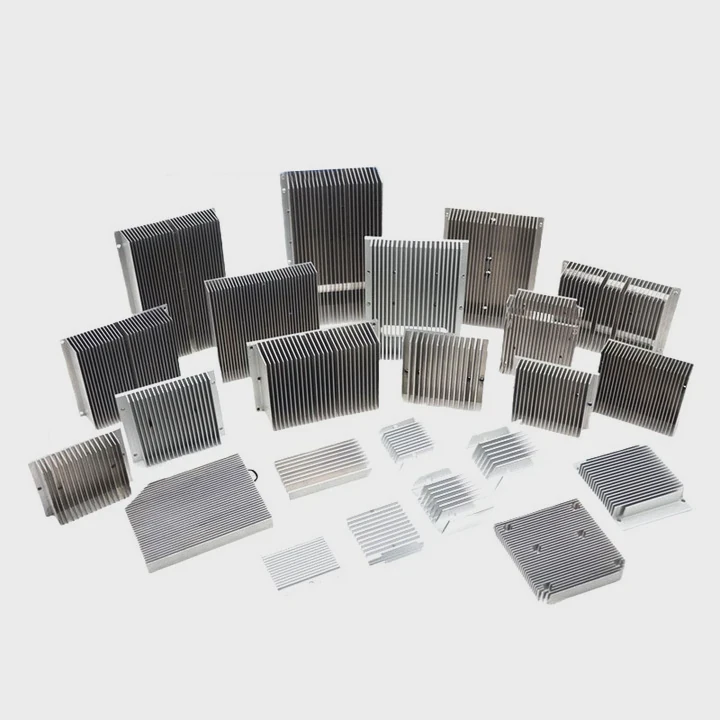
Many engineers wonder if a vapor chamber (VC) can be welded — especially when manufacturing for custom thermal solutions. Without clear guidance, the uncertainty can cause delays and design hesitation.
Yes — in many cases vapor chambers are joined by welding or similar metal‑joining methods, not only by brazing.
Read on to see which methods work, what risks arise, and when welding is used instead of brazing.
Can Vapor Chambers be welded during manufacture?
Some think vapor chambers must always be brazed or diffusion‑bonded. But that is not always true. The enclosure of a vapor chamber — its top and bottom plates (or shell) — can be welded or diffusion‑bonded depending on design and materials.
Yes, vapor chambers can be welded — typically at the edges or seams — using controlled welding or bonding techniques.
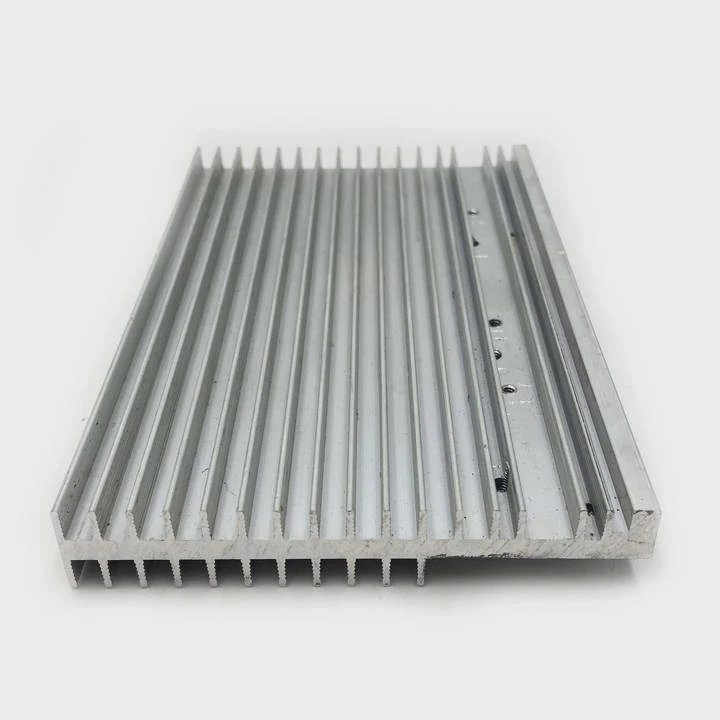
How welding fits into vapor chamber manufacturing
In practice, many vapor chambers are made by stamping two copper or aluminum plates, inserting wick structure, and then sealing the edges. That sealing can be done by:
- Laser welding
- TIG welding (only on thick parts)
- Diffusion bonding
- Vacuum brazing
If tight flatness or internal pressure resistance is needed, precise joining methods like diffusion bonding are used. The key goal is to seal the internal chamber fully so vapor doesn’t escape.
Not all welds look like traditional heavy fusion welds. In vapor chamber applications, weld seams are narrow, low-profile, and designed to minimize heat distortion. The final welded edge is often ground flat for mounting purposes.
The ability to weld depends on base metal thickness, heat sensitivity of the wick, and required seal strength. Engineers must match the joining method to the chamber design.
What welding methods work for Vapor Chambers?
Manufacturing a vapor chamber requires precision. Not all welding methods are suitable for thin materials and vacuum applications.
Methods like laser welding and diffusion bonding are suitable. Arc welding and traditional fusion welds are generally avoided.
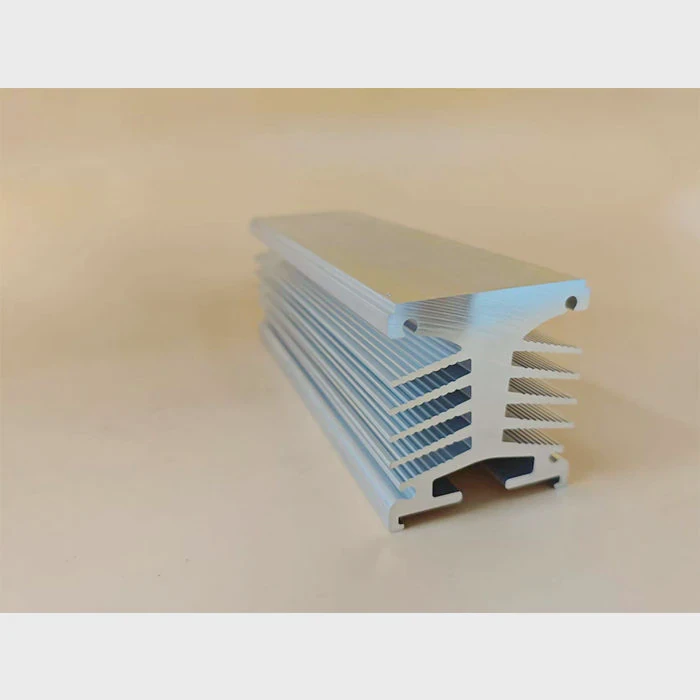
Table: Welding Methods and Suitability
| Welding Method | Suitable for Vapor Chambers? | Notes |
|---|---|---|
| Laser Welding | ✅ Yes | Precise, low heat distortion |
| Diffusion Bonding | ✅ Yes | No filler, atom-level bond under pressure |
| Vacuum Brazing | ✅ Common | Uses filler, works well with flat surfaces |
| TIG Welding | ⚠️ Limited | Only for thick walls or edge fixtures |
| MIG/Arc Welding | ❌ No | Too much heat, risk of deformation and leaks |
Laser welding is precise and can be automated. It is used for sealing along the chamber edge. Diffusion bonding is used when internal wicks must remain untouched and flatness is critical.
Arc-based methods are not used. The heat and force deform thin plates, warp the chamber, or burn the wick.
Instead, vapor chamber suppliers choose methods that allow for hermetic sealing, wick protection, and shape control — often combining several methods in one process.
Does welding affect the vacuum integrity of Vapor Chambers?
Vacuum integrity is critical for vapor chamber performance. If a weld leaks, the internal working fluid evaporates or the pressure balance breaks. That ruins thermal transfer.
Yes — welding affects vacuum performance. Poor welding causes leaks. But good welding, when done with care, maintains full vacuum integrity.
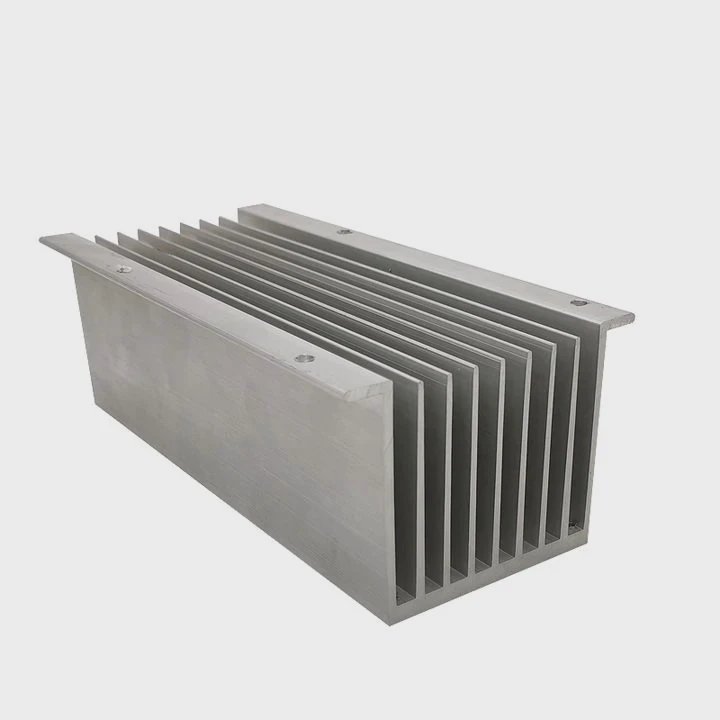
Why vacuum sealing is critical
Vapor chambers work by moving heat through vapor phase change. This requires low pressure inside the chamber — usually maintained through vacuum sealing. A leak in the weld allows air in or liquid out, breaking this balance.
How welding protects or risks vacuum
Good welds = sealed forever
When laser welding or diffusion bonding is done in vacuum or inert gas, and with clean surfaces, the joint becomes airtight. These welds are tested using helium leak detectors or vacuum hold tests.
Bad welds = tiny leaks, big problems
If the welding arc is too hot or too wide, it creates pores or cracks. These cause micro-leaks — small at first but large enough to ruin thermal function.
Typical tests after welding:
- Helium leak detection (leak rate < 1×10⁻⁷ atm·cc/s)
- Vacuum hold over 24–72 hours
- Thermal performance check (dry-out point analysis)
Most manufacturers now use automated or CNC-guided laser welders for edge sealing, followed by full vacuum validation.
Proper fixture and clamping help maintain flatness. Cooling jigs are often used to prevent heat from warping the chamber. Quality welding means long-term vacuum integrity.
Are welded joints used instead of brazing in Vapor Chambers?
Some engineers ask: should we weld or braze the enclosure? The answer depends on application, volume, and chamber shape.
Yes — welded joints are often used instead of brazing, especially in thin, flat chambers or where wick integrity matters.
When welding is preferred
- When ultra-thin design limits filler space
- When flatness is critical (e.g., CPU cold plates)
- When internal wick must not be contaminated
- When the chamber has micro-geometry features
Diffusion bonding and laser welding avoid filler metals. That keeps the joint clean and flat. No thermal expansion mismatch or filler creep.
When brazing is still used
- Large-volume production with standard tooling
- Complex 3D structures needing gap filling
- Dissimilar metals or plated surfaces
- Where surface flatness can be post-processed
Some suppliers use both: they braze the internal wick to the base plate, then laser weld the perimeter. This hybrid approach gives both thermal contact and vacuum integrity.
Comparison Table: Welding vs Brazing
| Feature | Welding (Laser/Bonding) | Brazing |
|---|---|---|
| Flatness | Excellent | Good, but may need finishing |
| Wick contamination | Very low | Medium (due to filler metal) |
| Joint strength | High (solid phase bonding) | High (with good filler) |
| Heat input | Lower | Higher |
| Automation level | High (laser) | Medium |
| Vacuum sealing | Excellent | Excellent (if done well) |
In modern vapor chamber design, welding plays a key role when thermal, structural, and vacuum requirements are high. Brazing still fits when design and cost allow.
Conclusion
Vapor chambers can be welded — not just brazed. Welded joints, including laser welding and diffusion bonding, are widely used in thin, high-performance chambers. These methods ensure vacuum integrity and avoid wick contamination. Welding is used instead of brazing when flatness, precision, and thermal control matter most. For critical thermal systems, proper welding ensures long-term reliability and better heat transfer performance.
TAGS
Latest Articles

Volume discount levels for heat sink orders?
Buyers often ask when heat sink prices start to drop with volume. Many worry they’re overpaying for small orders. This guide explains how B2B volume pricing works for thermal components. Heat sink
21 Dec,2025
Heat sink long-term supply contract options?
Many buyers want stable pricing and reliable delivery for heat sinks. But without a clear contract, risks grow over time. This article explores how to secure better long-term supply deals. Long-term
21 Dec,2025
Tooling cost for new heat sink profiles?
Many engineers struggle to understand why tooling for custom heat sinks costs so much. They worry about budgeting and production timelines. This article breaks down the cost drivers behind tooling.
21 Dec,2025
Heat sink custom sample process steps?
Sometimes, starting a custom heat sink project feels overwhelming—too many steps, too many unknowns, and too many risks. You want a sample, but not endless delays. The process for requesting and
20 Dec,2025
Standard B2B terms for heat sink payments?
When buyers and sellers in B2B heat sink markets talk about payment, many don’t fully understand what’s standard. This can lead to delayed orders, miscommunication, and even lost business
20 Dec,2025
Heat sink pricing factors for large orders?
Heat sinks are vital for many systems. When prices rise, projects stall and budgets break. This problem can hit teams hard without warning. Large order heat sink pricing depends on many factors. You
20 Dec,2025Related Articles
- Standard cost of Vapor Chamber tooling?
- How to optimize Vapor Chamber mass production?
- Are there patented Vapor Chamber designs?
- Vapor Chamber 3D modeling guidelines?
- How to calculate Vapor Chamber efficiency?
- Vapor Chamber REACH analysis documentation?
- Vapor Chamber requirements for CE marking?
- Best simulation software for Vapor Chamber?
- Vapor Chamber compliance with fire safety?
- Vapor Chamber choice for embedded systems
- Does Vapor Chamber need periodic cleaning?
- Vapor Chamber heat spreading comparison?
Author
Dr. Emily Chen
Chief AI Researcher
Leading expert in thermal dynamics and AI optimization with over 15 years of experience in data center efficiency research.
Categories
Latest Products






Recommend Categories
- Liquid cooling plate Manufacturer
- Industrial Heat Sink Manufacturer
- Standard Heat Sink Manufacturer
- Aluminum Heat Sink Manufacturer
- Copper Heat Sink Manufacturer
- Anodized Heatsink Manufacturer
- Stamping heat sink Manufacturer
- Die Casting Heatsink Manufacturer
- Soldering heat sink Manufacturer
- CNC Parts Manufacturer
Latest Products
- Wholesale Aluminum Radiator
- Water Cooling Plate Kit
- Water Cooling Heat Sink
- Water Cooling Heat Sink Kit
- Stainless Steel Water Distributor
- Server Water Cooling Plate Kit
- Server Liquid Cooling System
- Server Aluminum Cooling Kit
- S19 Full Cover Cooling Plate
- S19 Cooling Plate Kit
- S19 Aluminum Cooling Plate
Contact Expert
Have questions about this article? Reach out to our experts directly.