Vapor Chamber compliance with fire safety?
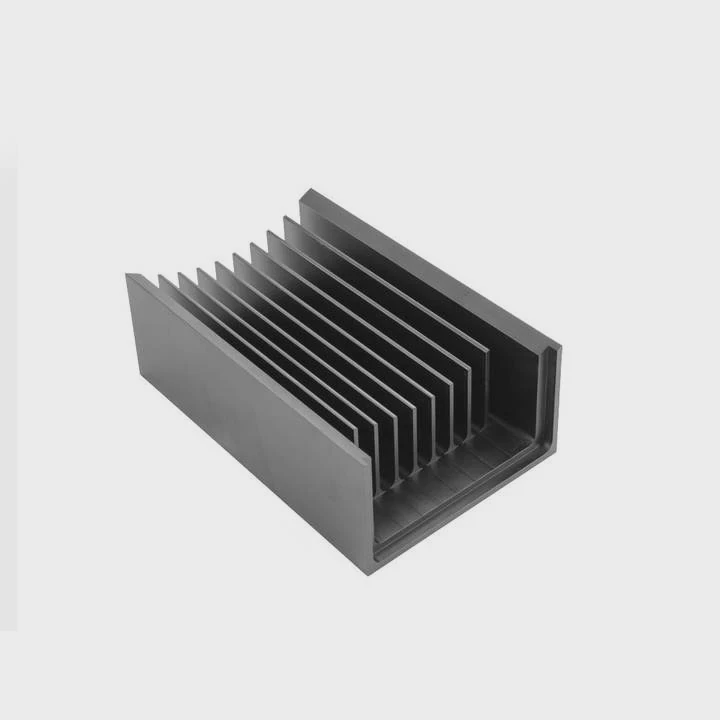
Many engineers ask: can a vapor chamber cause fire risk? What fire-safety rules apply? Without clarity, wrong design or sealing might cause trouble.
Vapor chambers normally don’t trigger fire hazards by themselves. They must follow general safety and materials standards — but no universal “vapor-chamber fire-safety certificate” exists.
Still, due to their sealed liquid content and metal structure, proper design, manufacturing and testing matter. Below I explore key questions to help thermal-management suppliers and buyers.
Do Vapor Chambers need to comply with fire safety standards?
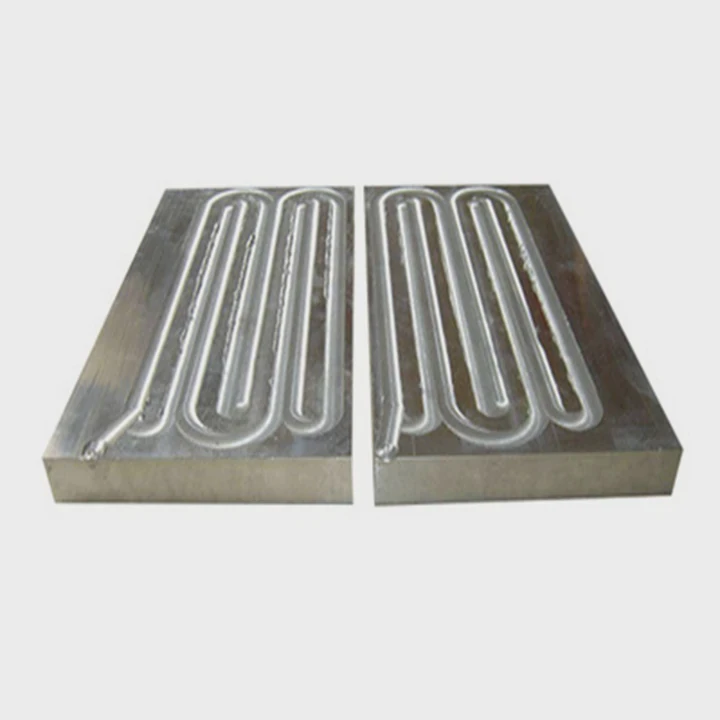
Vapor chambers are mainly metal enclosures with a small amount of working fluid (often water) inside. They transfer heat by vaporization and condensation.
Because the fluid is typically non-flammable (e.g. water) and the envelope is metal (copper alloy), the vapor chamber itself does not present a normal “combustible material” fire risk. In most standard electronic or mechanical applications, vapor chambers don’t need a special fire-safety certification: they are treated like other passive metal heat-sink parts.
However, compliance may still be required if the vapor chamber is part of a larger system that must satisfy fire safety rules. For example, if installed inside a product that must meet building, electrical, or device-safety regulations, then that overall system will need conformity to relevant fire-safety standards. In that sense, the vapor chamber needs to “comply” in the broad sense — but not via a dedicated vapor-chamber fire certificate.
Which fire safety regulations apply to Vapor Chambers?
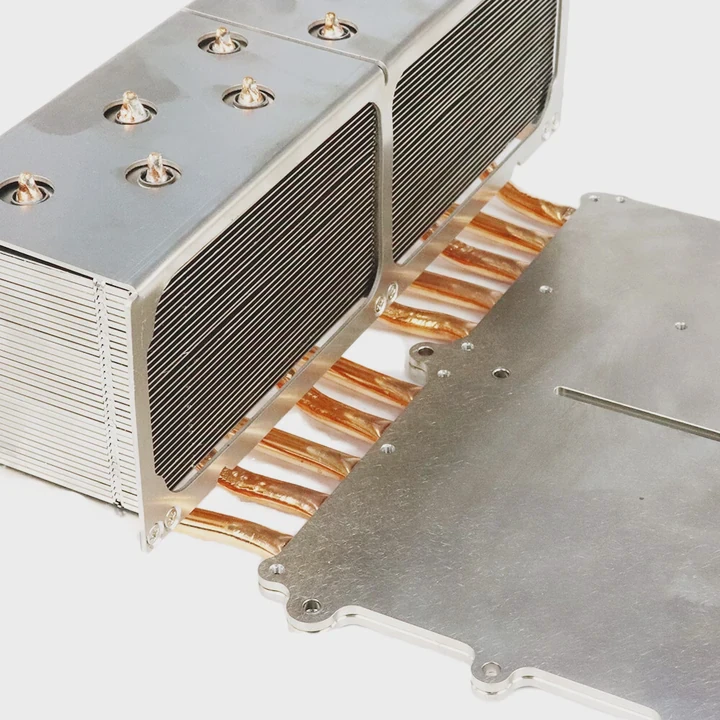
Because there is no standard specifically for vapor chambers, the applicable regulations are usually those covering the overall product, enclosure, or environment. These may include building codes, electrical device safety regulations, and fire-protection standards relevant to the final housing.
For example:
- If a vapor-chamber–cooled device is housed in a building or facility, the building’s fire-safety codes apply.
- If the device contains electrical components, the overall equipment may need to comply with electrical-safety or functional-safety standards (depending on market and application).
- For specialized installations (e.g. aerospace, defense, or clean-room facilities), additional fire-safety or life-safety standards may apply.
Vapor chambers are passive metal parts with internal liquid, and are rarely classified under “flammable materials.” Still, the final system’s fire risk may trigger compliance obligations — especially if the system contains fuels, batteries, or flammable materials alongside the vapor chamber.
Sample Standards That May Apply
| Standard | Scope |
|---|---|
| UL 94 | Flammability of plastic materials |
| IEC 62368-1 | Audio/video/ICT safety |
| NFPA codes | Fire protection in buildings |
| EN 45545 | Railway fire safety |
| NASA-STD-8719.11 | Aerospace facility fire safety |
Can Vapor Chambers increase fire risk if sealed improperly?
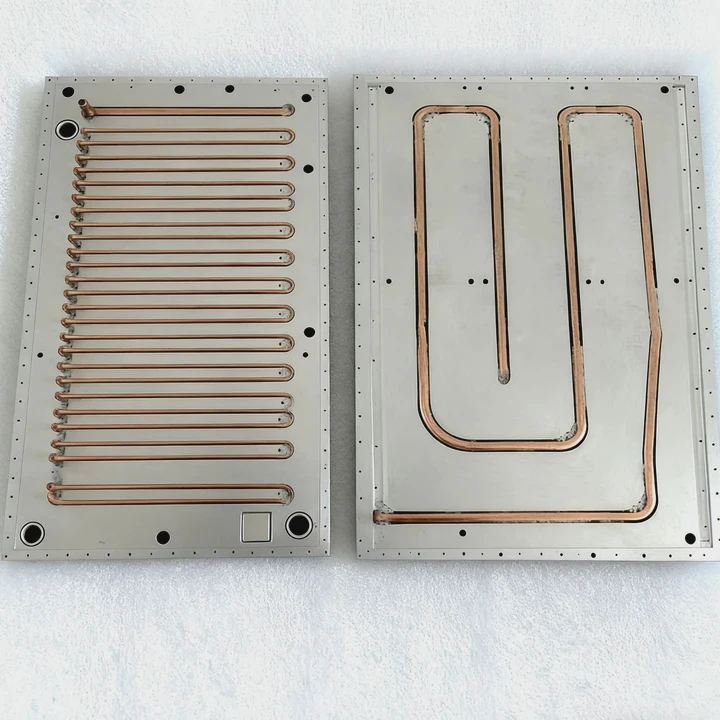
Yes — under certain abnormal conditions. A vapor chamber contains a small amount of liquid sealed under vacuum. If sealing fails, leaks occur, or joint welding is poor, then risks increase:
- The working fluid might leak. If the fluid were flammable (rare but possible with non-water fluids), leakage could pose fire or explosion risk.
- If internal pressure rises due to overheating, the chamber could deform, rupture, or burst. That could damage nearby electronics, causing sparks or overheating.
- Poor manufacturing (bad welds, internal contamination, or sealing defects) might cause chamber collapse or gas release under stress.
These risks are low when vapor chambers are made with proper materials and tested under strict quality procedures. Still, poor sealing could increase the fire hazard indirectly, especially in sealed electronic housings or near heat sources.
Common Failure Points That Could Raise Risk
| Failure Mode | Possible Impact |
|---|---|
| Weld cracks or porosity | Fluid leaks, thermal failure |
| Overpressure | Chamber rupture, system damage |
| Impure fluid | Internal pressure changes, corrosion |
| Manufacturing contamination | Reactivity or unexpected thermal response |
Careful sealing, pressure control, and leak testing are key to reducing any fire-related risks.
Is fire-resistant testing required for Vapor Chambers?
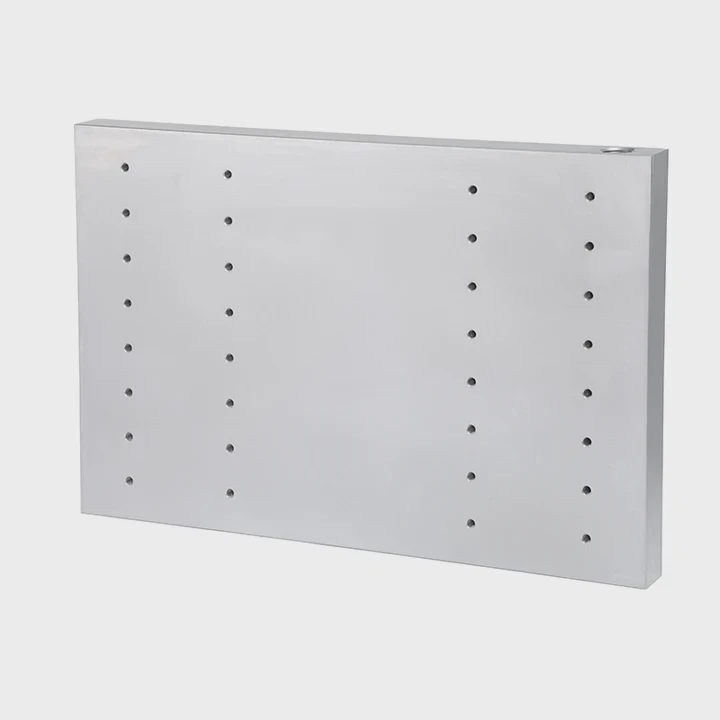
Not specifically. Vapor chambers are passive parts, and most contain water or non-flammable working fluids. Their housing is usually copper or aluminum — materials with high melting points and non-combustible properties.
Fire-resistant testing is not a mandatory requirement for vapor chambers by themselves. However, if used in systems that must comply with fire safety standards, the vapor chamber should not interfere with that compliance. This means suppliers must ensure that their chamber:
- Does not leak under standard conditions.
- Uses stable, non-combustible fluids.
- Withstands thermal cycling without rupture.
- Does not contribute to smoke, flame spread, or toxic gas release.
Most of these points are verified through standard production tests such as pressure testing, thermal cycling, leak checks, and aging simulations.
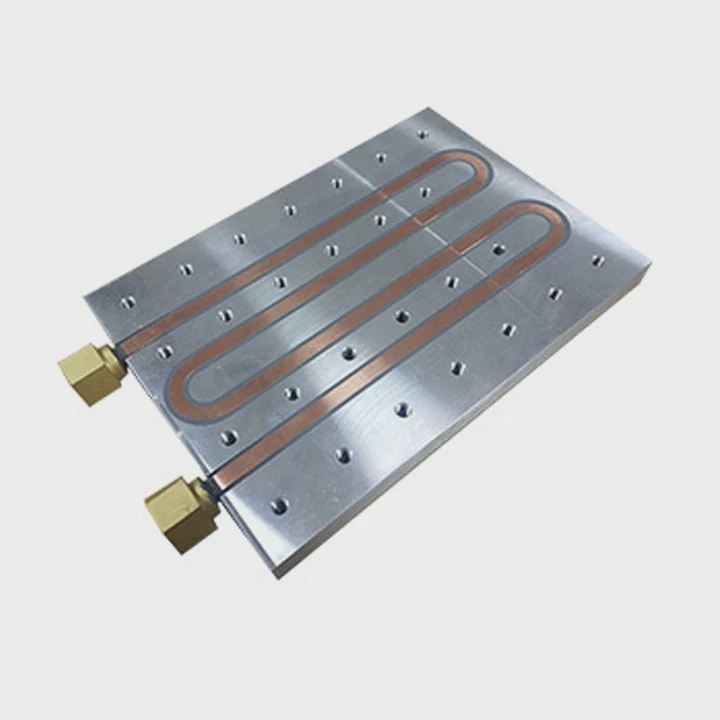
Tests Often Used in Vapor Chamber Manufacturing
| Test | Purpose |
|---|---|
| Vacuum leak test | Ensure sealed chamber integrity |
| Thermal cycle test | Simulate real working environments |
| Pressure burst test | Confirm structural strength |
| Visual inspection | Detect weld flaws or deformation |
These steps help confirm that the vapor chamber is safe, even under heat. For most applications, this is enough. Fire-specific tests are typically applied to the full assembly or device — not the vapor chamber alone.
Conclusion
Vapor chambers rarely require standalone fire-safety certification. They are metal parts using safe fluids. Fire risk comes mostly from poor sealing or bad quality control. Vapor chambers should be tested for leaks and pressure before use. Fire resistance depends on the full device, not just the vapor chamber.
TAGS
Latest Articles

Volume discount levels for heat sink orders?
Buyers often ask when heat sink prices start to drop with volume. Many worry they’re overpaying for small orders. This guide explains how B2B volume pricing works for thermal components. Heat sink
21 Dec,2025
Heat sink long-term supply contract options?
Many buyers want stable pricing and reliable delivery for heat sinks. But without a clear contract, risks grow over time. This article explores how to secure better long-term supply deals. Long-term
21 Dec,2025
Tooling cost for new heat sink profiles?
Many engineers struggle to understand why tooling for custom heat sinks costs so much. They worry about budgeting and production timelines. This article breaks down the cost drivers behind tooling.
21 Dec,2025
Heat sink custom sample process steps?
Sometimes, starting a custom heat sink project feels overwhelming—too many steps, too many unknowns, and too many risks. You want a sample, but not endless delays. The process for requesting and
20 Dec,2025
Standard B2B terms for heat sink payments?
When buyers and sellers in B2B heat sink markets talk about payment, many don’t fully understand what’s standard. This can lead to delayed orders, miscommunication, and even lost business
20 Dec,2025
Heat sink pricing factors for large orders?
Heat sinks are vital for many systems. When prices rise, projects stall and budgets break. This problem can hit teams hard without warning. Large order heat sink pricing depends on many factors. You
20 Dec,2025Related Articles
- Best simulation software for Vapor Chamber?
- Vapor Chamber requirements for CE marking?
- Can Vapor Chamber be welded?
- Standard cost of Vapor Chamber tooling?
- How to optimize Vapor Chamber mass production?
- Are there patented Vapor Chamber designs?
- Vapor Chamber choice for embedded systems
- Does Vapor Chamber need periodic cleaning?
- Vapor Chamber heat spreading comparison?
- Can Vapor Chamber fail under stress?
- Vapor Chamber flatness measurement process
- Recommended clamps for Vapor Chamber assembly?
Author
Dr. Emily Chen
Chief AI Researcher
Leading expert in thermal dynamics and AI optimization with over 15 years of experience in data center efficiency research.
Categories
Latest Products






Recommend Categories
- Liquid cooling plate Manufacturer
- Industrial Heat Sink Manufacturer
- Standard Heat Sink Manufacturer
- Aluminum Heat Sink Manufacturer
- Copper Heat Sink Manufacturer
- Anodized Heatsink Manufacturer
- Stamping heat sink Manufacturer
- Die Casting Heatsink Manufacturer
- Soldering heat sink Manufacturer
- CNC Parts Manufacturer
Latest Products
- Wholesale Aluminum Radiator
- Water Cooling Plate Kit
- Water Cooling Heat Sink
- Water Cooling Heat Sink Kit
- Stainless Steel Water Distributor
- Server Water Cooling Plate Kit
- Server Liquid Cooling System
- Server Aluminum Cooling Kit
- S19 Full Cover Cooling Plate
- S19 Cooling Plate Kit
- S19 Aluminum Cooling Plate
Contact Expert
Have questions about this article? Reach out to our experts directly.