Best Vapor Chamber solution for medical devices?
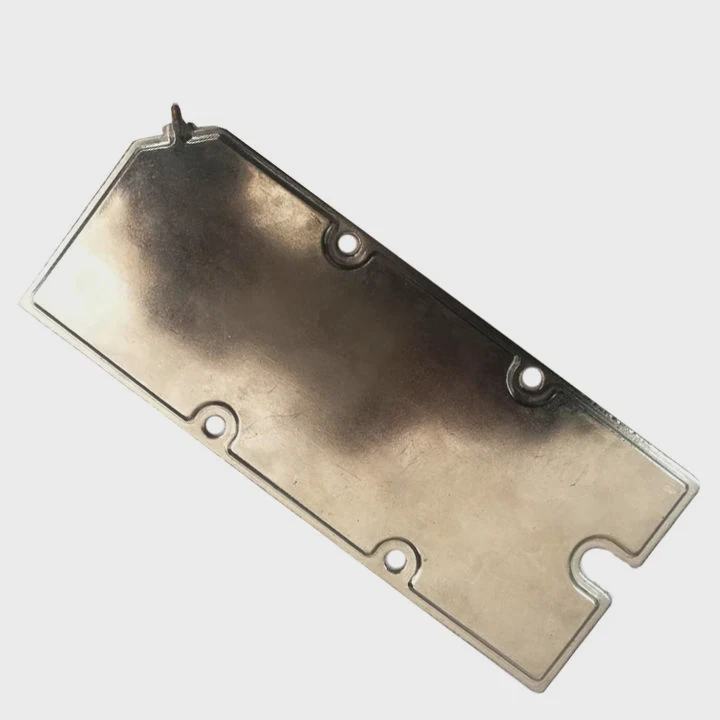
Medical devices often run hot under heavy duty. Vapor chambers offer great heat spread performance. However, medical use asks for more care than industrial uses.
Vapor chambers can provide efficient, uniform heat distribution for medical devices. They help manage heat without bulky fans or heavy heatsinks.
When designing with vapor chambers for medical devices, you must think about safety, reliability, sterilization, and compactness. The rest of this article dives into those key questions.
I will explore what matters when using vapor chambers in medical devices. I will cover design, sterilization, thermal reliability, size and power limits. This helps pick or design the right vapor‑chamber solution.
What considerations apply when using Vapor Chambers in medical devices?
Medical devices often carry unique constraints. Vapor chambers might solve heat issues. Still many design details can make or break suitability.
Key considerations include thermal performance, material selection, environmental sealing, and compliance with medical standards.
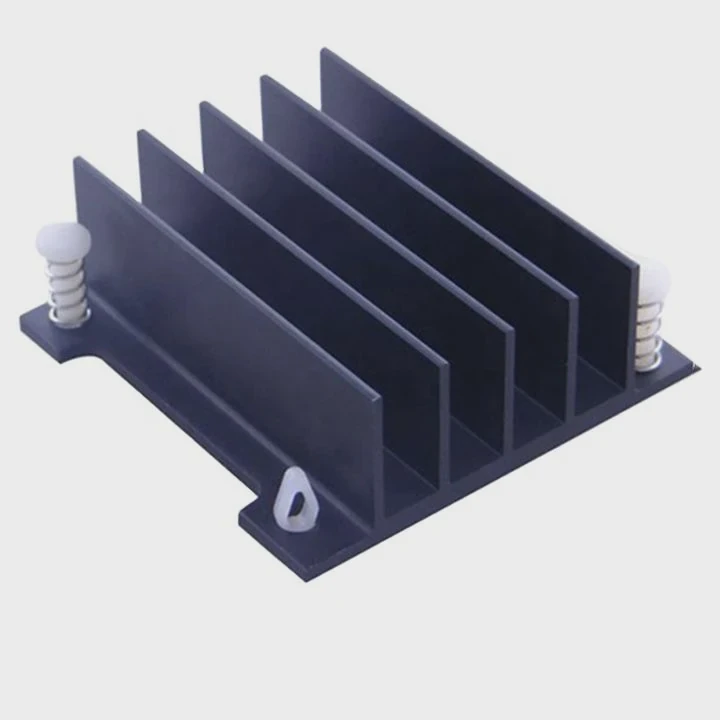
When designing vapor chambers for medical devices, many factors must be considered. First, heat load and distribution must match device needs. Medical electronics can generate bursts of heat or continuous heat depending on function. Vapor chambers work best when heat sources are localized because they spread heat evenly. It is important to analyze where the hot zones will occur and how heat spreads to avoid overheating any patient‑touching surface.
Second, material choice is crucial. Many vapor chambers use copper or copper alloys. For medical devices, materials must resist corrosion, must not degrade under repeated sterilization, and ideally not shed any particles. That means the internal wick, casing, solder, or braze joints must use medical‑grade compatible metals. If the vapor chamber is part of an outer enclosure, the external surface finish should avoid sharp edges or rough surfaces that could harm users or harbor microbes.
Third, sealing quality matters. Vapor chambers depend on vacuum sealed cavities. For medical devices, sealing must be robust under temperature cycles, sterilization cycles, vibration, mechanical shock, and even shipping handling. A leak can cause failure or loss of thermal performance. Thus manufacturing quality, leak testing, and proper cleaning are vital.
Fourth, regulatory compliance must be considered early. Medical devices often must comply with standards such as IEC 60601 (for electrical equipment), ISO 10993 (biocompatibility), or other regional standards. The vapor chamber integration must not jeopardize overall compliance. That may mean documentation of materials, traceability, long‑term reliability testing, and perhaps special packaging or handling procedures.
Fifth, integration and form factor: many medical devices are compact or have ergonomic constraints. The vapor chamber must fit into a tight enclosure and may need to attach to other parts. Mounting, thermal interface, mechanical support, and alignment should be planned so that the chamber does not bend, warp, or stress during use or sterilization. The presence of screws, clips, or adhesives must be compatible with sterilization and cleaning agents.
Finally, serviceability and maintenance should be considered. If the device is reusable and needs periodic maintenance, the vapor chamber solution should not impede disassembly or cleaning. The design should allow safe handling without damaging the chamber.
Here is a quick summary table of major design considerations:
| Consideration | Why It Matters |
|---|---|
| Thermal load distribution | Ensures proper heat spread from source to sink |
| Material selection | Prevent corrosion, contamination, and ensure durability |
| Sealing integrity | Maintain vacuum and performance over lifetime |
| Regulatory compliance | Meet medical device standards and safety norms |
| Form factor & integration | Fit space constraints and maintain ergonomic design |
| Maintenance & cleaning | Allow safe reuse and sterilization if needed |
Also this table helps guide engineers through early design review. It forces critical thinking before prototype stage.
In short, using a vapor chamber in a medical device is not just about heat spread. It is about materials, compliance, mechanical design, and long-term stability. These considerations must be addressed early.
Are biocompatibility and sterilization important for Vapor Chambers in medical use?
Medical devices often operate near patients or in a sterile environment. Vapor chamber components can touch air or internal structure. So biocompatibility and sterilization matter.
Yes, biocompatibility and sterilization are often essential. Vapor chambers must avoid toxic materials, resist sterilization processes, and remain safe under repeated cleaning.

Medical use demands more than just thermal performance. Materials inside vapor chambers should be inert and safe. Even though vapor chambers are sealed, the outer surfaces or edges may contact operators, patients or biomedical fluids. If the material corrodes or leaches ions, it risks contamination. Therefore, using medical‑grade metals that pass biocompatibility tests helps reduce risk.
Sterilization is another major concern. Many devices must undergo repeated sterilization cycles — for example by autoclave (steam sterilization at high temperature and pressure), chemical sterilization (alcohol, hydrogen peroxide, ethylene oxide), or radiation (gamma, e‑beam). The vapor chamber must survive these processes without damage. Copper-based vapor chambers can warp, delaminate, or leak under repeated high-temperature steam cycles. Brazed joints may open. Wicks may degrade. Seals may fail. That would compromise thermal performance or cause deposition of unwanted particles.
Because of that, a design for medical use must:
- Choose materials that tolerate sterilization conditions.
- Use brazing or welding techniques that resist repeated thermal cycling.
- Perform sterilization cycle testing during validation.
- Document cleaning instructions for end users.
Below is a table comparing common sterilization methods and their effects on vapor chamber components:
| Sterilization Method | Typical Conditions | Potential Risk to Vapor Chamber | Mitigation Strategy |
|---|---|---|---|
| Autoclave Steam | 121–134 °C, high humidity, pressure | Warping, seal failure, oxidation | Use high‑temperature brazing, nickel or stainless‑steel plating, gas-purged assembly |
| Chemical (Alcohol) | Room temp or warmed, repeated cycles | Surface corrosion, residual chemicals | Use corrosion-resistant plating, full cleaning & drying protocols |
| Ethylene Oxide Gas | 37–63 °C, gas exposure, humidity | No heat stress but chemical exposure | Use materials tested for chemical resistance |
| Radiation (Gamma) | Varies (kGy dose) | Possible embrittlement or material changes | Conduct radiation resistance tests, select radiation-stable metals |
In many medical devices, sterilization is required. If a vapor chamber is part of a device that must be sterilized, the design team must plan for repeated cycles. Without that planning, a chamber may start leaking after a few sterilization runs. That may not only reduce thermal performance. It may also contaminate the internal volume with particles or degrade device safety.
Even if sterilization is not required — for example in single‑use devices or sealed housings — material biocompatibility remains important. The outer casing must not corrode or leach metals. Surface finish must be smooth and non‑porous to prevent microbial growth and ease cleaning.
In conclusion, biocompatibility and sterilization are often mandatory for medical devices using vapor chambers. Ignoring them may result in device failure or safety issues.
Can Vapor Chambers meet medical device thermal reliability requirements?
Medical devices often run continuously. They may operate under variable loads. They may require stable performance over years. Thermal reliability matters.
Yes, vapor chambers can meet reliability needs, if designed, manufactured, and validated properly. They offer stable heat spreading over time while handling varying loads.
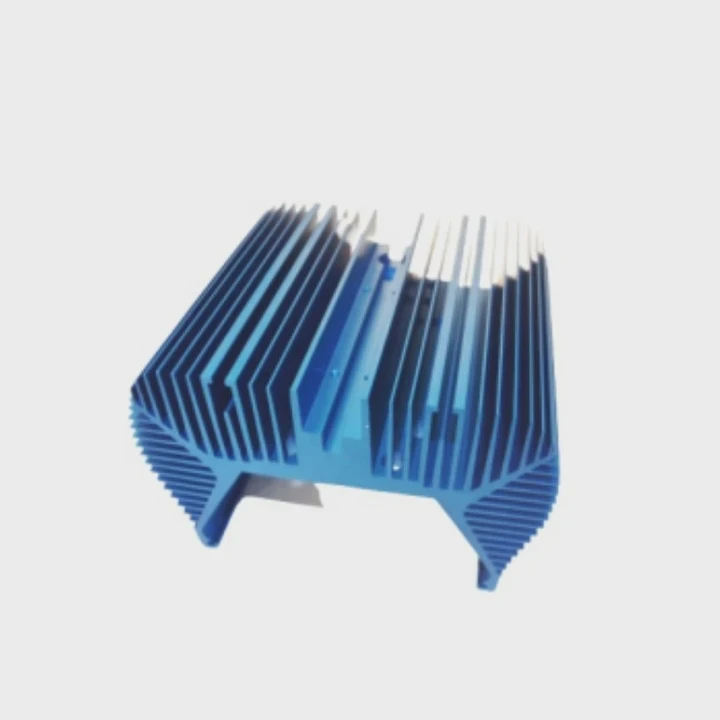
Vapor chambers have advantages for thermal reliability. They can spread heat evenly and keep device temperature within safe limits. That helps prevent hot spots that degrade electronics or cause patient discomfort. However, reliability depends on build quality, materials, and environmental conditions.
One main concern is long-term sealing. A poorly sealed chamber might slowly leak vapour over time. That reduces performance. To avoid that, manufacturing must include strict leak testing. Low‑outgassing materials and proper vacuum filling are crucial. The assembly should pass leak detection under vacuum and pressure cycling to simulate years of use.
Another concern is thermal cycling. Medical devices may go through many on/off or standby cycles. Each cycle causes temperature change. Materials expand or contract. If the chamber uses different metals (e.g. copper plus solder), joints may experience stress. Over time, the stress can cause cracks or separation. That may lead to failure. To avoid that, use metal‑to‑metal brazing or welding, not solder with low melting point. Choose materials with similar thermal expansion coefficients. Metals like copper, stainless steel, or special alloys help.
Also the chamber may face mechanical stress: vibrations, shocks, drops. For devices mounted on carts, moved between rooms, or portable devices. So mechanical robustness is needed. The vapor chamber must resist bending or denting. That means thickness, plate design, support frames, and enclosure sealing must be designed carefully.
Finally, validation is essential. Medical device developers typically perform environmental testing: temperature cycling, humidity, mechanical shock, vibration, drop tests, sterilization repeat cycles, long-duration operation. Vapor chamber must pass all these before approval. The test plan should include worst-case scenarios: maximum power dissipation, highest ambient temperature, longest continuous runtime. Tests should demonstrate stable temperature performance, no leakage, no degradation.
If a vapor chamber passes these tests, it can satisfy the reliability demands of medical devices. Proper design and validation are key. Without them, vapor chambers may underperform or fail. With them, they are a strong thermal solution.
What size and power limits apply for Vapor Chambers in medical equipment?
Medical equipment ranges from small handheld devices to large imaging machines. The size and power load affect vapor chamber design. It is vital to know realistic limits for success.
Typical vapor chamber solutions in medical equipment handle tens of watts up to a few hundred watts and fit into zones from a few cm² to several tens of cm². Designing beyond those ranges demands special engineering.
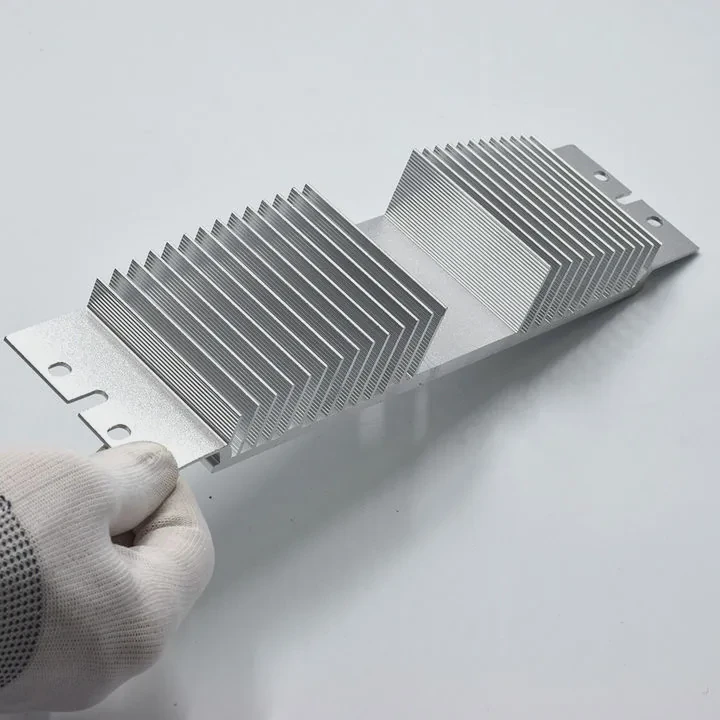
Size and power limits for vapor chambers must match device needs. For low‑power handheld devices — e.g. portable diagnostic tools, sensors, or monitoring devices — power dissipation often stays under 10–20 W. A small vapor chamber (perhaps 40 mm × 40 mm) may be enough. The chamber can spread heat to outer enclosure or small heatsinks. Thermal resistance may stay under 1–2 °C/W. That keeps handheld devices comfortable.
For mid‑power equipment, like advanced monitoring terminals, small imaging devices or control systems, power dissipation might reach 50–150 W. In these cases, a larger chamber (e.g. 60 mm × 100 mm or larger) may handle the load. Also the device may include attached fins, heat spreaders, or passive radiators. The vapor chamber will help distribute heat from hot components (CPU, power supplies) to spread zones (walls, external shell) for dissipation. The required size depends on heat flux density, desired temperature difference, and space. As a rule, higher power requires larger surface area and good conduction path to ambient.
For very high‑power medical devices — imaging machines, laser systems, continuous flow pumps, or sterilization units — power could exceed 200–300 W. Vapor chamber usage becomes more challenging. A single flat vapor chamber may not suffice. One may need multiple chambers, or chamber plus active cooling (fan, liquid cooling). In such cases, size and thickness increase, thermal resistance may increase, and manufacturing becomes more complex. Also cost and weight increase. It may still be feasible but only with careful engineering and likely custom solutions.
Here is a rough guideline:
| Use case | Approx. power dissipation | Vapor chamber size range | Typical solution |
|---|---|---|---|
| Handheld device | < 20 W | ~30–50 mm square | Small flat VC, passive shell |
| Mid-range equipment | 50–150 W | 60 × 100 mm up to 100 × 150 mm | VC + external fins or radiator |
| High‑power system | 200–300 W+ | Multiple VC or large custom VC | VC + active cooling (fan or liquid) |
When designing, you must check heat flux density. If you put too much power into a small area, the vapor chamber may saturate. Saturation means vapour cannot move out fast enough, causing temperature spikes. That can damage electronics or materials. Therefore, ensure heat input is spread over enough area and interface to cooling elements.
Also thickness matters. Typical vapor chambers could be 0.8–2 mm thick for small shapes. For larger or high power, thicker chambers or multi‑layer assemblies may be needed. But thicker chambers reduce flexibility and may weigh more. In medical devices, weight and volume often matter.
Mounting and integration also influence limits. If the vapor chamber presses against a metal shell, thermal path is good. But if you rely on air gaps or plastic shells, performance drops. That increases size needed. Additionally, ambient conditions matter. If the device runs in warm hospital room, or inside enclosures, cooling is less effective. That reduces allowable power density.
In short, vapor chambers are best for low to medium power medical devices. For high power medical systems, they require careful integration, often with additional cooling methods. Engineers must run thermal simulations, measure real heat flux, and then choose chamber size and supplementary cooling accordingly.
Conclusion
Vapor chambers can be a strong thermal solution for medical devices. They offer efficient heat spread in compact space. When design accounts for materials, sterilization, reliability, size, and power demands, they meet medical needs. Use careful planning to pick the right vapor‑chamber design.
TAGS
Latest Articles

Volume discount levels for heat sink orders?
Buyers often ask when heat sink prices start to drop with volume. Many worry they’re overpaying for small orders. This guide explains how B2B volume pricing works for thermal components. Heat sink
21 Dec,2025
Heat sink long-term supply contract options?
Many buyers want stable pricing and reliable delivery for heat sinks. But without a clear contract, risks grow over time. This article explores how to secure better long-term supply deals. Long-term
21 Dec,2025
Tooling cost for new heat sink profiles?
Many engineers struggle to understand why tooling for custom heat sinks costs so much. They worry about budgeting and production timelines. This article breaks down the cost drivers behind tooling.
21 Dec,2025
Heat sink custom sample process steps?
Sometimes, starting a custom heat sink project feels overwhelming—too many steps, too many unknowns, and too many risks. You want a sample, but not endless delays. The process for requesting and
20 Dec,2025
Standard B2B terms for heat sink payments?
When buyers and sellers in B2B heat sink markets talk about payment, many don’t fully understand what’s standard. This can lead to delayed orders, miscommunication, and even lost business
20 Dec,2025
Heat sink pricing factors for large orders?
Heat sinks are vital for many systems. When prices rise, projects stall and budgets break. This problem can hit teams hard without warning. Large order heat sink pricing depends on many factors. You
20 Dec,2025Related Articles
- Vapor Chamber application in LED lighting?
- Lead time for custom Vapor Chamber parts?
- Does Vapor Chamber suit gaming laptops cooling?
- Vapor Chamber usage in automotive industry?
- Vapor Chamber sample production process?
- Vapor Chamber design guidelines for heat transfer?
- Can Vapor Chamber be used in construction machines?
- Vapor Chamber Performance in Aerospace Systems?
- Vapor Chamber use in 5G communication equipment?
- Vapor Chamber for data center cooling needs?
- Vapor Chamber heat resistance test report?
- Minimum order quantity for Vapor Chamber?
Author
Dr. Emily Chen
Chief AI Researcher
Leading expert in thermal dynamics and AI optimization with over 15 years of experience in data center efficiency research.
Categories
Latest Products






Recommend Categories
- Liquid cooling plate Manufacturer
- Industrial Heat Sink Manufacturer
- Standard Heat Sink Manufacturer
- Aluminum Heat Sink Manufacturer
- Copper Heat Sink Manufacturer
- Anodized Heatsink Manufacturer
- Stamping heat sink Manufacturer
- Die Casting Heatsink Manufacturer
- Soldering heat sink Manufacturer
- CNC Parts Manufacturer
Latest Products
- Wholesale Aluminum Radiator
- Water Cooling Plate Kit
- Water Cooling Heat Sink
- Water Cooling Heat Sink Kit
- Stainless Steel Water Distributor
- Server Water Cooling Plate Kit
- Server Liquid Cooling System
- Server Aluminum Cooling Kit
- S19 Full Cover Cooling Plate
- S19 Cooling Plate Kit
- S19 Aluminum Cooling Plate
Contact Expert
Have questions about this article? Reach out to our experts directly.